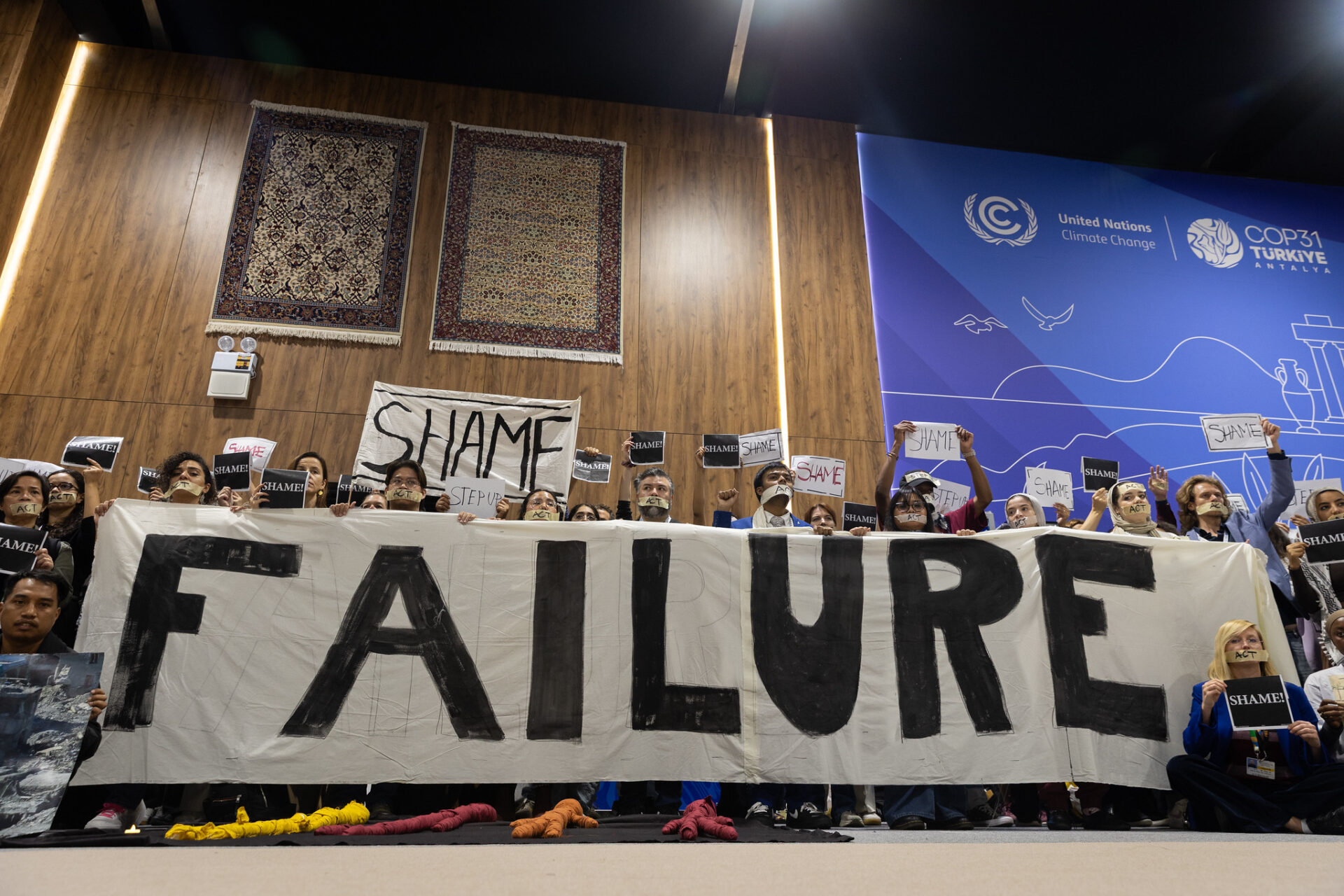
ANTALYA – The UN climate summit entered overtime as its 6pm Friday deadline came and went, with countries deadlocked over a new draft deal that strips out every mention of fossil fuels, places a big bet on untested carbon capture technology and turns the hosts’ flagship electricity goal into an optional target that could be met by burning more coal and gas.
While one paragraph referencing health still stood intact, the new draft also stripped references to the health co-benefits of mitigation.
Amongst delegates huddling in the halls Friday evening, there was little hope that a third promised revision Saturday would revive any mention of fossil fuels or yield other meaningful changes.
If that is indeed the case, COP31 will be the second summit in a row whose main decision fails to name the fuels behind nearly 90% of the world’s carbon dioxide emissions.
Only three years ago at COP28 in Dubai, nearly 200 countries agreed for the first time to transition away from the oil, gas and coal behind the climate crisis. At the time, the decision was seen as historic. Two COPs later, inaction is outrunning commitments as extreme weather and rising temperatures sweep the globe.
Conference follows escalation of climate-related catastrophes
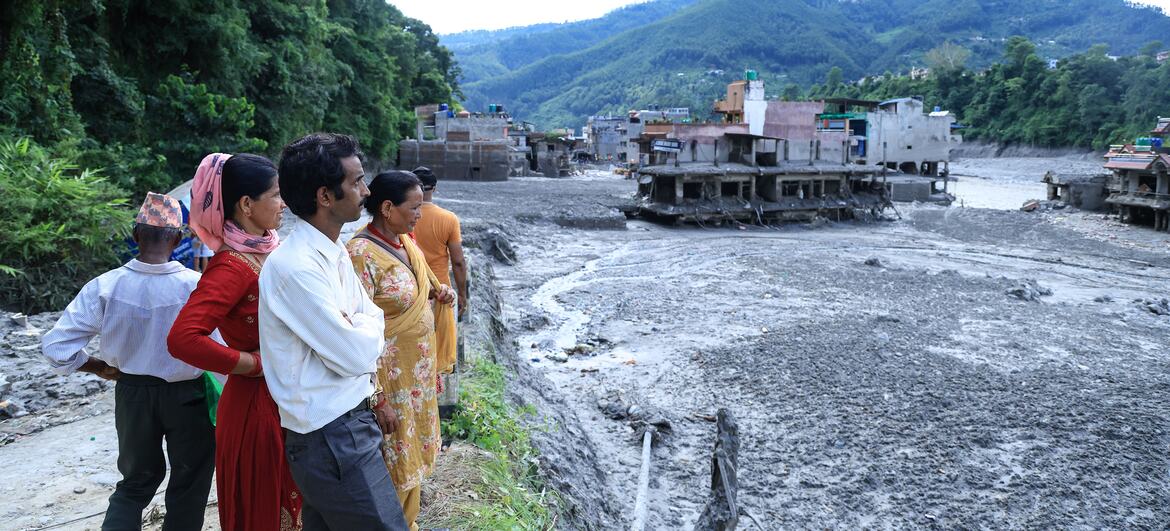
Recent events such as Nepal’s catastrophic glacier avalanche, drought-related emergencies in Pacific Island nations, and wildfires in North America have underlined how the “loss and damage” of climate change — a much-debated item at past COPs — is incurring mounting costs.
Against those realities, the Loss and Damage Fund established at COP28 in Dubai in 2023 remains so underfinanced it can hardly function—with $ 2.8 billion in requests to date against $486 million received, plus one €25 million pledge from the European Union at this year’s COP.
The second draft of the summit’s main political decision, released on Thursday, halves the first version to nine pages, also dropping a critical $120 billion target to help developing countries adapt to the accelerating impacts of the climate crisis.
The draft still backs efforts to “at least triple adaptation finance by 2035”, does not name a specific dollar target, and sets up an “Antalya-to-Addis Ababa Roadmap” that pushes the details to next year’s summit in Ethiopia. The text itself puts adaptation finance needs at $305 billion a year.
‘We didn’t come here to beg’
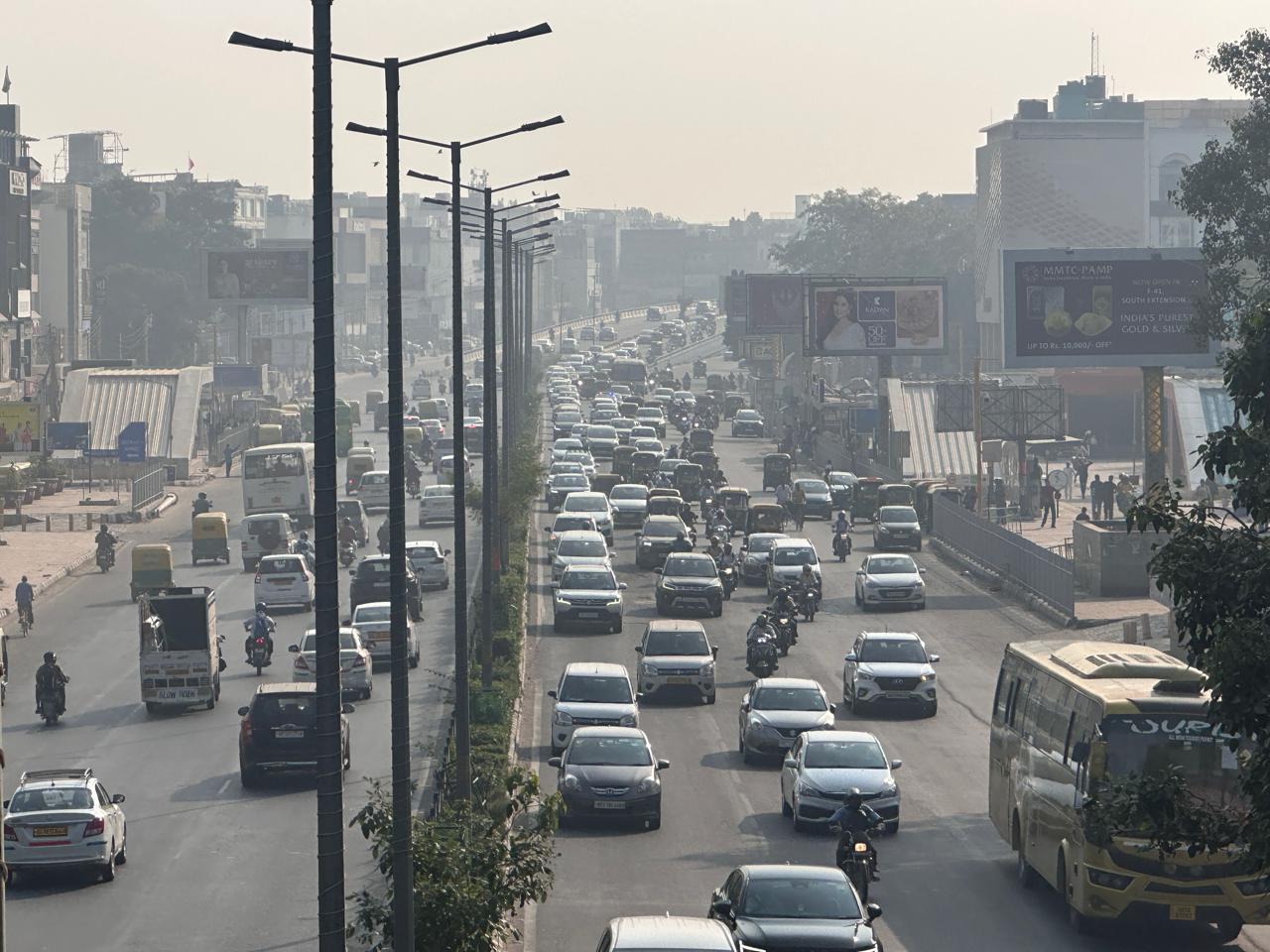
“We didn’t come here to beg,” said Zanetor Agyeman-Rawlings, who chairs the African Group of Negotiators. “We came here to claim what is rightfully ours for our people who are suffering the brunt of anthropogenic activities of developed countries.”
“Africa is not a continent merely seeking assistance,” she said. “We are asking the developed countries to keep promises that they already made.”
The standalone health paragraph, a potential symbolic win for advocates that named malaria, dengue and cholera among the ways warming already makes people sick, now names no diseases at all. The surviving mentions of health appear in just one sentence, referring to “physical and mental health” and “climate-resilient health systems”.
Air pollution, linked to 7.9 million deaths in 2023, appears in neither draft, and the first draft’s single clean-air reference has been cut. Methane, which helps form lung-damaging ground-level ozone, gets a call for “reductions”, where the first draft wanted them “rapid and substantial”.
Food and agriculture go unmentioned. A few hours’ drive inland from Antalya, across the Konya basin known as Türkiye’s breadbasket, the government has mapped 739 sinkholes, some as deep as 40 metres, as drought and unlicensed wells drain the groundwater beneath the fields.
“If this version of the text remains, it will be a ghost COP,” said Mohamed Adow, director of Power Shift Africa, a Nairobi-based think tank. “The summit will have nothing to show for what happened here.”
“[The Turkish President] yesterday called this the best COP ever. [For] those of us who have been following these negotiations and have done so for 15 years, I haven’t attended a worse COP than this one.”
Big powers pledge to drill more oil and gas
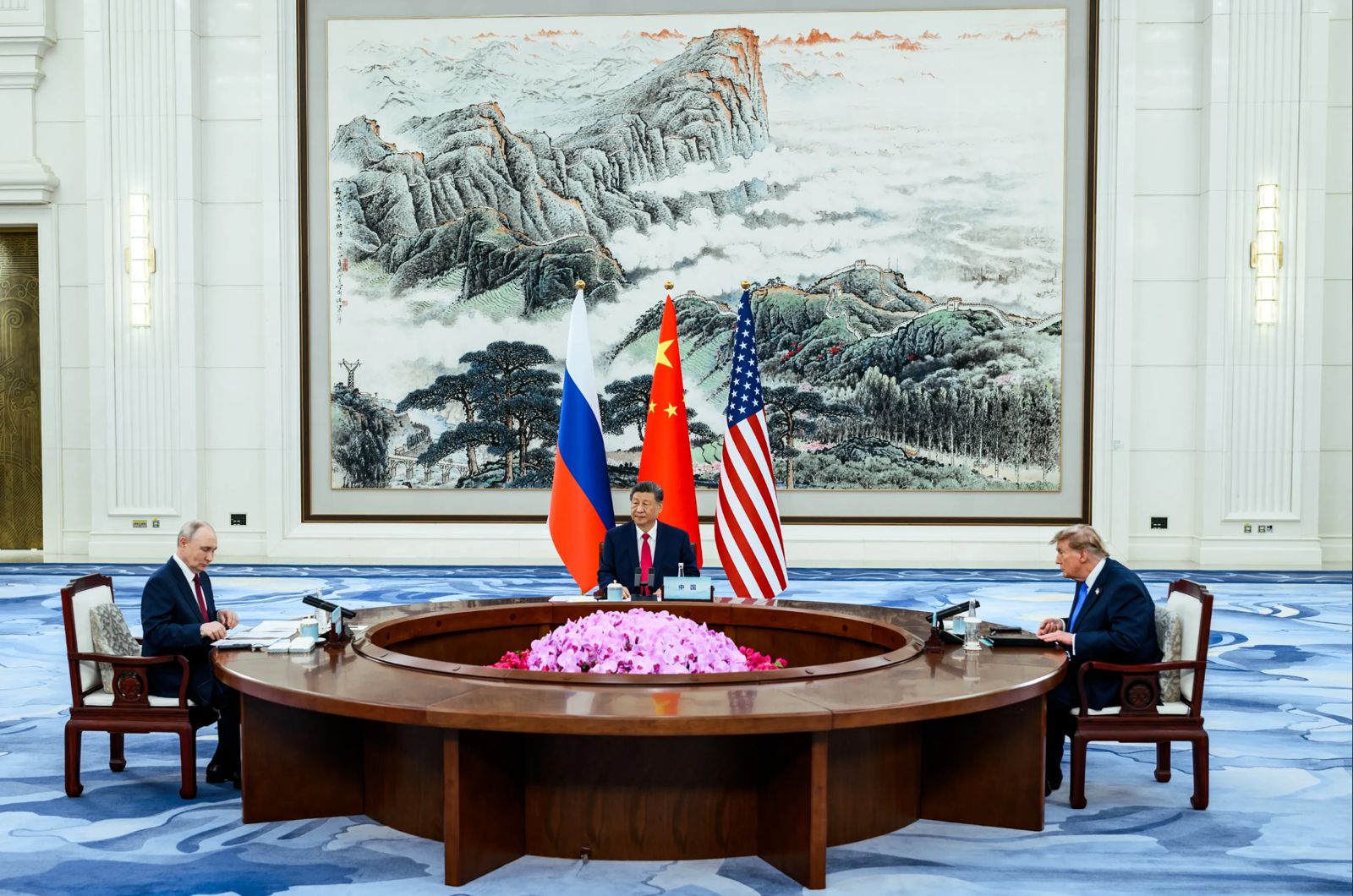
Meanwhile, any decisions taken by the 190+ nations convening in Antalya may be overshadowed by the US-Russia-China summit in China.
Speaking on Thursday at the three-way summit in Shenzhen, China’s Xi Jinping, US President Donald Trump and Russia’s Vladimir Putin pledged to “increase the production and supply of refined petroleum products for the benefit of all nations”.
The pledge was “part of the reality of the climate crisis that we as negotiators have to deal with as well”, said Wopke Hoekstra, the EU climate commissioner.
“There are some that don’t want that we use the words fossil fuels at this COP,” Carsten Schneider, Germany’s Environment Minister, told reporters on Friday. “There are some who earn a lot of money with that.”
“This process is completely unbalanced and unfair,” Sinéad Magner of the Women’s Environment and Development Organization told a press conference of civil society groups on Friday. “That is an abject failure of the presidencies. Your job is to act as an honest broker.”
‘High ambition’ nations fail to come through
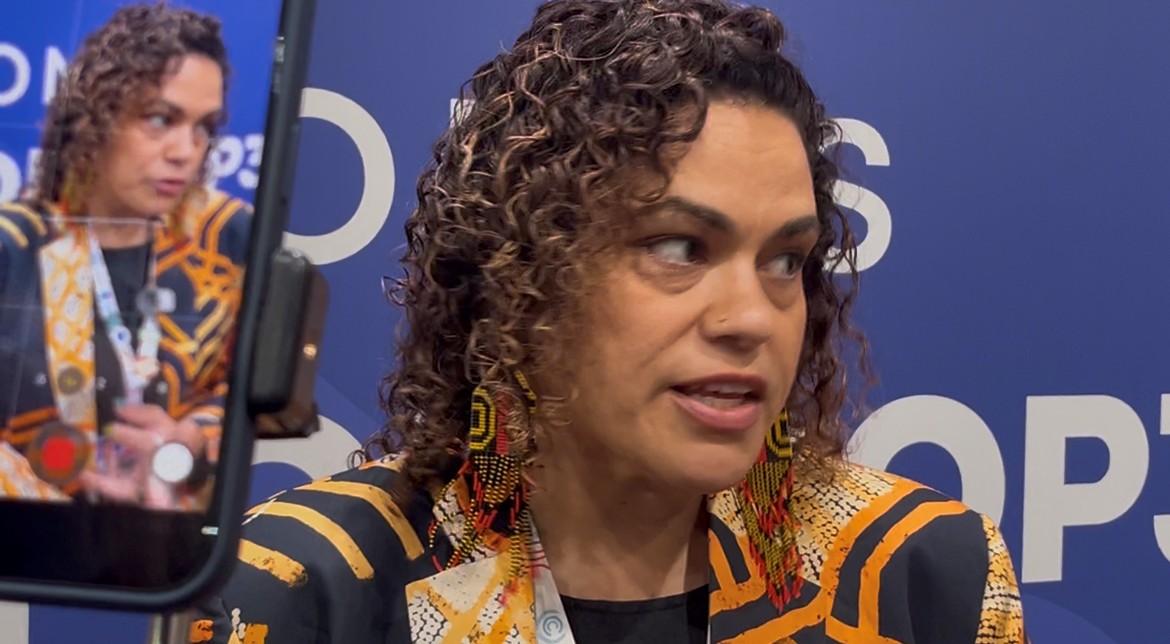
Magner and other civil society voices accused formerly ‘high-ambition’ countries in the EU, as well as Norway, the United Kingdom, Japan, Canada, and Australia, of caving to pressure on references to fossil fuels as well as other critical issues like a “just transition mechanism” that countries invest in green development.
“It is not due to the technical issues that they blame,” she said. “It is because they are completely resistant to providing any form of support to countries during their transitions.”
“There are countries who from the outset decided not to be a part of this agreement. There, they were plain and honest,” Agyeman-Rawlings of the African group, in an apparent reference to the US. “What we do not appreciate are those who choose to remain a part of the framework and yet continue to undermine the process.”
Larissa Baldwin, co-chair of the Indigenous Caucus, accused COP31 co-sponsor Australia, still a major coal and gas exporter, of betraying Pacific island states that face an existential threat from climate change. This, after months of pre-COP consultations when Canberra positioned itself as an advocate for its more vulnerable small-island neighbors.
“These people are going to lose their islands, and I think Australia needs to get serious about what that actually means. “We have been through back-to-back fires, floods, super cyclones and also an enormous drought across the islands, so when Australia doesn’t show up in leadership in this space, it’s just a betrayal of the Pacific.”
Not ready to give up yet
“People have strong views, of course. I am not stepping away from that,” said Chris Bowen, the Australian climate minister who chairs the negotiations. “But no one has said to me, let’s give up and go home.”
Bowen pledged to keep working through the “coming hours, for as long as it takes, to get the job done”.
“Almost 200 Parties own this process,” Simon Stiell, the UN climate chief, told reporters. “These are crucial days ahead for climate cooperation,” he said. “And we have no time to lose.”
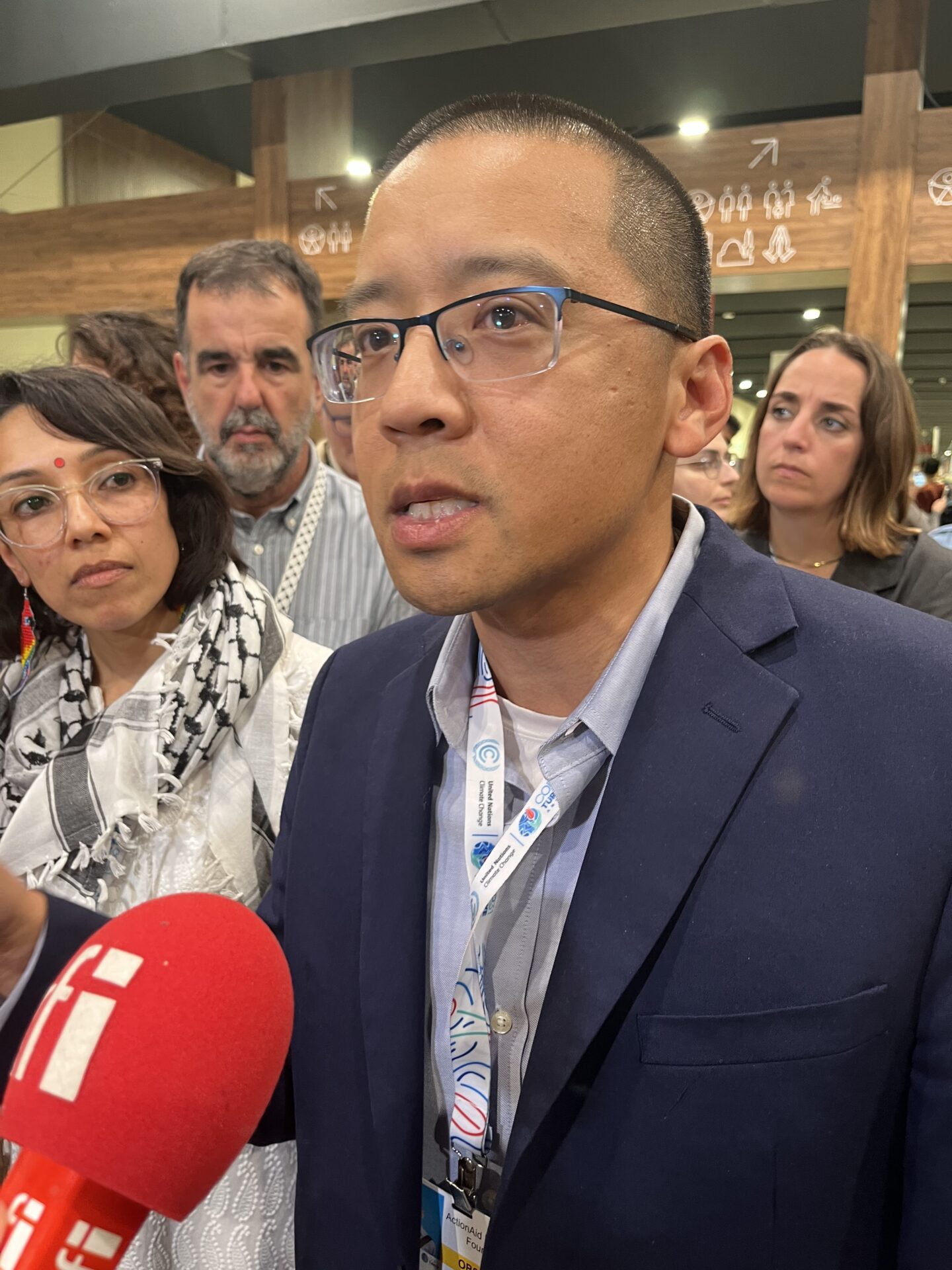
Rich countries’ plans for moving off fossil fuels “are restatements of existing policy at best, and so it’s a smokescreen,” said Brandon Wu, director of policy and campaigns at ActionAid USA, part of the global NGO organization promoting climate justice.
“They are using the rhetoric around fossil fuels to make themselves look like champions, and then they pin the blame on us for lack of progress in the negotiations.”
“There’s nothing in this for us. Our people are dying,” Wu said.
Carbon capture instead of emissions reductions
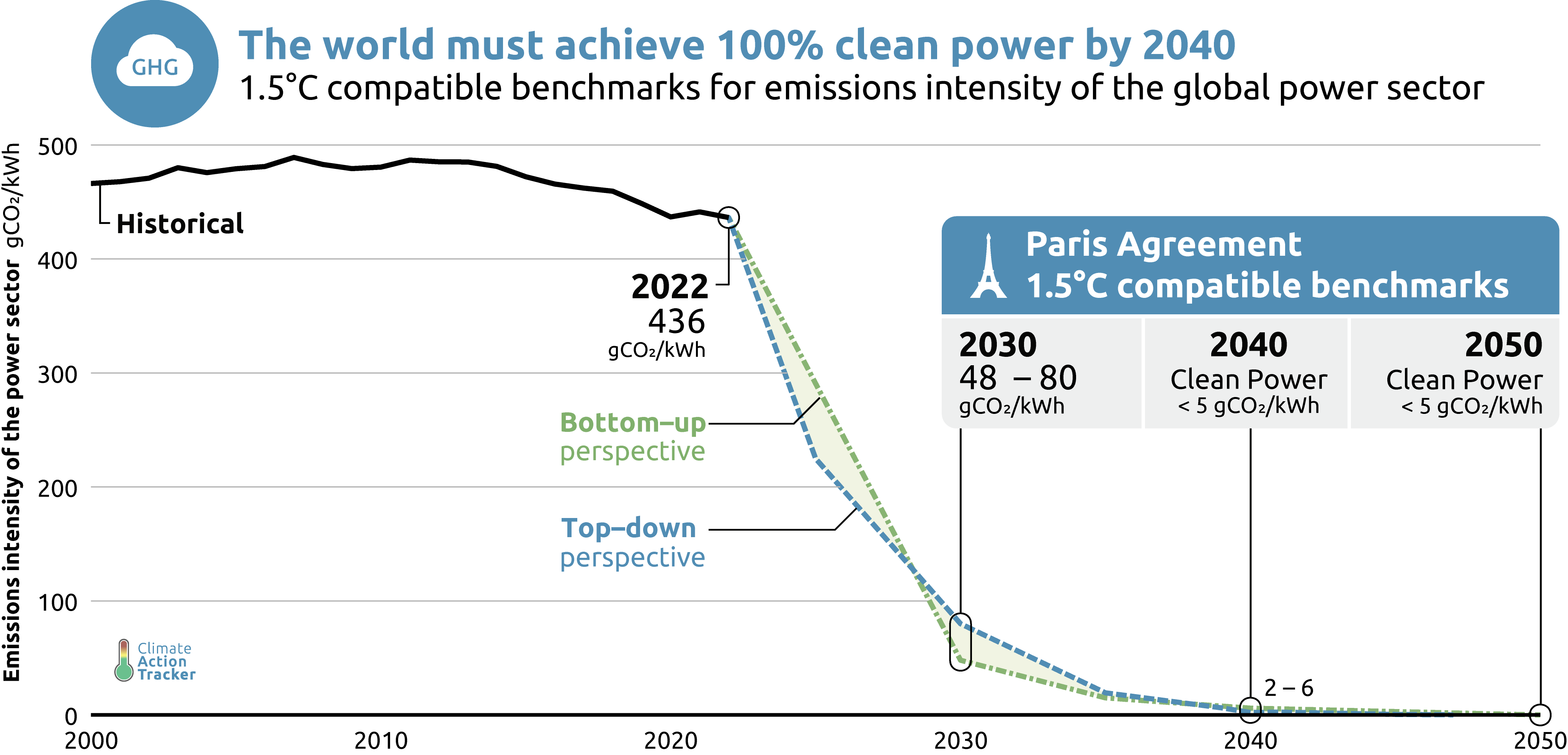
The first COP31 draft decision text urged countries to speed up “transitioning away from fossil fuels in energy systems”, the wording agreed at COP28 in Dubai in 2023.
The revised text speaks only of an “irreversible global transition towards low greenhouse gas emissions and climate resilience”.
A sentence “welcoming” the Transitioning Away From Fossil Fuels Roadmap drafted by Brazil, last year’s COP30 host and published just before COP31, is gone, along with a call to phase out inefficient fossil fuel subsidies. Ending those subsidies is central to the WHO’s case for the health co-benefits of climate action.
Murat Kurum, Türkiye’s Environment Minister and the COP31 President, said there was no need to repeat fossil fuel language agreed at past summits.
“I don’t think there’s any backsliding,” he said.
The draft, however, calls for “accelerating” carbon capture and storage. The technology, which aims to trap carbon dioxide from power plants and factories before it reaches the air, is both expensive and unproven at scale.
Critics say the deal’s focus on CCS, which today captures less than 0.2% of fossil fuel emissions according to Carbon Brief, is another concession to major emitters and the petrochemical industry — pasting a fig leaf over continued fossil fuel emissions. Groups such as Climate Tracker argue that CCS can play only a minimal role in reducing emissions given the lack of proven technologies at scale.
Kurum, however, called carbon capture an “important priority” for keeping industry running while it cleans up.
‘Selling us dreams’
“They’re selling us dreams. They’re selling us a fantasy. They’re selling us lies,” said Kirtana Chandrasekaran of Friends of the Earth International. “They’re talking about CDR [carbon dioxide removal]. They’re talking about carbon capture and storage instead of actually doing what they need: emissions reductions.”
Carbon capture backers registered a record 700 delegates, according to the Center for International Environmental Law. Booming power demand from AI data centres is a key argument for the new technology, offering a “lifeline for polluters”, the Center’s Rachel Kennerley said.
The hosts’ goal of raising electricity’s share of global energy use from about 23% to 35% by 2035 survives, but it is no longer a call on countries. It now sits on a list of options for “global cooperation”, with a note that countries “will take different pathways”.
The first draft’s call for “clean electrification” is gone, along with its line that electrification brings benefits “regardless of the electricity mix”.
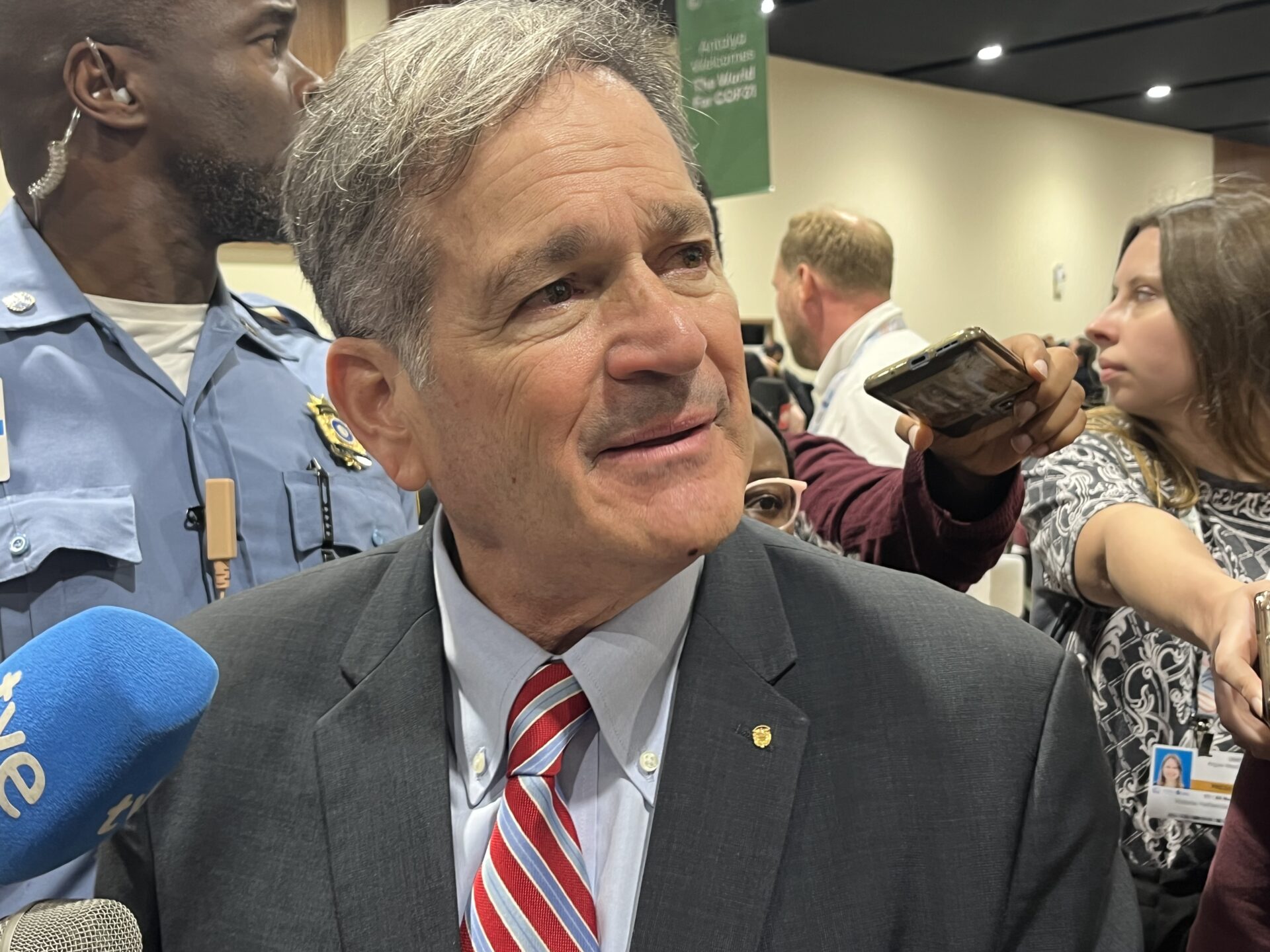
COP decisions need consensus, so even one country can block a deal. Tiny Panama has threatened to do so unless its demands, including a cap on oil production, are met.
“They are beautiful speeches,” Juan Carlos Navarro, Panama’s Environment Minister, wrote to the two presidents. “But while we listen to endless oratory, the planet is being destroyed.”
Image Credits: © UN Climate Change – Kiara Worth, UNICEF/Laxmi Prasad Ngakhusi, Chetan Bhattacharji, The White House , E. Fletcher/Health Policy Watch , Climate Action Tracker, E. Fletcher/Health Policy Watch.
Combat the infodemic in health information and support health policy reporting from the global South. Our growing network of journalists in Africa, Asia, Geneva and New York connect the dots between regional realities and the big global debates, with evidence-based, open access news and analysis. To make a personal or organisational contribution click the donate button below.