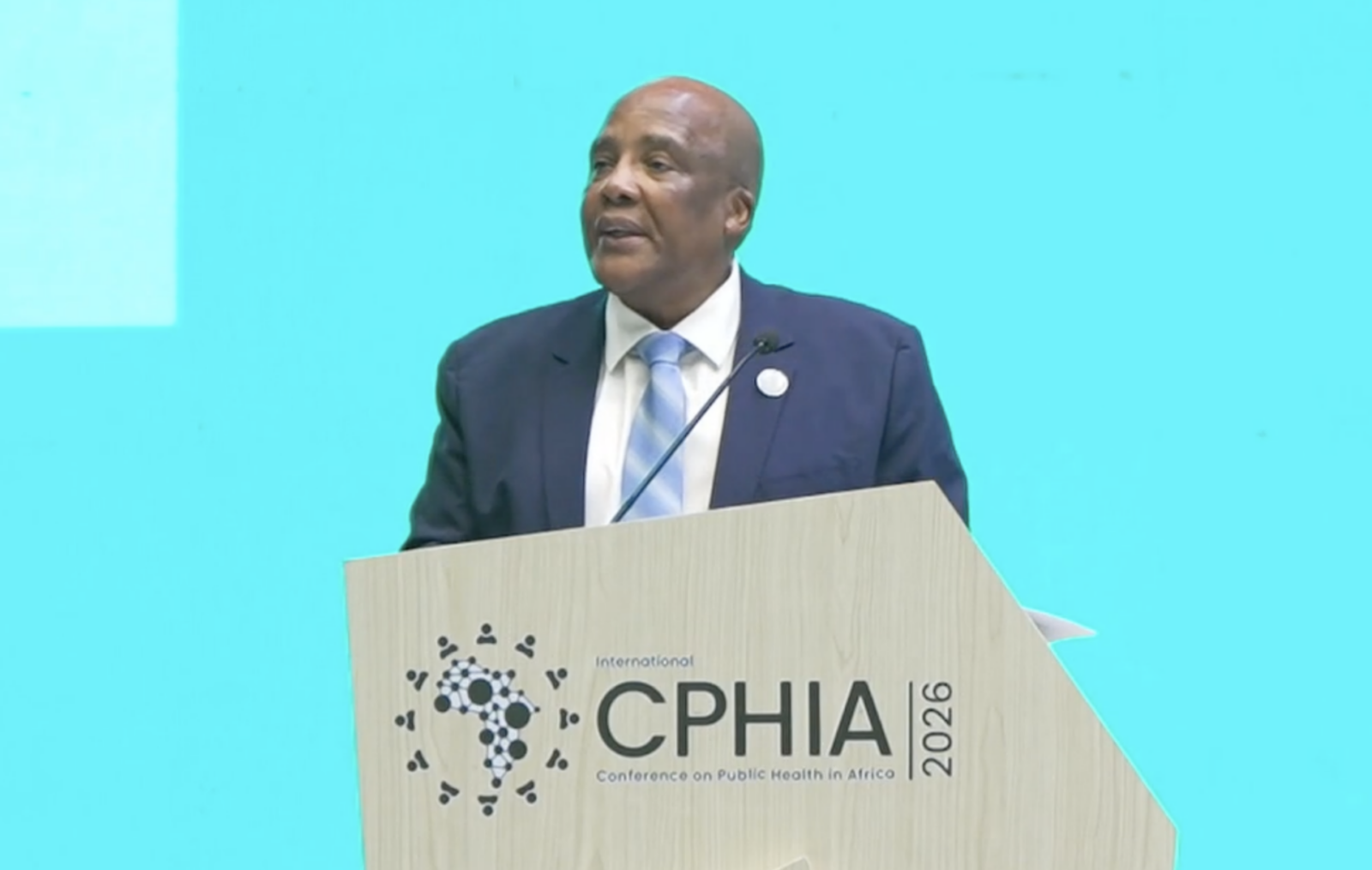
South African Health Minister Aaron Motsoaledi challenged African countries to move beyond talk of “local manufacturing” of medical products to committing to buying goods produced on the continent.
‘There’s a weakness in Africa where we don’t trade with each other. We trade more with other outside countries,” Motsoaledi told the Conference on Public Health in Africa (CPHIA) underway in Addis Ababa this week.
“We need functioning African markets, pooled procurement, regulatory convergence, technology transfer, and long-term purchasing commitment that make African production commercially viable and sustainable,” he added.
He relayed the story of South Africa’s pharmaceutical manufacturer, Aspen, securing the right to produce the Johnson & Johnson COVID-19 vaccine during the pandemic, only to find there were no buyers.
“That venture collapsed because there were simply no markets at all,” said Motsoaledi.
More recently, Gilead had given voluntary licenses to six companies to make lenacapavir, the injection that prevents almost all HIV infections. But not one license went to companies in sub-Saharan Africa, the region worst affected by HIV, said Motsoaledi.
His government complained to Gilead and the company was receptive to South Africa proposing local companies to get licenses too, said Motsoaledi, adding that the names of three have been given to Gilead.
“But we know that without a market, this means nothing,” said Motsoaledi, adding that Southern African Development Community (SADC) member states have since committed to buying lenacapavir produced in the region.
“But it can’t be a one-way ticket. Obviously, another country within Africa will produce something else. We all need to go and support them.”
Mitigating dwindling donor cash
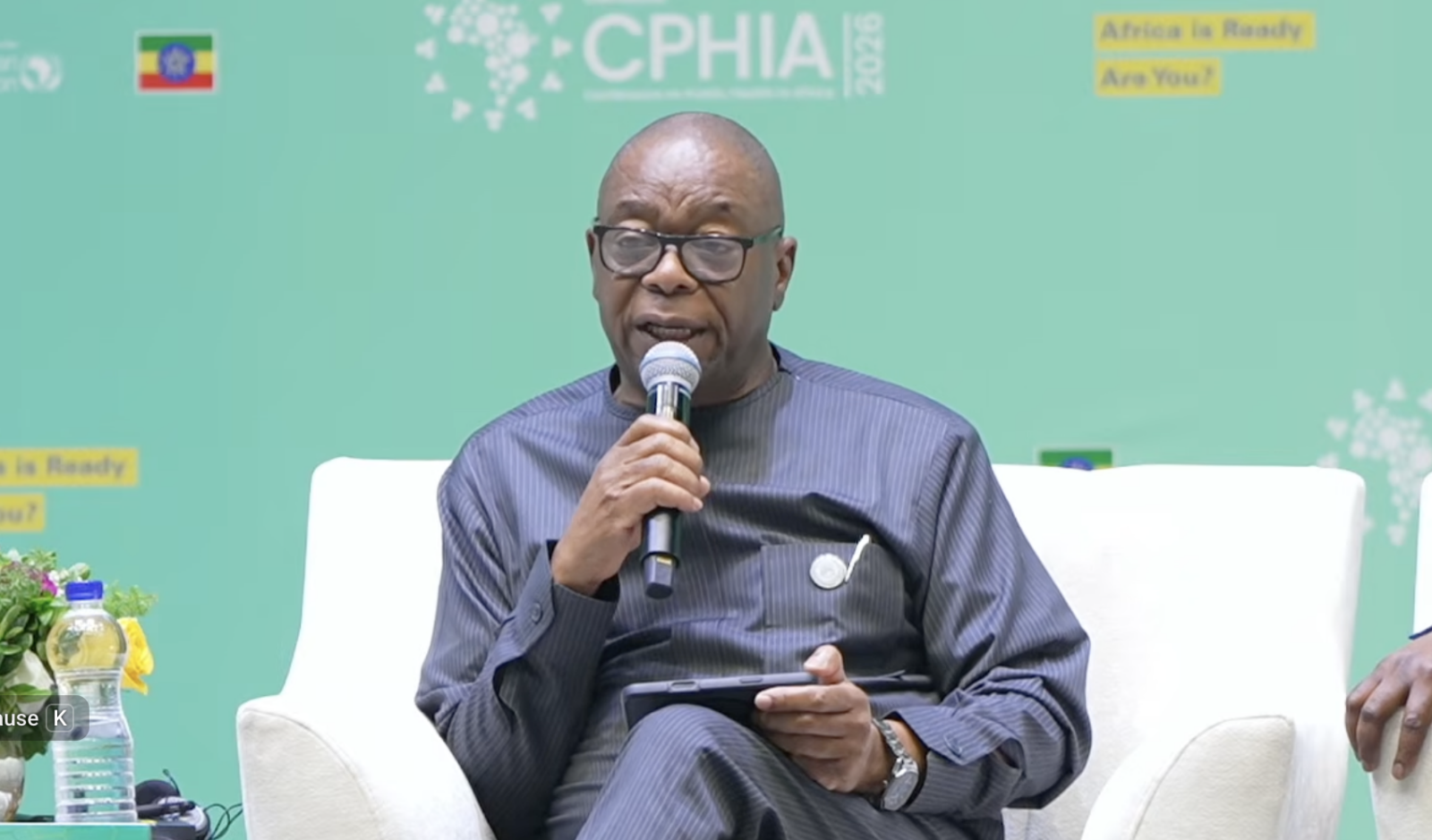
Several CPHIA sessions on Tuesday dealt with the reform of the global health “architecture” and health sovereignty – particularly with dwindling official development assistance (ODA).
“Historically, Zimbabwe’s health system has relied heavily on external development assistance, alongside government budgets and out-of-pocket payments,” said the country’s Health Minister, Dr Douglas Mombeshora.
In response to the global decline in donor support, and the lessons of COVID-19 pandemic, the country was focused on “domestic resource mobilisation and greater efficiency”.
Mombeshora said that the country had set up an AIDS Levy in 1999 to help finance its HIV response, and is working on rolling out national health insurance (called the National Healthcare Provision Programme).
“We also have earmarked ‘sin taxes’ like the sugar tax, airtime levies, and road accident fund to complement financing,” he said.
“The government has pledged to raise domestic health spending to at least 15% of the national budget, and to create 32,000 new health worker posts by 2030 to address staffing shortages and changing disease burden.
“Between 2025 and 2026, we have already employed about 14,000 health workers, and we have absorbed more than 1000 health workers who were made redundant by the withdrawal of US government funding,” said Mombeshora.
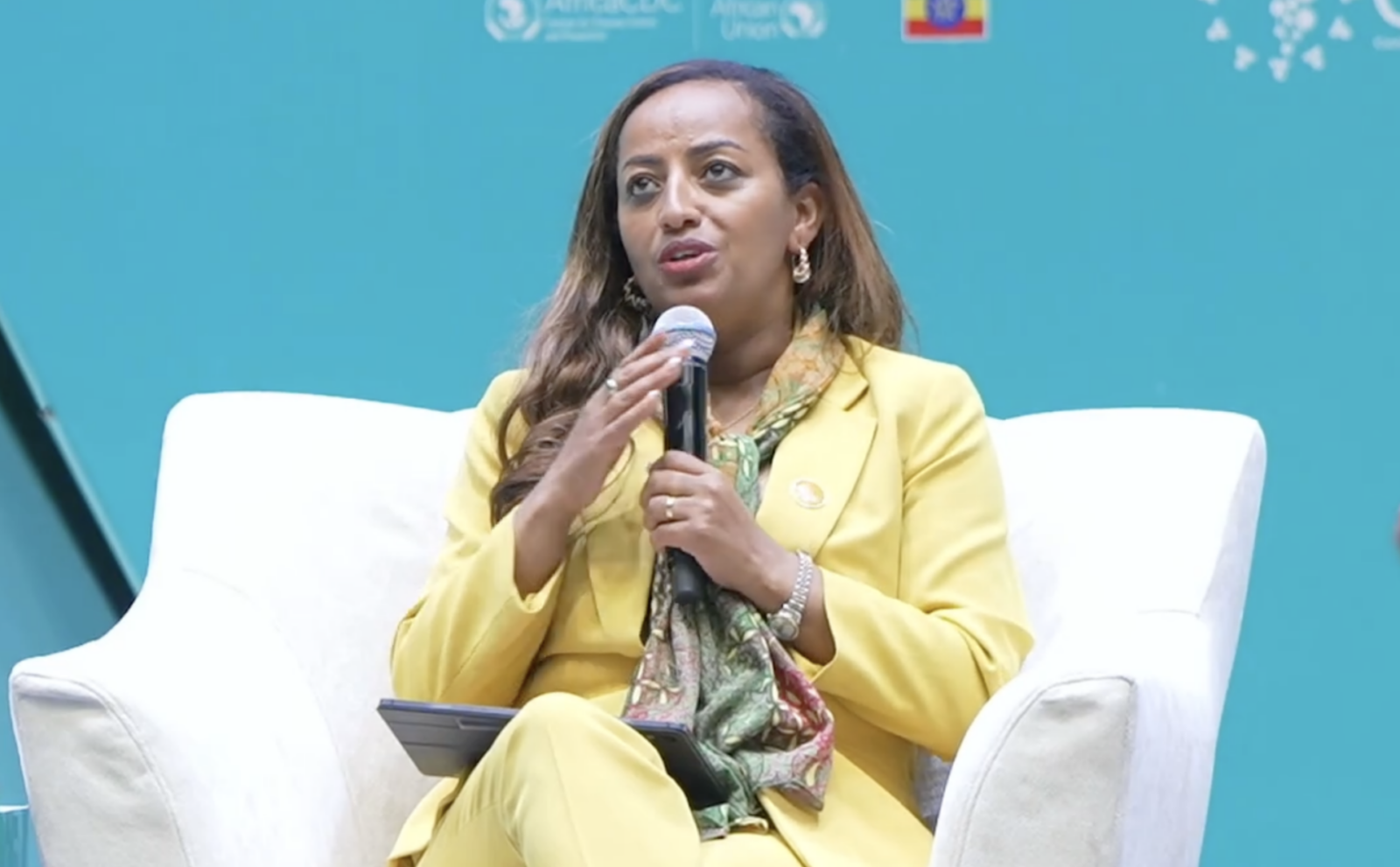
Ethiopia’s Health Minister, Dr Mekdes Daba, said her country was mitigating the flight of aid via a “health sector development investment plan”, which maps and quantifies the financial gaps.
A decade ago, only a quarter of Ethiopia’s healthcare was covered by the government, and this has since jumped to half – meaning a doubling of the government’s investment in 10 years.
“We have a plan, we have a strategy, we have an investment capacity, but also we have a fiscal space that’s short for several reasons,” Mekdes added, pointing to debt and the unexpected shift in ODA support.
Other speakers proposed development-bank financing including low-interest loans, and efficiency measures to address an estimated 30–40% of resources lost through fragmentation, duplication or transition costs.
Global Fund, Gavi and country transition
The Global Fund for Fight AIDS, Tuberculosis and Malaria is committed to working with countries to develop a “more self-reliant, resilient system of health, with countries absolutely at the centre and in the lead”, said Peter Sands, the outgoing executive director..
It is helping “an unprecedented number of countries” to transition away from its support, he added.
“We’re doing a lot of work on collaborative procurement,” said Sands, adding that the Fund is trying to get beyond rhetoric to decide “which aspects of procurement and market shaping work best at a national level, which work best at a regional level, and where is there still a role for the global part?
“And we’re also doing a huge amount of work with country partners on the nuts and bolts of public financial management, because as countries take more responsibility on the path to health sovereignty, the the financial plumbing – and I say this as a banker – becomes all the more important to ensure that the money is well controlled, reported, and we maximise the value from every dollar,” said Sands.
Sands added that there needs to be “structural change”, including “mergers and closure of institutions” to give effect to meaningful global change.
“We need to constantly come back to what is the real test of the success of any reform agenda, which is what difference does it make to outcomes? Are we saving more lives? Are we reducing infections? Are we making the health systems actually more effective in ensuring the health and well-being of the people that collectively we are all trying to solve?”
‘Preserve what works’
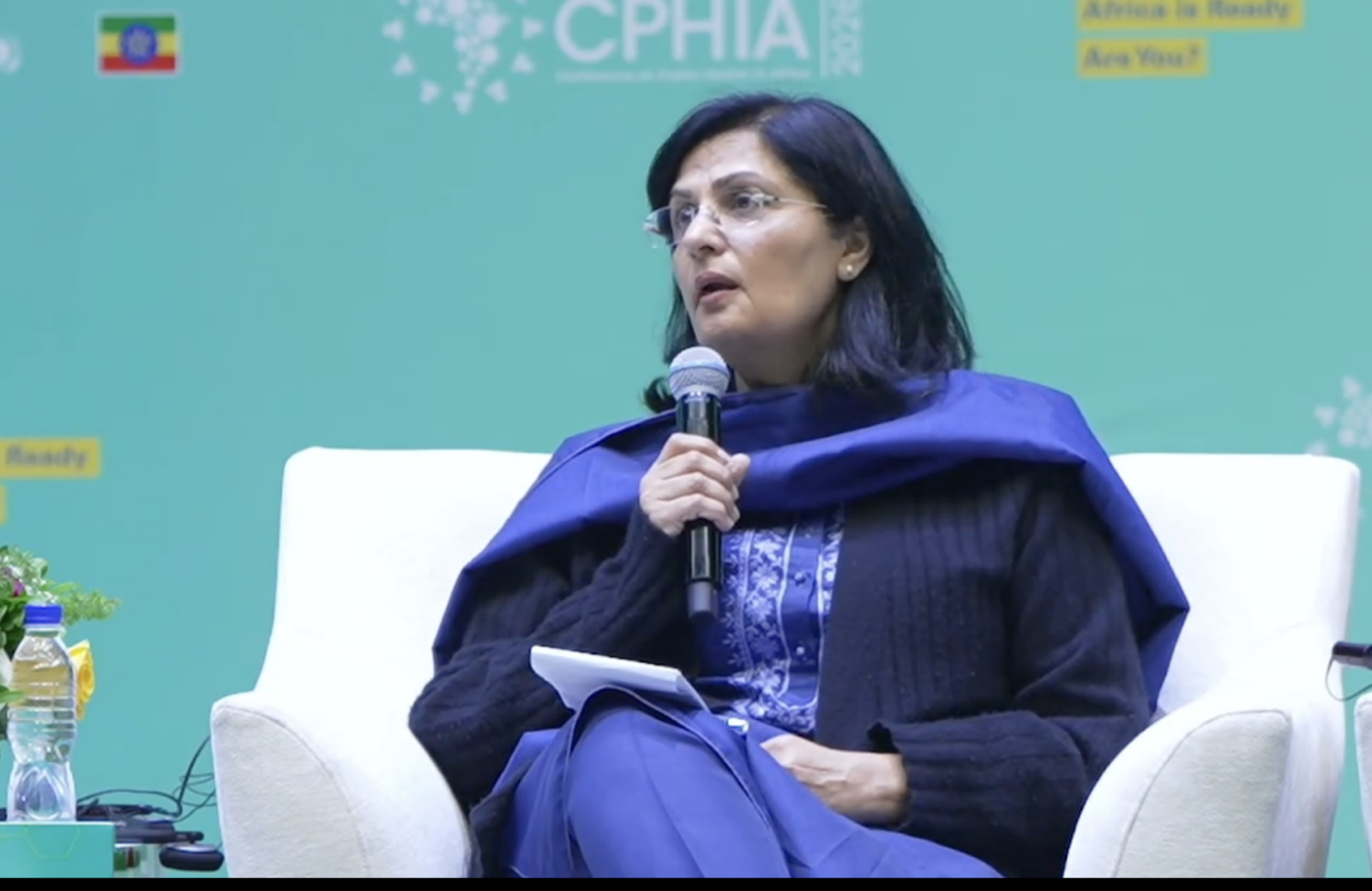
Gavi CEO Dr Sania Nishtar said that, while there is “fragmentation and duplication and burgeoning of [global health] agencies”, the existing global health architecture has delivered “dramatic declines in child mortality, maternal mortality, HIV, AIDS, tuberculosis, and malaria”.
“What’s important is that we preserve what works, change what doesn’t work, and then talk about missing capabilities,” Nishtar stressed, pointing to “fragility rising everywhere”.
She said African countries want more self-sufficiency and sovereignty when it comes to the production of all countermeasures and medicines, and for development systems to be aligned behind their plans and policies, “and that is exactly how things ought to be”.
Instead of health ministers having to deal with “60 to 70 agencies”, each “well-intentioned” but with onerous requirements, “it’s far better for everybody to align behind national plans and national indicators and national frameworks”, said Nishtar, a former health minister in Pakistan.
“In this entire discourse on global health architecture reform, that is the number one thing that we should try to solve,” she said.
Gavi’s own reform process – Gavi Leap – has “radically simplified our processes” and is “incrementally devolving decision-making” to countries, along with supporting the African Vaccine Manufacturing Accelerator to drive continental self-sufficiency in vaccine manufacturing, concluded Nishtar.
Combat the infodemic in health information and support health policy reporting from the global South. Our growing network of journalists in Africa, Asia, Geneva and New York connect the dots between regional realities and the big global debates, with evidence-based, open access news and analysis. To make a personal or organisational contribution click the donate button below.