
A coalition of senior medical professors and anti-corruption watchdogs from Indonesia has formally petitioned the World Health Organization’s Executive Board to reject Indonesian Health Minister Budi Gunadi Sadikin’s candidacy for Director-General.
As Health Minister since 2020, Sadikin has pursued “a pattern of actions that have marginalized or penalized physicians, academics and health professionals who expressed legitimate criticism of government health policies,” the group alleged in a 12-page dossier dated 4 November, and obtained by Health Policy Watch. The seven point appeal, also alleges that under Sadikin’s governance, Indonesia has seen:
- “The weakening of the independence of scientific and professional medical bodies;”
- “Increasing centralization and commercialization of the health system;”
- “Erosion of meaningful stakeholder participation;”
- “Serious concerns regarding the governance, oversight, transparency and benefit-sharing arrangements surrounding collection and use of genomic data;” and
- “Policies that have contributed to widening health inequities.”
The coalition concluded that “Sadikin is not an appropriate candidate to lead the World Health Organization,” arguing his domestic governance record violates basic principles of scientific independence and administrative transparency.
The appeal, delivered to all WHO Executive Board members and Geneva diplomatic missions by the Coalition for Health Justice (Koalisi Keadilan Kesehatan), which includes a dozen civil society organizations and academic bodies, marks the first grassroots challenge to an official nominee seeking to succeed Dr Tedros Adhanom Ghebreyesus.
Signatories include the Council of Professors of Medicine of Indonesia (MGBKI), Transparency International Indonesia, Indonesia Corruption Watch, the Center of Economic and Law Studies (Celios), and BPJS Watch.
The dossier was also sent to Indonesian President Prabowo Subianto, parliamentary leaders, the National Human Rights Commission, and the UN Special Rapporteur on the Right to Health.
Contacted by Health Policy Watch on Tuesday for a comment on the allegations, the Indonesian Ministry of Health and the Permanent Mission of Indonesia in Geneva did not respond.
Sadikin’s campaign also declined to respond by Wednesday’s publication deadline, saying that they would deliver a reply by Thursday – which Health Policy Watch will print in full, once it is made available.
Diplomatic push meets domestic headwinds
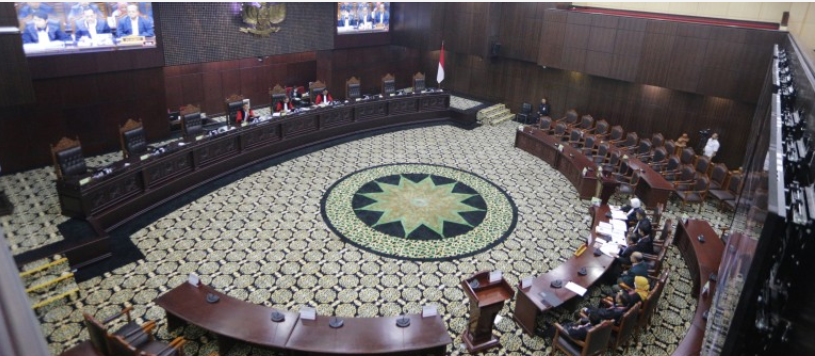
Much of the domestic pushback to Sadikin’s candidacy lies in a 2023 omnibus health law championed by Sadikin, under which key training, competency, and ethics standards previously managed by independent medical, nursing, and health worker associations were placed under a Health Ministry-backed Health Council and thus government oversight.
The move triggered fierce resistance from the country’s medical establishment, sparking a protracted constitutional battle.
“The government, through the leadership of the current minister, has moved into controlling professional ethics and standards,” said Dr Teddy Prasetyono, a plastic surgeon and member of the Council of Professors of Medicine of Indonesia (MGBKI). Prasetyono, a lead signatory to the petition, and several other coalition members spoke with Health Policy Watch on Wednesday.

“This is one of the most alarming policies we have ever faced, where disciplinary actions and ethical oversight that belong exclusively to independent professional societies have been taken over by the state.”
Meanwhile, a court-mandated deadline for the government to dismantle key elements of the centralised regulatory apparatus expires in late January 2027, coinciding directly with the WHO Executive Board’s candidate shortlisting session in Geneva
In rulings issued on 30 January 2026, Indonesia’s Constitutional Court held that the Collegia, the academic bodies that set specialist competency and training standards, must carry out their role independently. The court also ruled that the Indonesian Health Council should remain independent, answering only to the President, rather than to the Health Minister.
It also limited the Minister’s role in setting professional standards to administrative sign-off. That reversed many elements of the 2023 reform that Sadikin had led.
Still a formidable contender
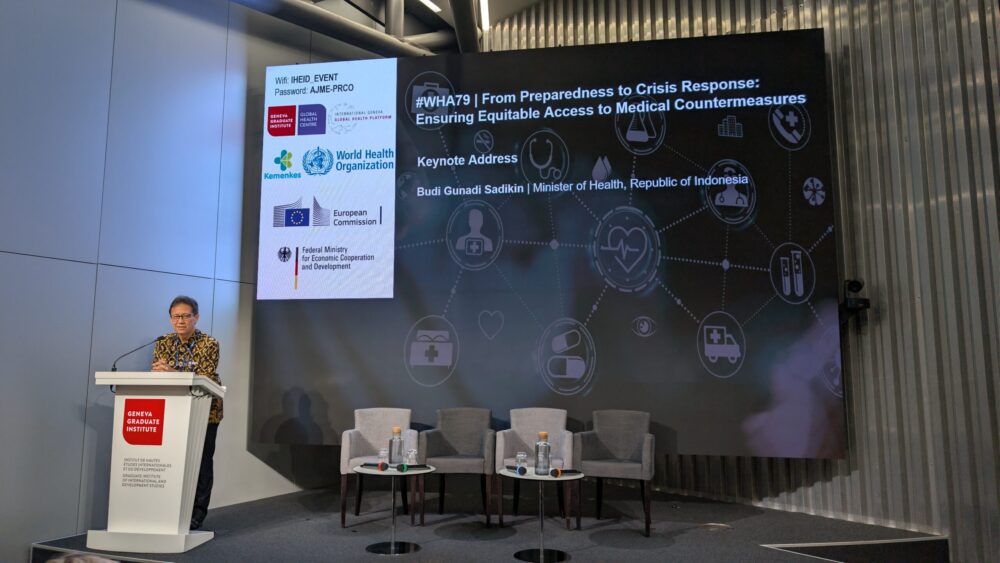
Sadikin remains a formidable contender backed by the support of the Indonesian state, and bolstered by major administrative achievements.
According to some reports, Indonesian President Prabowo Subianto personally asked him to run. Subianto himself is, however, currently facing a wave of criticism over his management of the air pollution emergency that has overcome the country and broader region over the past several months.
The Indonesian Chamber of Commerce also has reportedly mobilized to campaign for the candidacy of Sadikin – a former CEO in Indonesia’s largest bank.
During his tenure as health minister, Sadikin directed the distribution of 453 million COVID-19 vaccine doses, oversaw a reduction in childhood stunting from 24.4% in 2021 to 19.8% in 2024, and helped establish the Financial Intermediary Fund for Pandemic Prevention, Preparedness and Response, hosted by the World Bank. He is also one of the four co-chairs of the Accra Reset’s High-Level Panel on global health architecture, an initiative led by Ghana’s President John Mahama to give Global South governments a greater say in how global health is governed and financed.
Jakarta has also recently increased voluntary contributions to the WHO, pledging $30 million in additional funding to the budget-strapped organization in July, a move celebrated by current WHO Director General Tedros Adhanom Ghebreyesus.
Unfolding environmental health disaster
Sadikin’s campaign is also unfolding against domestic and regional public backlash over Jakarta’s weak environmental health response to a months-long emergency.
Toxic haze from wildfires in Sumatra and Borneo, driven by slash-and-burn deforestation to make way for farming, has spurred an epidemic of acute respiratory illness in the archipelago nation – with the haze spreading as far as Singapore and the Philippines.
The crisis has also added fuel to the fire of criticism from civil society over inadequate state protection for vulnerable populations.
In the months leading up to the wildfire crisis, Indonesia had also been wracked by spates of toxic air, including microplastics, wafting from burning landfills in a country where waste management is out of control. According to the UN, the country is the second-largest producer of mismanaged plastic waste after China.
While Sadikin, as health minister, advised Indonesians to wear masks during such air pollution emergencies, his campaign has had little to say about how he, as the world’s top health official, might address the tsunami of changes sweeping across low-income countries – from air pollution and climate change to ultra-processed foods – leaving an epidemic of chronic disease in their wake.
“As Health Minister, my job is to fix the downstream side at the end of the tunnel,” he told Health Policy Watch in an interview last month.
Court overturns doctor’s removal amid faculty revolt
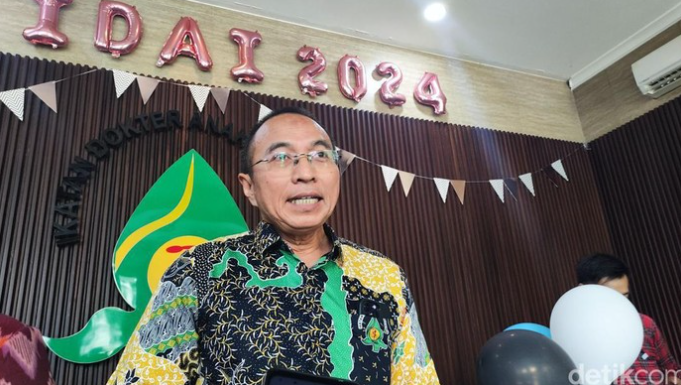
The coalition argues that member states must evaluate Sadikin’s administrative track-record alongside his lack of clinical credentials and contentious domestic methods that have landed the health ministry in the country’s highest courts over its treatment of dissenting medical leaders.
Senior clinicians and heads of professional associations report intense personal and professional pressure. In one such case, Dr Piprim Basarah Yanuarso, president of the Indonesian Paediatric Society, was reassigned by the Health Ministry from his post as paediatric cardiologist at Indonesia’s national referral hospital, Dr Cipto Mangunkusumo National General Hospital in Jakarta to Fatmawati General Hospital.
The transfer came after Yanuarso consistently opposed government moves to place the independent medical collegium under direct ministerial control. Yanuarso was then terminated after he refused to take up the new post.
The Indonesian Supreme Court later annulled the ministerial transfer decree in September. Government officials have argued, however, that the Supreme Court ruling applies only to the initial reassignment order, while Yanuarso’s subsequent civil service termination, due to 28 consecutive days of absence from the new post, still stands.
Coalition alleges broader pattern of retaliation
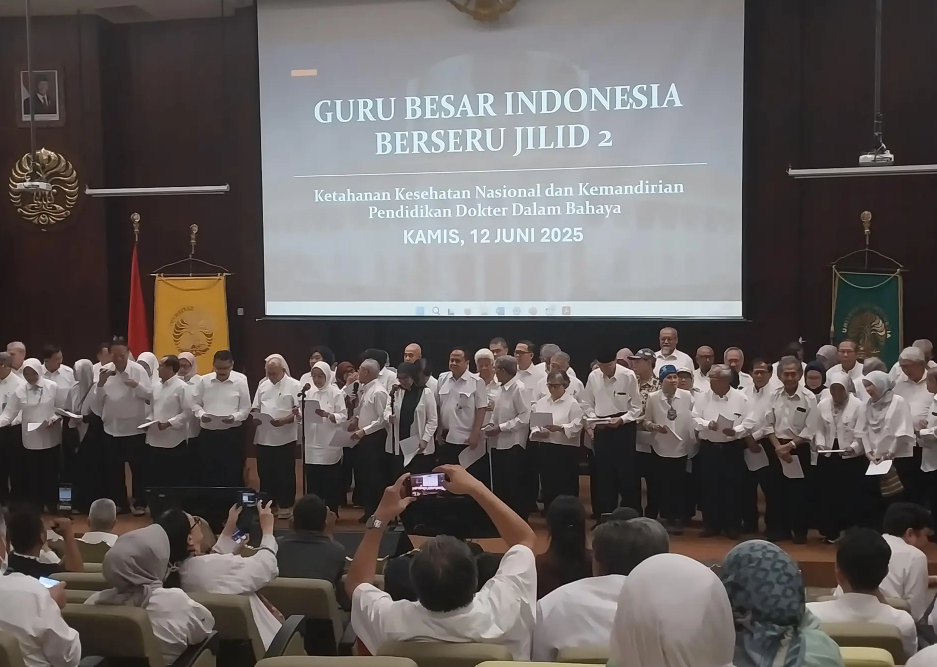
Yanuarso’s case reflects a broader pattern of government retaliation against medical professionals and other healthcare workers who have criticized Sadikin or the Ministry, coalition members argued in their interview with Health Policy Watch.
The country’s five leading professional associations – the Indonesian Medical Association (IDI), the Indonesian National Nurses Association (PPNI), the Indonesian Dental Association (PDGI), the Indonesian Midwives Association (IBI) and the Indonesian Pharmacists Association (IAI) – had fiercely opposed the 2023 reforms from the outset. In a collective challenge to the new law in Indonesia’s Constitutional Court, they contended that the omnibus law dismantled the country’s architecture of professional independence and self-regulation.
When the Constitutional Court upheld the initial legislation in early 2024, the legal battle shifted to fresh legal challenges against its provisions on medical councils and collegia and an escalating faculty rebellion.
The tensions escalated sharply in June 2025, when 372 medical professors issued a joint declaration of no confidence after Sadikin bypassed university faculties to launch hospital-based specialist training under ministry control.
The January 2026 Constitutional Court ruling was more favourable to the professional associations – preserving the independent role of the collegia to establish and oversee specialist competency and training standards. Health Ministry officials have meanwhile maintained that senior faculty had refused repeated invitations to resolve curriculum standards through dialogue.
Major professional associations stay on the sidelines
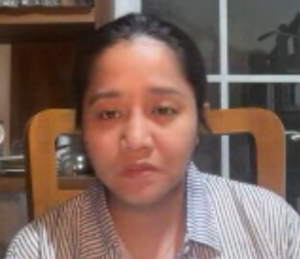
Notably, two frontline associations that led the 2023 constitutional challenge – the Indonesian Medical Association and the Indonesian National Nurses Association – did not sign the current appeal against Sadikin’s WHO candidacy.
Coalition leaders claim that established professional bodies have been cowed into silence after being stripped of many of their statutory authorities.
“We are fully aware that speaking publicly carries professional risks, especially for those working within the public healthcare system,” said Dr Puspita Wijayanti, a physician and coalition representative, in an interview with Health Policy Watch.
“But we believe that remaining silent carries a greater risk, particularly for patients and healthcare workers whose concerns are not being heard.”
Indonesia’s genomic initiative and Geneva’s pathogen access and benefit sharing
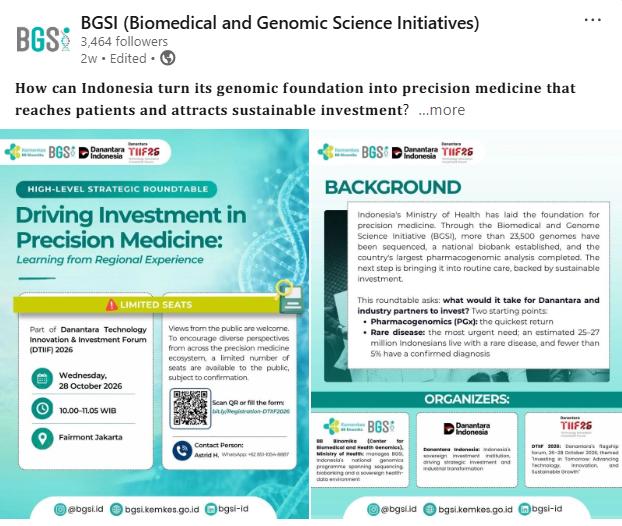
Beyond domestic courtroom battles, Sadikin’s opponents say their petition also has relevance to the negotiations underway in Geneva over the proposed Pathogen Access and Benefit Sharing (PABS) Annex to the WHO Pandemic Agreement, currently deadlocked in negotiations between developed and developing nations.
Under Sadikin’s tenure as Health Minister, Indonesia launched the Biomedical and Genome Science Initiative (BGSi). The mission aims to integrate genomic sequencing, biobanking, and clinical registries into routine public health and precision medicine across Indonesia.
However, his civil society critics argue that the initiative massively expanded genomic sample collection in collaboration with a number of multinational health and tech companies, without sufficient statutory guardrails governing data ownership or benefit-sharing from health products produced using the vast data repositories.
The companies collaborating in the initiative include BGI Group, a China-based genomics company, the UK-based Oxford Nanopore Technologies, a sequencing technology firm, G42 Healthcare, an Abu Dhabi-based AI and cloud health technology company, and the US-based gene-sequencing entity Illumina.
The Ministry of Health has in the past countered the criticism, stating that BGSi sequencing and analysis are carried out in Indonesia, that no samples are sent abroad, and that genomic data is stored in cooperation with the National Cyber and Crypto Agency (BSSN).
Commercial hospital targets draw fire
While Sadikin is being widely hailed as a financial expert capable of steering the WHO through stormy fiscal waters, the petition challenges his market-oriented approach to public health financing. A 2024 ministry directive imposed corporate performance metrics on public referral hospitals, requiring state facilities to develop revenue targets and generate a revenue surplus, where possible.
“His target was creating all the hospitals not for servicing the people’s health, but as revenue centres, forcing hospital directors to meet targeted incomes or face being fired. It is changing public hospitals into private businesses, using sick people as the objects of business,” said Zainal Muttaqin, a senior neurosurgeon and prominent coalition member whose hospital contract was terminated after criticising ministry policies, in Wednesday’s interview with Health Policy Watch.
Sadikin has defended the targets as fiscal pragmatism, arguing that private executive wards generate commercial revenue needed to cross-subsidise universal healthcare patients under the national insurance scheme (BPJS Kesehatan).
Patient advocacy groups counter that the push to commercialise public healthcare services has strained frontline care. The coalition cites the death of a patient following an eight-hour wait for an inpatient bed. At the time of that event, Sadikin publicly conceded he felt he had failed.
The dispute also extends to drug affordability. While Sadikin publicly acknowledged that domestic retail medicine prices run up to six times higher than international benchmarks, he said in June that prices could rise by 10% to 20% this year because of the weakened rupiah, the local currency.
The coalition argues these commercial policies, alongside broader lapses in emergency coordination, conflict directly with WHO’s foundational commitment to universal and equitable healthcare access.
Contest turns on two conflicting views of Sadikin’s tenure
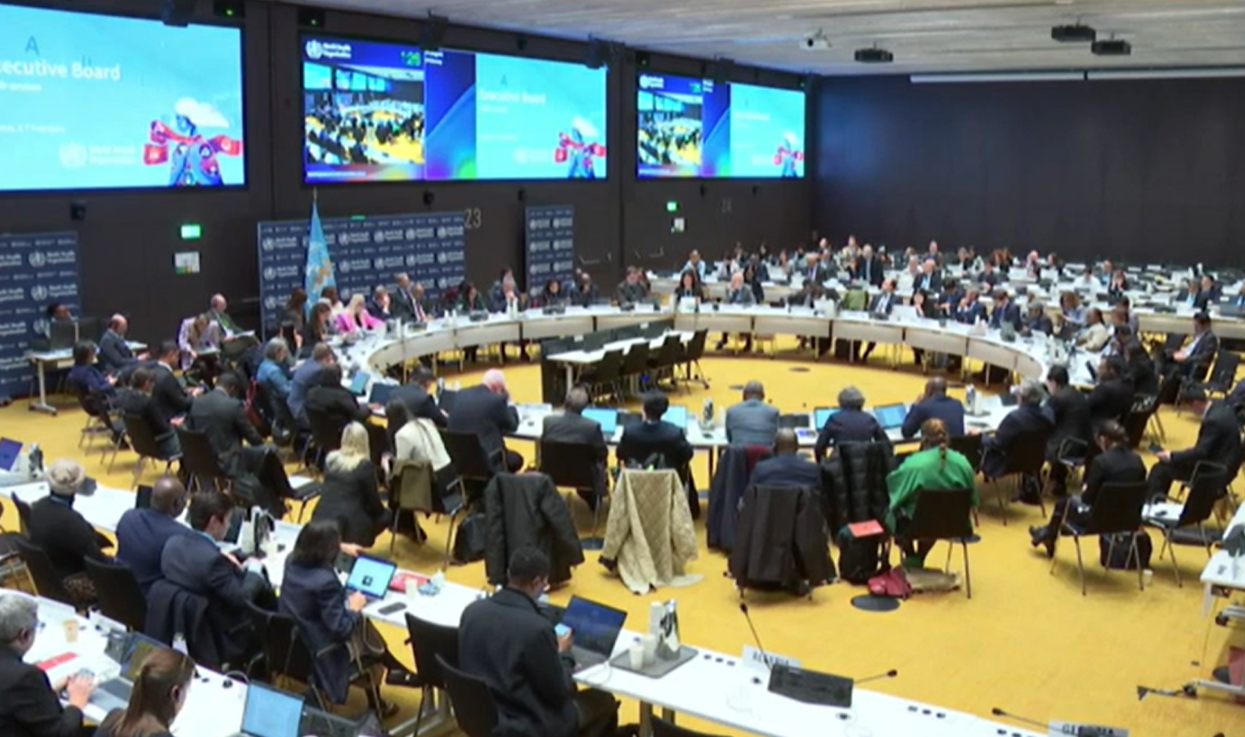
The civil society petition culminates in a direct challenge to Sadikin’s eligibility under WHO criteria, arguing his non-medical background and courtroom defeats disqualify him from global public health leadership. Sadikin has consistently dismissed that critique, pointing to his executive management of more than 100,000 personnel and his willingness to confront institutional resistance as proof of decisive capability.
Having received no formal acknowledgement from Jakarta or Geneva, the coalition confirmed to Health Policy Watch that it is escalating its campaign ahead of January.
Planned steps include lobbying foreign ambassadors in Jakarta, requesting an urgent intervention from the UN Special Rapporteur on the Right to Health, and appealing directly to Dr Tedros to press for institutional engagement – even though the Director-General holds no constitutional authority over the member-state-led election process.
“If frontline professionals are afraid to speak, policymakers will never hear where the system is failing,” Wijayanti emphasised. “A future WHO Director-General must be able to listen to the people who see the failures of a health system first: healthcare workers and their patients.”
Ultimately, the contest turns on two conflicting views of Sadikin’s tenure as health minister: a necessary disruption of an entrenched medical guild during a doctor shortage, or an executive overreach that alienated the health workforce.
“Whoever leads WHO next will inherit a global health agenda that cannot be delivered without a strong, valued health workforce,” Howard Catton, chief executive of the International Council of Nurses – which represents more than 30 million nurses worldwide – told Health Policy Watch.
Emphasising that frontline workers must be treated as “equal partners,” Catton warned that clinical trust requires “safeguarding professional ethics and ensuring health professionals can raise concerns about patient safety without fear of reprisal.”
For Board members reviewing Sadikin’s candidacy in January, the question is whether his executive track record represents decisive reform or a breach of the consultative leadership required of WHO’s top diplomat.
See more about the WHO DG election on our microsite:
Image Credits: WHO, Felix Sassmannshausen/HPW, MKRI/Ilham W.M./Indonesia Constitutional Court , Devandra Abi Prasetyo/Detikcom , LinkedIn/BGSI.
Combat the infodemic in health information and support health policy reporting from the global South. Our growing network of journalists in Africa, Asia, Geneva and New York connect the dots between regional realities and the big global debates, with evidence-based, open access news and analysis. To make a personal or organisational contribution click the donate button below.