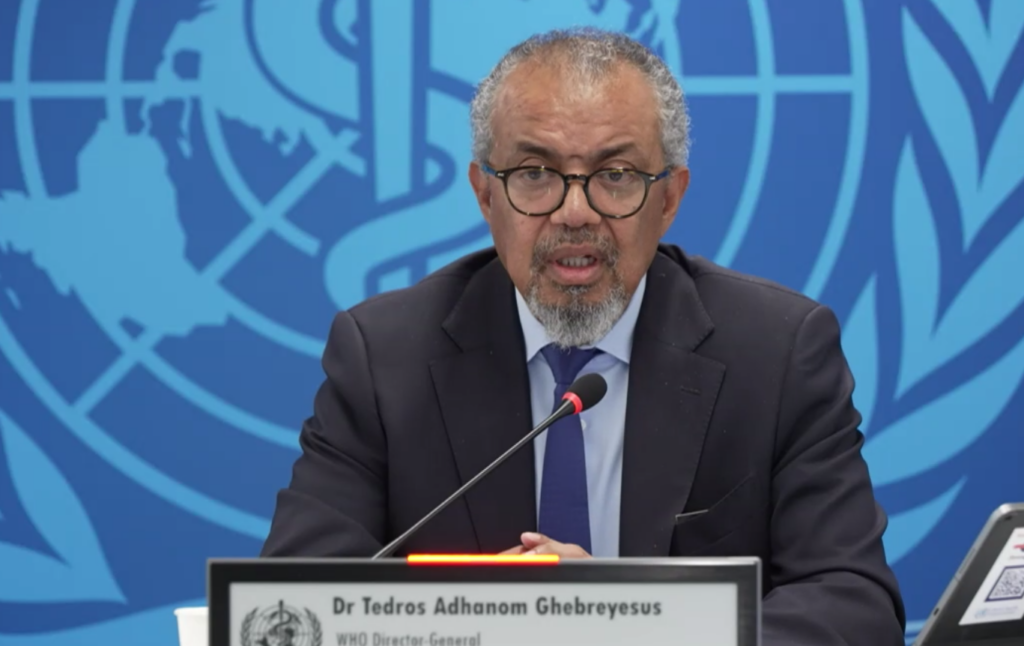
The World Health Organization’s estimate of the number of suspected, but as yet unconfirmed, cases of the deadly Ebola Bundibugyo virus has sharply declined from over 1000 a week ago to just 116 today, WHO on Wednesday.
That doesn’t mean that the tide has yet turned on the outbreak. But WHO officials sounded notes of cautious optimism about the surge response to the Democratic Republic of Congo’s isolated eastern region at a press briefing in Geneva. This, after a delayed start in a region besieged by conflict, displacement, poverty and inadequate health infrastructure.
“Although challenges remain in DRC – 344 cases have been confirmed, including 60 deaths in 24 health zones across three different provinces, Ituri, North Kivu, and South Kivu – the number of suspected cases has now been reduced to 116 from over 1000 last week, as we work through the backlog, either confirming them or ruling them out,” said Dr Tedros Adhanom Ghebreyesus, WHO Director General.
In addition, there is one confirmed death and 15 confirmed cases in Uganda and a US citizen who was infected in the DRC is still receiving care in Germany, said Tedros, who visited Bunia, nominal epicenter of the outbreak, over the weekend. Contact tracing is also underway with respect to a confirmed Ebola patient who traveled from DRC through the United Arab Emirates before being hospitalized in Uganda, Tedros added.
“The outbreak had a big head start, and we are still behind, but under the leadership of the government of DRC, we are catching up in Bunia,” Tedros declared, sounding the most positive note since he abruptly declared a Public Health Emergency of International Concern (PHEIC) on 17 May. “There are now three treatment centers with the capacity of 80 beds, and there are also treatment units in Mongbwalu, Rwampara, Beni, Goma and Bukavu, and more are on the way,” he said. NGOs, including Médicins sans Frontières, ALIMA and the faith-based group Samaritan’s Purse, are also deeply involved in the surge effort.
🔴 #Ebola en #RDC – Au 30 mai, 282 cas confirmés cumulés ont été recensés dans trois provinces : Ituri, Nord-Kivu et Sud-Kivu. L’Ituri reste l’épicentre de l’épidémie.
Nos équipes sont mobilisées à #Rwampara et #Bunia pour renforcer la prise en charge des patients, soutenir les… pic.twitter.com/uaIjX5Uwlu
— ALIMA (FR) (@ALIMAong) June 3, 2026
So far, six people have recovered in DRC, and two in Uganda, showing that people can survive Ebola if they have access to care, Tedros pointed out.
But very urgent challenges remain, including a big lag in contact tracing and testing, deep community mistrust, and persistent armed conflict in eastern DRC, as well as travel restrictions imposed from abroad.
In terms of contact tracing, only about 45% of contacts of infected Ebola patients in the eastern DRC regions where the outbreak began have so far been followed up: “And to get ahead of the outbreak, we need to get that number up to above 90% insecurity displacement and mobile populations make contact tracing especially difficult,” the WHO DG pointed out.
Testing scale up underway
One key challenge has been the lack of diagnostic test kits critical to contact tracing and filtering out suspected cases from confirmed ones. Even when kits have been available, there have been issues with the specificity of existing tests to detect the comparatively rare strain of Ebola Bundibugyo virus.
But as of next week, there should be expanded laboratory test capacity not only in Bunia but in four other towns and cities in the areas where the outbreak is concentrated, said Tedros.
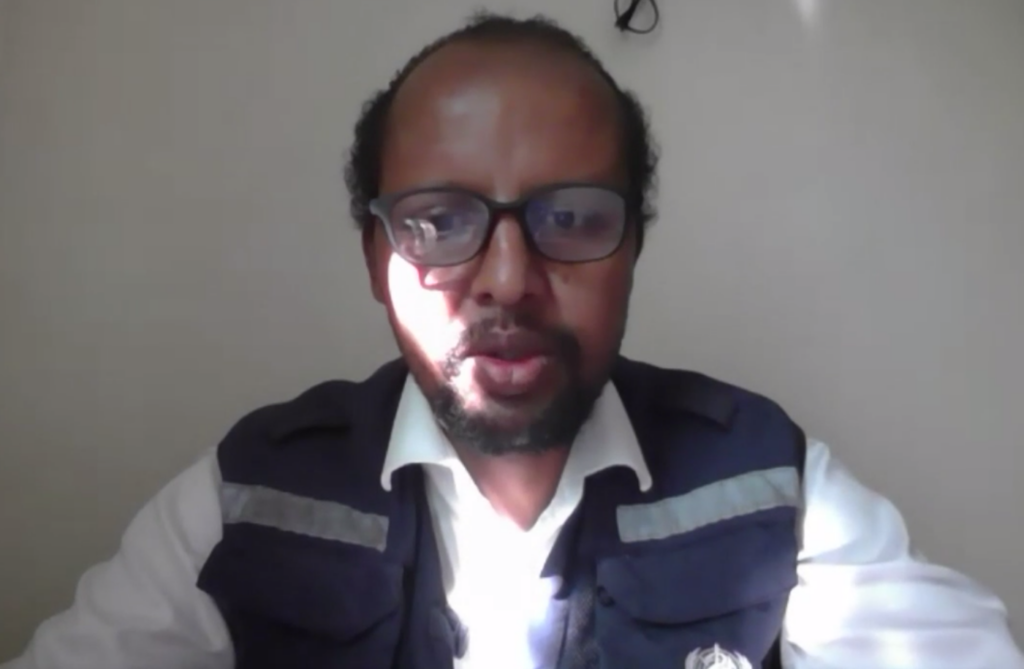
Those laboratories will have the ability to process up to 1000 tests a day, opening the door for a dramatic scale-up, said WHO’s Abdi Rahman Mahamud, the Director of Health Emergency Alert and Response Operations.
That’s in comparison to the less than 1,500 tests undertaken in the weeks since the outbreak began in mid-May, he said.
“I think with the decentralization they will be able to do 1000 tests a day with the five labs that will be established by early next week….So, at this stage, with the support of Africa CDC, the scale up is on track.
Although laboratory capacity is being expanded, Mahamud did not elaborate more on how challenges related to supplies of needed test kits, poor specificity of available tests and long test turnaround times, are being addressed. Asked by Health Policy Watch to elaborate, WHO did not respond as of deadline.
Remove travel restrictions
Blanket travel restrictions “imposed by some countries” are another barrier, disrupting supply chains and slowing down response at times, Tedros complained, appealing to “countries that have imposed blanket travel restrictions to lift them.”
It was a thinly veiled reference to the United States which barred the entry of foreign nationals from DRC, Uganda and South Sudan shortly after the emergency was declared.
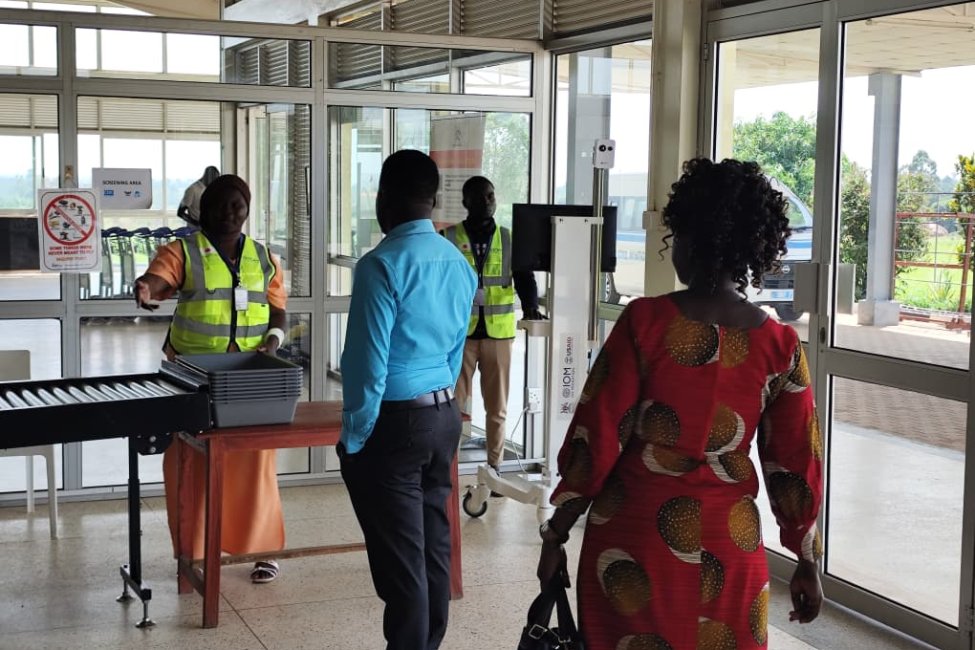
“WHO recommends exit screening at airports, ports, and border crossings to prevent exportation of cases and contacts,” Tedros said. But blanket restrictions hinder the fight against the epidemic, making any country with suspected cases more reluctant to report them to WHO and regional health authorities.
Related to this, DRC’s recent reinstatement of commercial flights between the capital, Kinshasa, and Bunia, however, is an important development, said WHO African Regional Director Mohamed Yakub Janabi, saying “this is already improving access, logistic, and continuity of the response.”
Community trust and root causes of the disease
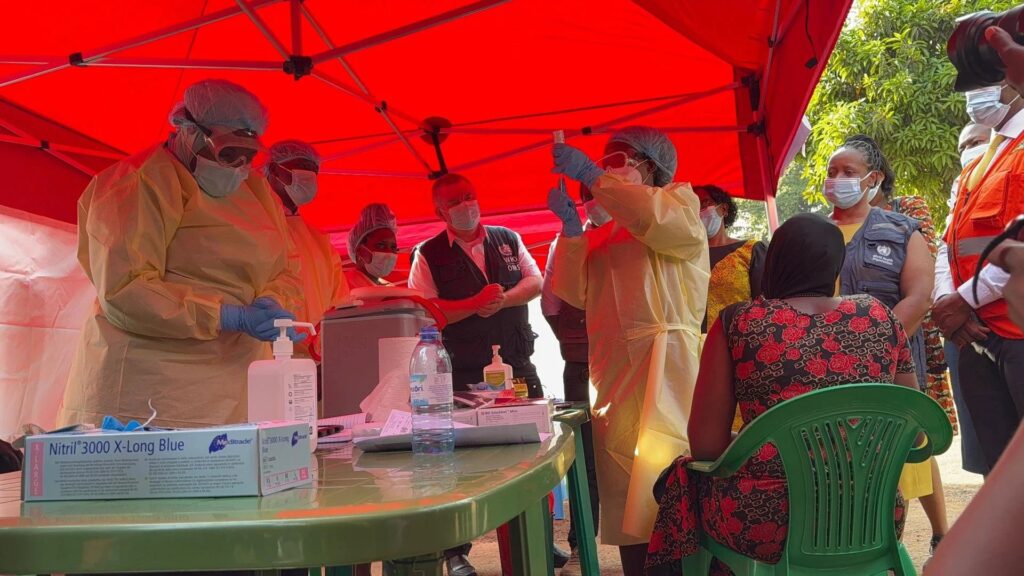
Building community trust is also central to controlling the Ebola outbreak, both Tedros and Janabi emphasized.
“When we spoke to communities, they told us that Ebola is not real, it doesn’t exist. That it is something fabricated by foreign forces. And others believe it may be related to poison, and so on. The community’s mistrust is high, remarked Tedros, recalling his recent visit to Bunia.
More fundamentally, there needs to be a reformation around practices related to bushmeat hunting, handling and consumption, added Janabi.
“Where does Ebola come from? It comes from the animals. It’s a zoonotic disease, so we have to start to think about talking with the indigenous people, for whom one of the delicacies is the wild animals, the fruit bats,” Janabi said.
“How can we start the process of discussing with them how to handle these things? How to handle the animals and the bats is very crucial.”
A rare form of Ebola virus
Then, there are the peculiarities of the virus itself; Bundibugyo is a rare Ebola strain that was only discovered 19 years ago. And since it was discovered, there have only been two outbreaks. The first one was in 2007 the first ever, and then the second was in 2012.
“So the test kit was not optimized for this rare type of the virus. And although we have candidate vaccines and treatments, there are no approved vaccines and treatments,” said Tedros.
WHO, Africa CDC and other partners are now trying to jumpstart R&D into Bundibugyo-specific vaccines. See related story:
Three Ebola Vaccine Candidates Fast-tracked, as Kenya Refuses US Quarantine Facility
But clinical trials of promising treatments may in fact happen more quickly.
Two leading treatment candidates include MBP 134, a “pan Ebola” monoclonal antibody cocktail and Remdesivir.
Unlike current FDA-approved treatments tailored to just the Zaire ebolavirus, MBP-134, developed by Mapp Biopharmaceutical is designed to protect against multiple lethal Ebolavirus species, including Sudan, Bundibugyo, and Zaire.
“We’re not waiting for the vaccines,” one WHO official said, noting that protocols for trials of the treatments have already been approved by the DRC authorities.
And conflict ….
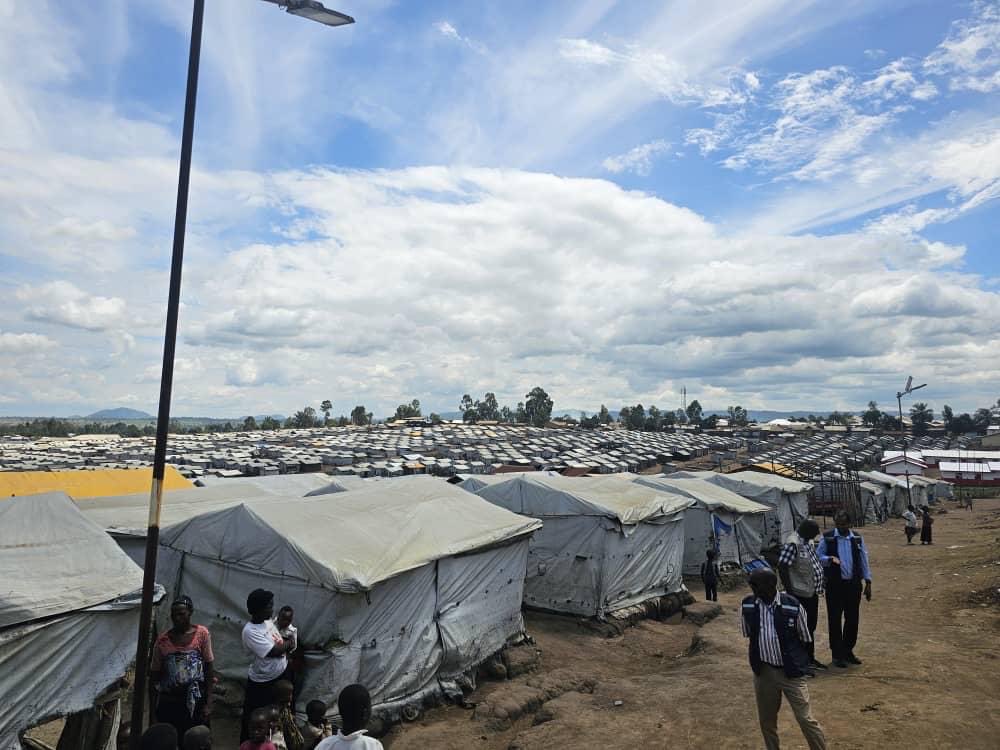
At the same time, that vaccines and treatments are being advanced, the active armed conflict ongoing in Ituri province is feeding the virus transmission, with more doses of displacement, poverty and instability.
While WHO is primarily working with the DRC government, the many armed groups operating in the eastern DRC exacerbate chronic instability. And the latest advances of the Rwanda-backed M23 militia into North and South Kivu provinces, including taking over the border city of Goma last year, have triggered the biggest wave of displacement seen in over a decade.
“Close to a million people are already displaced, but in the last few months alone more than 100,000” Tedros noted, “The mobility, as well, has increased the complexity [of the response], along with hunger because of the chronic insecurity that prevents people from earning livelihoods.”
Money and ‘Magic’
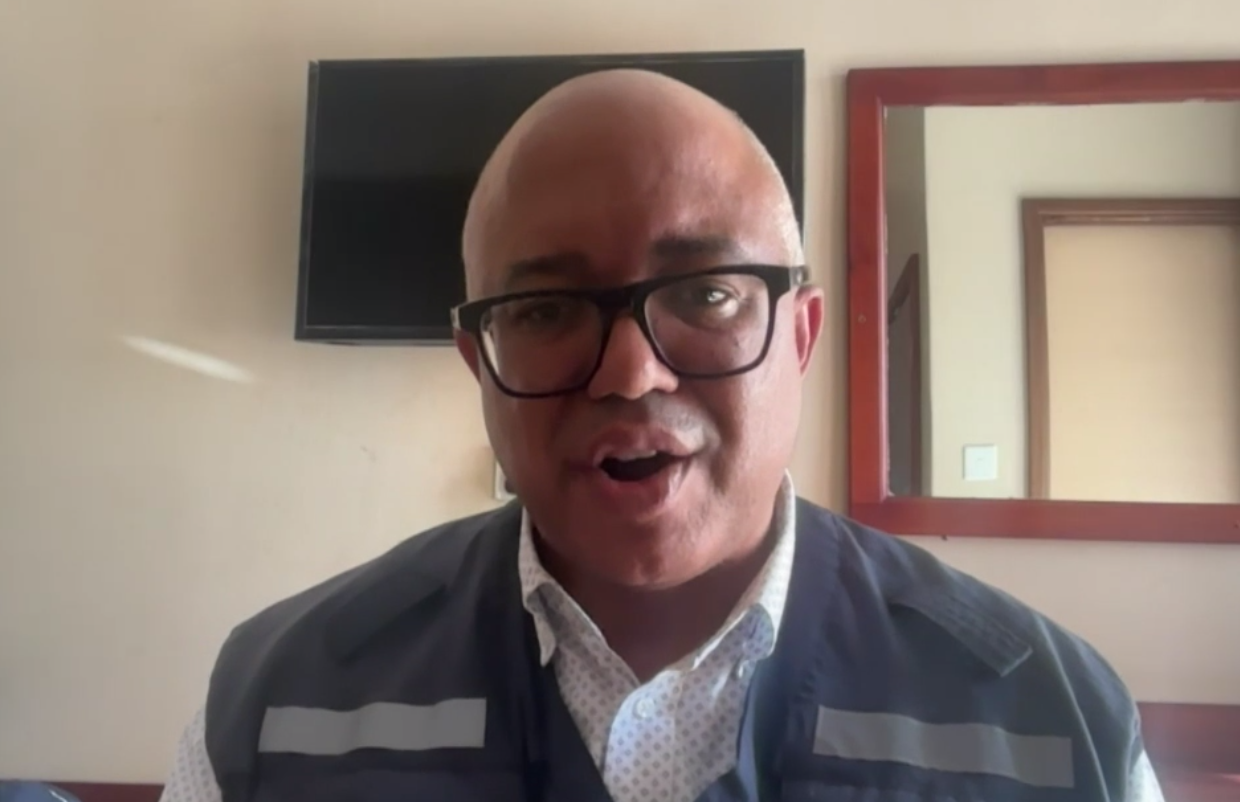
In a time of declining donor contributions, financing the response remains a big challenge as well, said WHO’s Chikwe Ihekweazu, Assistant Director-General for Health Emergency Intelligence and Surveillance Systems.
He said that WHO would launch on Friday a $115 million emergency appeal for Ebola response, together with Africa Centers for Disease Control, other African partners, DRC and Uganda.
“But it’s part of a much bigger requirement for the total response,” Ihekweazu added. “We are only 35% funded at the moment for this initial period, and considering the scale of the outbreak, we estimate we will need a lot more for the duration of the response.”
Yet despite all the financial, logistical and community-based barriers on the way, the surge in personnel and materials seems to be showing results, said Ihekweazu, speaking from Bunia.
“The DG has clearly outlined the complexities of the context,” he observed. “But a response is growing. It’s magic happening, when you see a treatment center being born out of a derelict site, colleagues working together, not only to provide treatment, but to provide water, hygiene, ….food, bringing hope back to communities.
“The energy is growing, the community is growing. We’re cleaning out our list [of suspected cases], like you see. Yes, the numbers are changing. But in next few days we will have clean data to share with the world on what is happening every single day.
“So I just want to leave with a message of hope of the growing collection of effort and energy, in solidarity with the government and people of the Democratic Republic of Congo…. to share with you the thoughts of the hundreds of us in Bunia right now supporting the response.”
Image Credits: IOM , X/@murungi_rita , X/@DrTedros.
Combat the infodemic in health information and support health policy reporting from the global South. Our growing network of journalists in Africa, Asia, Geneva and New York connect the dots between regional realities and the big global debates, with evidence-based, open access news and analysis. To make a personal or organisational contribution click the donate button below.