The SEAHEARTS initiative in WHO’s South-East Asia Region offers an outstanding example of how we can build health systems that address diabetes and other related conditions – worth special attention on World Diabetes Day, as we grapple with the growing number of people worldwide living with the condition.
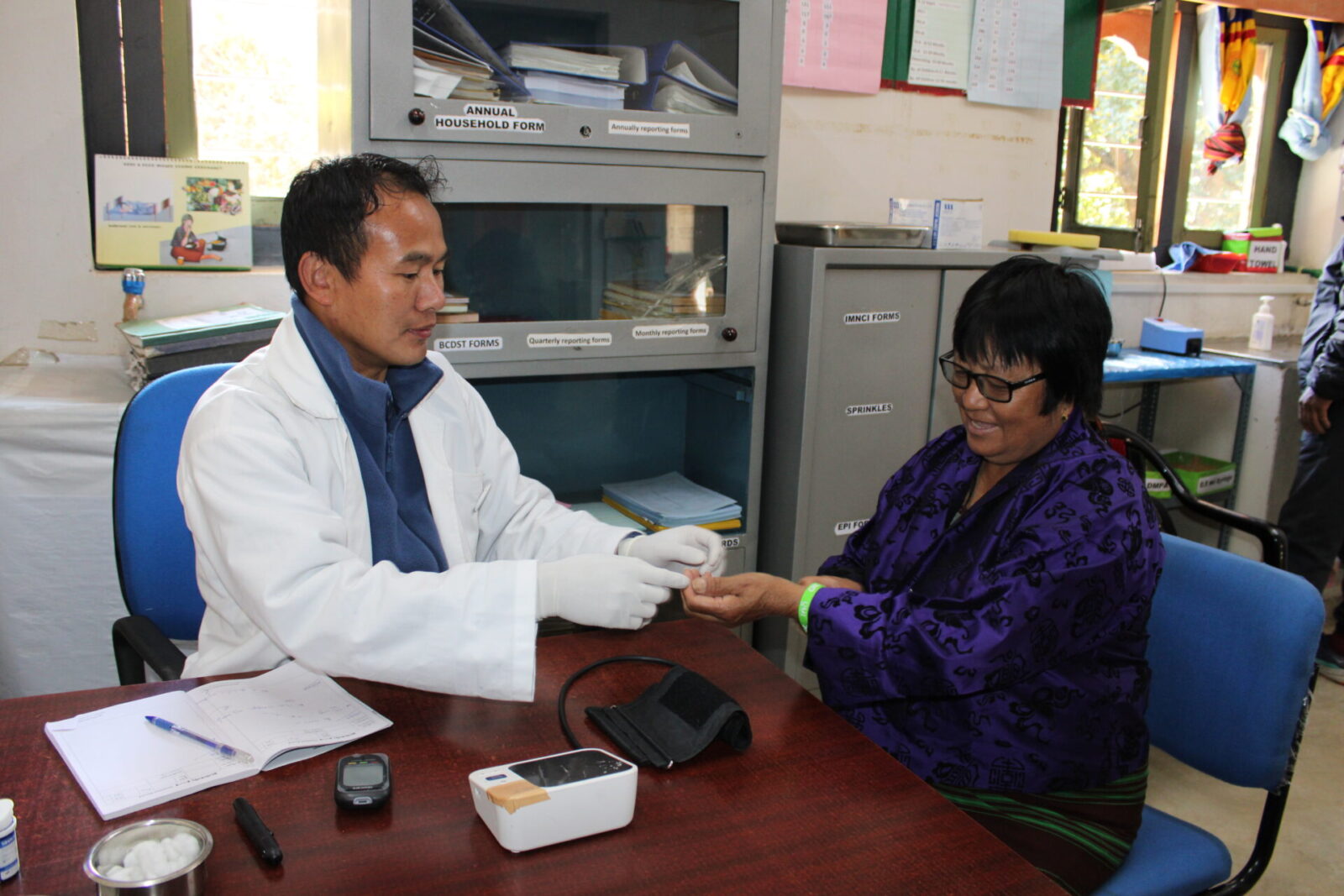
When 64-year-old Wangmo from Pemagatshel District in Bhutan accompanied her mother to a primary health care centre for a routine blood sugar check, she did not expect the visit to change her own life.
Offered diabetes screening under Bhutan’s new ‘Services with Care and Compassion’ initiative, she discovered that her blood glucose levels were elevated, despite feeling perfectly healthy. Early diagnosis enabled her to receive counselling, treatment and regular follow-up before serious complications could develop.
Her experience reflects a shift that health systems urgently need to make: from waiting for people to become ill to identifying risks early and bringing preventive care closer to communities.
On World Diabetes Day, global conversation often turns to the growing number of people living with diabetes and the need to improve access to early diagnosis and treatment. But a larger public health challenge deserves equal attention: how do we build health systems that prevent diabetes and cardiovascular diseases (CVDs), detect them early and ensure people receive sustained, quality care?
Touching the lives of hundreds of millions
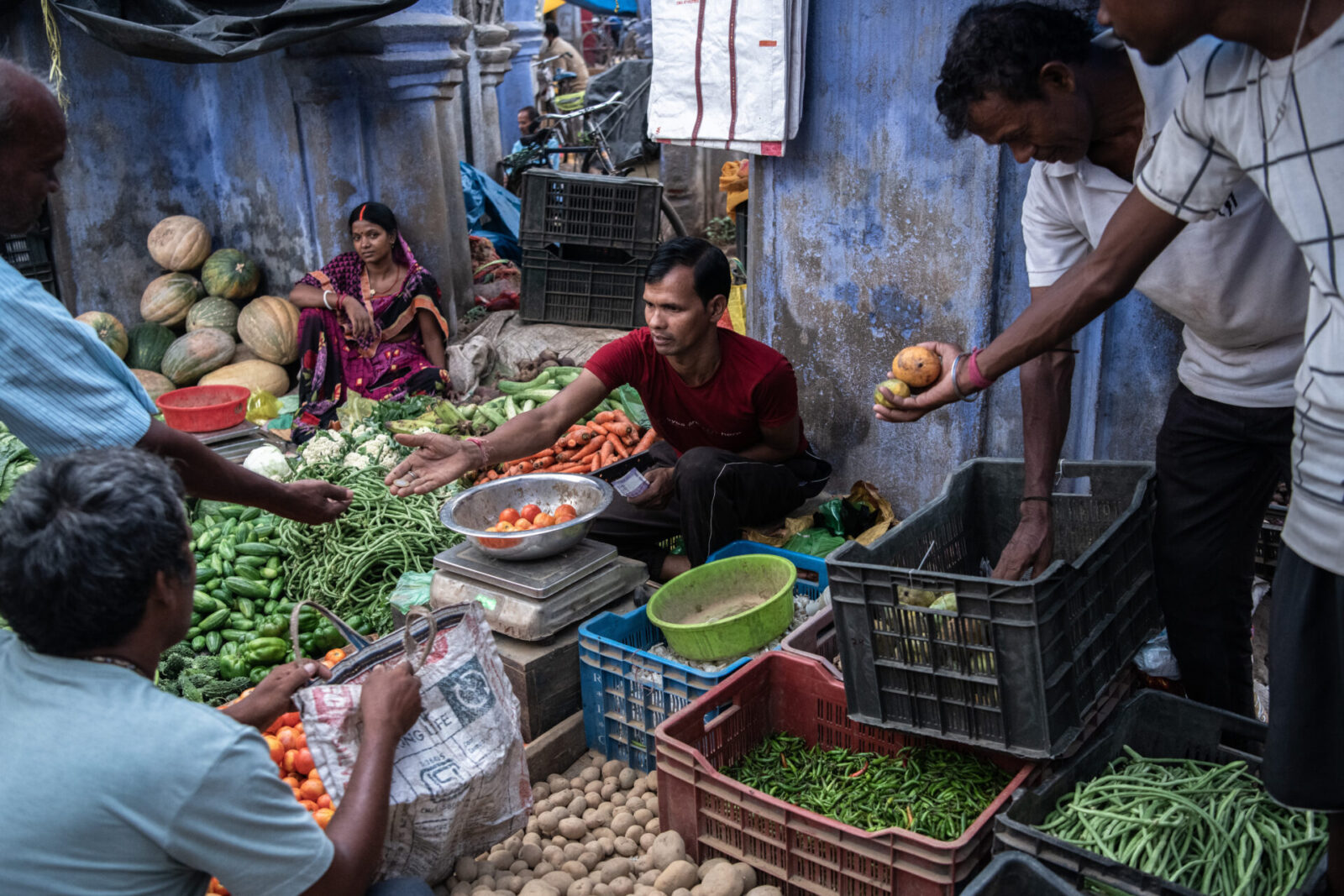
Across the WHO South-East Asia Region (SEARO), home to more than 1.8 billion people, CVDs claim an estimated 11,800 lives every day. Nearly half of these deaths occur before the age of 70. Hypertension and diabetes, two leading causes of premature deaths, often go undetected or remain inadequately controlled, increasing the risk of heart attacks, strokes, kidney failure and premature death.
Addressing this challenge requires more than expanding treatment services. It demands an integrated approach combining prevention, early detection and effective long-term care. This approach underpins SEAHEARTS, a regional initiative launched by SEARO Member States in 2023 to accelerate the prevention and control of cardiovascular diseases and other noncommunicable diseases (NCDs).
Three years on, SEAHEARTS has chalked up impressive successes in extending prevention policies in health systems and across sectors – touching the lives of more than 1.75 billion people across the region in one way or another. It offers an important lesson: tackling the NCD epidemic requires governments to strengthen primary health care while acting decisively on the wider determinants of health.
A stronger focus on integrated prevention
One of SEAHEARTS’ most significant contributions has been to bring together interventions that are too often pursued separately.
The initiative combines recommendations from four WHO technical packages targeting both health systems as well as health-in-all policies approaches. They include: HEARTS for cardiovascular disease management in primary health care; MPOWER for tobacco control; SHAKE for salt reduction; and REPLACE for eliminating industrially produced trans-fatty acids.
The rationale is straightforward. Better treatment of the risk factors that contribute to both hypertension and diabetes saves lives, but health systems cannot treat their way out of the NCD epidemic.
Reducing exposure to tobacco, trans-fats and unhealthy diets is equally essential. This places responsibility not only on health services, but also on governments to shape healthier food environments, regulate tobacco products and introduce effective public health policies.
The results demonstrate what this integrated approach can achieve. More than 1.75 billion people are now protected from the harmful effects of industrially produced trans-fatty acids through strengthened policies and regulations in six SEARO member states.
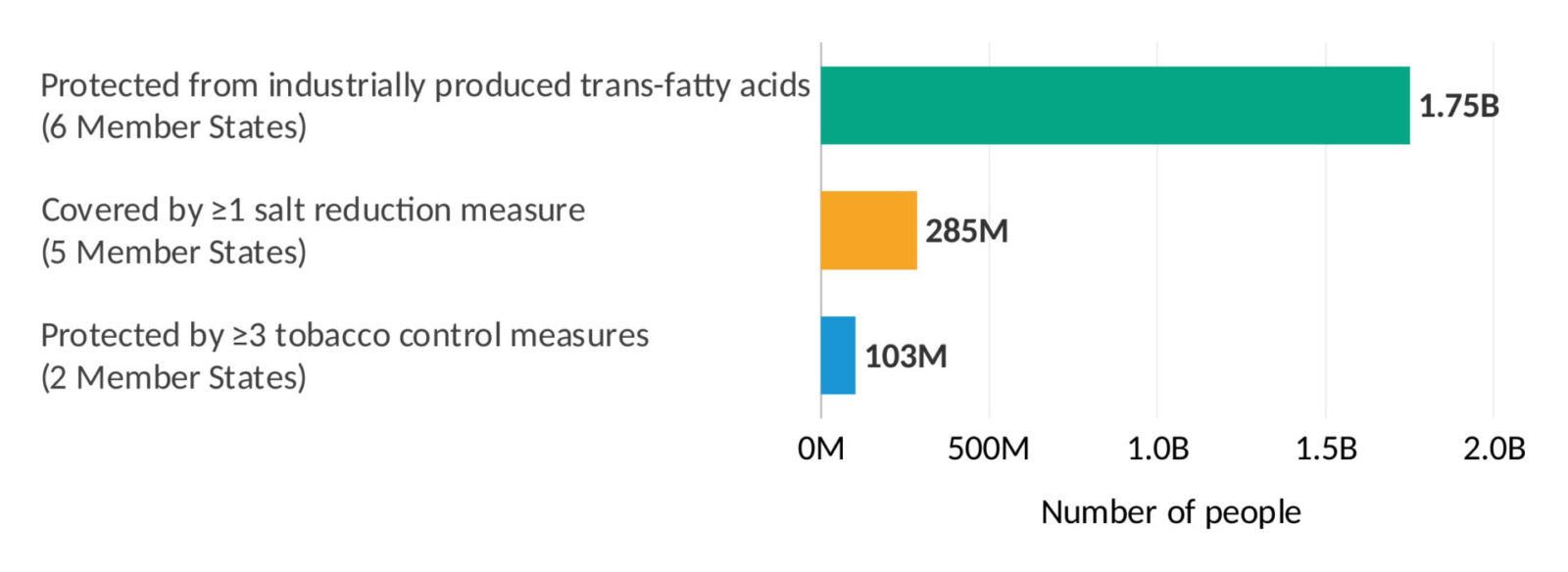
Some 285 million people in five member states are covered by at least one evidence-based salt reduction measure, while 103 million across two countries are protected by three or more WHO-recommended tobacco control interventions (Figure 1).
These gains show the value of combining population-wide prevention with accessible clinical care.
Early diagnosis in primary health care systems
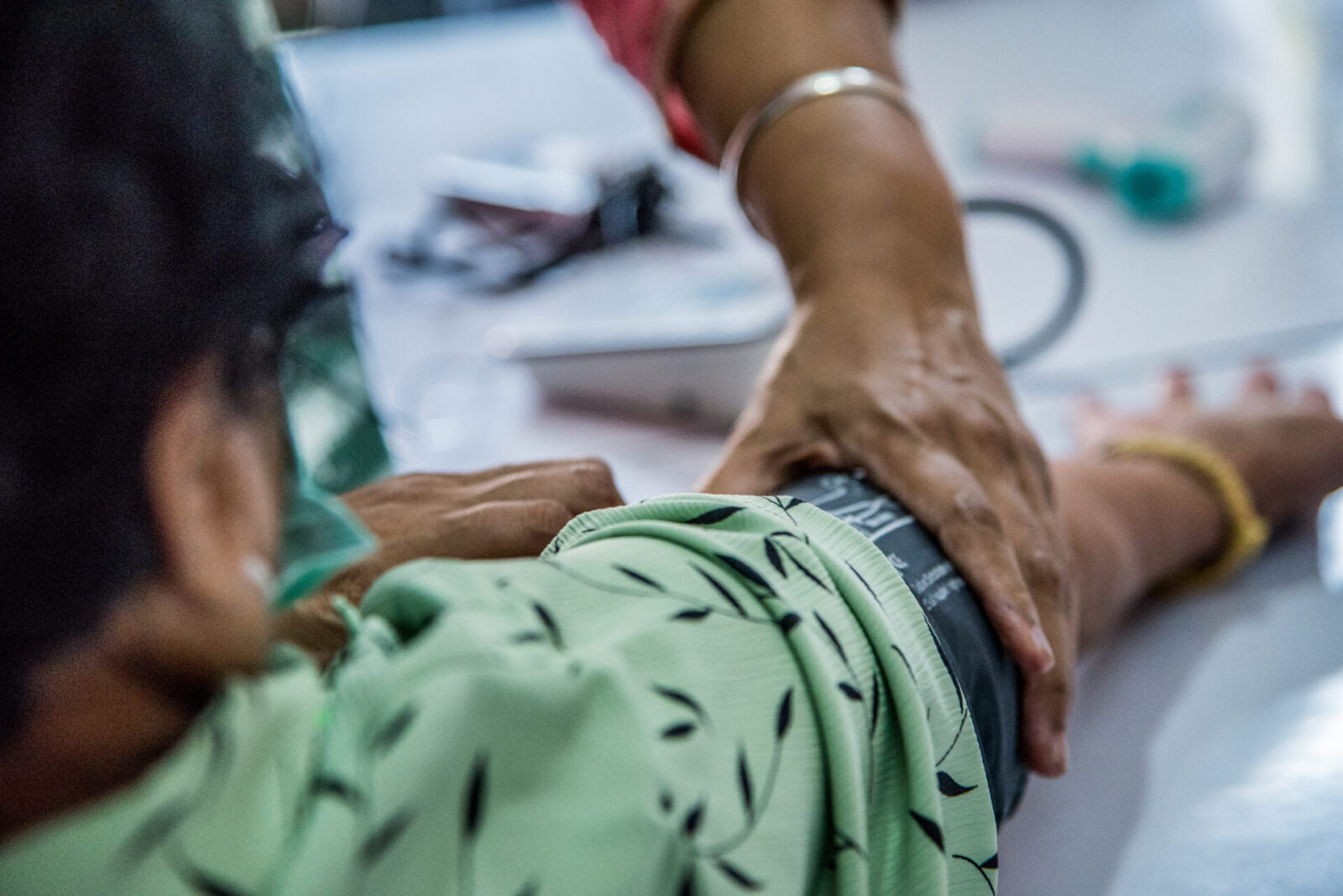
For people living with hypertension and diabetes, the difference between a manageable condition and a life-threatening complication often depends on early diagnosis, affordable medicines and consistent follow-up.
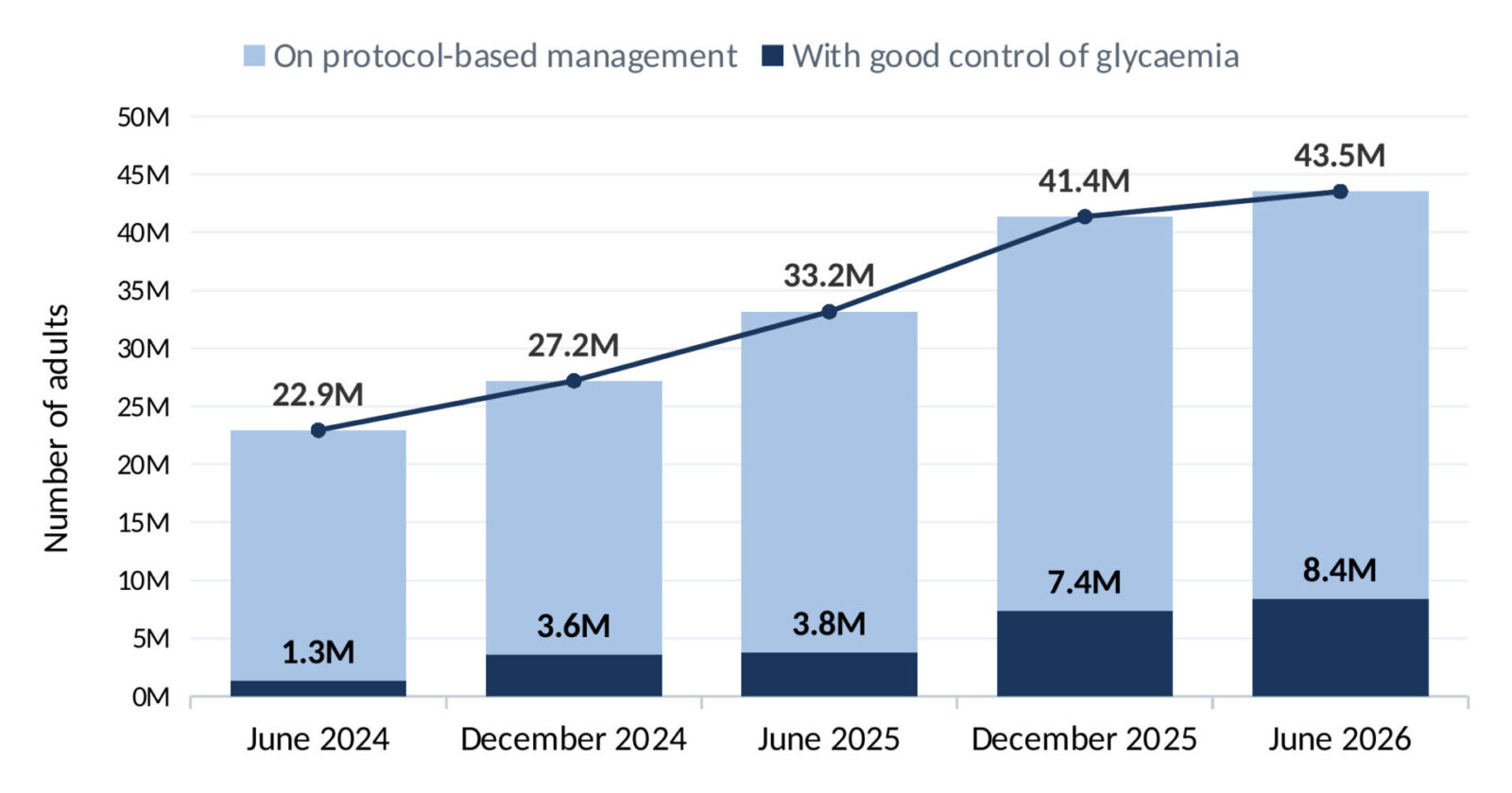
SEAHEARTS has helped make primary health care the foundation of this response. Between June 2024 and June 2026, the number of people with hypertension receiving protocol-based management across reporting countries increased from 39.3 million to 72.4 million. The number of people receiving protocol-based diabetes care rose from 22.9 million to 43.5 million (Figure 2).
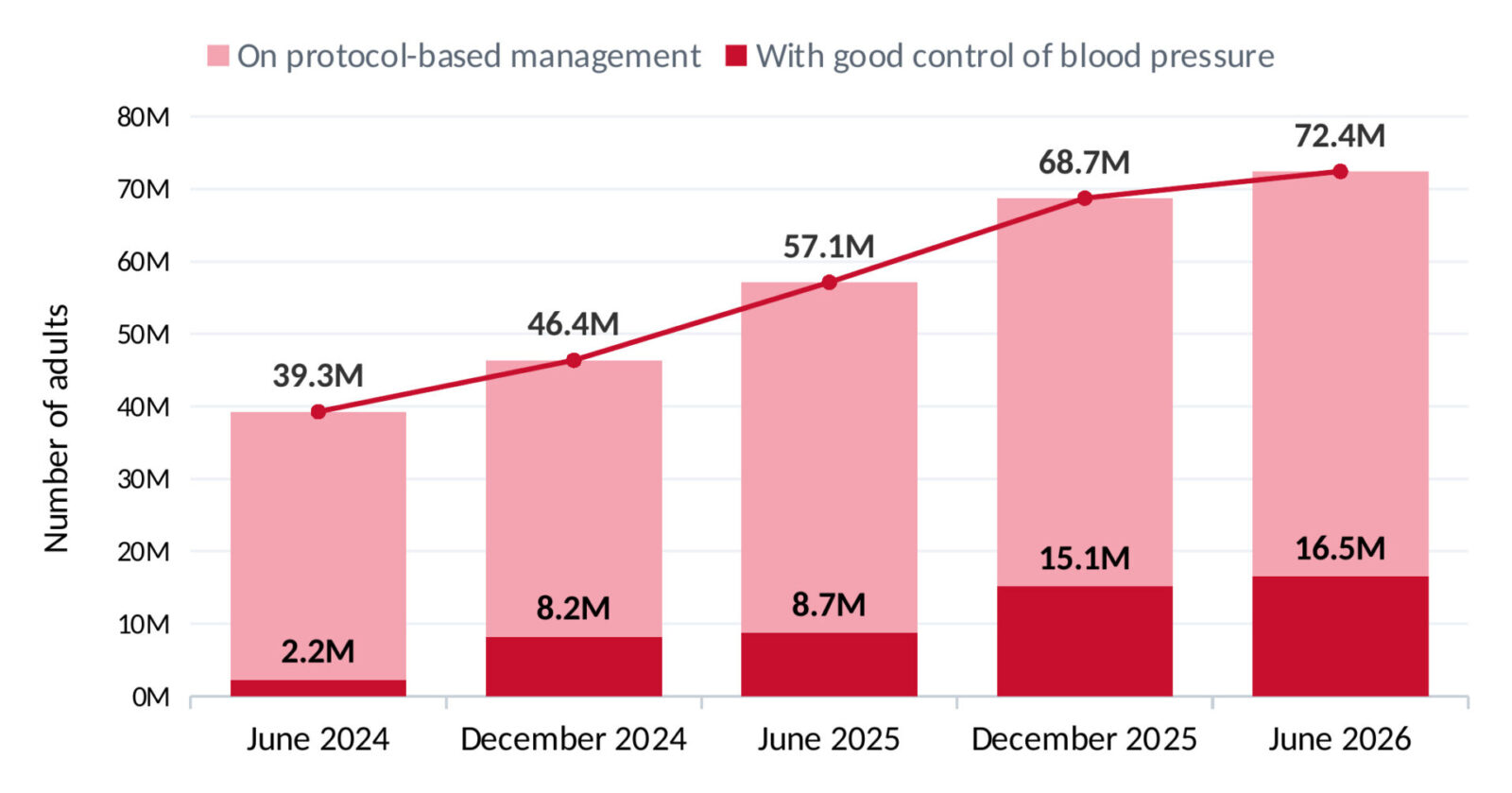
Importantly, the expansion has been accompanied by improvements in disease control. The number of people with hypertension whose blood pressure was controlled increased more than sevenfold, from 2.2 million to 16.5 million. The number of people with diabetes achieving glycaemic control rose from 1.3 million to 8.4 million (Figure 3).
More than 185,000 public health-care facilities across 10 countries are strengthening hypertension and diabetes services. More than 107,000 health workers have been trained in early detection, accurate measurement of blood pressure and blood glucose, team-based care and long-term follow-up. Countries are also introducing longer medicine refills and digital systems to track patients over time.
These changes strengthen not just the management of two conditions, but the wider capacity of primary health care to prevent and manage NCDs.
Turning regional commitment into national action

Progress under SEAHEARTS reflects political commitment, national ownership and accountability. Following the adoption of the regional resolution in October 2023, Member States developed national roadmaps, established treatment coverage targets and designated focal points to monitor implementation and address bottlenecks.
Bhutan, India, Thailand and Timor-Leste achieved their national hypertension and diabetes treatment coverage commitments for 2025 and received the WHO Public Health Achievement Awards in 2026.
Thailand received WHO certification in November 2023 for eliminating industrially produced trans-fatty acids, supported by strong monitoring and enforcement systems. In Sri Lanka, regulations adopted in 2022 came into legal force in July 2026, alongside the establishment of dedicated laboratory capacity to support compliance.
On tobacco control, several countries have strengthened graphic health warnings on tobacco packaging. Maldives has gone further, approving in November 2025 a generational ban on the purchase, sale or use of tobacco products for anyone born after 01 January 2007 – even after they become adults.
These experiences reinforce a central policy lesson: ambitious targets must be backed by legislation, implementation capacity, monitoring and sustained political commitment.
From expanded coverage to sustained control
Despite the progress, significant challenges remain. Predictable financing is needed for essential medicines, diagnostics, trained personnel and digital infrastructure. Medicine stock-outs, missed follow-up visits and workforce turnover can undermine continuity of care. Services must reach underserved populations, while stronger engagement with private providers is needed to improve the quality and completeness of treatment data.
Equally important is ensuring that improvements in coverage translate into sustained clinical outcomes. This requires regular clinical audits, quality-improvement mechanisms and reliable data on whether people achieve and maintain blood pressure and blood glucose control.
Recognizing both the achievements and the unfinished agenda, Member States decided in October 2025 to extend and expand the SEAHEARTS initiative through 2030, with more ambitious milestones.
The next phase places greater emphasis on treatment coverage and disease control, enforcement of trans-fat regulations, and stronger implementation of evidence-based tobacco-control and salt-reduction measures.
In this second phase, SEAHEARTS success will be judged not only by the number of people covered by preventive policies, or by the number of health facilities implementing protocols and people enrolled in treatment programmes, but by whether fewer people develop preventable diseases, more people achieve sustained control of hypertension and diabetes, and everyone can access affordable, quality care.
A regional commitment with global relevance
We estimate that if countries sustain and expand these interventions, SEAHEARTS has the potential to avert more than 6.4 million deaths and 93 million disability-adjusted life years in the SEARO region between 2026 and 2050.
The experience offers lessons well beyond South-East Asia. It demonstrates how shared regional goals can accelerate national action, bring clinical and population-level interventions together, and strengthen accountability for results. Political leadership, evidence-based policies and strong primary health care can reinforce one another to deliver progress at scale.
A healthier heart should not depend on where a person lives or what they earn. It should be supported by health systems that prevent risks, detect disease early and provide effective care throughout life. That is the ambition of SEAHEARTS: to help millions live longer, healthier lives.
Dr Nilesh Buddha is the Officer-in-Charge, WHO South-East Asia Region
Dr Suman Rijal is Director of Department of Health Promotion, Disease Prevention and Control, WHO South-East Asia Region
Dr Pradeep Joshi, Dr Nalika Gunawardena and Ms Sanjana Marpadga are technical focal points for NCDs in WHO South-East Asia Region
Image Credits: WHO, WHO / Rebecca Conway, WHO/ SEARO, WHO / Ploy Phutpheng, WHO / Conor Ashleigh, WHO / Enric Catala Contreras .
Combat the infodemic in health information and support health policy reporting from the global South. Our growing network of journalists in Africa, Asia, Geneva and New York connect the dots between regional realities and the big global debates, with evidence-based, open access news and analysis. To make a personal or organisational contribution click the donate button below.