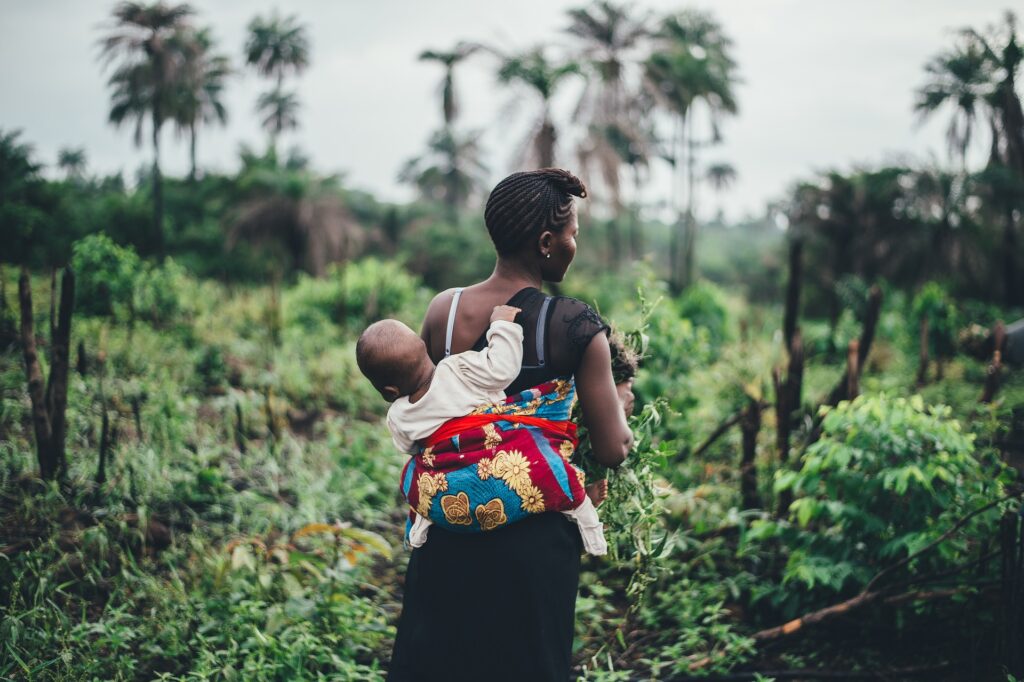
On this International Day of Rural Women (15 October), countries need to commit to addressing the disparity between health services in urban and rural areas
Despite significant improvements in maternal health globally over the last few decades, where a woman lives can still determine whether she gets the health care she needs.
For millions of women in rural areas, reaching a clinic can mean travelling for hours, paying for transport they struggle to afford, finding someone to look after children, or losing a day’s work. Even after making the journey, the health worker, medicines or services they need may not be available.
In Suriname, for example, the hinterland lacks hospitals and pharmacies, and informal clinics provide basic healthcare, usually driven by local NGOs. To see a gynecologist and obtain pediatric care, rural women are compelled to travel long distances, usually under the supervision of the men in the family or village.
Strengthening rural health systems and involving women in shaping them must be priorities for all countries, particularly in an era of declining external funding.
The International Day of Rural Women, observed annually on 15 October, provides an opportunity to draw attention to current inequalities in health care between rural and urban women and the actions needed to address them.
When distance becomes dangerous
Maternal health illustrates what the inequities look like. Access to skilled care before, during and after childbirth can be lifesaving: an estimated 260,000 women died from pregnancy- or childbirth-related causes in 2023 — more than 700 every day. Yet globally, 93% of births among women in urban areas were attended by skilled health personnel in 2023, compared with 77% among rural women.
Most pregnancies and births are straightforward, but complications can quickly become life-threatening. Severe bleeding, eclampsia, obstructed labour and other emergencies require skilled care, medicines and, sometimes, an emergency Caesarean section. For women in remote communities, the time required to reach emergency care can be decisive.
The World Health Organization (WHO) uses access to emergency obstetric care within two hours of travel time as an indicator of geographic access. In an obstetric emergency, a functioning facility several hours away may effectively be out of reach. Governments need to consider whether women can reach emergency care in time and whether facilities have the staff, blood supplies, medicines and surgical capacity to respond.

Rural women need full range of health services
The Committee on the Elimination of Discrimination against Women’s (CEDAW) General Recommendation No. 34 calls for accessible, affordable and culturally acceptable health services for rural women. These include access to the full range of health services throughout their lives, including contraception, maternal care, cervical cancer screening and treatment, services for sexually transmitted infections, safe abortion care, fertility services and care following sexual and gender-based violence.
CEDAW also recognises that rural women may also face barriers in accessing mental health services, cancer care, treatment for non-communicable diseases, essential medicines and palliative care. For a woman with HIV, breast cancer, diabetes or hypertension, distance can mean delayed diagnosis, missed follow-up and long journeys to obtain treatment.
Early marriage, female genital mutilation and other harmful practices can compound the health risks faced by rural women and girls. Addressing their consequences requires accessible health services along with community support, and efforts to change discriminatory practices.
Patient privacy enhances access to care
Confidentiality is part of whether a service is acceptable and genuinely accessible. In small communities, privacy can be difficult to protect. A woman seeking contraception, abortion-related care, testing for a sexually transmitted infection, or help after violence may know the health worker personally. She may meet neighbours in the waiting room or worry that other people will learn why she visited the clinic.
That can be enough to deter someone from seeking care at all. Good rural health services need private consultation spaces, clear standards on confidentiality and referral options for women who do not feel able to use a service locally.
People, supplies and transport
WHO estimates that around two billion people living in rural and remote communities do not have adequate access to essential health services. Shortages of health workers are part of the problem.
The recruitment and retention of health professionals outside major cities remains difficult. Better incentives, professional support, continuing education and investment in locally based health workers can help. Midwives, nurses and community health workers can provide much of the essential care when they have the training, authority, equipment and supplies to do so.
Referral systems are also important. A local clinic may identify that a woman needs specialist treatment, yet the referral can fail because transport is unavailable, the hospital cannot accept her, records do not travel with the patient, or she cannot afford the journey. A functioning system needs reliable emergency transport, clear communication between facilities and follow-up once a woman returns home.
Telehealth can extend specialist advice, support local health workers and reduce some unnecessary journeys. Its usefulness depends on reliable connectivity, privacy and functioning local services. Examinations, medicines, laboratory tests, procedures, and emergency obstetric care still require in-person care.
Rights require accountability
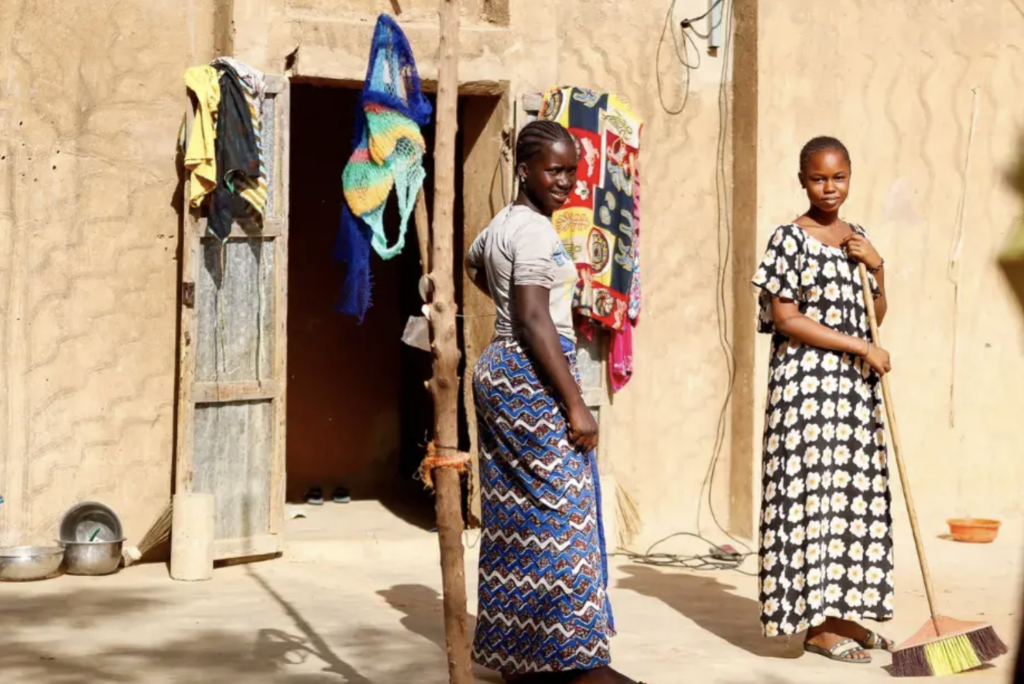
Universal health coverage will not be achieved while large groups of rural women cannot obtain essential care. National data can conceal major differences between regions and between urban and rural communities.
Governments need health data that show who is receiving care, who is being left behind, and where the barriers are. CEDAW has called for data on rural women to be disaggregated by geography, age, disability and socioeconomic status. Better data can show whether services are reaching women in practice and where additional investment is needed.
Rural women should have a voice in the decisions that shape local health services. They know where transport fails, which services are missing, when opening hours are impractical and where privacy is inadequate. Independent rural women’s organizations can strengthen their participation, provide opportunities for collective action and help hold local authorities accountable for improving services.
Improving rural women’s health also requires closer cooperation between the health, education and agriculture sectors. Together, they can help address the social and economic barriers affecting women’s health by improving girls’ education and expanding women’s access to land, income and opportunities for economic independence.
Where a woman lives should not determine whether she can obtain essential health care or survive a medical emergency. The right to health belongs to women everywhere.
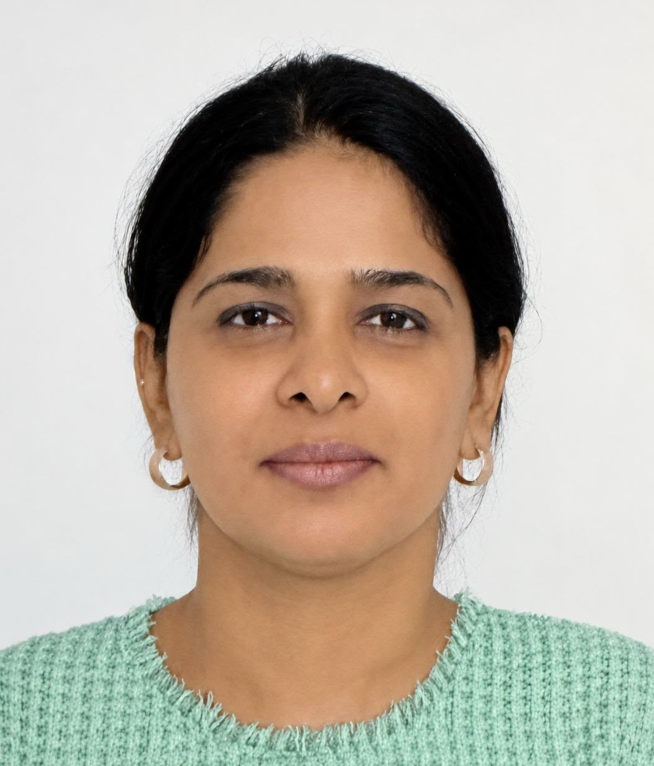
Ambassador Aashna Kanhai is Permanent Representative of Suriname to the United Nations Office in Geneva.
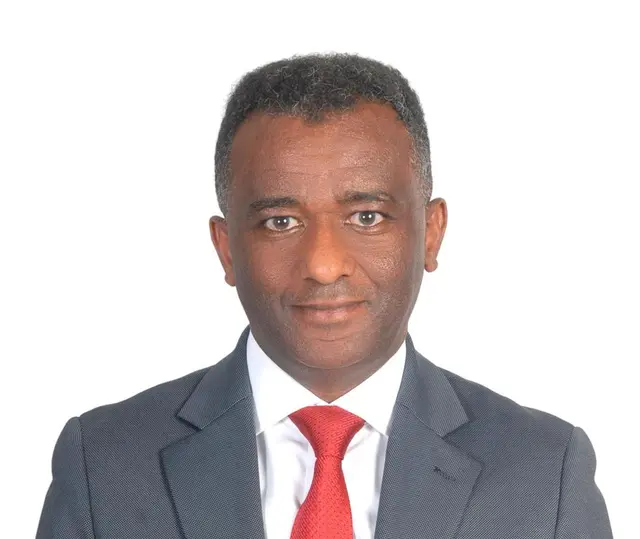
Dr Haileyesus Getahun is the Chief Executive Officer of the Centre for Health Diplomacy and Inclusion, based in Geneva.
Image Credits: UNDP, International Confederation of Midwives, UN Women.
Combat the infodemic in health information and support health policy reporting from the global South. Our growing network of journalists in Africa, Asia, Geneva and New York connect the dots between regional realities and the big global debates, with evidence-based, open access news and analysis. To make a personal or organisational contribution click the donate button below.