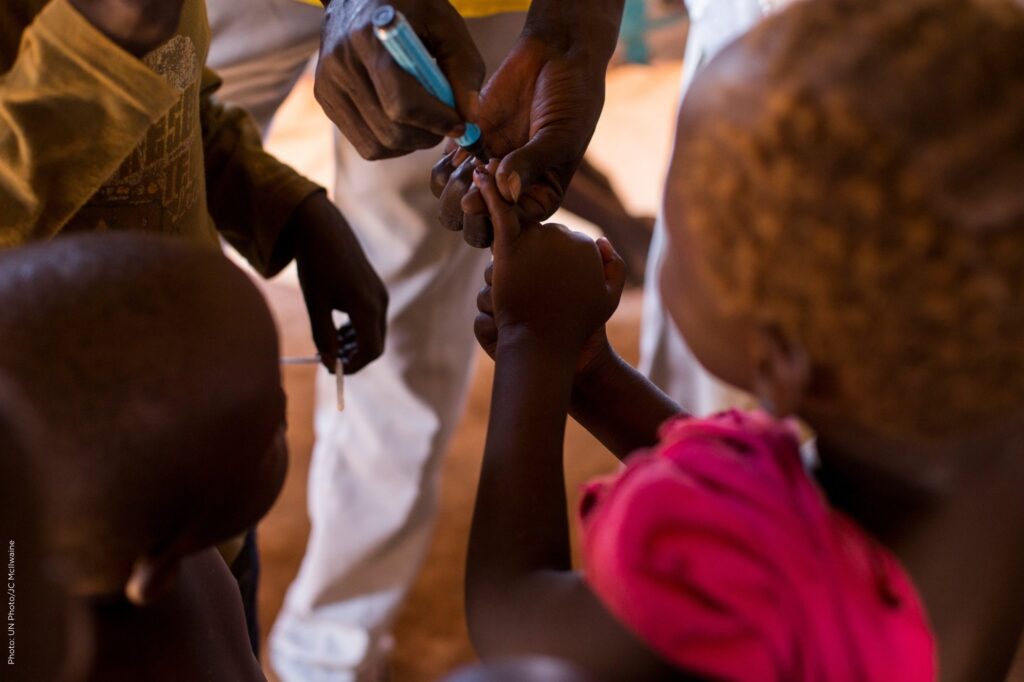
A polio-free Africa is within reach, but only if we make it a priority. Ending the disease will not only protect our children, but it will also strengthen our health systems and safeguard us against future threats. The Ebola outbreak in Central Africa, with several cases of polio lurking in the shadows, remains an instructive lesson to keep in mind for World Polio Day, October 24, and after.
The urgent Ebola outbreak in Central Africa may be demanding attention, but polio, a disease without a cure, is a threat that has yet to completely disappear. Just this month, the poliovirus has been detected in six African countries this month, including DR Congo and Nigeria, and, earlier this year, in Australia, the United Kingdom, Malawi, Zambia, and South Africa.
Polio is caused by a virus that can invade the nervous system and cause paralysis in a matter of days, but fortunately there is an effective vaccine that drives our efforts to stop the spread of this disease. In particular, the detection and response at the start of the year in Blantyre, Malawi, reflected everything we strive to do on the ground. The poliovirus was detected from an environmental sample collected from the city’s sewage system. The government response, a political priority, centered on an intensive four-day immunization campaign that reached 1.3 million children and transmission was eventually averted.
The polio paradox

Today, the “wild” version of the polio virus remains endemic in only two countries, Afghanistan and Pakistan. However, an outbreak of wild poliovirus in East Africa in 2022 linked to the importation of wild poliovirus from Pakistan, and triggering a massive multi-country immunization campaign, shows how easily progress can be threatened when gaps in vaccination coverage persist.
Most vaccine-derived infections that we see emerging today also come from virus strains that result from less than optimal immunization coverage. Efforts to vaccinate communities are often disrupted by conflict, natural disasters, cross-border migration, poor access to health services, and vaccine hesitancy. The consequences of these will lead to persistent transmission coupled with the emergence of new virus strains.
Thus, we live with a paradox: The oral polio vaccine that has been our most powerful tool in driving poliovirus to the brink of eradication globally can also circulate, mutate and regain virulence in areas with inadequate vaccination coverage. This paradox doesn’t diminish the value of oral polio vaccination, rather it underscores the urgency of achieving and sustaining high coverage. It also highlights the importance of innovation, such as the introduction in 2021 of the novel polio vaccine (nOPV2), designed to be more stable and reduce the risk of reversion to virulence.
In the 1950s, the poliovirus killed or paralyzed half a million people around the world every year. In 2024, between the “wild” strains and “vaccine-derived” strains derived from suboptimal immunizations, more than 500 polio infections were confirmed around the world.
Outsized progress despite diminished resources
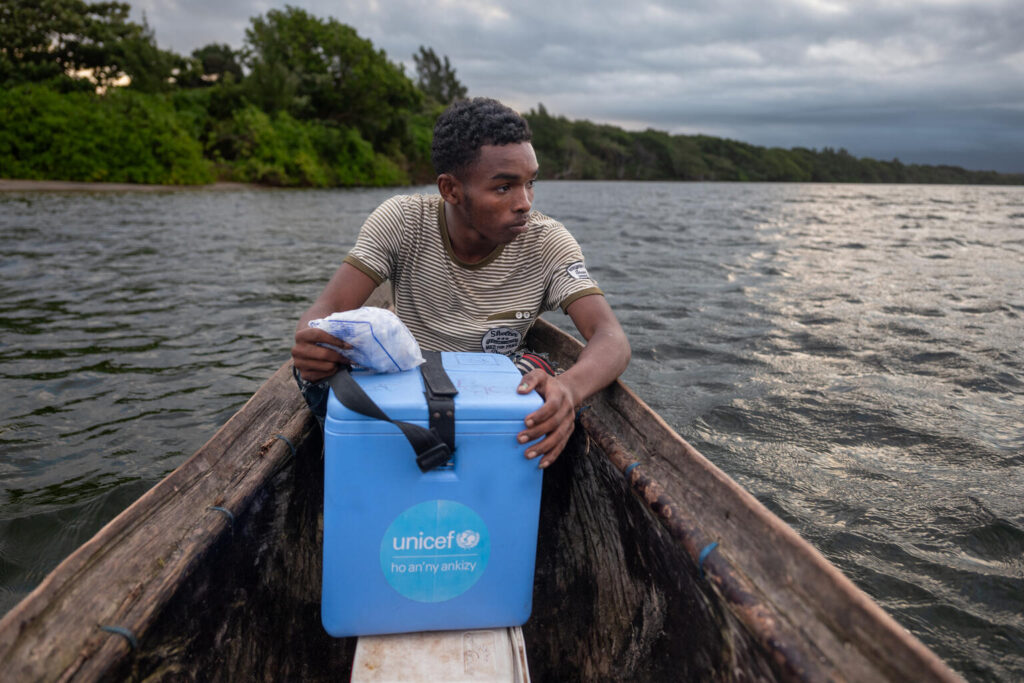
In late 2024 and early 2025, we faced a steep reduction in global health and foreign aid from a number of donor countries. The impact of these cuts can be seen clearly in many health outreach programs.
However, by this point in 2025, countries had worked together to vaccinate nearly 200 million under-five children across sub-Saharan Africa. In the Democratic Republic of Congo, type 1 cases fell from 149 in 2022 to just one case in 2025.
In the first half of 2026, we have noted significant and continued progress towards the eradication of poliomyelitis in our Region. Polio detections are down 33% since 2024, but rising detections of polio types 1 and 3 remain a concern. Moreover, outbreaks in Burundi, Ghana, Guinea-Bissau, Republic of Congo, and Uganda were successfully closed.
In the Horn of Africa, persistent outbreaks are driven by low immunity, population displacement, and limited access to health services. But between February and April 2025, a massive, coordinated campaign reached over 18 million children across Djibouti, Ethiopia, Kenya, and Somalia, demonstrating the power of regional solidarity. In May of this year, Ethiopia reached an additional 1 million children in border areas and refugee camps.
Overall, 168 million children in sub-Saharan Africa received at least one dose of the polio vaccine between January and September 2026, with vaccination campaigns conducted in 22 countries. This includes cross-border immunization campaigns in March that vaccinated 10 million children in Angola, the Democratic Republic of Congo and Namibia after laboratory testing confirmed more than three dozen polio cases were genetically linked.
A four-point strategy to continue momentum
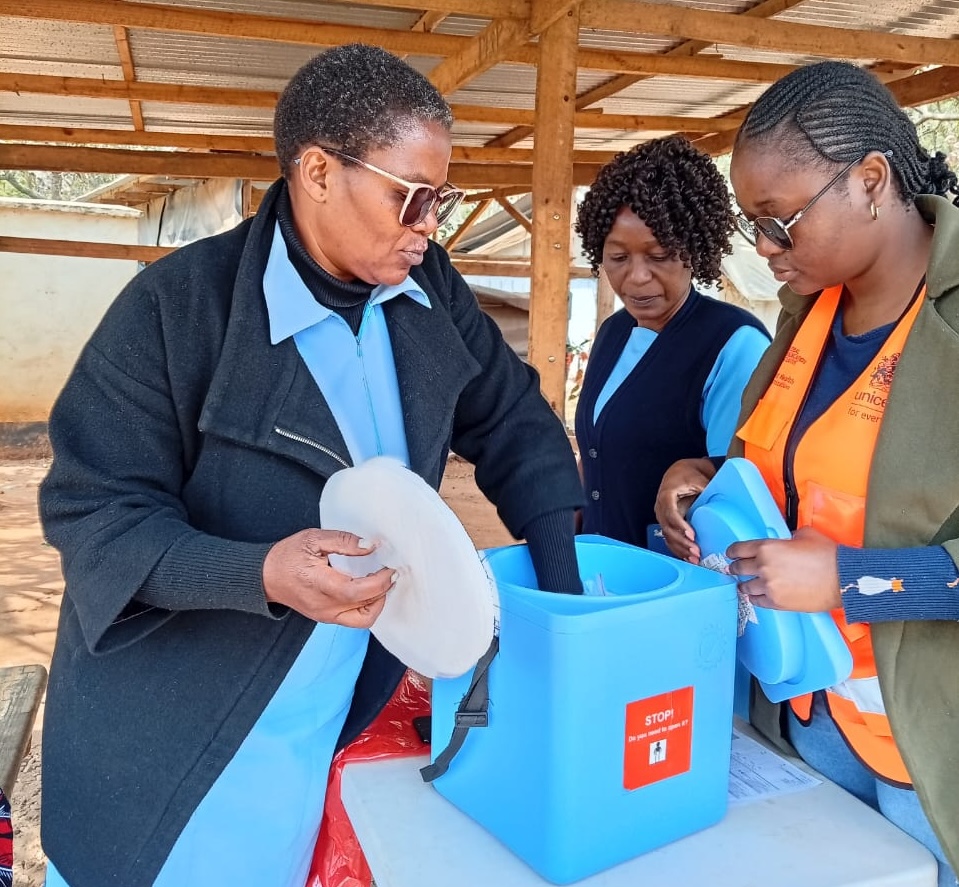
Our efforts to end polio are under pressure, though, without secure global funding. Many countries are working to maintain sensitive surveillance, resilient laboratories, and rapid response systems. Securing long-term funding to fill key gaps and keep the polio programme running, even after eradication, remains one of four strategic imperatives.
Making the most of polio investments remains a priority. As the Democratic Republic of the Congo continues to respond to the latest Ebola outbreak, the infrastructure, expertise and community networks built through decades of polio eradication efforts provide a foundation for surveillance and emergency coordination, reinforcing national response efforts in a highly complex operational environment.
At the same time, the outbreak highlights the broader value of polio investments. Amid ongoing global funding constraints, sustaining these capacities is essential not only to achieve a polio-free world, but also to strengthen health security and protect communities from current and future public health threats.

We also need to work better across borders. We will improve coordination among countries with migratory populations, such as the Lake Chad Basin region, by coordinating vaccination campaigns, sharing data, and reaching children on the move or in hard-to-reach areas.
And lastly, improving testing and tracking is critical. We must invest in stronger labs and faster virus detection across the region. Better sample transport and more local testing will help us act quickly when outbreaks happen.
A polio-free Africa is within reach, but only if we make it a priority and remain steadfast in these last miles. Ending the disease will not only protect our children, but it will also strengthen our health systems and safeguard us against future threats. This is something we need to remember in particular this week, as we observe World Polio Day on 24 October – with several cases of polio lurking in the shadows of the Ebola epidemic in Central Africa.
As a cardiologist who has spent many a day listening to hearts, I’ve learned one vital truth—prevention is everything. With strong leadership, community support, and strengthened partnerships, we can protect our children and show Africa’s strength in global health.
Dr Mohamed Janabi is the WHO Regional Director for Africa.
Image Credits: UN Photo/JC McIlwaine, WHO Africa, WHO.
Combat the infodemic in health information and support health policy reporting from the global South. Our growing network of journalists in Africa, Asia, Geneva and New York connect the dots between regional realities and the big global debates, with evidence-based, open access news and analysis. To make a personal or organisational contribution click the donate button below.