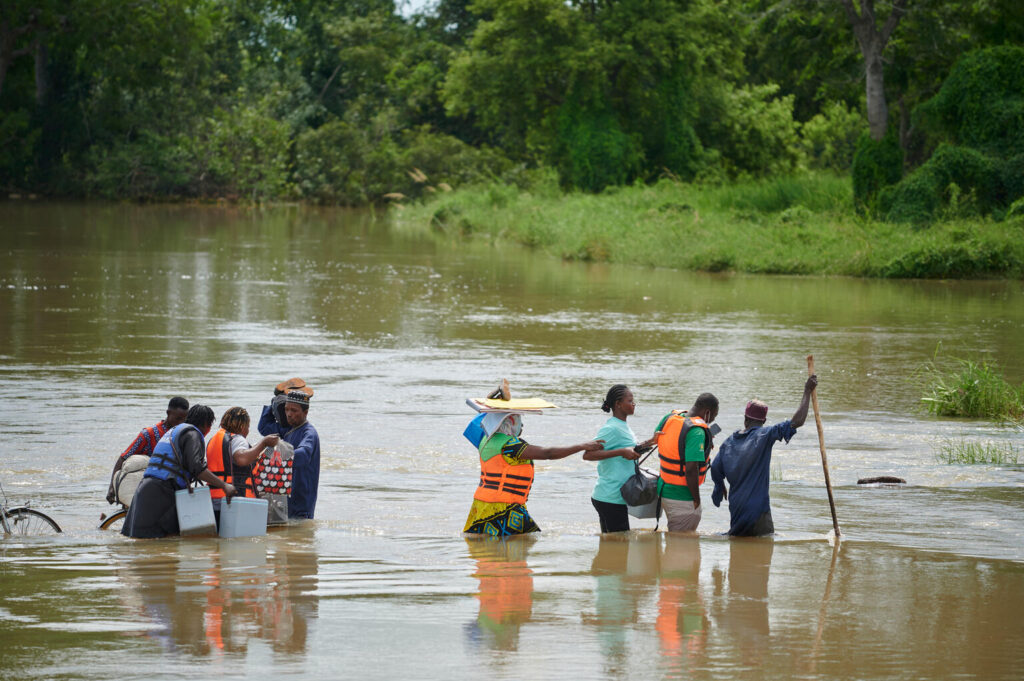
The huge push to reach children who missed vaccinations during COVID-19 has largely paid off, reaching 18.3 million children – but plummeting aid and misinformation threaten future childhood immunisations.
This is according to leaders from the vaccine alliance, Gavi, the World Health Organization (WHO) and UNICEF, who reported on the “Big Catch-Up” at a media briefing on Thursday – on the eve of World Vaccination Week.
Over 100 million vaccines were delivered between 2023 and 2025, and an estimated 12.3 million of the children reached had never been vaccinated, while 15 million had never received a measles vaccine.
Gavi CEO Dr Sania Nishtar said that, by 2021, coverage of the three-in-one diphtheria, tetanus and pertussis (DTP) vaccine had fallen to 78% in lower-income countries, erasing “years of hard-won gains”.
The Big Catch Up initiative targeted 36 countries, which accounted for 60% of the world’s zero-dose children, and these countries actively looked for children under five who had missed vaccines.
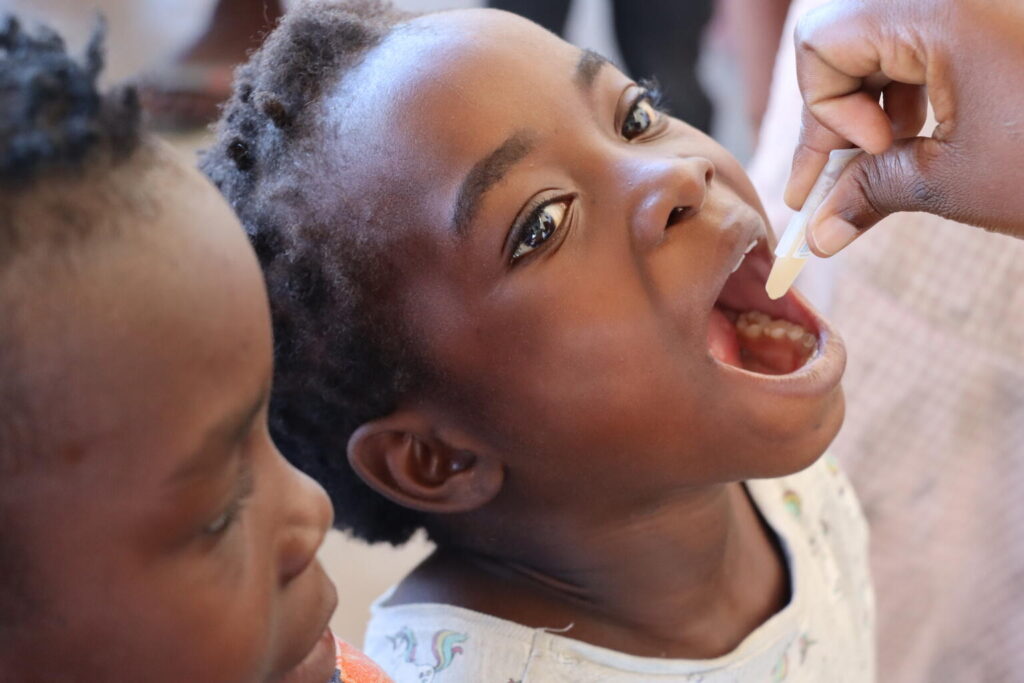
Twelve of the countries reached more than 60% of their zero-dose children – Burkina Faso, Democratic People’s Republic of Korea, Ethiopia, Kenya, Madagascar, Mauritania, Niger, Pakistan, Somalia, Togo, Tanzania, and Zambia.
In total, catch-up reached the equivalent of “five times the number of children under five in the European Union,” said Nishtar.
Dr Kate O’Brien, WHO’s immunisation director, said that the initiative also strengthened countries’ immunisation systems, monitoring children’s immunisation status up to the age of five instead of two, and five-year-olds, and strengthening primary health care systems to track newborns.
Dr Ephrem Lemango, UNICEF’s global chief of immunization, said that maintaining vaccination momentum relies on targeting populations living in fragile and conflict situations, building trust in vaccines and increasing domestic and global financing.
Effects of reduced aid
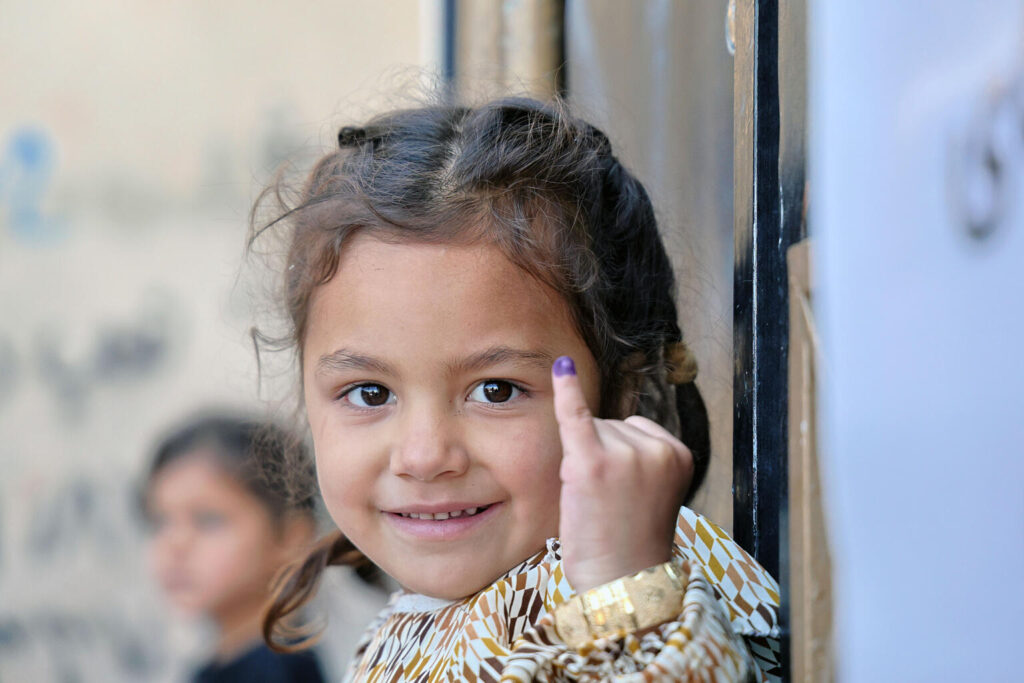
“The continued decline of official development assistance (ODA) and recent sharp funding cuts to global health have seriously affected the delivery of immunisation services,” Lemango warned.
ODA cuts have reduced services, including “last-mile” outreach, “because so many health workers and supply chains have been supported by these funds”.
The cuts have affected governments’ ability to provide their part of the co-financing to procure Gavi vaccines. Meanwhile, some countries received donors funds for “traditional” vaccines – such as polio, tuberculosis and DTP – and this has been “considerably disrupted”.
ODA cuts have also affected the capacity of the WHO, UNICEF and Gavi to provide technical assistance to governments to deliver immunisation services.
O’Brien said that aid cuts have also affected countries’ and international agencies’ ability to react fast to disease outbreaks.
However, Nishtar said that the “silver lining” has been the rise in Africa of a “health sovereignty movement”, where heads of state are stressing that they need to be able to deliver basic services through domestic revenue
Undermining trust
“Trust has become a prominent predictor of vaccine uptake across countries and populations,” said Lemango. “Even brief exposure to vaccine misinformation likely reduces the willingness to vaccinate.”
“So much anti-vaccine content has its own political economy behind it, where there is financial and political backing.”
Nishtar said that, while there have “always been naysayers”, social media has driven misinformation to new heights.
“What is really troubling, and a very high concern to all of us, is that there has been ever more politicisation of vaccines and of health,” O’Brien noted.
“Politicisation of vaccines should not happen. The world of vaccines should be based on evidence and facts and should be supportive of families and children’s parents or caregivers to provide what is a life saving intervention for them.”
Image Credits: UNICEF, UNICEF.
Combat the infodemic in health information and support health policy reporting from the global South. Our growing network of journalists in Africa, Asia, Geneva and New York connect the dots between regional realities and the big global debates, with evidence-based, open access news and analysis. To make a personal or organisational contribution click the donate button below.