
A joint announcement by the US Environmental Protection Agency (EPA) and Health and Human Services (HHS) on microplastics made inaccurate claims about how many plastic particles exist in the brain, while providing an unclear regulatory plan to address this. But a study published in Nature Health found microplastics in nearly every one of its 191 human brain samples.
US Health Secretary Robert Kennedy Jr hailed a federal proposal by the EPA to track microplastics contamination in drinking water earlier this month as “a turning point” in the effort to confront microplastics that have “become embedded in modern life.”
Kennedy, the leading figure of the Make America Healthy Again (MAHA) movement claimed that there is roughly a “spoonful of plastic in every human brain,” but a newly published study in the journal Nature Health challenges this alarming statistic – while also finding a proliferation of plastic in human brains.
The mainly Chinese and US-affiliated researchers analysed 191 brain tissue samples collected across China, using advanced techniques, including laser direct infrared spectroscopy (LDIR) and pyrolysis-gas chromatography-mass spectrometry (Py-GC/MS), to detect micro- and nanoplastics. They found that human brains actually average 50.3 micrograms per gram of healthy tissue, suggesting actual exposure levels are nearly 100 times – or two orders of magnitude – lower than a contested older study cited by Kennedy.
Despite this significantly lower concentration, the new findings notably confirm the presence of micro- and nanoplastics (MNPs) in 100% of the healthy post-mortem brains analysed and in 99.4% of diseased brains.
“This study provides evidence of MNP presence in the living human brain, highlighting a need for further research to understand causal links between MNPs and human disease,” Runting Li and colleagues wrote in the publication released on Monday.
The toxic legacy of plastic additives
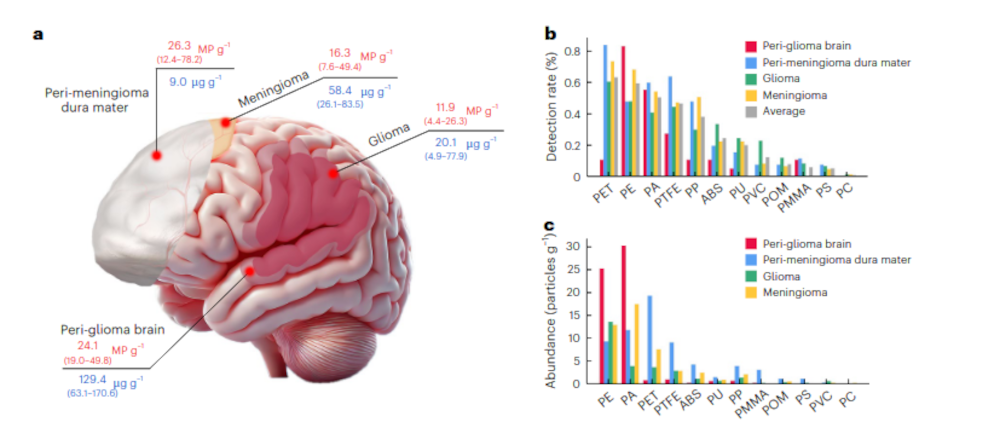
The threat of micro- and nanoplastics contamination in the brain tissue raises significant concern as they can penetrate the blood-brain barrier, where they are subsequently engulfed by the brain’s immune cells, known as microglia. Because these synthetic particles cannot be biologically degraded, they accumulate within the tissue and can trigger severe oxidative stress, mitochondrial dysfunction and chronic neuroinflammation.
Furthermore, clinical data from patients with brain cancer reveal a concerning correlation regarding tumour progression. The Nature Health researchers found that a larger microplastic surface area within the tissue was positively associated with faster tumour growth and proliferation.
The danger extends beyond the physical particles to the thousands of chemical additives used during manufacturing, such as bisphenols and phthalates, which are known endocrine disruptors linked to a host of chronic diseases. Additionally, the degrading particles act as highly effective carriers for other environmental pollutants, absorbing heavy metals, pesticides, and even viruses to carry these dangerous hitchhikers directly into the human bloodstream.
This combined chemical and physical burden drives severe health outcomes. Clinical studies indicate that patients with detectable microplastic contamination in their arterial plaque face a 4.5-fold higher risk of suffering a heart attack, stroke, or death within three years.
Validating urgent research needs
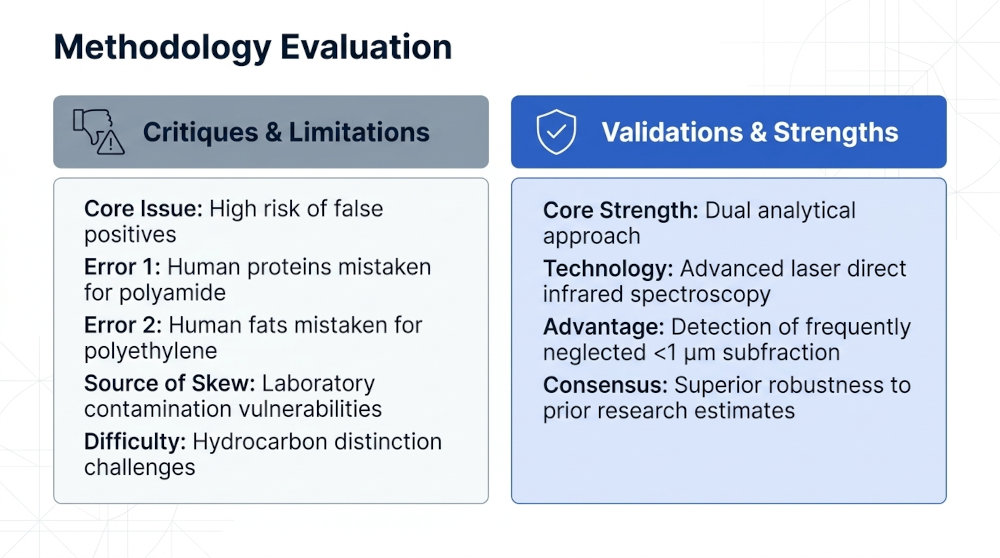
However, the new study, which was evaluated by independent experts, also faces criticism. Scientists raised concerns about methodological flaws, warning that the imaging techniques likely produced false positives by mistaking human proteins for polyamide and human fats for polyethylene, the world’s most common plastic.
In a statement to press evaluating the research, Dr Dieter Fischer, head of the microplastics working group at the Leibniz Institute of Polymer Research in Dresden, Germany, argued it is highly unlikely that the identified particles actually originated from the human tissue samples. He suggested the results are likely to be skewed by laboratory contamination and the fundamental difficulty of distinguishing plastics from natural human hydrocarbons.
Conversely, other experts not involved in the study praised the researchers for utilising multiple analytical methods, noting that this dual approach makes the findings significantly more robust than previous research. Dr Martin Wagner, head of the bioanalytical toxicology lab at the Norwegian University of Science and Technology, concluded that these new metrics regarding the presence and quantity of microplastics in the brain are much more dependable than prior estimates.
Furthermore, neuro-oncology experts stress that the higher plastic concentrations found near brain tumours are merely an association, as aggressive tumours actively destroy the blood-brain barrier to allow external particles to passively accumulate. The Nature Health authors acknowledge this unproven causal relationship, warning that their findings should be interpreted with caution to avoid unnecessary public alarm.
Standardising microplastics contamination research
This warning underscores the necessity of further research and standardisation, as the absence of unified detection and reporting protocols makes it very difficult to compare data across studies and reliably estimate human exposure levels.
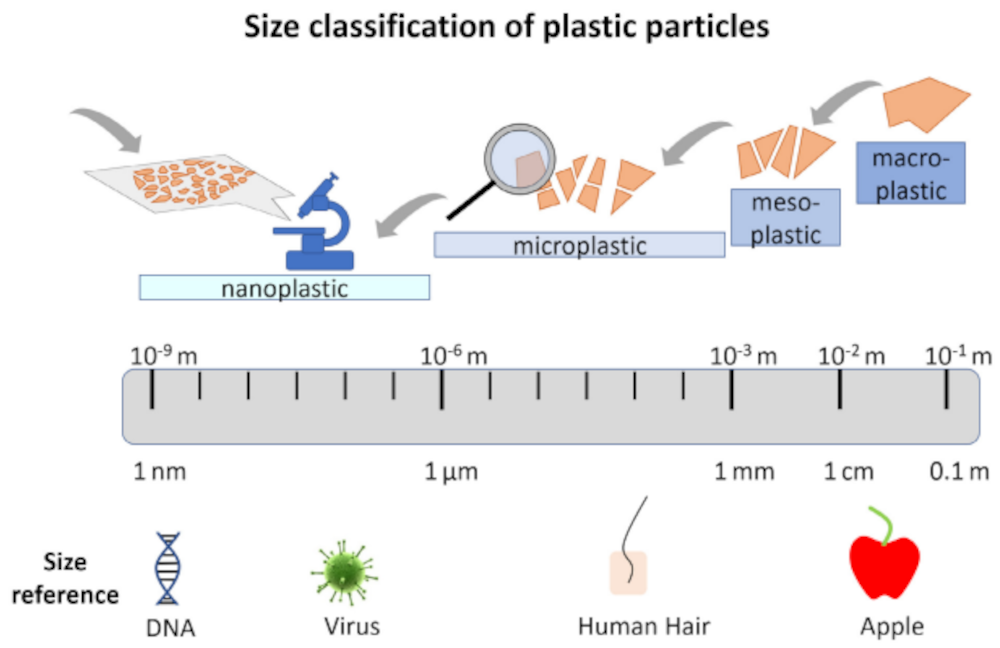
While studies generally describe microplastics as fragments ranging from one micrometre to five millimetres and nanoplastics as an even smaller subfraction measuring under one micrometre, these smallest particles are frequently neglected in research due to current methodological limitations.
“The laboratory methods to study micro- and nanoparticles and their health effects are still evolving,” Dr Rebecca Florsheim, a research physician at the NYU Grossman School of Medicine, noted in a statement to the American Lung Association last month.
Recognising that current scientific methods remain limited, the Department of Health and Human Services (HHS) launched a $144 million initiative called the Systematic Targeting of Microplastics (STOMP)nearlier this month. Led by the Advanced Research Projects Agency for Health (ARPA-H), the programme aims to build gold-standard clinical tests to accurately measure, map and ultimately remove microplastics contamination from the human body.
Overlooking exposure routes

While public health experts expressed support for the EPA’s proposal to add microplastics and pharmaceuticals to the draft Sixth Contaminant Candidate List (CCL 6) for public drinking water, they warn that the focus on water and attempts to “eliminate microplastics from the human body” are too narrow.
The CCL6/CCL does not actually regulate America’s public drinking water but signals that a contaminant “warrants serious scientific attention and may be considered for future regulatory action,” the agency noted.
Other experts worry that this focus could lead to different critical exposure routes being overlooked. Environmental groups have urged agencies to prioritise the reduction of synthetic textiles, as these fabrics continuously shed microfibers that contaminate indoor air and are inhaled, and also easily bypass wastewater filtration systems.
In addition, research by Dr Samantha Romanick, a scientist at the nonprofit Environmental Working Group (EWG), shows that ultra-processed foods typically contain higher plastic levels than less processed alternatives. This contamination largely occurs during industrial manufacturing, as ingredients undergo multiple processing stages and are continually exposed to shedding plastic from conveyor belts, tubes, and packaging.
Furthermore, researchers behind the recent brain study discovered that routine surgical equipment, including plastic syringes and intravenous infusion sets, actively sheds microplastics directly into vulnerable patients. They calculated that a single surgical operation could introduce over 30,000 microplastics directly into the bloodstream, bypassing the gut and lungs entirely.
“With the widespread use of plastic-based medical devices, MNP contamination in clinical environments is probably unavoidable,” Runting Li and colleagues warned in their Nature Health paper. They stressed that this direct exposure pathway demands global attention and the urgent establishment of stringent quality-control standards within the healthcare industry.
The world’s burden of plastic ingestion
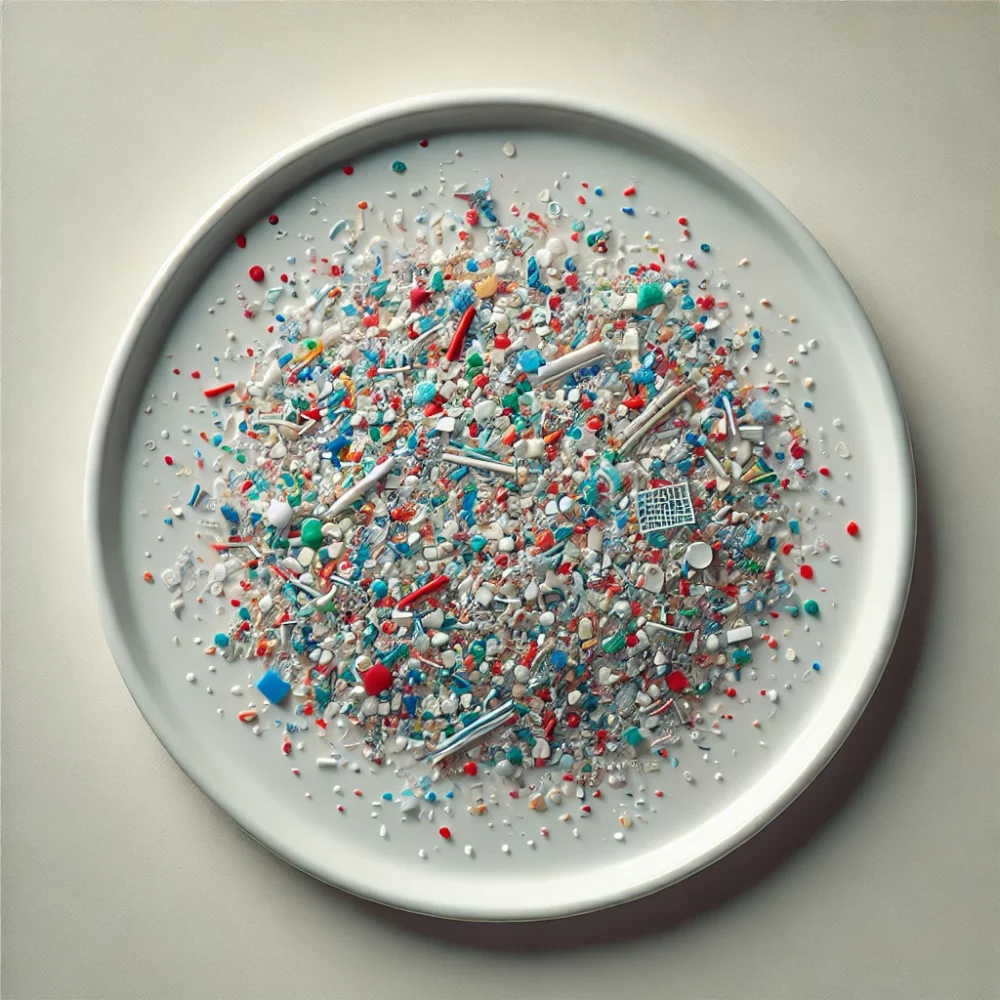
The scale of global exposure extends far beyond the borders of the United States, as human consumption of microplastics has grown to six times the rate recorded in 1990. This burden falls disproportionately on Southeast Asia, which experiences some of the world’s highest microplastic ingestion rates due to severe contamination within its seafood-rich diets.
Advocates claim that addressing this crisis requires shifting the focus away from individual consumer choices or speculative human treatment, and toward stringent corporate accountability and the absolute reduction of plastic use and water regulation. To this end, the global community is looking toward the Intergovernmental Negotiating Committee on Plastic Pollution, which aims to develop a legally binding international treaty.
However, progress on the treaty remains slow as major plastic-producing nations, including the US, strongly oppose limits on plastic production.
“While we did not land the treaty text we hoped for, we at UNEP will continue the work against plastic pollution,” said Inger Andersen, executive director of the UN Environment Programme (UNEP) at the close of last year’s negotiations. “Pollution that is in our groundwater, in our soil, in our rivers, in our oceans and yes, in our bodies.”
Image Credits: European Union, Nature Health, Felix Sassmannshausen/HPW, Andreas Mattern/UFZ via EU Commission, Taichi Nakamura via Unsplash.
Combat the infodemic in health information and support health policy reporting from the global South. Our growing network of journalists in Africa, Asia, Geneva and New York connect the dots between regional realities and the big global debates, with evidence-based, open access news and analysis. To make a personal or organisational contribution click the donate button below.