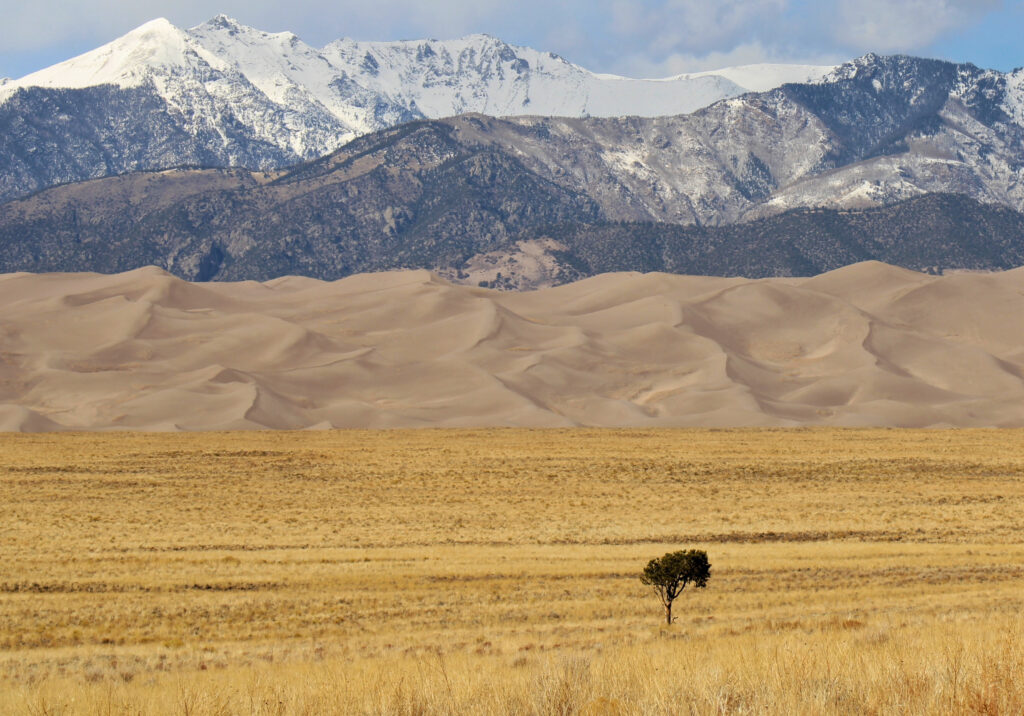
Global average temperatures are likely to reach record levels in the coming five years, the latest report from the World Meteorological Organization (WMO) warns, released amid news that the UK recorded its hottest day in May ever earlier this week.
Temperatures in the Arctic region are expected to continue to be higher than the global mean, according to the report produced by the United Kingdom’s Met Office and released on Thursday.
A record-breaking heatwave is sweeping across Europe, causing misery and deaths in some European countries. On Wednesday, the temperature at Heathrow Airport in London reached 35°C, the hottest day in May recorded in the UK. In some parts of France and in Spain temperatures were higher by as much as 10°C compared to normal.
The WMO’s report suggests that such brutal summers will become the norm in the near future. The annual global mean near-surface temperatures during 2026–2030 are projected to range between 1.3°C and 1.9°C above the 1850-1900 average.
“There is an El Niño predicted for the end of 2026, which increases the chances of the following year, 2027, being the next record-breaking year,” said Dr Leon Hermanson, the report’s lead author.
There is an 86% chance that one of the years between 2026 and 2030 will surpass 2024 as the warmest year on record, according to the update.
Paris Agreement target in danger
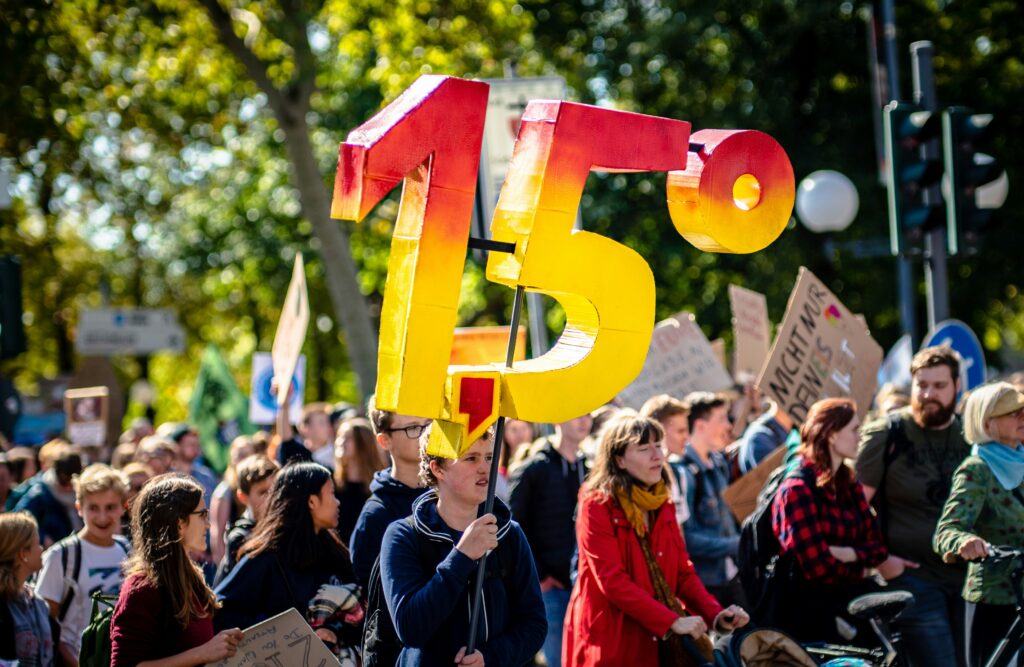
In 2015, global leaders agreed to try to limit global warming to 1.5°C above the pre-industrial era. The target was seen as being an example of low ambition by several low-lying countries and climate advocates. However, the world briefly breached this target in 2024 when the global average surface temperature was about 1.55 °C.
The WMO report now finds that there is a 91% chance that the global mean near-surface temperature will temporarily exceed 1.5°C above the 1850-1900 between 2026 and 2030.
It is also likely (75% chance) that the 2026-2030 five-year mean will exceed 1.5°C above the 1850-1900 average.
For now, the 2°C mark seems to be safe and some time away. The WMO report said that it is considered exceptionally unlikely (less than 1%) that any single year will exceed 2°C above the 1850-1900 average in the next five years.
With every half-degree temperature rise, the sea levels rise and put communities living in low-lying areas in danger.
Arctic warming at record pace
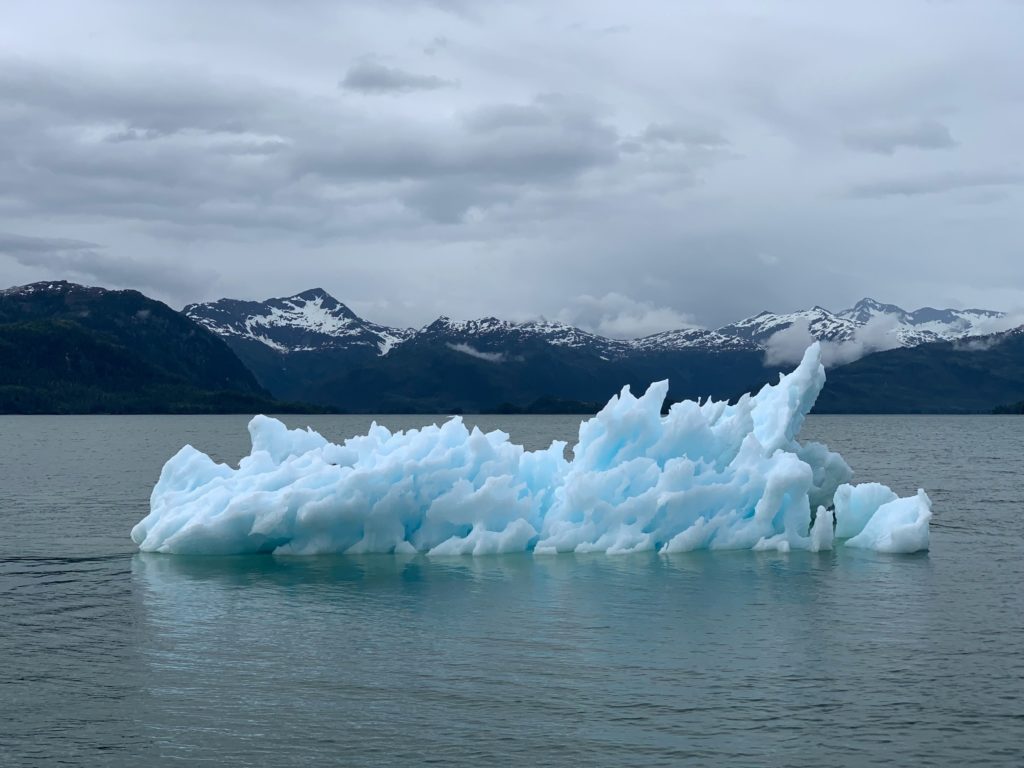
The Arctic region is fast warming at a record pace. Arctic temperatures over the next five extended northern hemisphere winters (November-March) are predicted to be 2.8°C above average temperatures for 1991-2020. This is more than three and half times that of global mean temperature anomaly over the same period.
Projections of Arctic sea-ice for March 2026-2035 suggest that there will be further reductions in sea-ice concentration in the Barents Sea, Bering Sea, and Sea of Okhotsk.
The rainfall and snowfall patterns are also changing. While some areas are projected to get wetter, others are projected to get drier.
In the tropics and in high latitudes, the precipitation is expected to increase compared to the 1991-2020 reference period. Precipitation is expected to decrease in the subtropics, particularly in the southern hemisphere, where a warmer climate is expected.
For May-September 2026-2030, the report suggests higher precipitation in the Sahel, northern Europe, Alaska and Siberia. But Amazon is likely to be drier during this period which will also make it prone to forest fires.
A guide for policymakers

The 1.5°C and 2.0°C levels specified in the Paris Agreement refer to long-term warming sustained over an extended period, and not just one year. Typically, this period is at least two decades long.
Individual years with annual global mean temperatures exceeding these levels do not mean that the long-term temperature goals of the Paris Agreement are out of reach.
These reports are meant to guide policymakers as they formulate policies to reduce global carbon emissions. Around 13 different institutions contributed data to this report, increasing the reliability of the results.
Image Credits: WMO, Unspash/Mika Baumeister, Melissa Bradley, Unsplash/Ernests Vaga.
Combat the infodemic in health information and support health policy reporting from the global South. Our growing network of journalists in Africa, Asia, Geneva and New York connect the dots between regional realities and the big global debates, with evidence-based, open access news and analysis. To make a personal or organisational contribution click the donate button below.