Presented as part of our brand-new series on the Election of the WHO Director General. See our DG Election website for profiles of all the candidates and latest campaign news.
What is the WHO Director-General election?
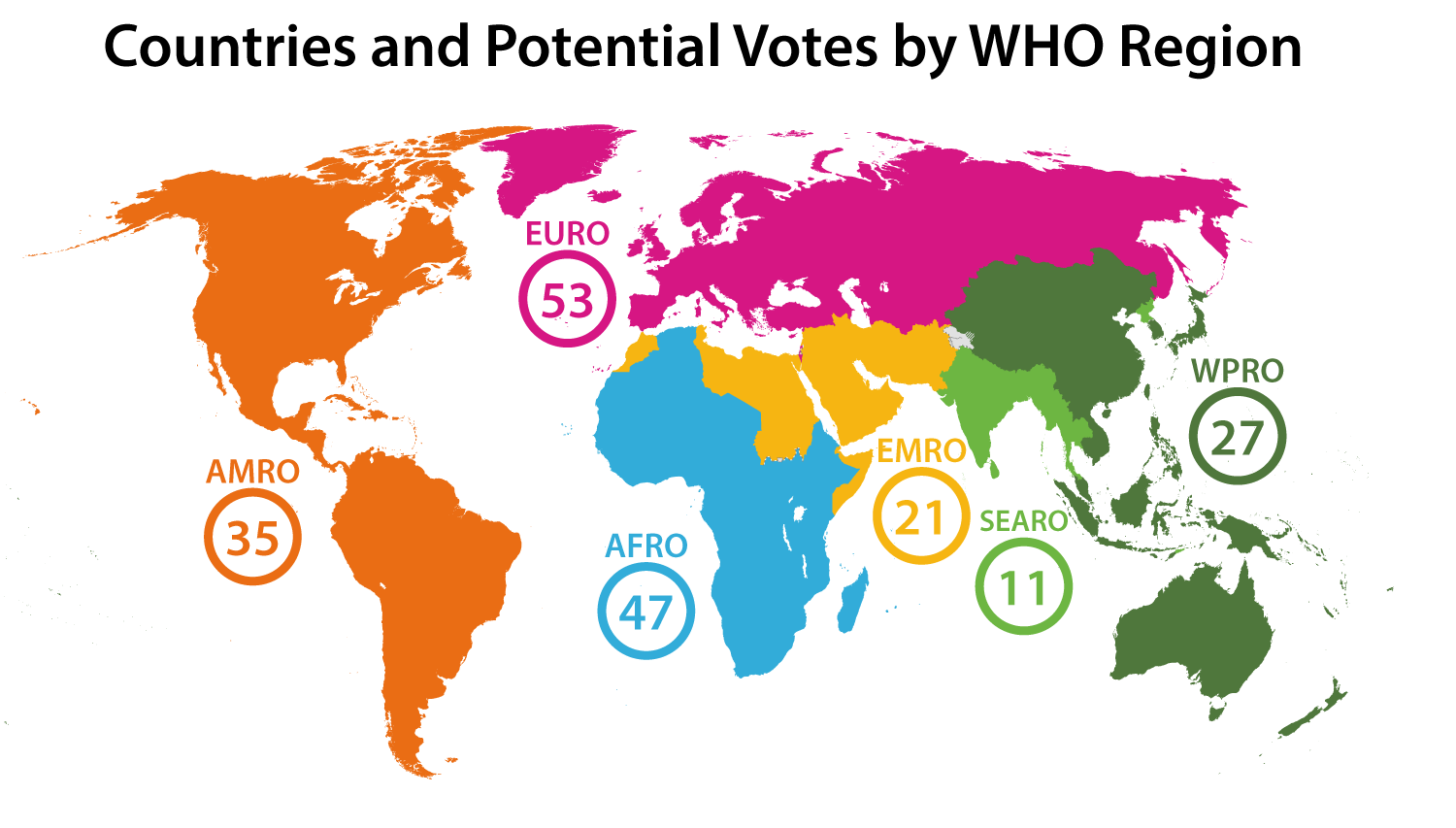
The Director-General is WHO’s chief technical and administrative officer. The WHO Member States will elect the next Director-General at the May 2027 World Health Assembly out of a list of three finalists, including all 194 member states that are up-to-date on dues and thus eligible to vote. Voting is by secret ballot.
There are currently seven announced candidates, is this the definitive list?
Nominations of candidates for this election closed on 24 September 2026. Currently there are seven announced candidates – although the full, final list will only be formally announced “on or shortly after 29 October 2026”.
What happens after 29 October and who decides on the three finalists?
After nominations close, candidates are presented to member states, and there will be an official WHO candidates’ forum on 18 or 19 November, which the public can also access.
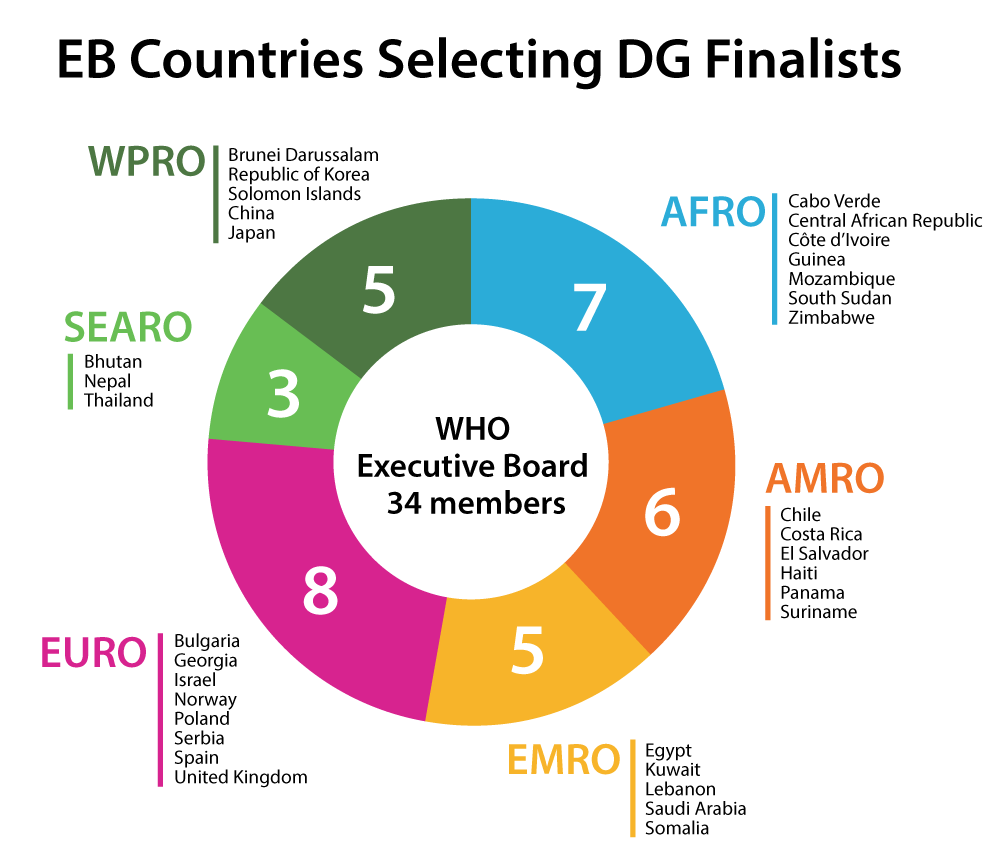
In late January, the 34-member Executive Board will meet (EB160), shortlist five candidates and screen them, likely behind closed doors. The Board will then nominate up to three finalists for the World Health Assembly to consider at its May 2027 session (WHA80). A second candidates forum for the three finalists is then scheduled for March 15.
Can all WHA members vote?
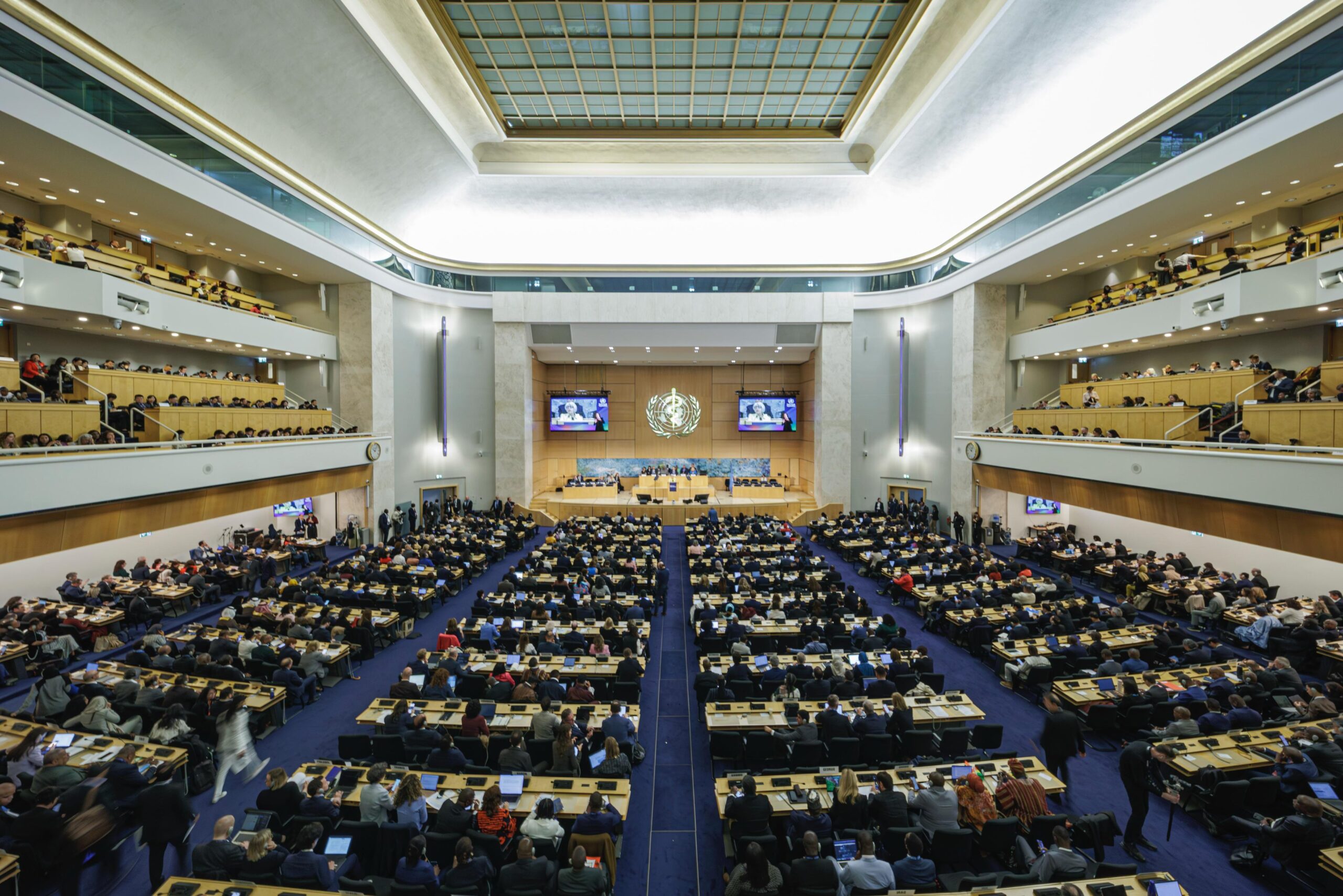
All 194 WHA member states are eligible to vote, including even the United States and Argentina, which announced their withdrawal from WHO – but were refused by the WHA for various legal reasons. But member states in arrears on their assessed contributions are ineligible to vote. And as of the last World Health Assembly, over a dozen member states, including the United States, were deemed to be ineligible to vote at the next Assembly – unless they had paid dues in arrears by that time.
Nine other developing nations would also have their voting rights suspended at the WHA in 2027, unless they catch up on dues: including: Burundi, Côte d’Ivoire, Djibouti, Equatorial Guinea, Nigeria, Panama, São Tomé and Príncipe, Timor-Leste, and Turkmenistan. And this in addition to another 10 states in arrears already in 2026, including: Afghanistan, Dominica, Grenada, Myanmar, Saint Lucia, Somalia, South Sudan, Sudan, Venezuela (Bolivarian Republic of) and Yemen. Iran’s voting rights had also been suspended but were reinstated at the last WHA after they paid their dues.
Effectively, that means that out of 194 potentially eligible states, only 174 member states may actually be eligible to vote in the upcoming election – unless they cover outstanding dues in time.
How long does the Director-General serve?
The Director-General is appointed for a five-year term and may be reappointed only once – meaning a ten-year term is the maximum possible. Following the May WHA vote, the newly elected DG will take office on 16 August 2027.
How has the DG election process changed since WHO was first constituted in 1948?
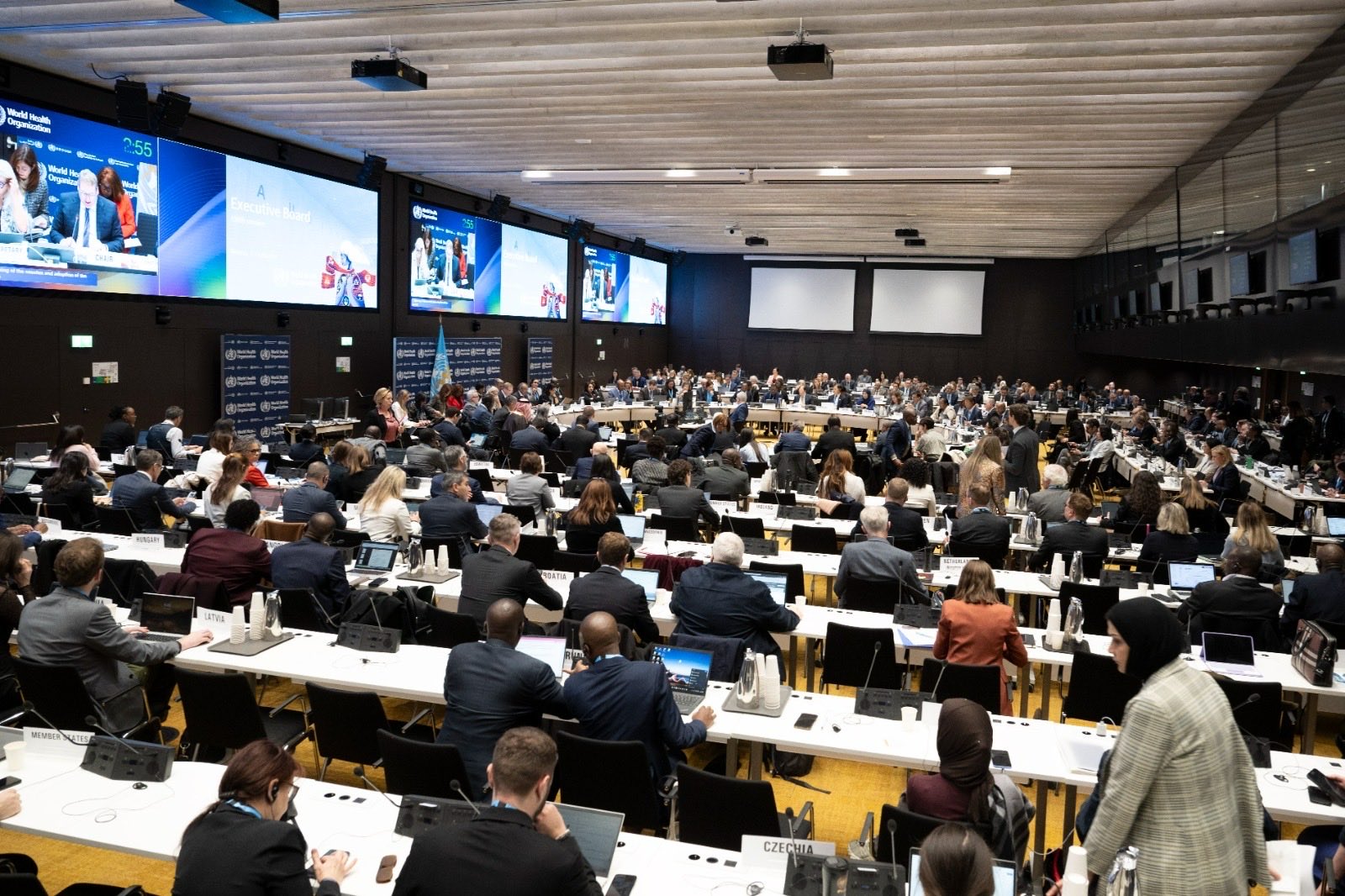
Historically, the Executive Board selected only one finalist out of the candidates’ list, and submit the name of that candidate to the World Health Assembly for appointment – giving just 34 member states near absolute power over the election.
However, in 2012, during the second term of then-Director General Margaret Chan, the WHA adopted a resolution that changed the system dramatically giving the WHA the right to vote between three finalists selected by the EB. This was first applied in the 2017 election and still in effect today. This followed earlier reforms during the 1990s that mandated EB and WHA voting by secret ballot and a maximum of two five year terms for any Director General.
So 2017 was the first election in which the new system was tested?
Yes, It was in 2017, when Chan was retiring, that the new system was put to a full-test as a result of pressures from member states for more representation. In January 2017, the EB shortlisted the initial list of 6 candidates to five, conducted interviews with those five, and then short-listed the slate to three finalists. They included: the late David Nabarro (United Kingdom), Sania Nishtar of Pakistan (currently head of Gavi, The Vaccine Alliance) and Ethiopia’s nominee, Tedros Adhanom Ghebreyesus. Tedros went on to win the election in May and become the first WHO Director from the African region.
And how will the system work in this election?
The voting sequence will be much the same as in 2017. In their January 2027 meeting, the EB will nominate three finalists out of the list of candidates. And then the final decision passes to the full Assembly, voting by secret ballot in May.
If no candidate gets the support of two-thirds of eligible member states on the first voting round, a complex series of runoffs are held between the two top candidates, with the bar finally lowered to a simple majority for selecting the next director general.
What further reforms were instituted in the 2017 election that are still in effect today?
A Code of conduct was established for the election of the Director-General, which sets out agreed standards of conduct for Member States and candidates throughout the election process. A dedicated WHO page and handbook details all policies and relevant WHA and EB decisions.
Forums with Member States, both virtual and in-presence, were instituted by the WHA . This in turn has encouraged further public engagements with the candidates outside WHO, as is notably the case in the Global Health Centre’s Enhancing the WHO Director-General 2027 Election Process initiative, in which Health Policy Watch is a media partner.
This year, as in 2017, candidates will be competing to secure a substantial majority in the WHA. This has democratized the process but also changed its political nature – making it more public-facing, stimulating more debate, and also giving more weight to the role of regional groupings of states with common interests in a candidate’s election. See our new DG Election website for profiles of all of the candidates and latest campaign news.
Sources: Adapted from FAQs by Gian Luca Burci, Geneva Health Platform, Graduate Institute DG election site; WHO — Election of the Director-General; WHO — Frequently asked questions; WHO — Process, as well as Health Policy Watch — WHO nominations close.
Combat the infodemic in health information and support health policy reporting from the global South. Our growing network of journalists in Africa, Asia, Geneva and New York connect the dots between regional realities and the big global debates, with evidence-based, open access news and analysis. To make a personal or organisational contribution click the donate button below.