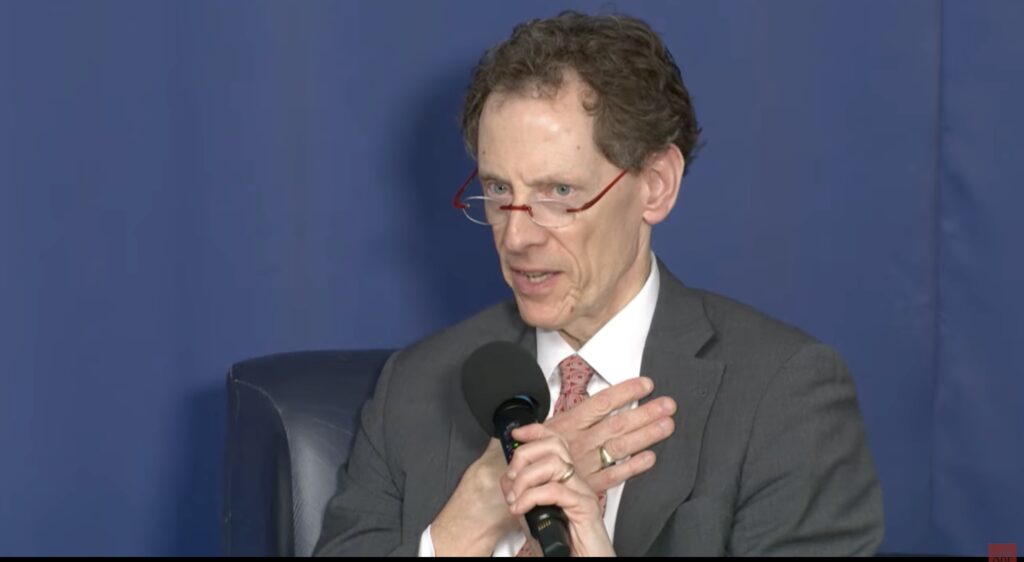
The US Congress needs to exercise oversight over the bilateral global health agreements that the United States has reached with 30 low- and middle-income countries, relative to the 2025 congressional budget, as they represent a decrease of around a third in allocated spending.
Mark Lagon of the Friends of the Global Fight against AIDS, TB and Malaria, told this to a meeting on financing health equity and security, organised by the AIDS Healthcare Foundation and UNITE Parliamentarians Network for Global Health in Washington DC on Tuesday.
“In many countries, the US will no longer be doing core global health work on maternal and child health, family planning, and non-communicable diseases. They’re barely in the MOUs negotiated with African and other countries,” Lagon warned at the meeting held on the outskirts of the World Bank’s spring meeting.
US funding for bilateral malaria and TB programmes has stopped, while funding for “social interventions and education are falling away in favour of commodities and services,” Lagon added.
“Those countries that don’t have MOUs, or even have been bold in refusing them, face disasters – South Africa, Tanzania, Zimbabwe and Zambia. Finally, those countries that have agreed to the MOUs have co-financing targets that may not be feasible,” he said.
Not just the US….
Lagon also said that, while there had been global focus on the US cuts to Official Development Assistance (ODA), several other advanced industrial countries had made similar cuts.
“If you look at Global Fund’s Replenishment last November, the Trump administration pledged $4.6 billion, but Germany and Japan cut their contributions by 50%, and a co-host of the replenishment, the UK, with the Prime Minister announcing it without embarrassment, had a 30% cut.”
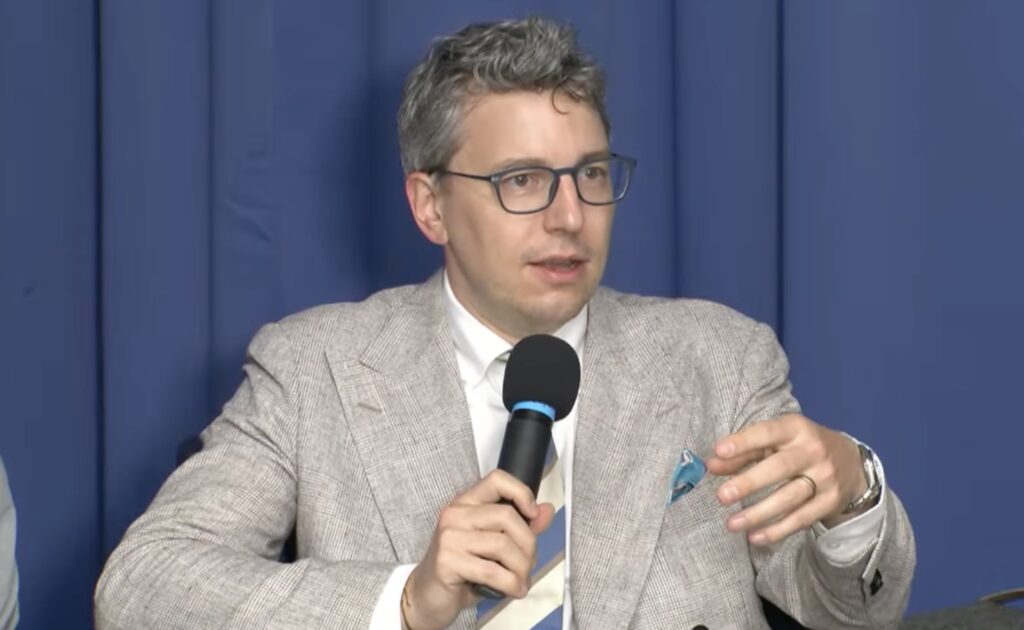
Sven Clement, UNITE member and chair of the Board of the Parliamentary Network on the World Bank and IMF, said that the United Nations had reported two weeks ago that only four countries are on track to spend 0.7% of their Gross National Income (GNI) on ODA spending in their budgets.
The UN General Assembly had accepted this 0,7% target back in 1970. However, Li Junhua, UN Under-Secretary-General for Economic and Social Affairs, reported recently that 25 countries had decreased their ODA last year, leading to a 23% drop in ODA from 2024 to 2025 – the largest annual contraction on record.
“Only four countries met the 0.7% target – Denmark, Luxembourg, Norway, and Sweden,” said Li. “Based on preliminary data, ODA is expected to further decline by another 5.8% in 2026. Developing countries, especially the poorest, face mounting debt, with debt service burdens hitting 20-year highs.”
Highest debt repayments in two decades
Debt payments are at their highest level in two decades, according to the UN, particularly affecting investments in health, education and climate resilience.
AHF’s Kemi Gbadamosi told the meeting that over 3.3 billion people live in countries that “spend more on servicing debt than on education and health combined”.
While interest rates on debt had increased, many countries’ annual spending on health had stagnated at $17 per person – yet a basic health package cost $60, she said.
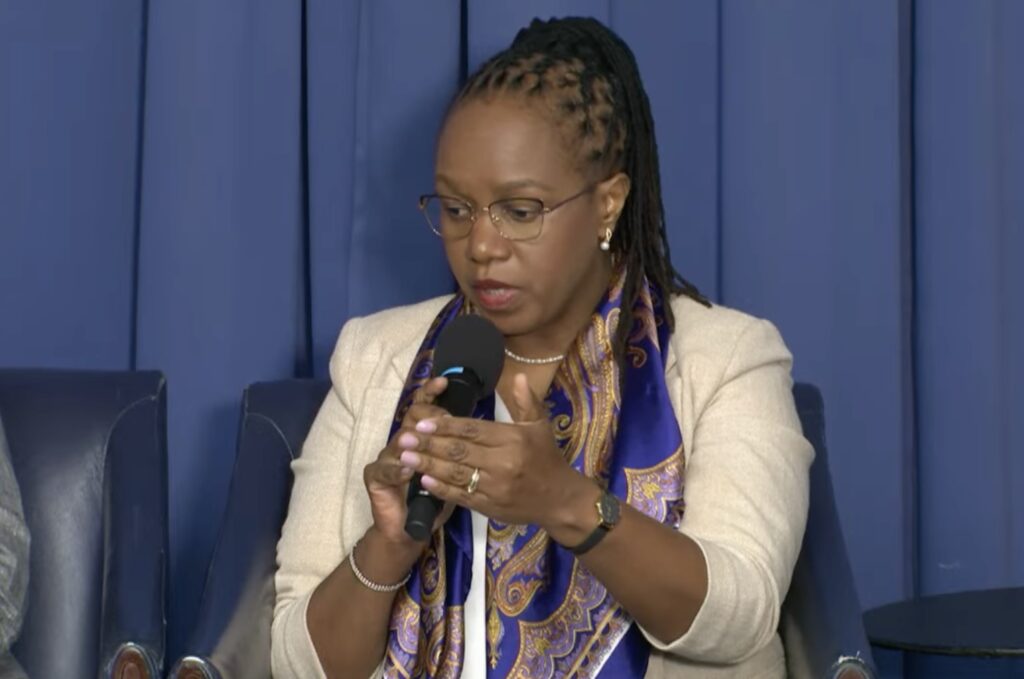
Rosemary Mburu, executive director of WACI Health, told the AHF meeting that, aside from debt, African countries faced “a high rate of access to capital,” accessing credit at an interest rate of about 10% while wealthier countries accessed the same credit at around 2% of interest rate.
“More than half the world’s population – 4.5 billion – are without access to essential health services,” said Mburu.
Crises exacerbate pandemic risk
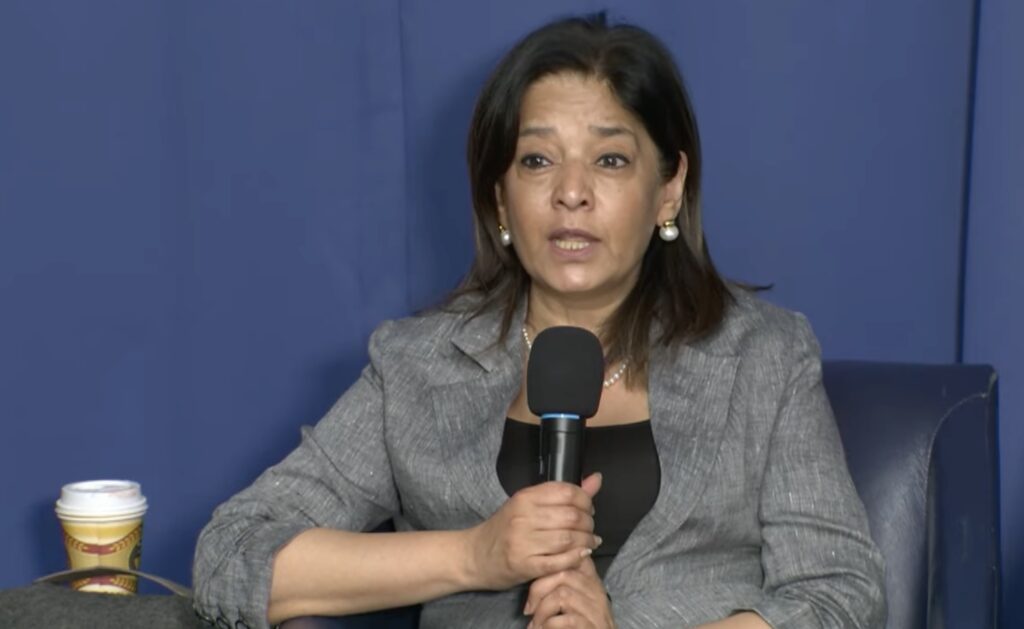
“Scientists predict that there is more than a 50% chance of another COVID-like pandemic hitting us in the next 20 to 25 years,” warned Priya Basu, the Pandemic Fund’s executive director.
“Pandemic risk is exacerbated by climate change, by changing land use patterns, by urbanisation, by changes in biodiversity,” she added.
She urged countries and leaders not to neglect pandemic preparedness in the midst of “multiple crises and multiple challenges”.
“Let’s not fall into a cycle of neglect followed by the panic of COVID-19,” said Basu. “If there’s one lesson that COVID taught us, it’s that the cost of being unprepared.
“The cost of being unprepared is tremendous, in terms of lives lost, trillions of dollars in world GDP lost; hard-won gains in economic development being reversed.
“After COVID, the smart calculus for any finance minister or leader to make is to invest in preparedness.”
Clement said that NATO countries are now on track to spend 5% of GDP on defence, yet “spending for health is something that should fall under resilience spending, the 1.5% that we’re currently looking at NATO”.
“If you don’t have a healthy population, you can’t be resilient against external shocks. So first of all, we don’t necessarily need to reprioritise. We just need to be very intelligent in how we account for different kinds of spending,” he added.
Combat the infodemic in health information and support health policy reporting from the global South. Our growing network of journalists in Africa, Asia, Geneva and New York connect the dots between regional realities and the big global debates, with evidence-based, open access news and analysis. To make a personal or organisational contribution click the donate button below.