“When you aim to deliver zero, and that is the goal of eradication, what it means is every person, every community, every village is equally important.”
That is how Dr. Jamal Ahmed, WHO Director for Polio Eradication, explains why eliminating a disease requires a fundamentally different level of ambition than simply controlling it.
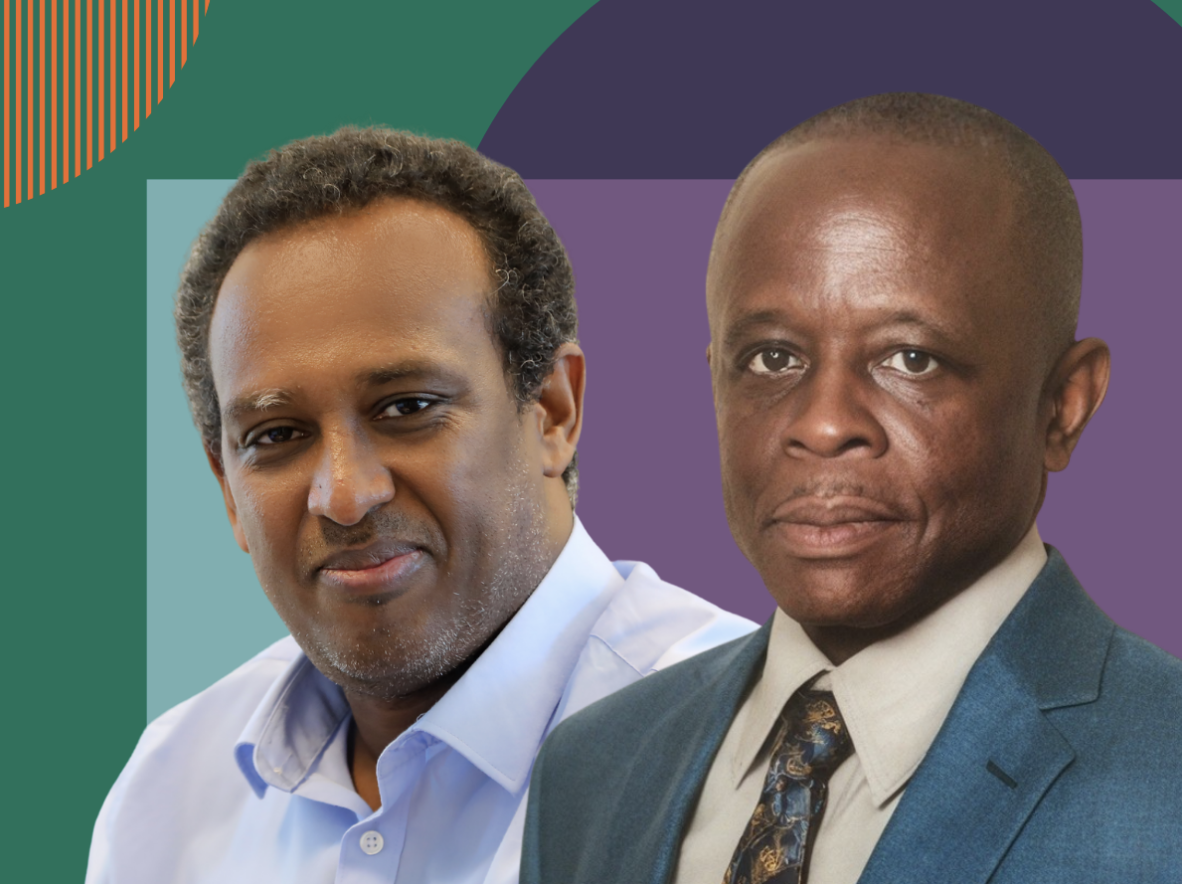
Speaking on the latest episode of Global Health Matters, Ahmed joined Dr. Stephen Vreden, Chair of Suriname’s Committee for Prevention of Reestablishment of Malaria, to discuss what it takes to drive a disease burden to zero and how countries can prevent it from returning once elimination has been achieved.
Suriname offers one of global health’s more striking recent examples. At the beginning of this century, the country had the highest malaria burden in the Americas. In June 2025, WHO certified it malaria-free, making it the first country in the Amazon region to reach that milestone.
Vreden said one decisive change came when Suriname stopped thinking only about malaria control and explicitly made elimination the goal. The country also created a network of people within remote gold-mining communities who were trained to diagnose and treat malaria and distribute insecticide-treated bed nets.
“I can easily say that without this network, Suriname would have never been able to eliminate malaria, because these people, they diagnose and treat malaria in places where you are not,” Vreden said.
Ahmed said the same principle applies to polio eradication, where community leaders, religious figures, grandparents and local influencers remain critical to reaching children in areas affected by insecurity, migration and mistrust.
But both experts warned that reaching zero does not mean the work is finished.
“Reaching elimination, being certified for malaria, it certainly doesn’t mean that you can sit back and relax, because you need to prevent reintroduction,” Vreden said.
For Ahmed, the remaining fight against polio likewise depends on sustained political commitment, surveillance, rapid response and global solidarity.
“Zero doesn’t mean zero locally; it means zero globally, everywhere, across the whole world,” he said.
Watch the full episode:
Watch and read about more episodes on Health Policy Watch >>
Image Credits: Global Health Matters Podcast.
Combat the infodemic in health information and support health policy reporting from the global South. Our growing network of journalists in Africa, Asia, Geneva and New York connect the dots between regional realities and the big global debates, with evidence-based, open access news and analysis. To make a personal or organisational contribution click the donate button below.