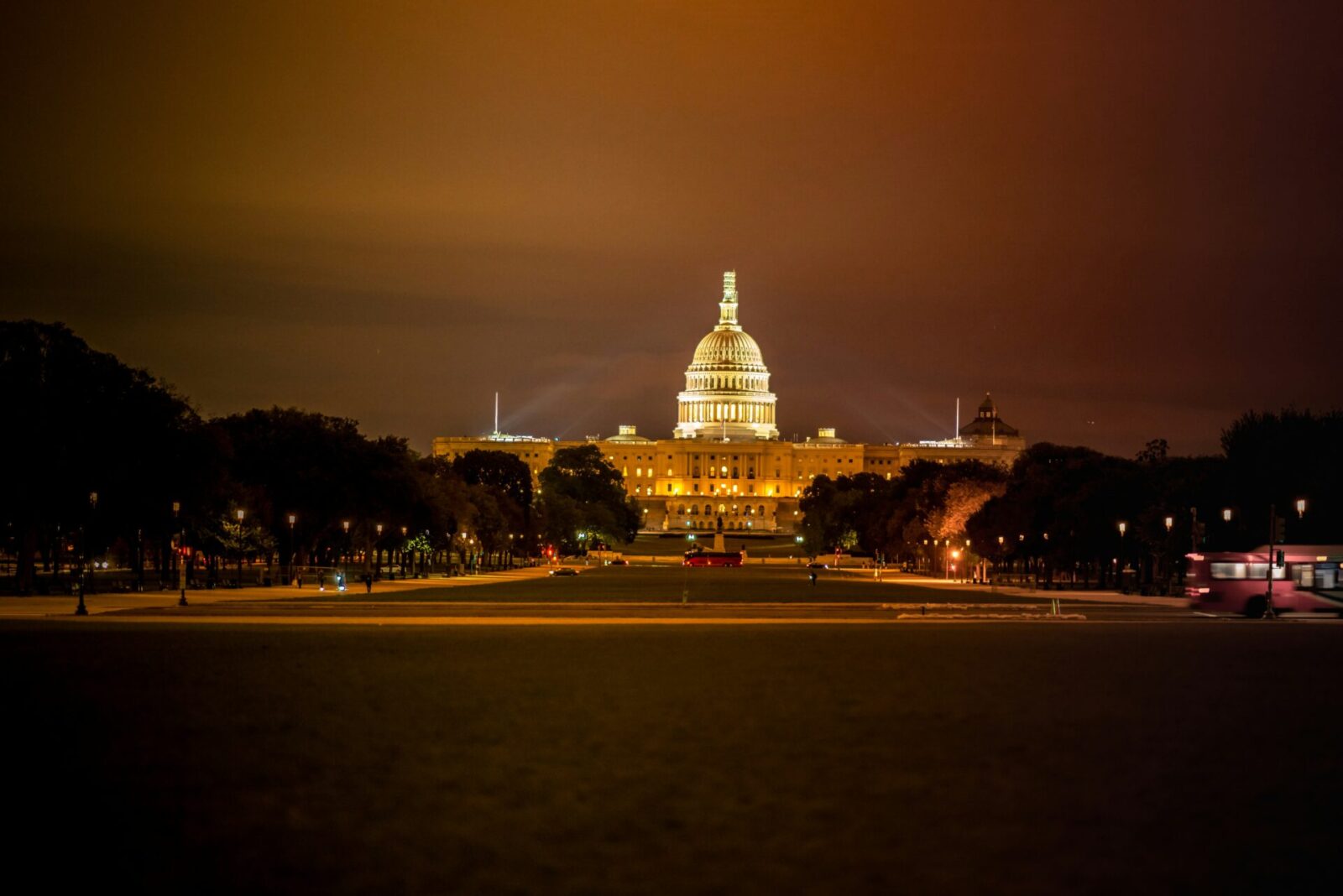
November’s US midterm elections swept Democrats into power in both the House and Senate, marking a shift in congressional leadership on key health policies. This comes as a former Trump administration official and a founder of the “Make America Healthy Again” (MAHA) movement accused the administration of catering to industry interests over the health of Americans.
WASHINGTON – The “blue wave” that swept the US delivered a stark rebuke of the Trump administration’s unprecedented health policies. Voters registered their disapproval of steep Medicaid and food assistance cuts, MAHA-vaccine policy upheavals, and MAHA messaging that has failed to resonate in a year of high inflation and fuel costs.
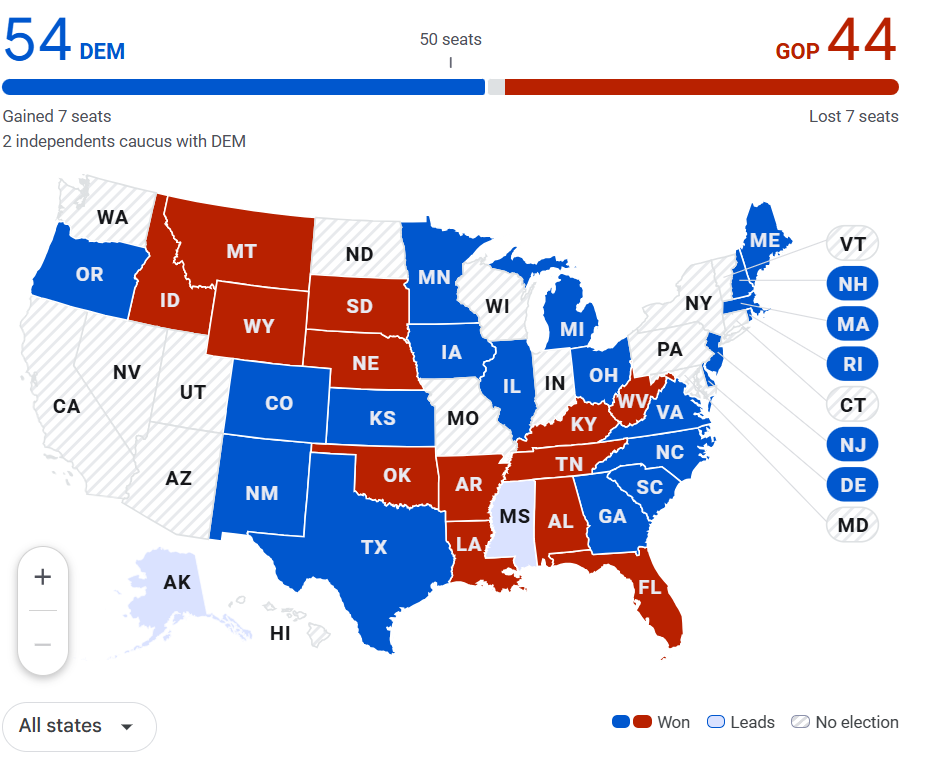
As of 9 November, the Democratic Party held the Senate majority with 54 seats and the House of Representatives with 254 members. Democrats also won in state-level and gubernatorial elections to the surprise of seasoned pollsters – including in deep red states like Texas, Kansas, Iowa, and Ohio. Several races are yet to be called but will not change the cemented Democratic majority.
The election – held halfway into President Trump’s second term – sent a strong signal that Americans are unhappy with, among other policies, the incumbent Republican agenda of deep health care cuts, about-face MAHA policies on pesticides and environmental protections, and turmoil in public health preparedness as the measles virus has sickened over 5,000 Americans this year alone.
The results set the Democrats to reshape health policies come January – and exert their oversight powers through investigations of key administration officials.
Over three-quarters of voters stated government corruption was a top issue in exit polling.
Congressional leadership change

Democratic victories netted the party at least seven seats in the Senate and more than 40 in the House, securing control of both chambers when the 120th Congress convenes in January 2027.
With these changes, the party will control powerful congressional committees, including the Senate Health, Education, Labor, and Pensions (HELP) Committee, which oversees legislation and policy relating to public health, health care, and biomedical research. Senator Bernie Sanders (I-VT), who caucuses with Democrats, is poised to chair the HELP Committee.
Notably, the HELP Committee oversaw all confirmation hearings for health agency leaders in the first two years of the Trump administration, including for Health and Human Services (HHS) Secretary Robert F Kennedy Jr.
HELP chair and doctor Sen Bill Cassidy (R-LA) lost his seat, as did another HELP member, Senator Susan Collins (R-ME), who was known for championing biomedical research funding.
The Senate Appropriations Committee will also change hands, giving Democrats greater influence over federal spending priorities, including funding for the National Institutes of Health (NIH), Centers for Disease Control and Prevention (CDC), and other research agencies.
In the House, committees on Appropriations, Energy and Commerce, and Ways and Means will also come under Democratic leadership. The Energy and Commerce Committee is particularly consequential for science and health policy, given its jurisdiction over the NIH, FDA, public health, and environmental quality. Frank Pallone (D-NJ) is seeking the chairmanship, while Rosa DeLauro (D-CT) is expected to lead Appropriations and Richard Neal (D-MA) to lead Ways and Means.
The Democrats will be able to influence the kinds of bills introduced and prioritized by leadership, and call in administration officials for questioning.
Although the party holds a Senate majority, it lacks the 60 votes generally needed to overcome a filibuster, as well as the two-thirds majority needed to override a presidential veto.
‘First 100 hours’ vows to undo Trump cuts
A health policy agenda circulated prior to the elections by House minority leader Hakeem Jeffries (D-NY) outlined immediate, ambitious action in the first 100 hours and 100 days of the legislative session.
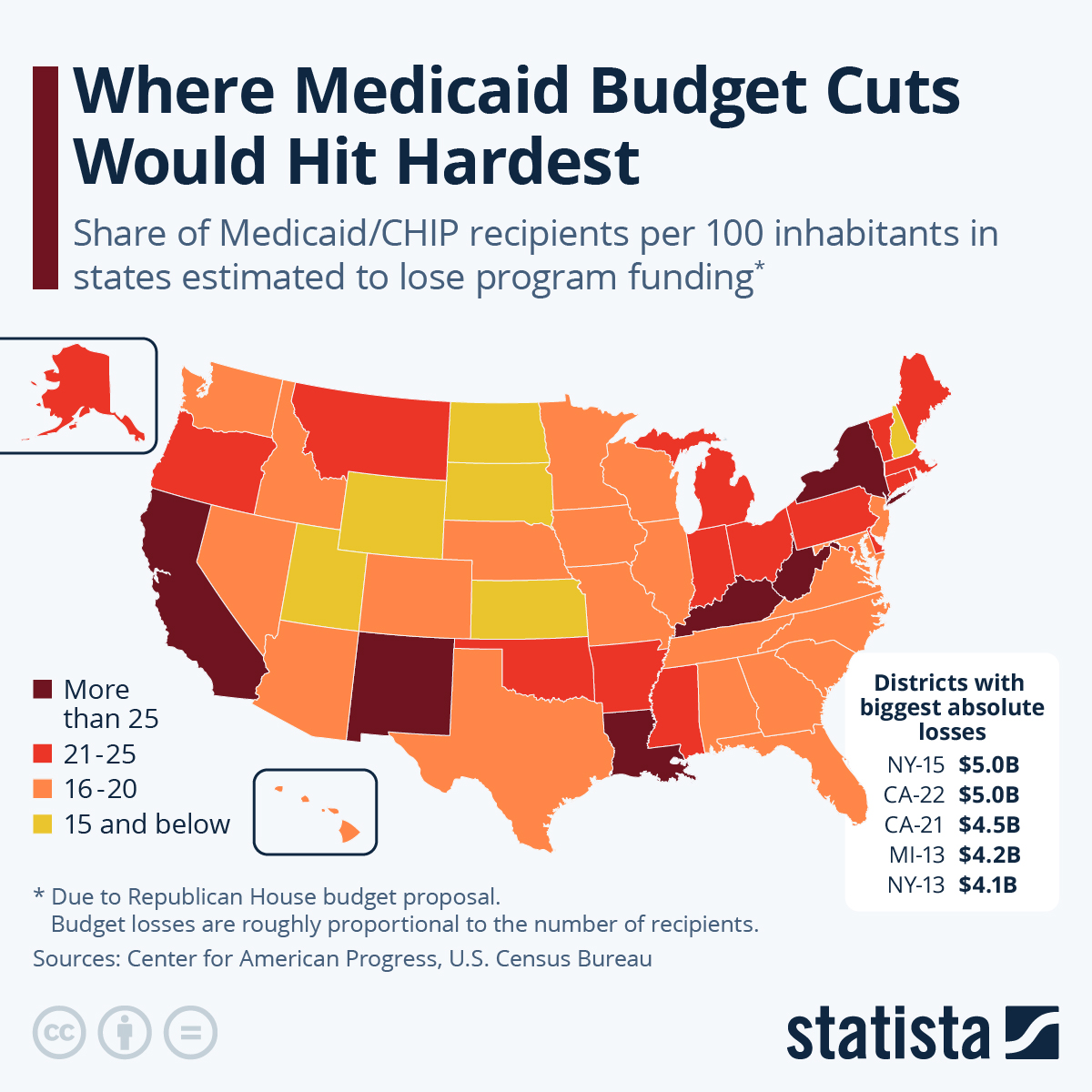
The plan includes a repeal of the steep 2025 Medicaid coverage cuts in the “Big Beautiful Bill” (HR1), restoring supplemental nutrition assistance program (SNAP) coverage, and reinstating healthcare tax credits for the Affordable Care Act. The expired tax credits left millions of Americans facing higher health insurance costs.
The plan also aims to release National Institutes of Health (NIH) funding withheld by the Trump administration. Last year’s “catastrophic” cuts to the premier research funding agency led to thousands of NIH grants being paused, frozen, or terminated mid-project – including cancer and HIV/AIDS clinical trials.
“Scientists researching new cancer cures are neither culture warriors nor campus protesters. But so far, the biggest financial blows against academia have been borne by biomedical research,” wrote David Cutler and Edward Glaeser, professors at Harvard University, in a JAMA 2025 editorial.
Nearly two dozen Democratic candidates with science or medical backgrounds used this rhetoric to decry the Trump administration’s upheaval of the US scientific research enterprise.

Dr Jasmine Clark of Georgia, a microbiologist who will be the first woman to hold a STEM PhD in Congress, ran on a platform that would restore funding to the CDC and NIH, calling the cuts “unsustainable.”
“Years of research on life changing issues like asthma and air pollution, cancer treatments, measles-rubella, and HIV, have been lost due to attacks on science,” she said.
New cohort of physicians and scientists to focus on affordability
The incoming Congress features a near-record number of physicians and health scientists. Aside from Clark, pediatrician Annie Andrews of South Carolina and epidemiologist Abdul El-Sayed of Michigan are incoming senators who have promised to deliver on Democratic promises of expanded healthcare. El-Sayed especially leaned hard into “Medicare-for-All” messaging.
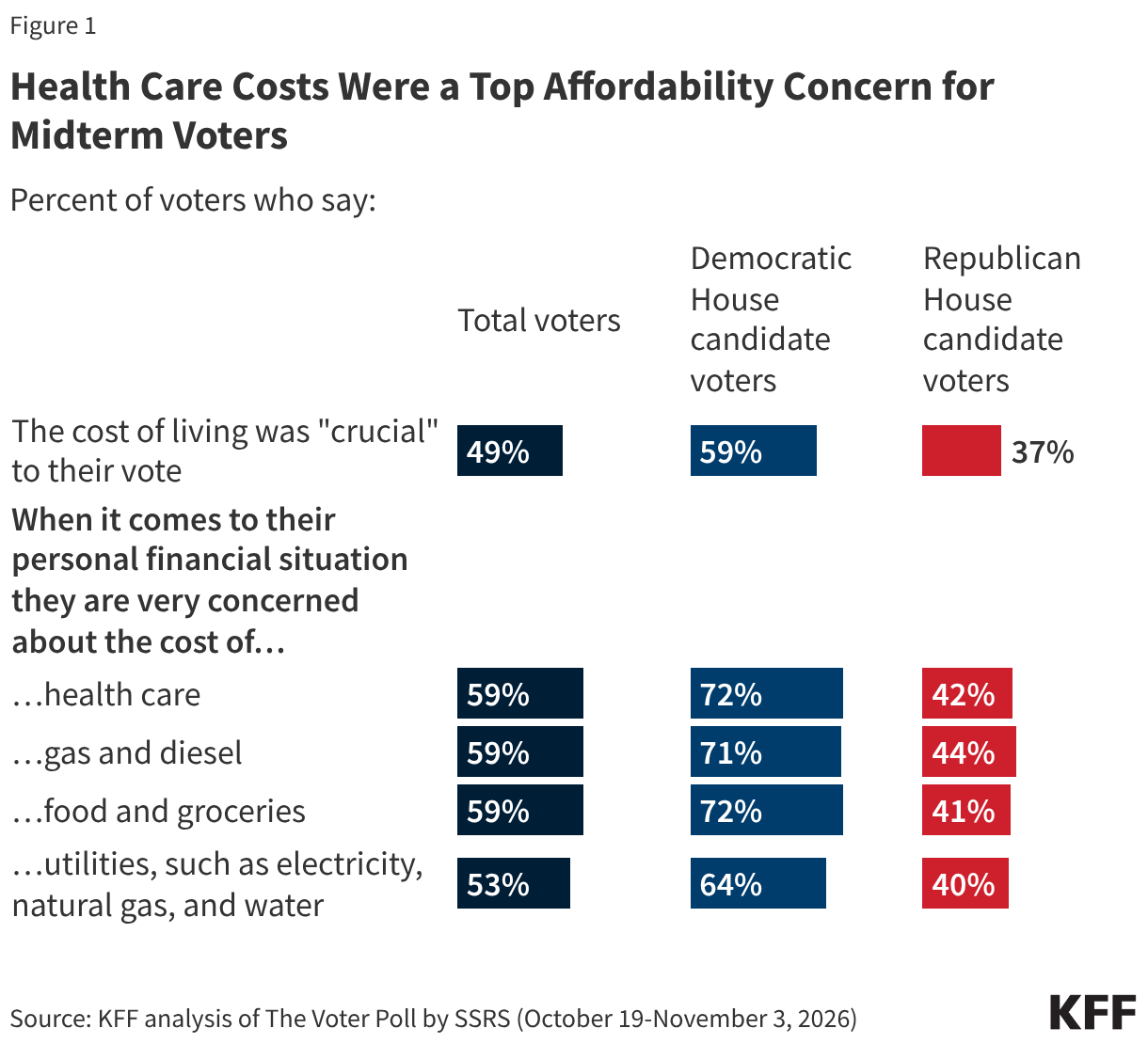
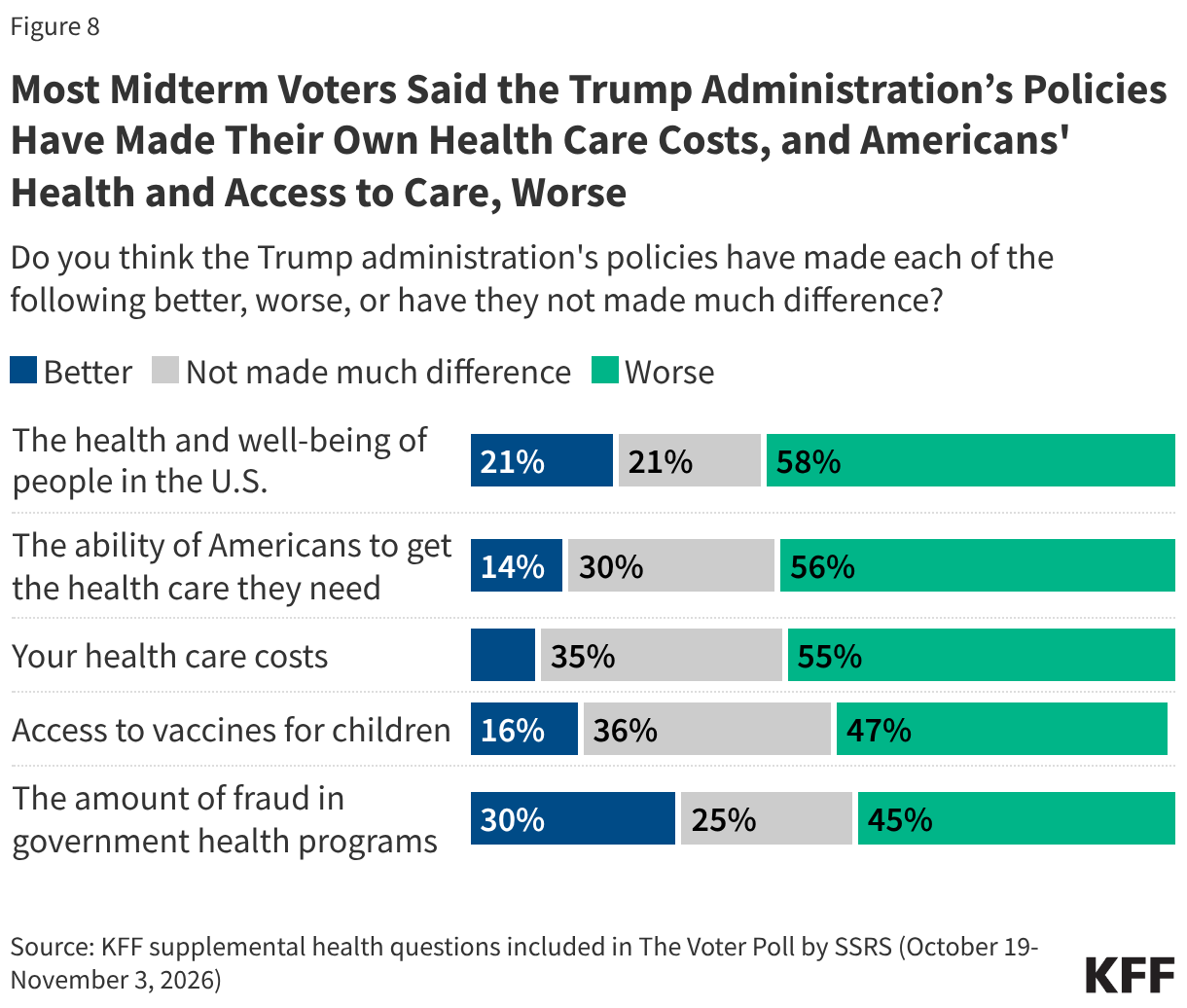
According to analysis from KFF, health care affordability was a leading issue for voters, with six in 10 voters saying they were “very concerned” about the costs. Their polling also revealed broad discontent with two pillars of Republican health policies: government health program fraud crackdowns and making America healthy again. A majority of voters said the administration made both worse.
“Most midterm voters appear to reject the idea that the Trump administration’s policies have made America healthier,” KFF analysts said in their report of election sentiment data.
MAHA agenda failed to win voters

These sentiments extended beyond health care costs. The MAHA coalition that propelled Kennedy into his prominent role have united against what they perceived to be the most insidious health threats to Americans: pesticides, ultra-processed foods, vaccines, and even public water fluorination.
Many of these policies focused on tackling the industries that drive poor health, including Big agriculture, pharmaceuticals, and food.
While the administration revamped dietary guidelines that focused more on protein, it failed to regulate ultra-processed foods, including offering a definition of what ultra-processed food is.
Calley Means, a senior advisor to Kennedy who resigned shortly before the Midterms, said over the weekend that the MAHA agenda had failed due to the Trump administration’s industry interests.
“Underneath Trump’s nose…you had a group of former lobbyists, catering to the vaping industry, catering to the ultra-processed food industry, catering to the pharmaceutical industry, catering to the pesticide industry and doing their bidding with an excuse that we need their money for the midterms and [need] to go against what voters said,” Means told CBS in an interview that aired Sunday.
Means also accused several Trump administration officials of undermining the MAHA agenda, telling CBS that these advisers were “taking money from the industries we ran on fighting against.”
MAHA supporters also felt betrayed when the Trump administration issued an executive order boosting the production of glyphosate, a pesticide banned in many countries for its adverse health and ecological effects.
The Republican candidates’ failure to strike a resonant chord with voters in the elections could reshape the MAHA coalition’s alignment with MAGA Republicans in favor of Democrats.
Several Democratic members of Congress have stated their support of MAHA tenets such as fixing the US food supply and protecting environmental health.
Rep Chellie Pingree (D-ME) launched a “Fix Our Food Caucus” and has long worked on popular MAHA issues.
“If RFK survives all this, I hope we can get the focus back on healthier foods, food is medicine, and straighten out the CDC and vaccine side of it,” Pingree said in an interview.
But she also said she would “absolutely” call in the Environmental Protection Agency’s director, Lee Zeldin, for questioning on the unprecedented deregulation of pollution, pesticides, and environmental protections.
Measles crisis bungled, calls for Kennedy’s impeachment
Congressional Democrats are looking to exert their oversight authority on Kennedy through subpoenas, investigations, hearings, and even removal from office.
“I want to hold RFK Jr accountable for the damage that he has done to America’s public health system,” Andrews said in an interview following her election. “He is the reason that Spartanburg County, South Carolina, had a measles outbreak just last year.”
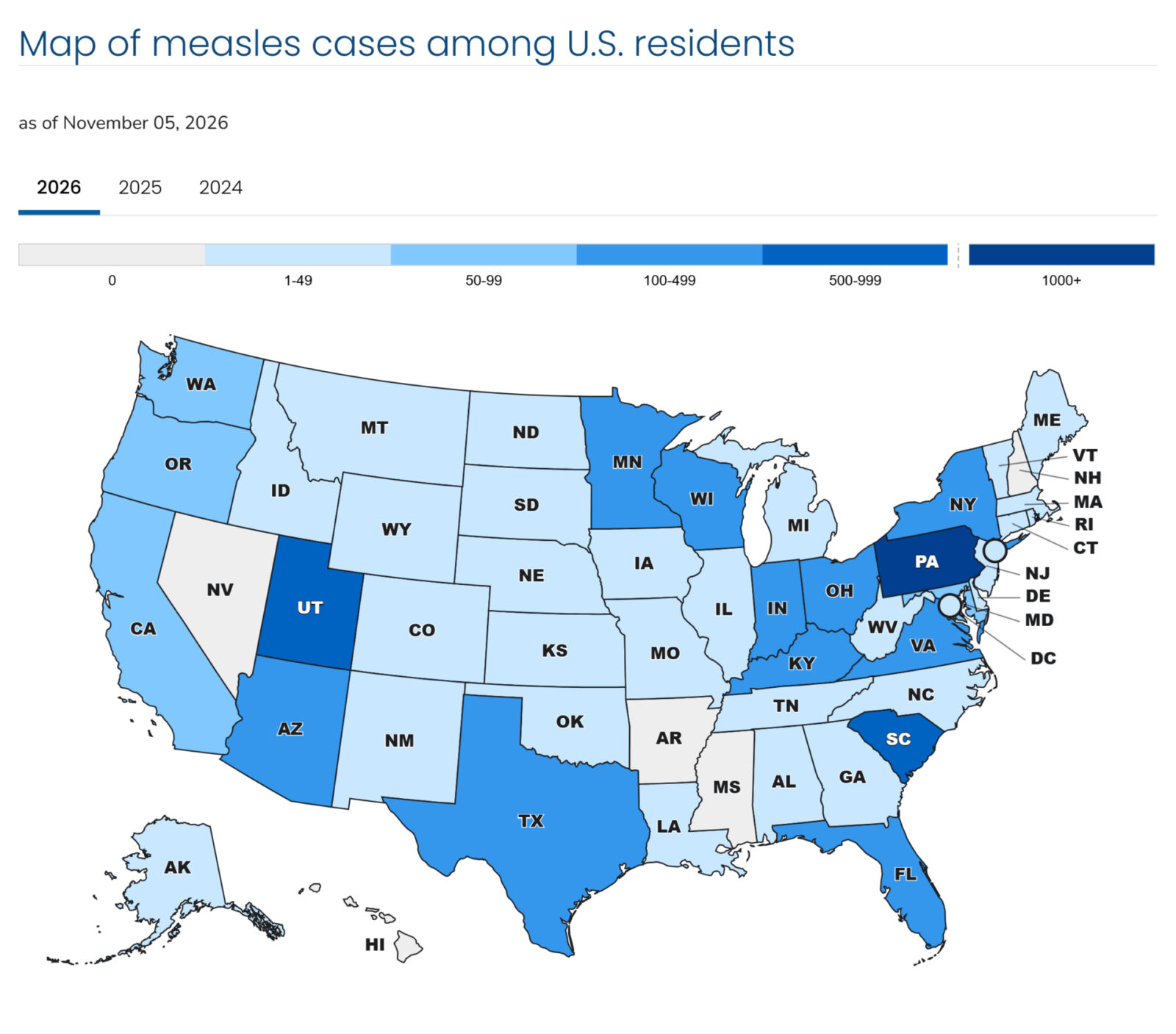
Measles cases in the US have surpassed 5,000 – the highest number of infections since the 1990s. The virus, which can cause severe and permanent complications such as severe pneumonias and brain infections, is vaccine-preventable. Several states have reported their first measles deaths in over three decades.

Kennedy has become a divisive figure in vaccine policy, backing a reduction in the number of recommended childhood vaccines and casting doubt on the efficacy of vaccines.
US public health agencies like the CDC and FDA have also seen massive workforce reductions in the past two years.
Sanders was asked whether he agreed with Andrews that RFK Jr should be removed from his role as HHS secretary.
“I am absolutely open to that,” Sanders said. “The bottom line is we need a secretary of HHS who is concerned about the health and well-being of our kids and all Americans, not involved in crazy conspiracy theories.”
Sen Ralph Warnock (D-GA) went further. “Unless RFK Jr is interested in spending the next two years in front of Congressional committees, he should go ahead and resign now,” he said in a social media post.
Image Credits: Unsplash, HELP Committee, AP, Statista, KFF, Jasmine4GA, drannieandrews, James Baltz, CIDRAP, CDC, CSPAN.
Combat the infodemic in health information and support health policy reporting from the global South. Our growing network of journalists in Africa, Asia, Geneva and New York connect the dots between regional realities and the big global debates, with evidence-based, open access news and analysis. To make a personal or organisational contribution click the donate button below.