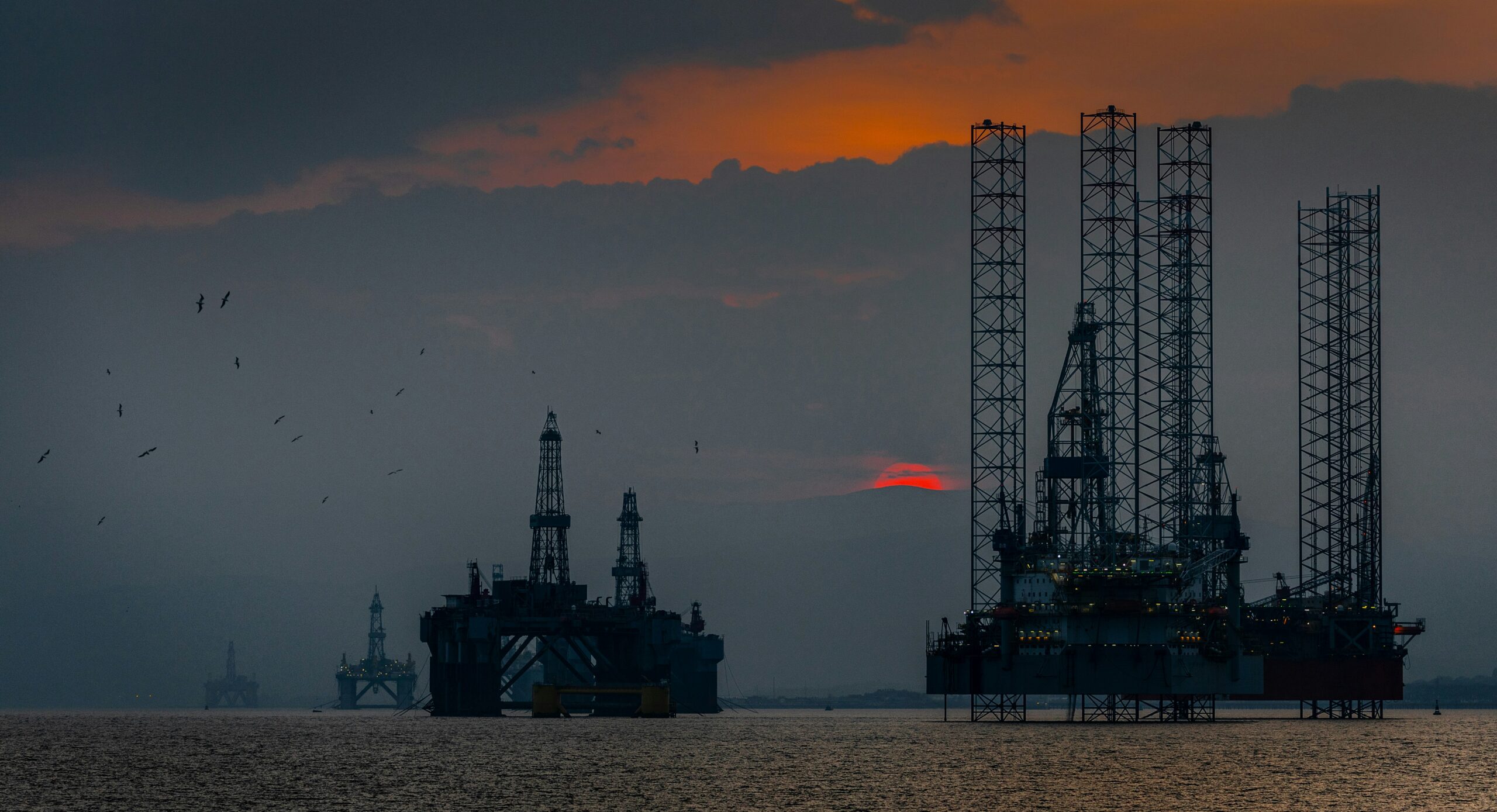
More than 50 countries are gathering this week on Colombia’s Caribbean coast to launch a coalition for phasing out fossil fuels, as a third month of war in Iran exposes the costs of a global economy run on the oil, gas and coal driving the climate crisis that decades of deadlocked UN climate talks have failed to curb.
No outcome text, funding or binding legal commitments are expected to come out of Santa Marta. Yet that the meeting exists at all – and is attended by several major fossil fuel powers including Australia, Canada, the United Kingdom, Nigeria and Norway – is a source of optimism for observers hoping it may be the start of a wind change in climate politics.
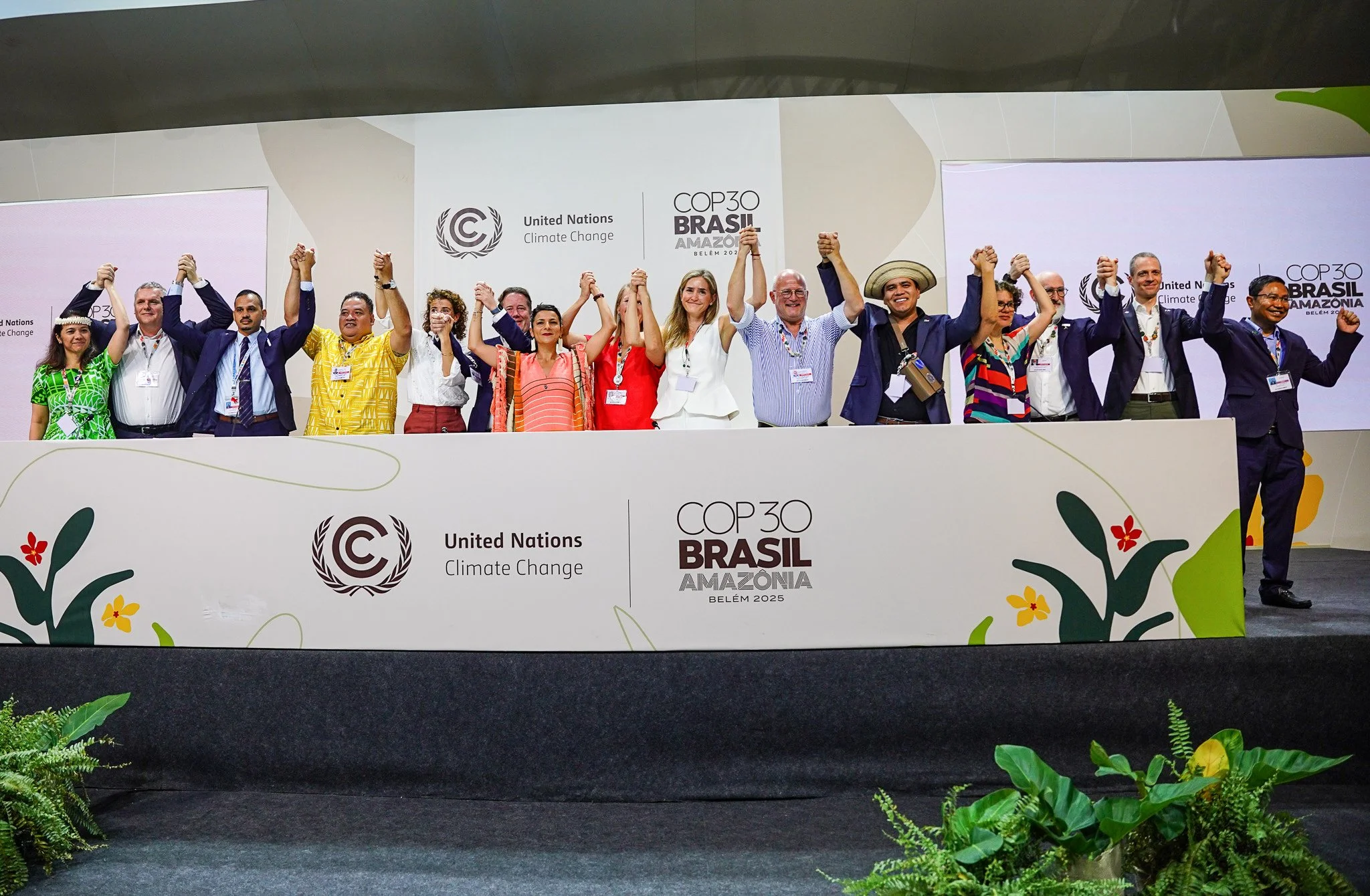
The final tally of 54 states attending the first-of-its-kind conference is more than double the number of founding signatories who joined Colombia’s initiative as UN climate talks collapsed at COP30 in Belém last November.
Combined, the coalition in Santa Marta represents around half of global GDP and 2.5 billion people, roughly a third of the global population.
“The task for those attending is clear: not to debate whether to phase out fossil fuels but to determine how to do it – rapidly, fairly, and in line with science and the law,” said Nikki Reisch, director of climate and energy at the Centre for International Environmental Law. “It has never been more urgent to leave behind oil, gas and coal than it is today.”
Ministers and high-level delegations arrive on Tuesday and will negotiate through Wednesday evening. The primary goal, its host Colombia said, is “to launch an international coalition to jointly implement the transition away from fossil fuels.”
“We need a multilateralism that is more deeply rooted in the people and not just in governments, biases or economic lobbying,” Colombian environment minister Irene Velez-Torres told AFP. “We need new alignments, new alliances. In that sense, we are a new power today,” she said, pointing to the global coalition in attendance.
Fossil fuels are also driving a mounting public health catastrophe. Heat exposure now claims an estimated 546,000 lives annually, while air pollution from burning oil, gas and coal kills another 2.5 million people each year, according to the Lancet Countdown on health and climate change.
“Fossil fuels are causing immediate harm,” said Jeni Miller, executive director of the Global Climate and Health Alliance, a consortium of more than 250 health organisations that submitted recommendations to the conference. “Phasing them out is not only about protecting the planet but also about saving lives in the near term, reducing strain on health systems, and creating greener, more just, and healthier societies.”
The talks will aim to allow space for constructive negotiations among like-minded nations, unencumbered by the consensus-based UN system. Agreements at COPs require all 200 nations to sign off on the final text, a system which has allowed petrostates to block progress for decades.
“The consensus methodology has resulted in a de facto veto against countries like Colombia that want more ambitious discussions on decisions, particularly related to fossil fuels,” Velez-Torres said.
Who’s at the party?
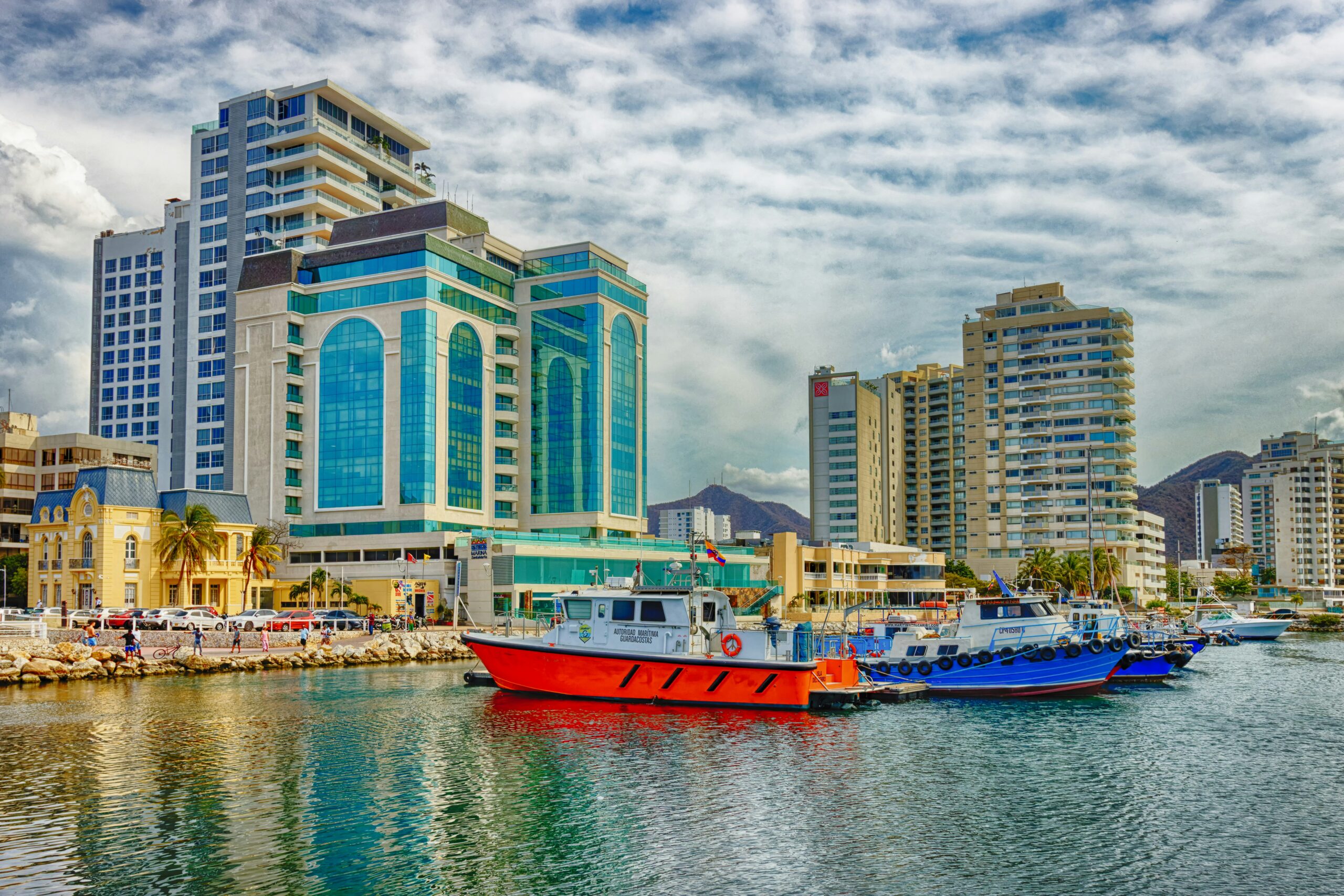
Participants in Santa Marta include the European Union, the United Kingdom, small island developing states on the frontlines of sea level rise, several dozen developing nations, and COP31 co-hosts Turkey and Australia. Organisers said more than 2,600 civil society and indigenous community representatives are also in attendance in-person and online.
Fossil fuel superpowers in the Gulf, the United States and Russia are not present. The world’s other biggest emitters including China, India, Iran and Japan, will also be absent.
But unlike UN proceedings, which invite all member states by default, the tone struck by Colombia and the Netherlands is different: if you’re not going to help, don’t come.
“We are not going to have boycotters or climate denialists at the table,” Vélez-Torres told the Guardian. “Whatever nations have not yet taken that decision, then this is not the space for them.”
“Despite our differences, all participants agree on the need to prioritise science and to move forward, urgently and in a coordinated manner, toward phasing out the production and consumption of natural gas, coal, and oil,” she added in a statement shared by the summit presidency.
The United States, for example, was not even invited. The Trump administration declined to send any delegation to COP30 in November — the first US absence from a UN climate summit since talks began in 1993 — and exited the Paris Climate Accord for a second time after President Donald Trump, who denies climate change, returned to office.
“The president has been clear that the United States will not participate in the bogus climate agenda,” Taylor Rogers, a White House spokeswoman, said in a statement to the New York Times.
Green momentum
As the US-Israeli war on Iran enters its third month with no clear end in sight, its shockwaves have caused the largest energy crisis in history – one that International Energy Agency chief Fatih Birol recently described as “worse than those of 1973, 1979, and 2022 combined.”
It is the second major war-driven oil price shock in less than five years, after Russia’s invasion of Ukraine, and the crisis third since COVID-19 shut the global economy in 2019. That cascade of global crises is reshaping how COP negotiators are approaching this year’s summit.
“No one has said this crisis is a reminder that we need to be more reliant on fossil fuels,” said Chris Bowen, Australia’s climate minister and lead negotiator for COP31, in his first interview in the role with the Guardian. “There’s a real appetite to emphasise reliability and energy sovereignty this year, and I think that does open up more opportunities for COP31.”
The new war makes Colombia’s conference notably prescient, demonstrating the stability renewables could offer energy systems insulated from oil shocks. Wind gusts and sun rays – unlike roughly 20% of the world’s oil, gas and fertilizer – cannot be blocked in the Strait of Hormuz.
“Sunlight travels 93 million miles to reach the earth,” environmentalist Bill McKibben wrote in a recent analysis. “None of them through the Strait of Hormuz.”
Green momentum is visible around the world. Amid the Iran war, China smashed its previous solar technology export record by 50% in March, with the largest growth in Asian and African countries most reliant on Middle East fossil fuels, according to the energy think tank Ember.
Last year, electricity from low-carbon sources overtook coal for the first time, and solar power generation rose 33% in 2025 as fossil fuel generation remained flat, Ember found.
“Fossil shocks are boosting the solar surge,” said Euan Graham, a lead analyst for the Ember report. “Solar has already become the engine of the global economy, and now the current fossil fuel price shocks are taking it up a gear.”
Some analysts have suggested developing nations may turn to home-produced coal to offset the shock, but solar is simply more competitive on cost and growth in the long- and short-term, Birol said.
“COPs are unlikely now to be Paris or Copenhagen — outstanding successes or heartbreaking failures,” Bowen added. “COPs are more likely to be incremental progress. The question is how big that progress is.”
Fossil fuel superpowers reap billions from crisis

Yet even as renewables surge, windfall profits from the oil crisis continue to flow into the coffers of nations pivotal to blocking UN climate agreements.
Russia, the United States and Saudi Arabia stand to gain the most: billions in new funding for Vladimir Putin’s war chest amid a grinding war in Ukraine, $60 billion in projected windfall profits for US oil and gas, and soaring values for state-owned oil giant Saudi Aramco despite major damage to its infrastructure in the war.
A climate-forward shift from this axis of obstruction at COP31 — its strategy now vindicated by the crisis — is unlikely.
The world’s top 100 oil and gas companies have earned an additional $30 million in profits per hour since the Iran war began. The oil and gas industry has made around $1 trillion in annual profits for over five decades, making it history’s most profitable industry.
The same constellation of fossil fuel nations derailed hopes for a legally binding plastics treaty in August. With energy demand for fossil fuels falling, the industry is increasingly rerouting oil and gas into plastic and petrochemicals, making production limits in any treaty an existential threat.
As coffers at ExxonMobil, Saudi Aramco and Rosneft fill, the World Food Programme estimates 45 million people will be pushed into hunger as a result of the oil and fertilizer crisis, with the toll potentially rising to record levels.
Out of the ashes of Bélem: a coalition of the willing?
Colombia launched the initiative in the final hours of COP30 in Belém, Brazil, when standoffs between countries supporting more ambition, and those blocking it, sent the summit into freefall. Two weeks of intensive negotiations ended in no concrete financial or legal outcomes from the much-hyped meeting in the Amazon – whose gradual is an iconic symbol of climate change.
The frustration from that collapse spurred Colombia to launch the last-minute call for a fossil fuel phase-out conference, which at the time drew just 24 signatures from the 200 nations present.
With 54 countries attending this week, the shape of Colombia’s initiative recalls a similar coalition that took years to build during negotiations for a legally binding plastic pollution treaty.
That alliance, the High Ambition Coalition, had 20 founding members when talks opened in Paris in 2022. By the final round in Geneva in August, its then 75 members had rallied some 120 nations behind core binding provisions, including phasing out harmful chemicals from plastic production.
That treaty ultimately fell short — blocked by the same axis of obstruction, this time led by Saudi Arabia and flanked by the US, Russia and Iran — but the negotiations produced real movement in global cooperation and national policymaking.
Campaigners are aiming for the the same arc of momentum to be played in the fossil fuels arena now but more successfully. The big prize would be a treaty modelled on what the plastics coalition tried, but failed, to build, this time aimed at production limits on oil, gas and coal.
“Santa Marta must support a coalition of the doers to recognise and remove legal barriers to halt oil and gas expansion — particularly offshore — and to pursue effective international cooperation on fossil fuel phase-out, through the future negotiation of a Fossil Fuel Treaty,” Reisch said.
“Phasing out fossil fuels is not just a scientific necessity and a legal obligation, it’s also a critical opportunity to break free from a destructive system.”
Image Credits: Ben Wicks, Yves Alarie.
Combat the infodemic in health information and support health policy reporting from the global South. Our growing network of journalists in Africa, Asia, Geneva and New York connect the dots between regional realities and the big global debates, with evidence-based, open access news and analysis. To make a personal or organisational contribution click the donate button below.