GENEVA – The 79th World Health Assembly closed last Saturday after a long week of negotiations over the globe’s most pressing health crises: financing gaps, rare diseases, a workforce shortage counted in the millions, a string of wars and humanitarian emergencies, and dozens of other resolutions.
Yet one policy area affecting half of the global population – men’s health – was, as almost every year, nowhere to be found on the agenda.
For an assembly built to tackle the deepest global inequalities, crossed with the intense competition for funds across all global health policy areas amidst what the WHO calls a “global health financing emergency”, the case for prioritising the world’s dominant sex is far from an easy sell.
Its counterpart, women’s health, remains badly underfunded and under-researched. Only 6% of private healthcare capital goes to research on conditions affecting women, 0.5% of all neuroscience research conducted since the invention of MRI in the 1990s considers factors specific to women, and fewer than 5% of clinical trials report sex-disaggregated data.
Women are also diagnosed later than men for more than 700 diseases, while spending 25% more of their lives in poor health than men.
“Most medical research has been on men’s bodies at the expense of women, so it is absolutely true that women’s medical research is underfunded,” Peter Baker, the chief executive of Global Action on Men’s Health (GAMH), who has worked in the men’s health space for nearly 50 years, told Health Policy Watch.
But that doesn’t mean men’s health is always well understood, Baker said. Nor, he argued, should a focus on men’s health entail less attention on the women’s health crisis.
“What the focus hasn’t been on is how to stop men getting ill,” he said. “We don’t know enough about how to prevent health problems in men, and that includes early diagnosis, getting men to use services sooner.”
“We don’t want men’s health to improve at the expense of women’s health,” Baker said. “We want the health of everyone to improve.”
‘Predestined to die young’
The numbers underpinning Baker’s case were highlighted in a new GAMH report launched at a World Health Assembly side event in Geneva, organised in collaboration with the Global Self-Care Federation.
Male life expectancy globally is 71.5 years, five years shorter than women’s. There is no country in the world where men live longer than women.
Men also face a higher burden than women across most of the top 20 causes of premature death, including cardiovascular disease, liver disease, and road traffic accidents, the report found.
Suicide rates hold perhaps the most tragic inequality: three in every four people who end their own lives globally are men.
“There’s a view that men are biologically predestined to die young, that we can’t do much about it, because it’s basically biological, which is completely untrue,” Baker said. “There’s a small biological element to men’s poor health, but it’s not the biggest factor at all.”
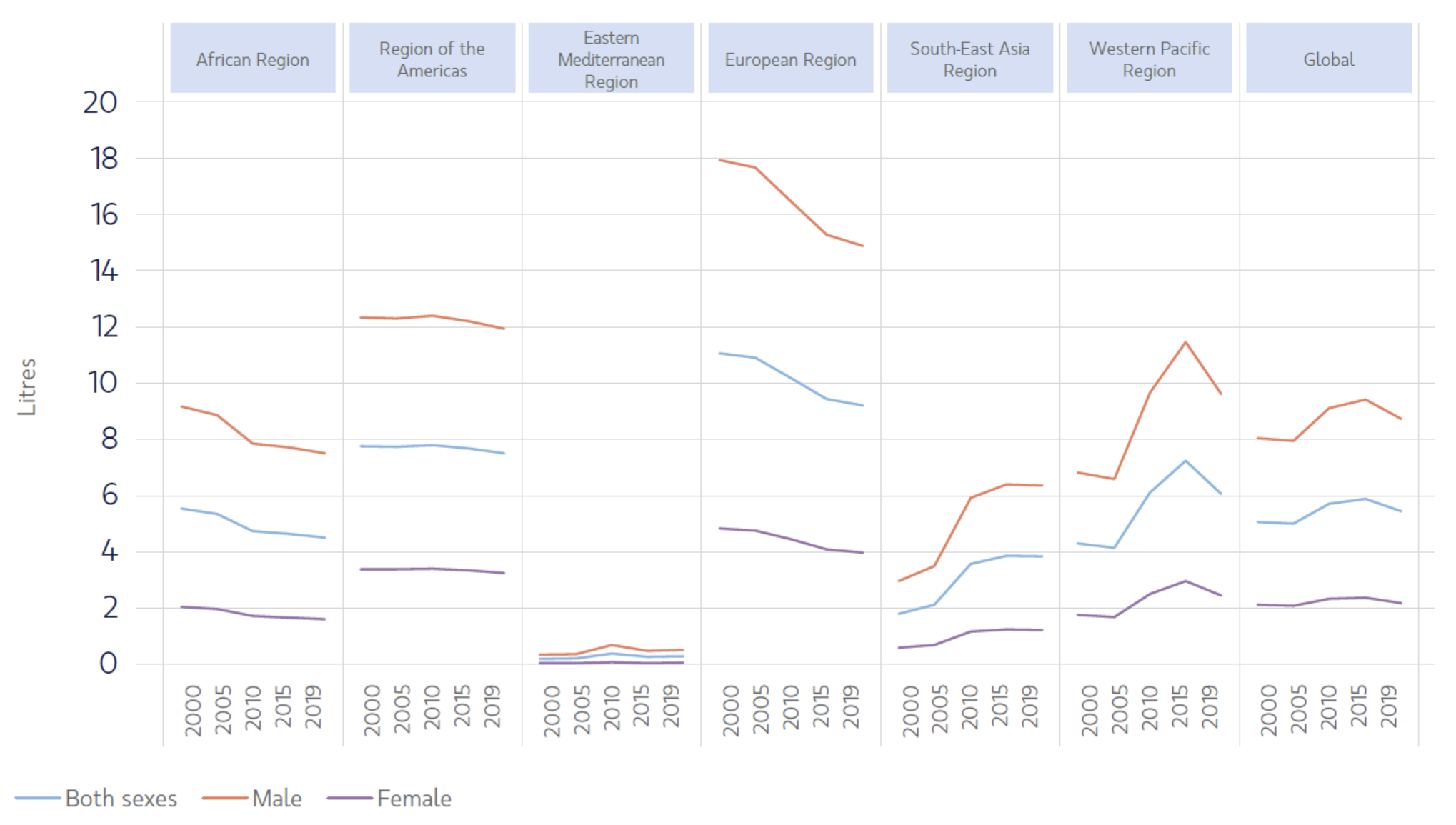
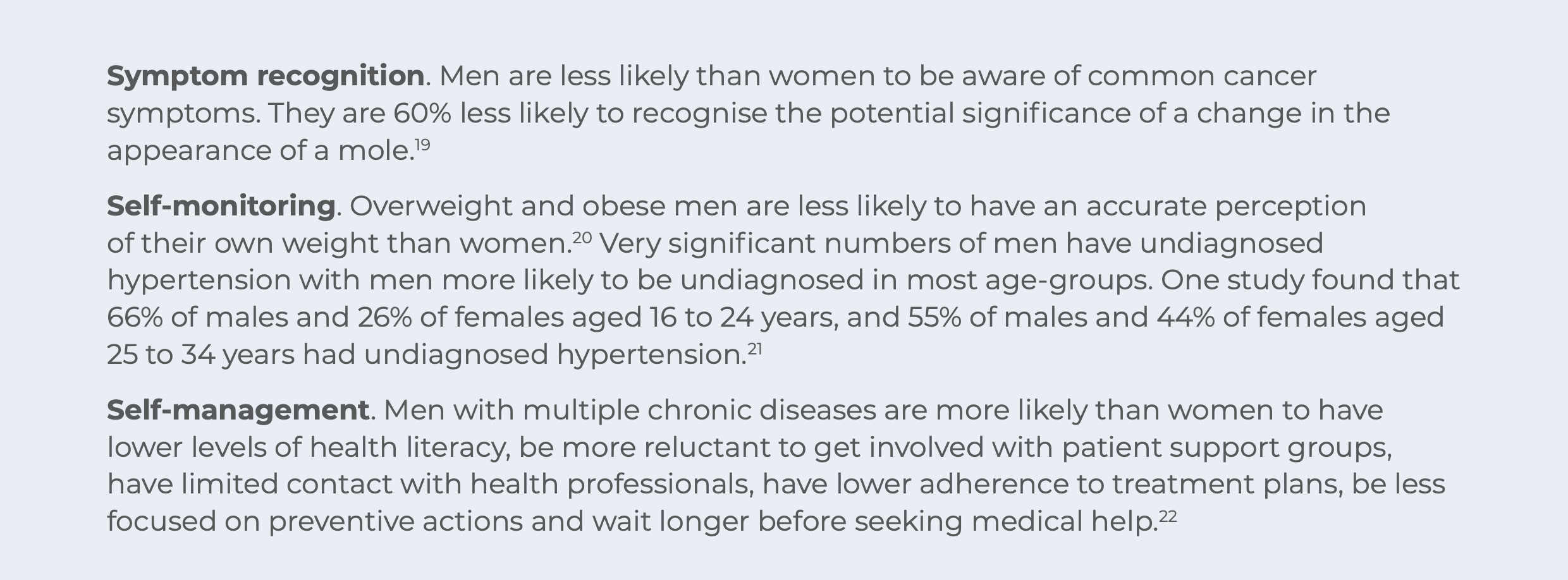
Men are much less likely than women to consume fruit and vegetables, more likely to drink alcohol heavily — 52% of men globally versus 36% of women — and five times more likely to use tobacco by 2030 on current trends. Men also are 60% less likely than women to recognise the potential significance of a change in a mole, a basic indicator of skin cancer awareness.
They also make up over one billion of the world’s 1.2 billion smokers. In some regions, including the Eastern Mediterranean and parts of Asia, over 90% of smokers are men.
The combined health effects resulting from this list of potentially deadly habits put men at significantly higher risks for liver diseases, lung cancers and respiratory illnesses, among other NCDs.
“Men aren’t some kind of distant, weird race,” he said. “Men are people’s fathers, their brothers, their sons. Most of us care about the men in our lives, want them to be healthy.”
A new report, and a push for policy
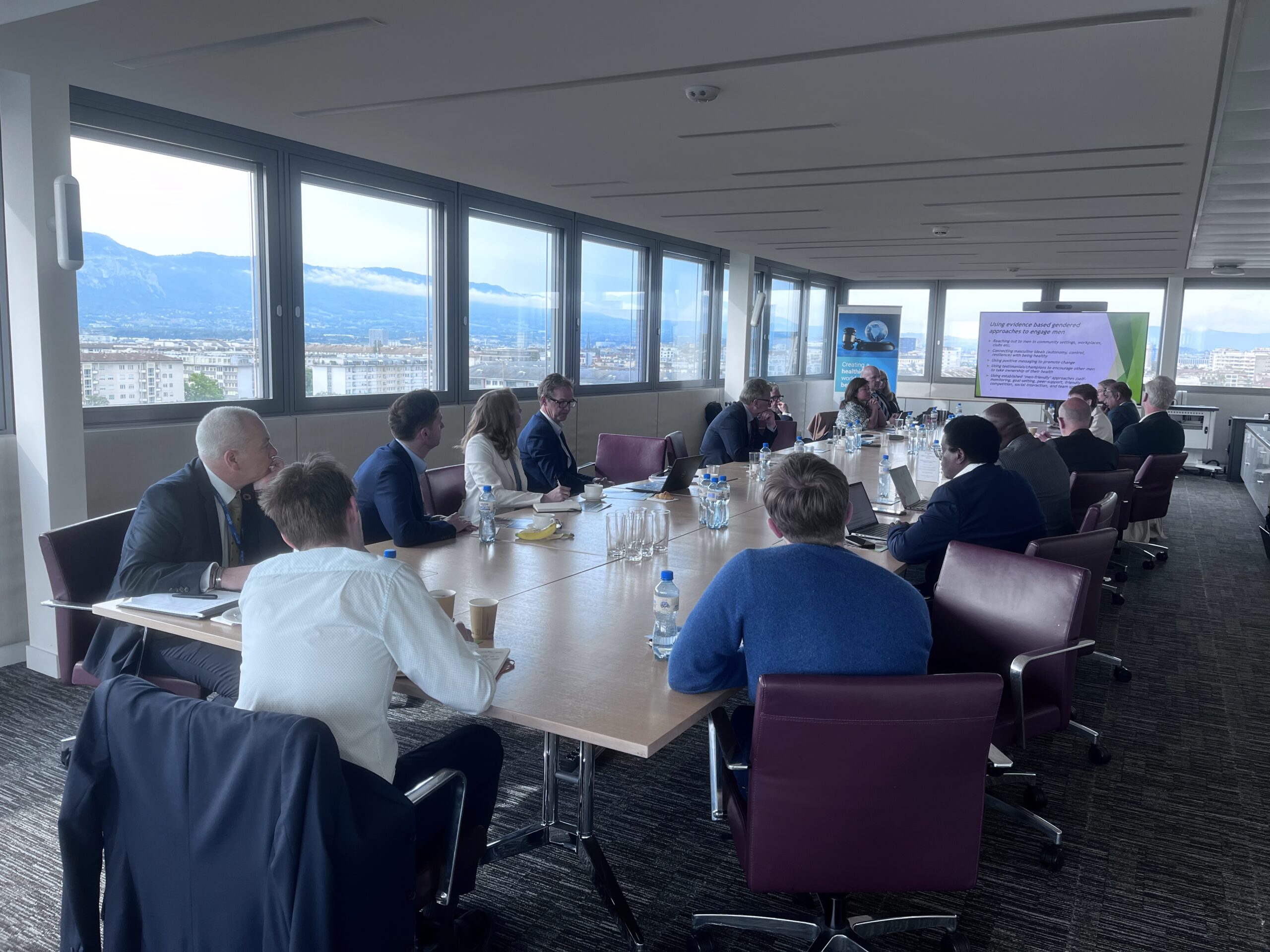
The launch, held in a 14th-floor boardroom with a view of Mont Blanc towering in the background, did not aim to attract a large crowd. But it set out a sprawling agenda, outlining six priorities at the intersection of men’s health and self-care.
Those include: embedding men in health policy, strengthening regulation of health risks, improving access to male-responsive services, building health literacy, training the workforce, and accelerating research.
The report argues self-care should be treated as a valuable health care intervention, integrated into national policies and health strategies, rather than purely a matter of individual responsibility. Yet its authors are careful to stress that self-care must be viewed as complementary to national health systems, pharmacy, and other central components of health infrastructure.
“Men have not figured in health policy in most countries and globally,” Baker told the Geneva meeting. “They are totally under-represented in health policy, so the key driver of change is not actually being addressed.”
Even the WHO’s own guideline on self-care interventions for health and well-being — a reference document for member states — mentions men 37 times. The equivalent words for women appear 170 times. Men are referenced only in the context of HIV and condom use. Mental health, infertility, male cancers, sexual dysfunctions and cardiovascular disease are absent.
Yet the reticence of governments to prioritise men’s health, Baker explained, is not a strict left or right issue – but a push and pull from opposite directions of the political spectrum all at once.
“Governments of the left tend to the view that women’s health is the priority, because women are the disadvantaged sex,” he said. “That if you throw resources at men, you’re taking resources away from women, and men don’t deserve special treatment because they are the privileged and powerful sex.”
“Governments on the right, on the other hand, don’t want to invest in men’s health because they see the male role to be powerful and dominant, and they don’t want to do anything which changes that,” Baker added. “That giving attention to men’s health makes men look like they’re weak when they should be strong.”
The economics of care for all
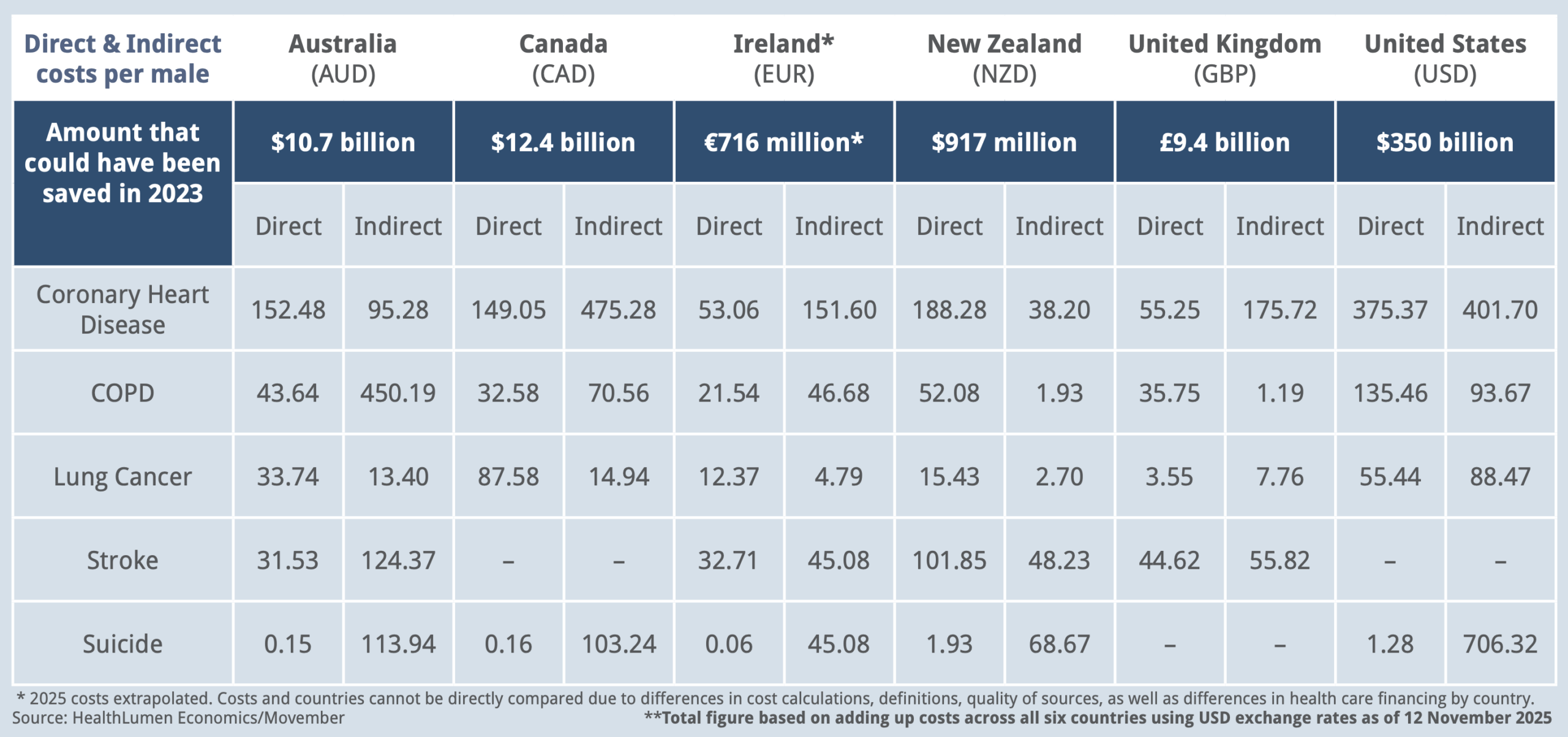
Close to $380 billion in direct economic losses could have been avoided across just six high-income countries – Australia, Canada, Germany, Japan, the UK and the US – in 2023 if the five leading causes of preventable premature male deaths were avoided, according to an assessment by GAMH and the men’s health advocacy group Movember, published earlier this year.
Those six countries account for roughly 350 million men, or just under one-tenth of the world’s male population. The other 90% of men on the planet, including all those living in low-and middle-income countries – where health outcomes fare worse due to thinner preventive care infrastructure – are not included in the study’s scope at all, painting a stark picture of what the true costs of overlooking men’s health may add up to globally.
Addressing women’s poor health outcomes could add another $1 trillion to global GDP annually by 2040, according to the latest World Economic Forum calculations released last week.
Patricia Pascual, global head of public affairs at Opella, the consumer-health company that supported the report, said the economics of the universal health coverage agenda make the case for closing both care gaps obvious.
“Universal health care coverage cannot be just about limiting [services] to people who are sick,” she told the panel. “Especially for men, as we know behaviourally, we need to get them into the system much earlier.”
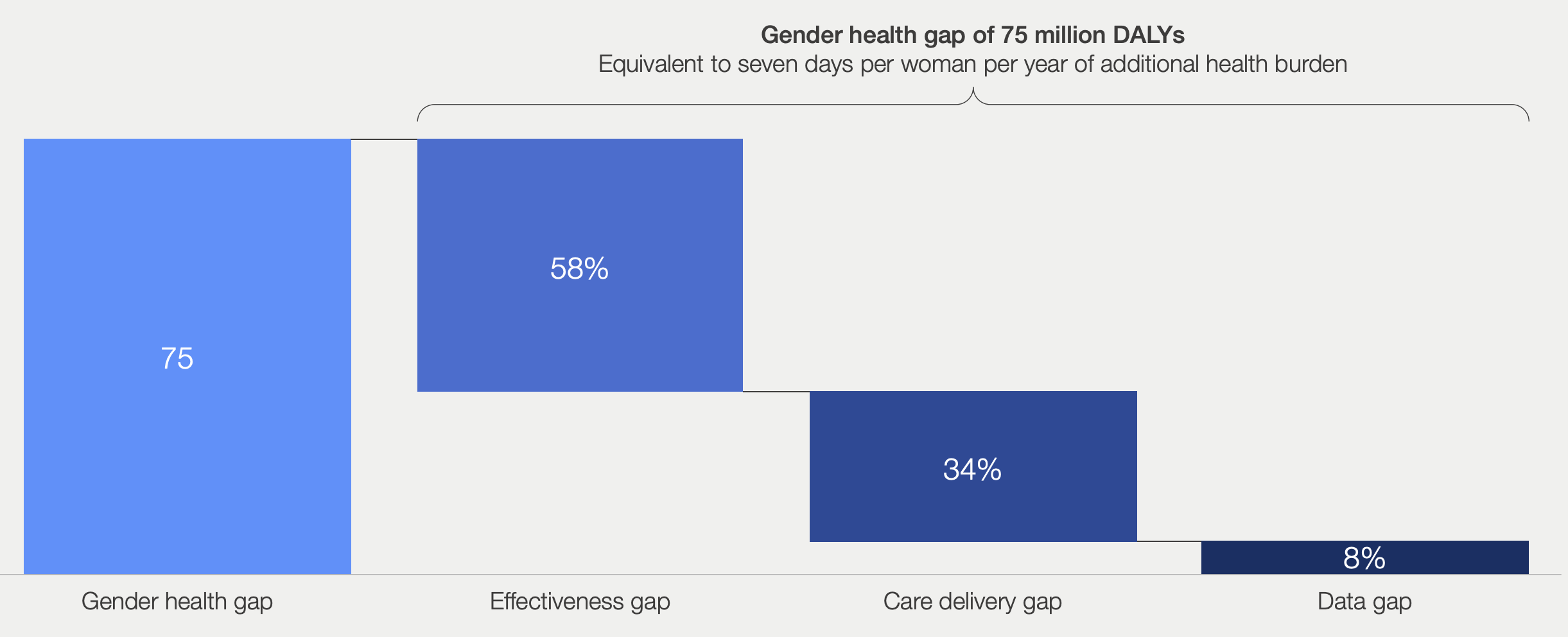
Women, Pascual added, are still the de facto health managers of most families. “In many households, women are still the CEOs of healthcare within their families. So when men delay care, the burden does not disappear. It just gets handed over. It shifts to families, caregivers and partners.”
“Investing in men’s health is not competing with women’s health,” she added. “It actually strengthens it.”
Baker argues that the numbers baking up action on men’s and women’s health as a joint cause should be the guiding line towards universal health care. But barriers are still hard to surmount.
“There’s another view … that because we live in a patriarchy where men are generally more privileged and powerful, the fact that they have poor health is kind of the price that men have to pay for being the dominant sex,” Baker explained. “I think also in circles where gender and health are discussed, often gender is seen as being about women’s health only.”
“That’s probably one of the biggest barriers [to progress],” Baker said.
The manosphere ‘self-help’ problem
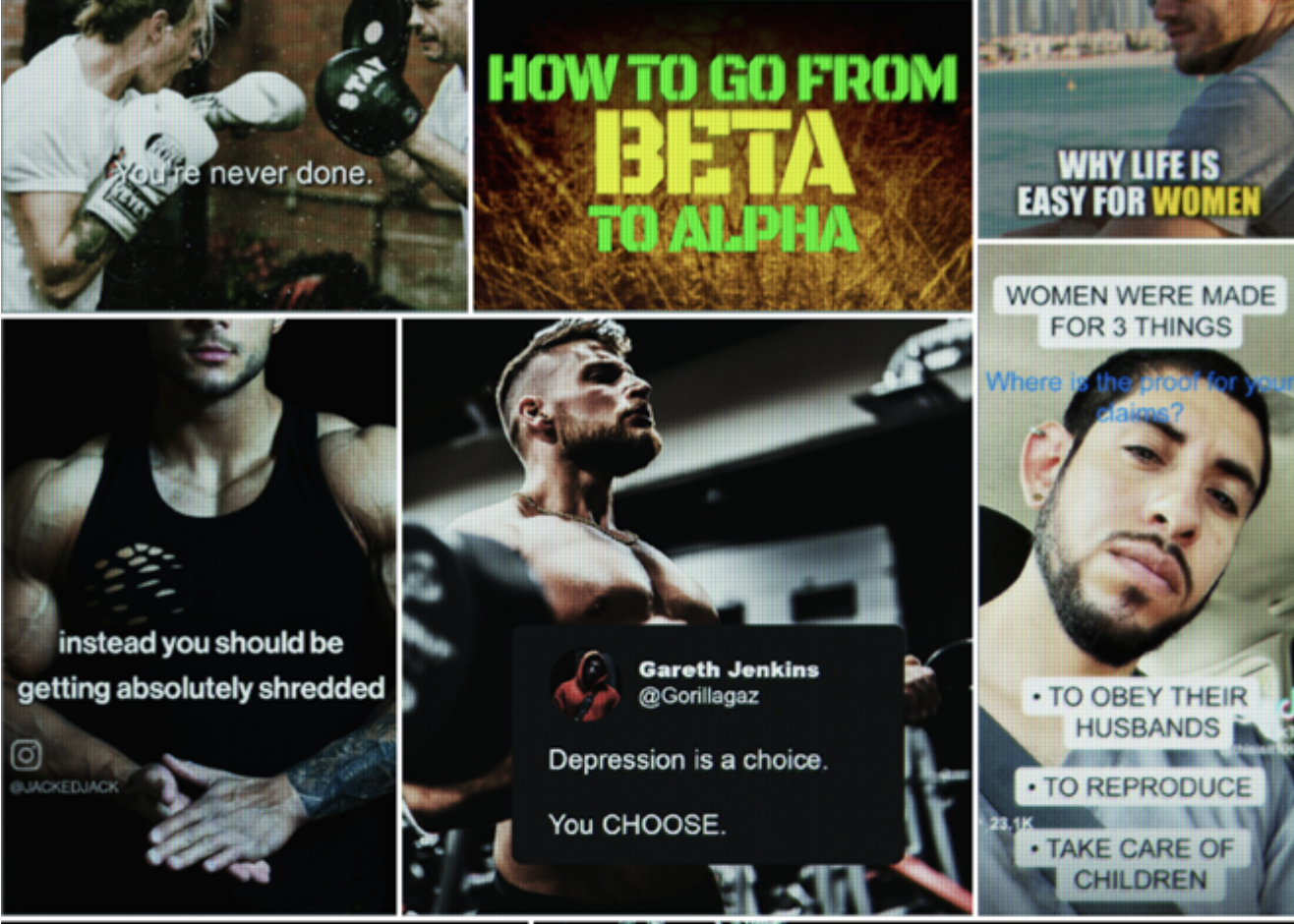
As advocates in Geneva attempt to push men’s health higher up the agenda of WHO and its executive assembly, a parallel ecosystem of online influencers is stepping into the void left by national governments and international organisations.
This new world of men’s influencers, known in popular discourse as “The Manosphere”, receives engagement from millions of young men across every continent every week. Their content positions itself as a tool for “self-care”. But their world is far detached from the mission of delegates at the Geneva meeting.
It has skyrocketed into global popular culture, featuring as a key subject of multi-Emmy and Golden Globe-winning show Adolescence – which Baker noted helped push the men’s health conversation forward in the UK – to featuring in the title of British documentarian Louis Theroux’s recent chart-topping Netflix special, Inside the Manosphere.
The constellation of men’s influencers is vast. From mainstream ‘alpha-male’ figures like Andrew Tate, a convicted sex trafficker in Romania and current fugitive from 21 rape charges in the United Kingdom, who broadly argues the value of men is defined by bank accounts, women and physical superiority, to a new generation led by “looksmaxxers” such as Clavicular, a 20-year old internet phenomenon who advocates improving men’s looks by taking methamphetamine, unregulated peptides, testosterone, and hitting your own face with a hammer to change facial bone structure.
Beyond questionable health advice, the figures in the Manosphere frequently cross over into the worlds of racism, anti-semitism, and deep misogyny. Clavicular and Tate were recorded together earlier this year in a party bus in Miami, chanting the lyrics to a notorious Kanye West song titled ‘Heil Hitler’.
“We would definitely want to keep them at arm’s length, because we don’t want to associate ourselves with organisations that are misogynistic or anti-feminist,” Baker said.
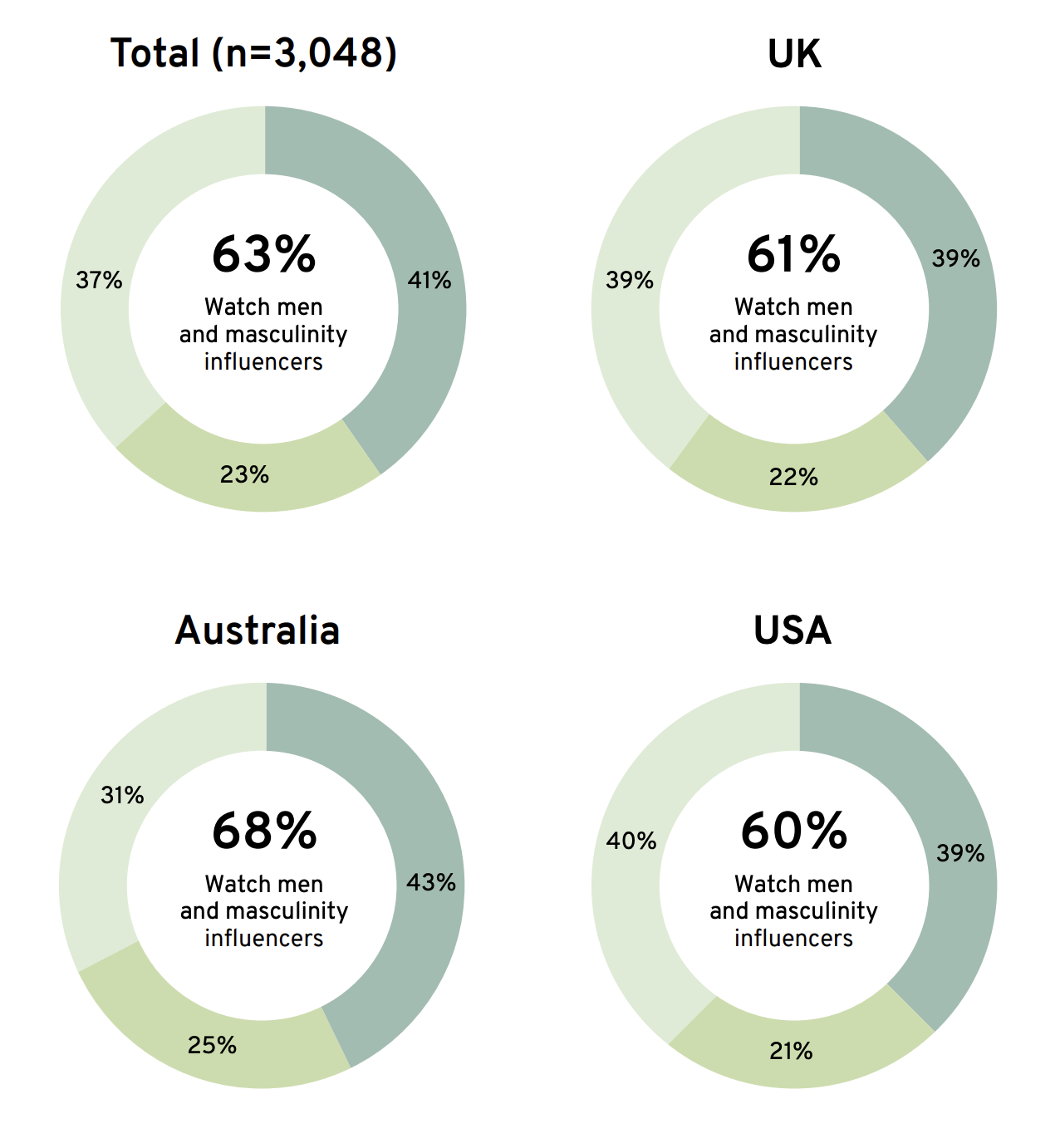
The often extreme political and social views of the influencers across the Manosphere have not stopped millions of digitally connected young men from taking their “self-care” and self-image advice seriously.
A survey of more than 3,000 young men aged 16 to 25 across the US, UK and Australia, found that 63% regularly watch “men and masculinity” influencers, according to the Movember Institute, which conducted the research.
Young men who regularly consumed masculinity influencer content were more likely to report worse mental health, less willingness to prioritise or treat mental health, and take steroids at higher rates, the survey found. Of those, 27% reported feelings of “worthlessness” – an indicator Baker says points to increasing body dysmorphia among young men.
“On the surface, it looks like it’s about fitness and looking after yourself, and there’s obviously nothing wrong with being fit and healthy,” Baker said, alluding to the fact that many men enter the masculinity influencer world through fitness content. “But it’s reifying a pretty unrealistic view of what a man has to be physically. It fuels body image dysmorphia.”
“We’re seeing many more cases of young men having body image dysmorphia, exercise addiction, problematic relationships with food, using steroids,” Baker said. “We’re also seeing an increase in men using dodgy hair-loss drugs. It just promotes such anxiety around how men look.”
“Women have suffered with that anxiety for many years, and the manosphere is pushing men in a similar direction.”
A turning point, maybe
Baker has been in this field for nearly five decades. He started writing about masculinity in the British pro-feminist men’s groups of the 1980s, became a journalist, and then chief executive of the UK Men’s Health Forum in 2000, when a Tony Blair-era policy focus on health inequalities briefly opened the funding tap.
The 2010 financial crisis closed it. For most of the decade that followed, men’s health drifted from the policy conversation, sustained by a small network of advocates and a slow accumulation of evidence rather than political momentum.
“We’ve had a lot of false dawns,” Baker said. “But I think now we really are at a bit of a turning point.”
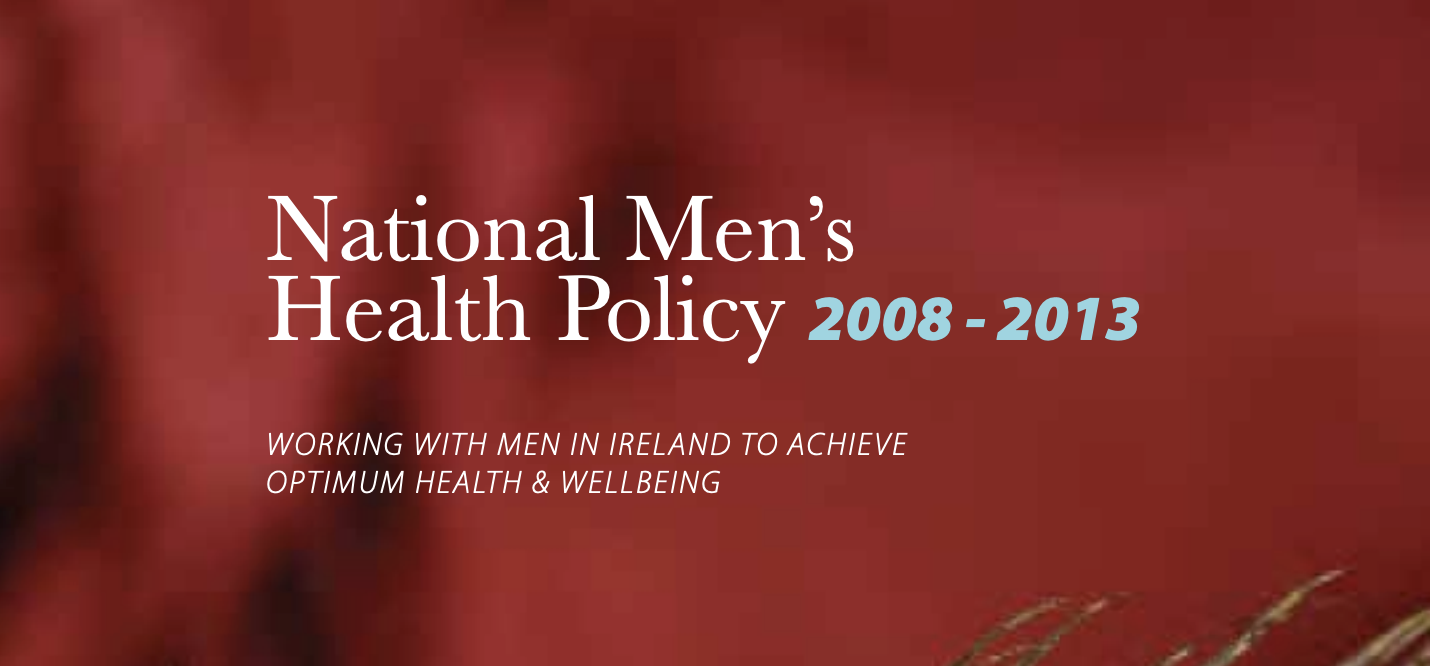
Nine countries currently have national men’s health policies: Australia, Brazil, England, Iran, Ireland, Malaysia, Mongolia, the Philippines and South Africa. Canada is expected to publish its first by the end of 2026, which would make it the tenth and the first G7 country other than the UK to have one.
Ireland was first, in 2008-09, and is now on its third action plan. Biddy O’Neill, national policy lead for men’s health at Ireland’s Department of Health, told the Geneva meeting that policy is the precondition for everything else.
“Policy provides the mandate,” she said. “The political will follows after men’s health is identified as a priority.”
Getting there required unusual amounts of legwork. O’Neill described how her team toured the country during the initial consultation, deliberately seeking out men least likely to attend a formal event in a government building.
“We went around the country almost in a bus to engage with men, different groups of men,” she said. “We targeted specific focus groups with lower-disadvantaged groups, men who didn’t want to come to bigger events. That was really important.”
Resistance came from within the government, too. “Other government departments did not see they had anything to do with men’s health,” O’Neill said. The inequalities the original policy was trying to address ran along familiar lines. “Poorer men, their life expectancy continues to be really lagging”, she added, noting lower-income men are more likely to drink heavily, smoke, take their own lives and die early of cardiovascular disease.
But the case Baker returned to in his conclusion is a simple one: treating men’s health as a public health issue does not require treating it as a zero-sum competition with anyone else’s.
“We don’t have to think in terms of binary choices. It’s not either or.”
Combat the infodemic in health information and support health policy reporting from the global South. Our growing network of journalists in Africa, Asia, Geneva and New York connect the dots between regional realities and the big global debates, with evidence-based, open access news and analysis. To make a personal or organisational contribution click the donate button below.