GENEVA – Malaria has adapted and evolved for at least 30 million years. The oldest identified samples of the parasite were found in mosquitoes preserved in amber, from a family of insects ancient enough to have shared the planet with the dinosaurs.
How many millions of people it has killed across the roughly 300,000 years our species has existed is uncountable. What we do know is how many people it is killing now.
In the quarter-century since reliable global figures counts emerged in 2000, malaria has killed more than 15 million people. Last year alone it killed more than 610,000 and infected an estimated 282 million others, according to the World Health Organization’s (WHO) annual malaria report.
Roughly nine in ten of the dead were in Africa, and three-quarters were children under the age of five.
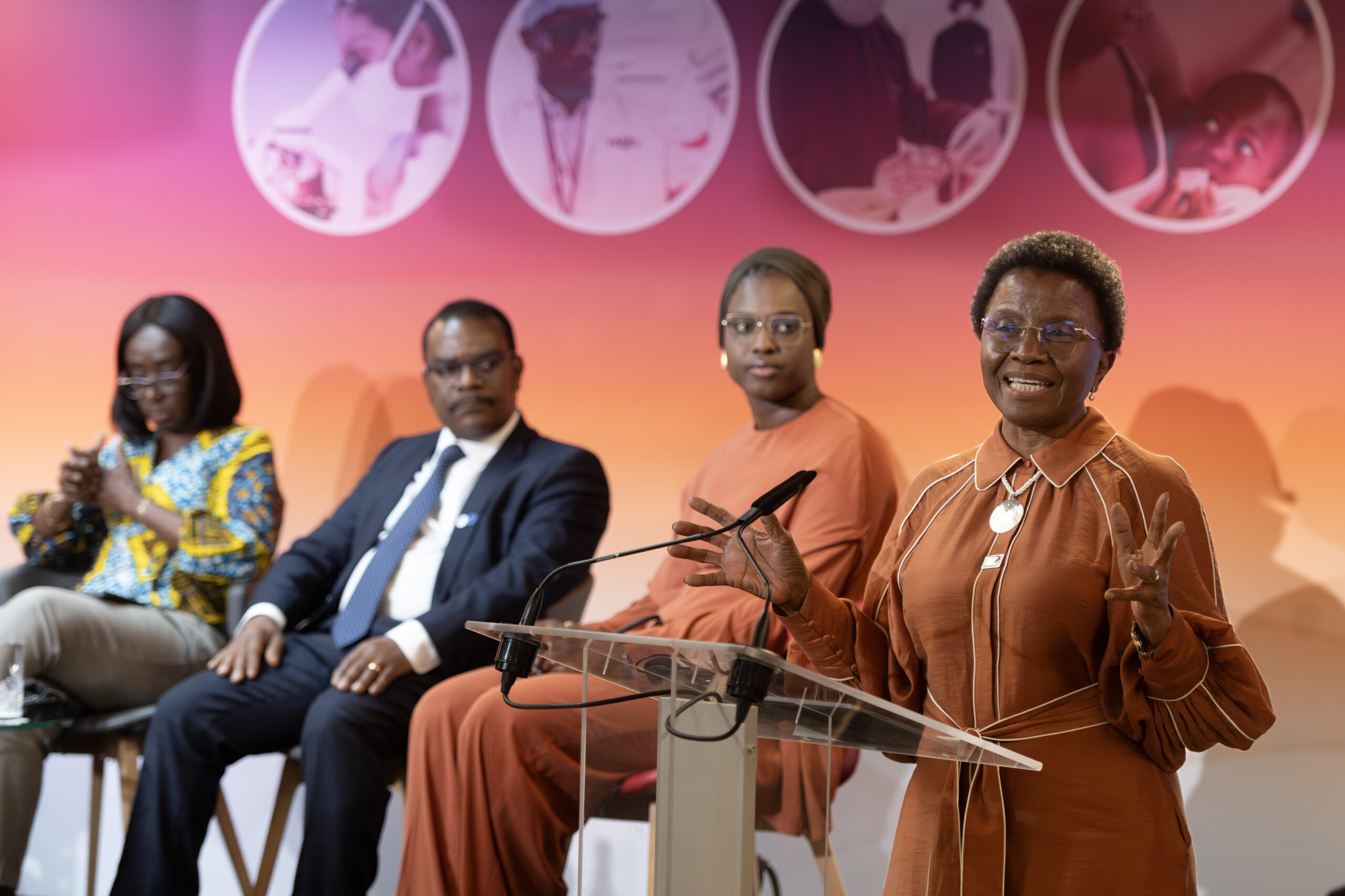
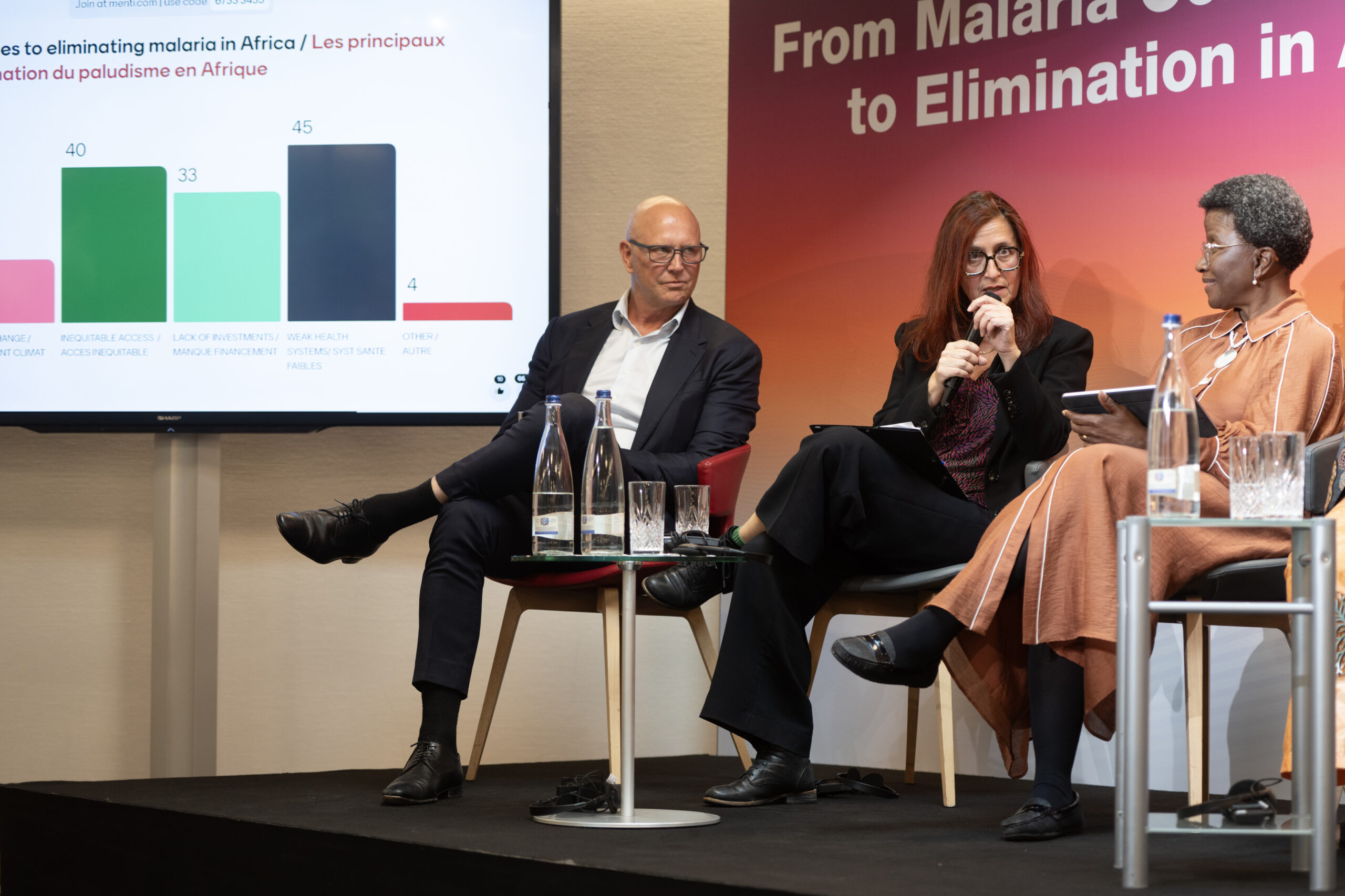
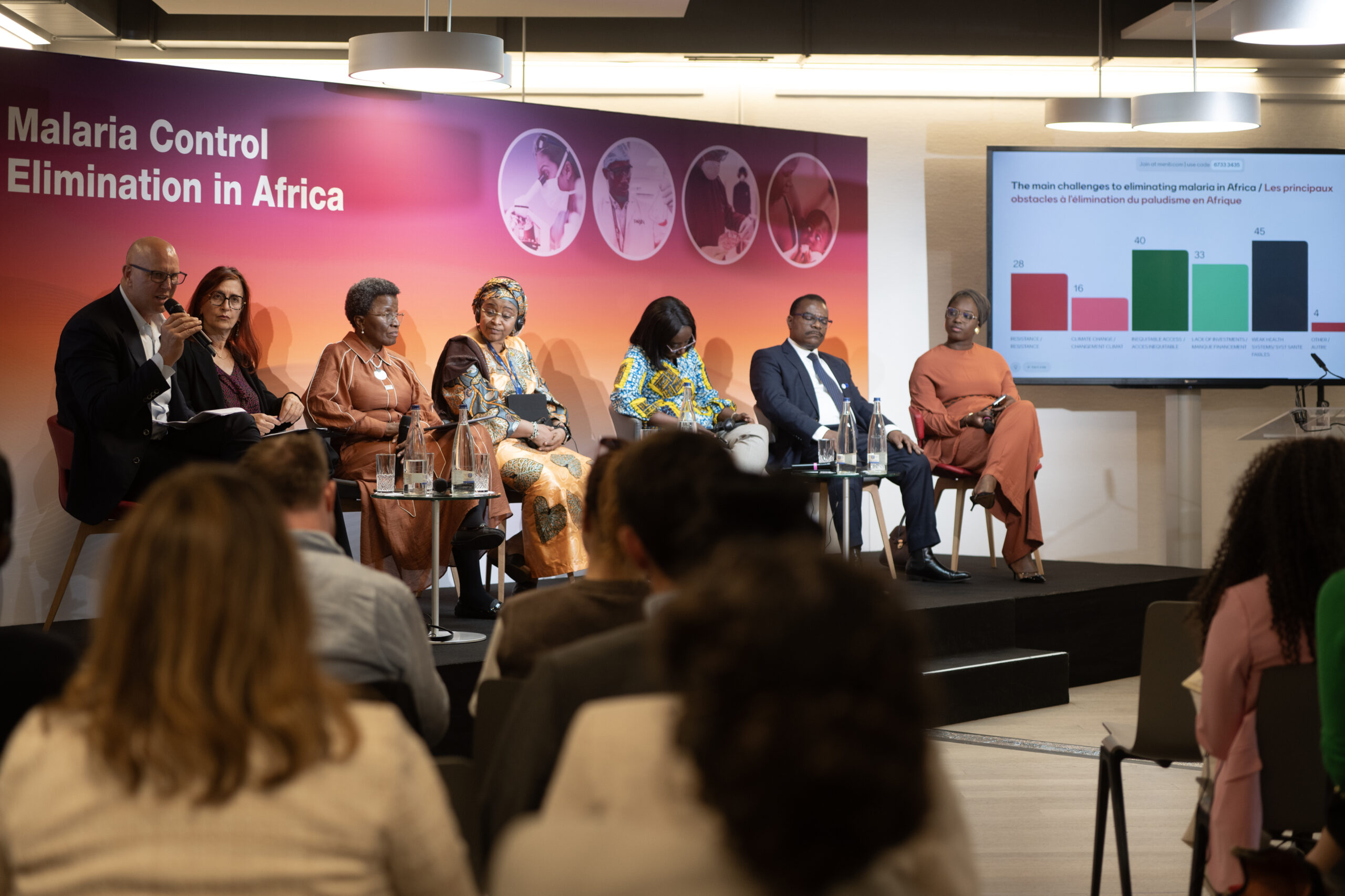
“We are losing over 1,200, mainly children under the age of five, mainly on the African continent, every single day,” said Dr Michael Charles, chief executive of the RBM Partnership to End Malaria, at a side event hosted by Medicines for Malaria Venture (MMV) during this year’s World Health Assembly.
“We’re in the 21st century,” he added. “I think you’ll all agree with me that that is unacceptable.”
The fight to outsmart the parasite is an arms race modern medicine very nearly lost before. In the 1990s the parasite developed resistance to chloroquine, then the cheapest and most widely used treatment, sending deaths soaring to more than double previous levels to more than a million a year before a new class of medicines arrived.
MMV was founded out of that crisis. Now a well-resourced organisation with an established innovation pipeline, it is gearing up for the next phase of the fight. Genomic surveillance shows the drugs that replaced chloroquine are showing the first signs of failing, and the parasite is once more beginning to outrun the technology built to kill it.
“Malaria is not a static disease. It’s a disease where you’ve got a parasite – think about it as your foe or your enemy – that’s adapting continuously,” Martin Fitchet, CEO of MMV, told Health Policy Watch. “That’s why I call it an arms race, because they keep adapting to overwhelm the tools that we have. We have to keep innovating and stay ahead of the parasite to beat it.”
The warning signs of the incoming resistance crisis are loudest in Africa. In the largest review of malaria drug resistance to date, scientists at the Wellcome Sanger Institute noted that the continent carries 94% of the global burden, with more than 233 million cases a year. Should resistance there break the drugs in use, they wrote, the consequences “could be catastrophic.”
Beyond resistance, the world is also losing ground in the wider fight against the virus. The malaria death rate roughly halved between 2000 and 2015, then stopped falling. Case incidence has since crept up more than 8% since 2015, leaving the world far behind its goal of cutting cases and deaths by 90% by 2030.
For a disease that kills 600,000 people a year, “It’s a whole generation lost”, Fitchet said.
“We are in an arms race against the parasite,” he told the Geneva meeting. “We have to develop weapons against it before it can develop weapons against us.”
An arms race on a microscopic scale
The world has slowly woken up to the same threat in bacteria: antimicrobial resistance, the quiet erosion of antibiotics that killed an estimated 1.27 million people in 2019 and is now mentioned in the same breath as climate change as one of the century’s gravest health threats.
Drug resistance in malaria is that same problem as AMR but in a different organism, and it is moving faster than the response to it.
“It’s exactly the same concept,” Fitchet said, “but with a parasite instead of a bacteria.”
The drugs holding the line are artemisinin-based combination therapies, or ACTs, which pair a fast-acting artemisinin compound with a slower partner drug that clears the parasites it leaves behind.
The WHO has recommended them as the frontline treatment since 2006, and they still work across most of Africa. But surveillance is already detecting the parasite’s response.
“The genetic composition of the parasite is adapting rapidly, particularly across East Africa, from the Horn of Africa,” Fitchet said. At first, treated infections take longer to clear: “Then eventually,” he said, “the drugs become useless.”
Pressed on when the drugs might fail outright, Fitchet would not give a date, but stressed the medicines must be ready for when the day arrives to avoid a repeat of the millions of lives lost in the 1990s resistance crisis.
“I can’t tell you how long that will take for the parasite to overtake the treatments we have,” he said. “But we know it will come.”
The biology of how the parasite outmanoeuvres the drug is now well understood. Mutations in a gene called kelch13 blunt the artemisinin, and as more parasites survive, the pressure shifts onto the partner drug. Once resistance to that follows, the treatment will fail altogether.
In the Greater Mekong — the Southeast Asian region spanning Cambodia, Thailand, Vietnam, Laos and Myanmar — combined resistance had pushed the failure rate of some ACTs to 50% by the mid-2010s.
The damage there was contained rather than catastrophic: transmission across Southeast Asia is far lower than in Africa, and governments responded by switching drugs and racing to wipe the parasite out of the region altogether before resistance could spread. Cambodia, Laos and Vietnam are now closing in on elimination.
Africa, which carries the overwhelming majority of the world’s malaria and far more intense transmission, has no such escape route if treatments fail – and the same genetic markers have surfaced independently in East Africa.
In Rwanda, studies estimate 40 to 50% of parasites already carry the resistance mutation, and a December modelling study found the continent tracking the path Asia took 10 to 15 years ago.
If the partner drugs fail there, the toll would dwarf anything Asia saw: one economic model put the cost of widespread artemisinin resistance at some 116,000 additional deaths a year.
“We’ve been investing and inventing and expending energy and effort, but we’re not getting any further up the escalator,” Fitchet said, “because the downward force is the resistance of the parasite.”
Push and pull
Resistance is also a threat to the institutions that pay for the fight, and to the unusual double role they play in it.
The Global Fund buys most of the world’s malaria drugs, which makes its budget both the money that pays for treatment today and the demand signal that tells companies a new drug will have a buyer worth developing it for.
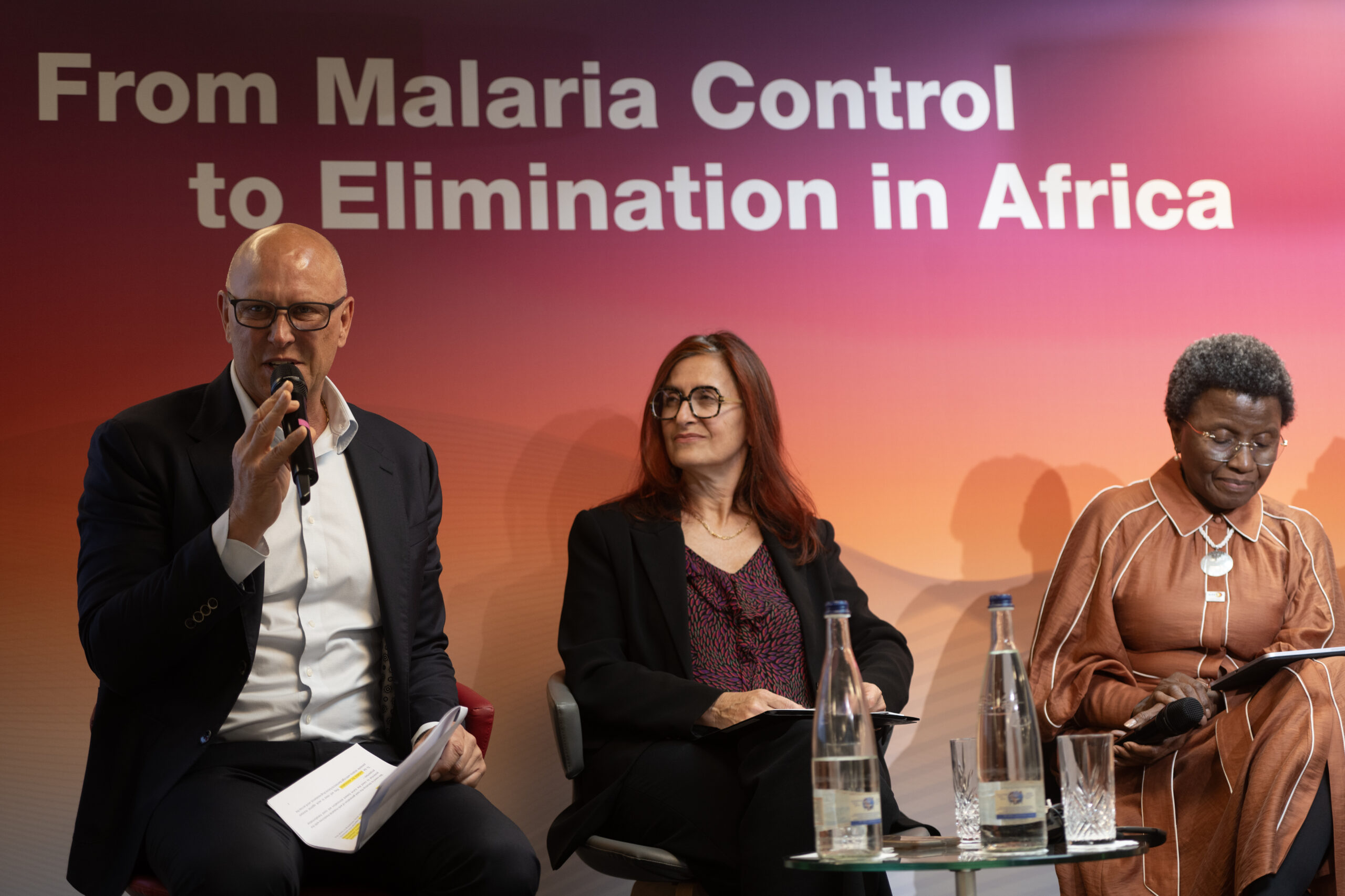
“What do we do if the tools that we currently have in our toolbox don’t work anymore?” said Françoise Vanni, the Global Fund’s director of external relations. With conflict, displacement and weak health systems in the mix, she warned, resistance “can even go further and faster.”
She is bracing for the next set of figures, for 2025, which are not yet published. Vanni said she was “already terrified” about trends that “we don’t have yet, but are probably going keep growing.”
The fund is trying to pull those new drugs through, she said, deploying “access funds and volume guarantees” to “de-risk early adoption, reduce price barriers, and send stronger, more predictable demand signals.”
New weapons, old problem
The drugs arriving and approaching the clinic are the most promising in a generation.
The most important is GanLum, a combination of the new compound ganaplacide and a reformulated version of lumefantrine, and the first non-artemisinin antimalarial in 25 years – built on a compound the parasite has never encountered and has no resistance to.
“It works in resistant strains, it kills resistant parasites,” RBM’s Charles said, calling it “a drug for its time.”
Ganaplacide attacks the parasite through an entirely new mechanism, disrupting its internal protein transport. Developed by Novartis with MMV, it cleared its final trial in November and could be filed with regulators this year, with approval possible as early as the second half of 2027.
A triple ACT expected around 2028 goes further, folding an extra partner drug into a single pill so the others are never left exposed alone.
Those drugs still have to reach patients, and Fitchet would not say how long that will take. “This is to be determined,” he said. “It’s too hard to say.” He argued malaria’s toll makes these exactly the kind of tools that should be rushed through, with the aim of putting them in use within “a number of months versus a number of years.”
The other half of the strategy is to protect the drugs already in use. For now that means rotating different combinations across regions, Fitchet said, “so they take resistance pressure off each other.”
No shortcuts
Some advances have already arrived.
Weeks before the assembly, the WHO prequalified Coartem Baby, the first malaria medicine formulated for newborns and infants of two to five kilograms, closing a gap that had left the smallest patients on doses meant for older children.
“For centuries, malaria has stolen children from their parents, and health, wealth and hope from communities,” WHO Director-General Dr Tedros Adhanom Ghebreyesus said of Coartem Baby’s approval by the UN health agency. “Today, the story is changing.”
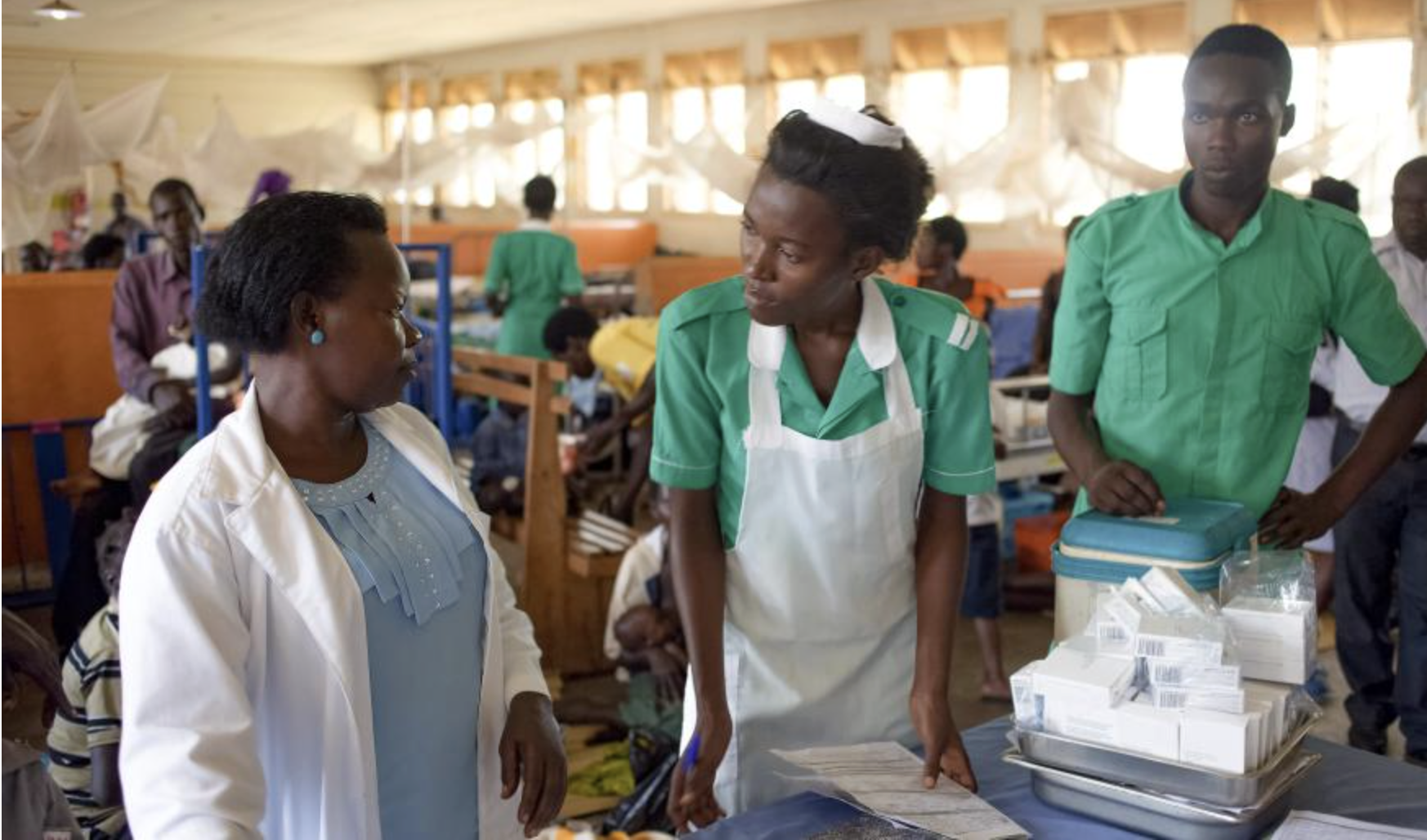
What makes a malaria drug so hard to build is that all of this has to be cheap, easy to use and uncomplicated to transport. A malaria drug has to clear all three of these bars “no shortcuts,” Fitchet said, then surpass yet another hurdle: be safe for extremely vulnerable populations that make up the majority of the global caseload – sick children under the age of five.
Those constraints are “non-negotiables,” and MMV will not move a candidate into human trials unless it can meet them. “We build in access characteristics of a product at the first stage into humans,” he said. “We lose a lot on the way, but we learn from every one of those.”
“It has to be radically simple. But just because something is inexpensive, it doesn’t mean it’s not highly technically advanced,” he said.
Innovation without access
The gap is not only about new drugs. Treatments already on the shelf often fail to reach people, or fail once they do.
“We’ve had products that have been evaluated to be highly efficacious,” said Michael Makanga, who leads the European and Developing Countries Clinical Trials Partnership. “And then when they’re introduced into the health system, their efficacy plummets to 20% from 90%.”
Rotating drug combinations region by region demands the surveillance, supply and training many of the worst-hit countries lack. It is “more complex, more expensive, more resource-intensive” than ordinary treatment, he conceded.
“It has to actually get into the mouth of a child to become a medicine,” Fitchet said.
Where delivery breaks down, the laboratory is rarely the reason. In Sudan, now one of 11 African countries that carry about two-thirds of the world’s malaria, three years of war have pushed the health system to the brink of collapse, with an estimated 80% of facilities in conflict zones no longer functioning.
By October 2025 the WHO had recorded 1.7 million malaria cases there, and warned the real number was higher.
Elsewhere the tools exist but miss the people who need them. Zimbabwe’s health minister told the meeting her country had been nearing elimination when erratic rains and flooding revived transmission, and a population the campaigns weren’t reaching emerged with it: resettled tobacco farmers who sleep in their fields while curing the crop, beyond the reach of nets and spraying.
“Most of them, they believe they can survive,” she said. “It’s only after they’ve started falling ill you actually identify they have been sleeping outside.”
Mali’s health minister, Assa Badiallo Touré, noted the economic toll lack of access to malaria treatment has on families. “The first sick child in a household means half a salary lost; by the second or third, the family’s whole livelihood,” she said.
The fight also cannot be won one country at a time, Touré added. “When it isn’t solved in my neighbour’s country, it isn’t solved in mine. Mosquitoes don’t care about borders.”
‘The little we had’
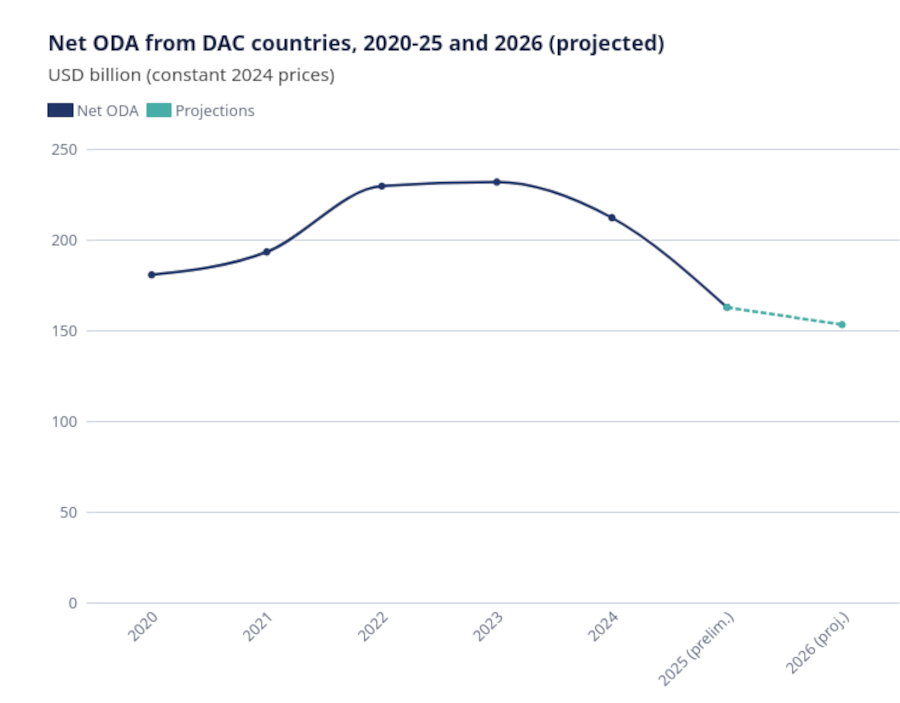
Malaria has long been one of global health’s best-funded causes, which left it the most to lose. The United States, historically the largest single donor, has proposed cutting its bilateral malaria funding from $805 million to $424 million. One Lancet analysis credited US aid with halving malaria deaths over two decades.
The Global Fund, the largest buyer of malaria drugs, raised $12.64 billion at its latest replenishment, about a third short of its $18 billion target.
“The little money we had is now less,” Touré said of the aid crisis.
When that funding was cut last year, Fitchet said, the first damage was to supply chains: “There was a lot of confusion, and there were logistic channels and supply chains that were taken away.”
For MMV and the fate of the drugs in its innovation pipeline, losing funding sporadically is not an option. MMV’s funding “is needed over years to develop and deliver drugs in three, four, six years’ time,” Fitchet said. “We can’t tolerate stop-start funding as an R&D organisation. You can’t just pause the clinical trials.”
“Choosing between access and innovation is a really false choice,” he said. “If you don’t fund access, people will die today. And if you don’t fund innovation, many more people will die tomorrow.”
“Innovation without access is not innovation,” Charles added. “Innovation without access is injustice.”
From the lab to the last mile
Even an approved drug faces a long route to a patient: a stringent regulator, WHO prequalification, treatment guidelines, approval in each country, then procurement and rollout. Run in sequence, Fitchet said, that can take six to eight years. “When you’ve got a serious disease killing lots of children, that’s not okay.”
Recent experience has shown faster approval of new innovations is possible. During the pandemic some products were prequalified within 48 hours of approval, and a recent HIV prevention drug took just over a month.
The trick, Fitchet said, is to run those steps in parallel rather than in sequence, and to begin two years before a drug is approved. WHO has agreed to do exactly that with GanLum, assessing it for prequalification and guideline inclusion at the same time rather than one after the other.
For now a new drug must be cleared nation by nation, waiting in a separate queue in each. The African Medicines Agency is meant to change that.
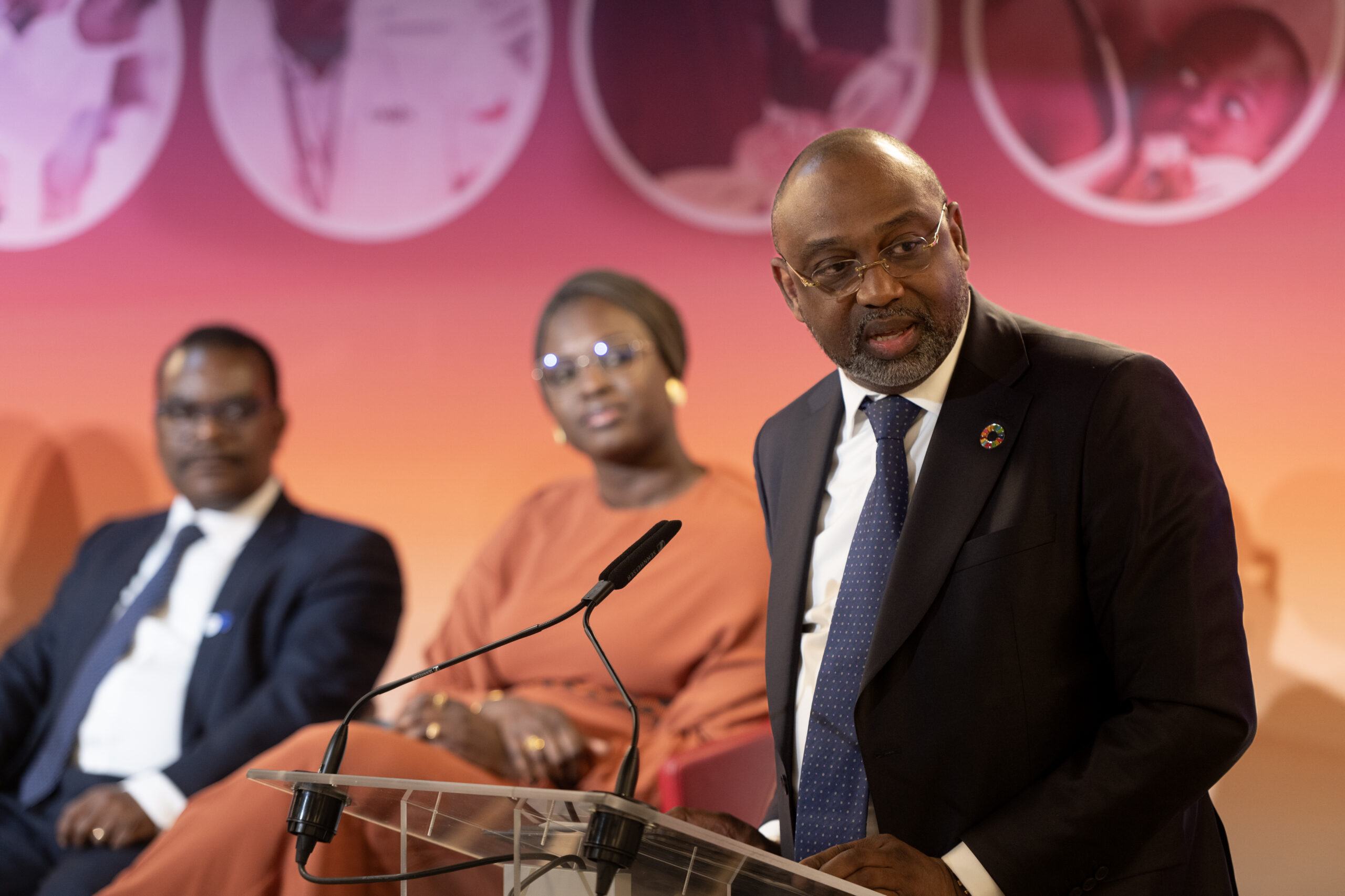
Still young and not yet ratified by every member state, it aims to harmonise the continent’s national regulators so that a single review can open many markets at once. “One application, one review, multiple markets,” its director general, Mimi Darko, told the meeting. “And we’re going fast.”
The parasite has had 30 million years of practice at staying alive. Whether the world can build, fund and deploy its newest weapons fast enough is the open question.
“Innovation is essential, but it achieves impact only when a country has the capacity and ownership to deliver it,” said Dr Fatimata Bintou Sall, a Senegalese researcher. “Malaria elimination will not depend only on innovation itself, but on our capacity to turn it into meaningful and lasting impact.”
Combat the infodemic in health information and support health policy reporting from the global South. Our growing network of journalists in Africa, Asia, Geneva and New York connect the dots between regional realities and the big global debates, with evidence-based, open access news and analysis. To make a personal or organisational contribution click the donate button below.