Gavi, the Vaccine Alliance, has provisionally secured up to 1.5 million doses of a candidate vaccine against Ebola Bundibugyo – subject to its successful clinical trial and regulatory approvals.
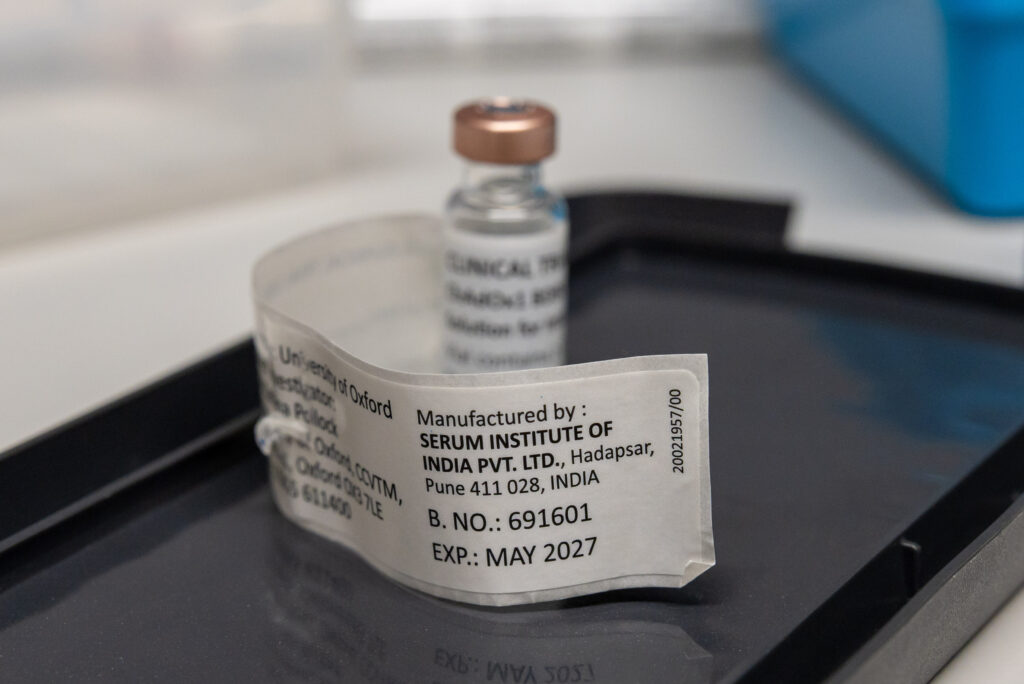
Gavi signed an advance purchase agreement this week with the Serum Institute of India (SII) and Serum Life Sciences for the vaccine developed by Oxford University and SII, known as ChAdOx1 BDBV.
Over 12,000 people have been infected, and over 5,900 have died in the outbreak, centred in Ituri province in the Democratic Republic of Congo (DRC).
The trial involves a “ring-guided vaccination strategy”, vaccinating people who have been in contact with someone who became ill or died from Ebola Bundibugyo. Results are expected in early 2027.
The doses will be funded by Gavi’s First Response Fund (FRF), set up during the mpox outbreak with support from the United States, Japan, Italy, Germany, Norway and France to finance the response to outbreaks and pandemics.
“As the Ebola outbreak continues to devastate communities in the Democratic Republic of the Congo, we must act with urgency to ensure the regulatory pathways are in place to quickly roll out this vaccine candidate if the clinical trials show positive results. This is critical to saving lives and keeping the world safe,” said Gavi CEO Dr Sania Nishtar.
Fast access
Should the candidate vaccine secure the necessary regulatory approvals and World Health Organization (WHO) policy recommendation following its trials, the advance purchase commitment “means that doses can be made available to affected populations quickly”, said Gavi in a statement.
“SII has already manufactured the drug substance for more than half a million doses of the candidate vaccine to enable rapid access.”
ChAdOx1 BDBV is one of two novel Bundibugyo vaccine candidates that WHO has recommended for clinical testing in the ongoing outbreak.
Wellcome Trust product development specialist Sarah Sebastian described the Gavi agreement as an encouraging step towards securing rapid access to the ChAdOx vaccine, once it has regulatory approval.
“Looking forward, we need to see this happening for other promising vaccine and treatment candidates to prevent delays in these urgently needed products getting to those most at risk,” said Sebastian.
“While this is promising progress in the Ebola response, it is important to remember that vaccines cannot be relied upon as the only tool. Alongside vaccine efforts, we also need strong early detection and contact tracing, treatments and community engagement to understand their needs and challenges.”
Image Credits: University of Oxford .
Combat the infodemic in health information and support health policy reporting from the global South. Our growing network of journalists in Africa, Asia, Geneva and New York connect the dots between regional realities and the big global debates, with evidence-based, open access news and analysis. To make a personal or organisational contribution click the donate button below.