In the late 1990s, doctors treating sleeping sickness, a parasitic disease spread by tsetse flies that is almost always fatal without treatment, still relied on melarsoprol, an arsenic-based drug that killed roughly one patient in 20.
One patient given melarsoprol in 2003 later recalled the injection “felt like fire” being injected into his veins, turning them black. A safer drug existed, but its manufacturer had stopped making it in 1995 because it turned no profit.
Today a single dose of tablets cures the disease. Acoziborole, registered in the Democratic Republic of the Congo in June, was developed by Sanofi and the Drugs for Neglected Diseases initiative (DNDi), one of around a dozen product development partnerships (PDPs) set up around the turn of the century to make medicines that drugmakers had no commercial reason to invest in bringing to market.
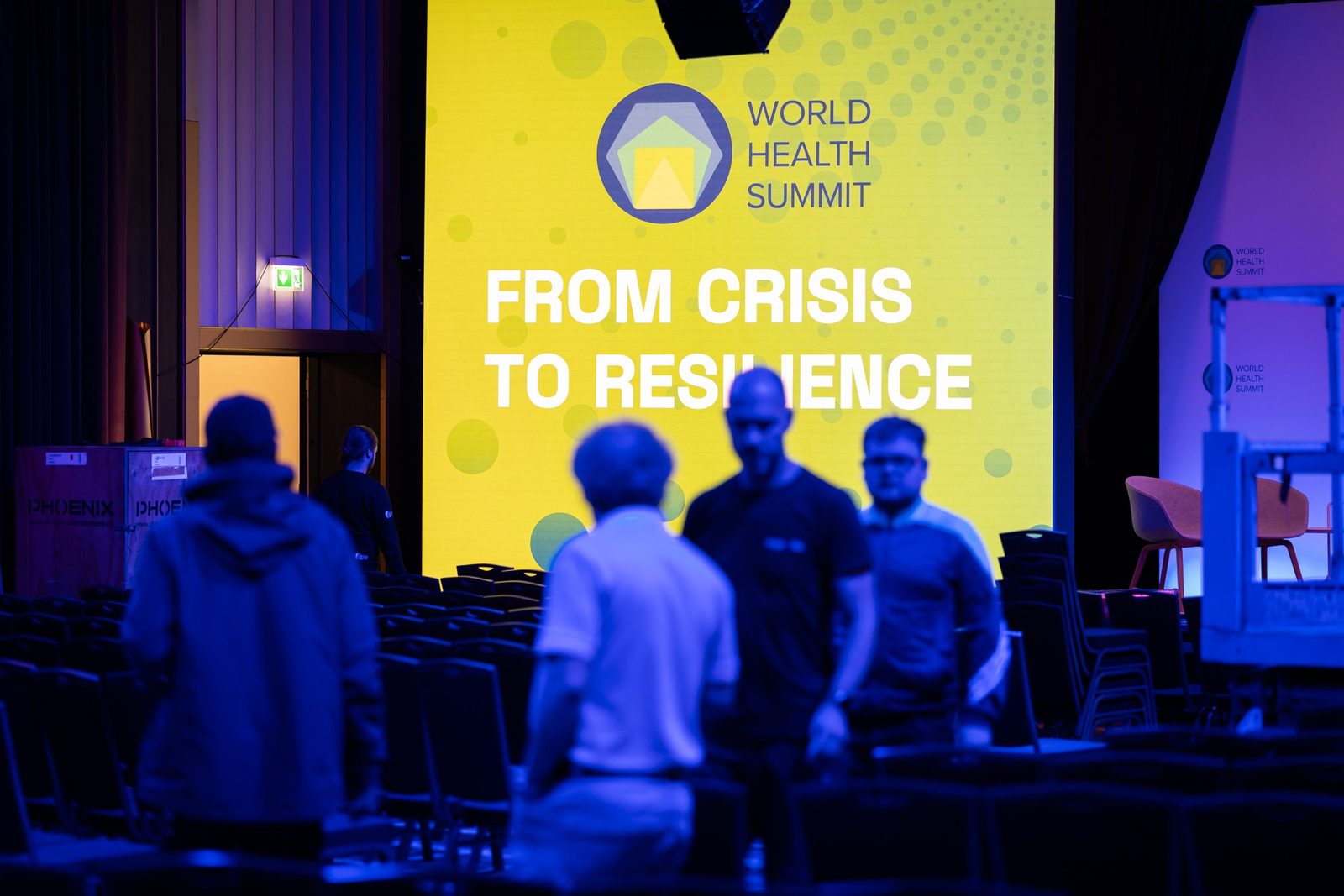
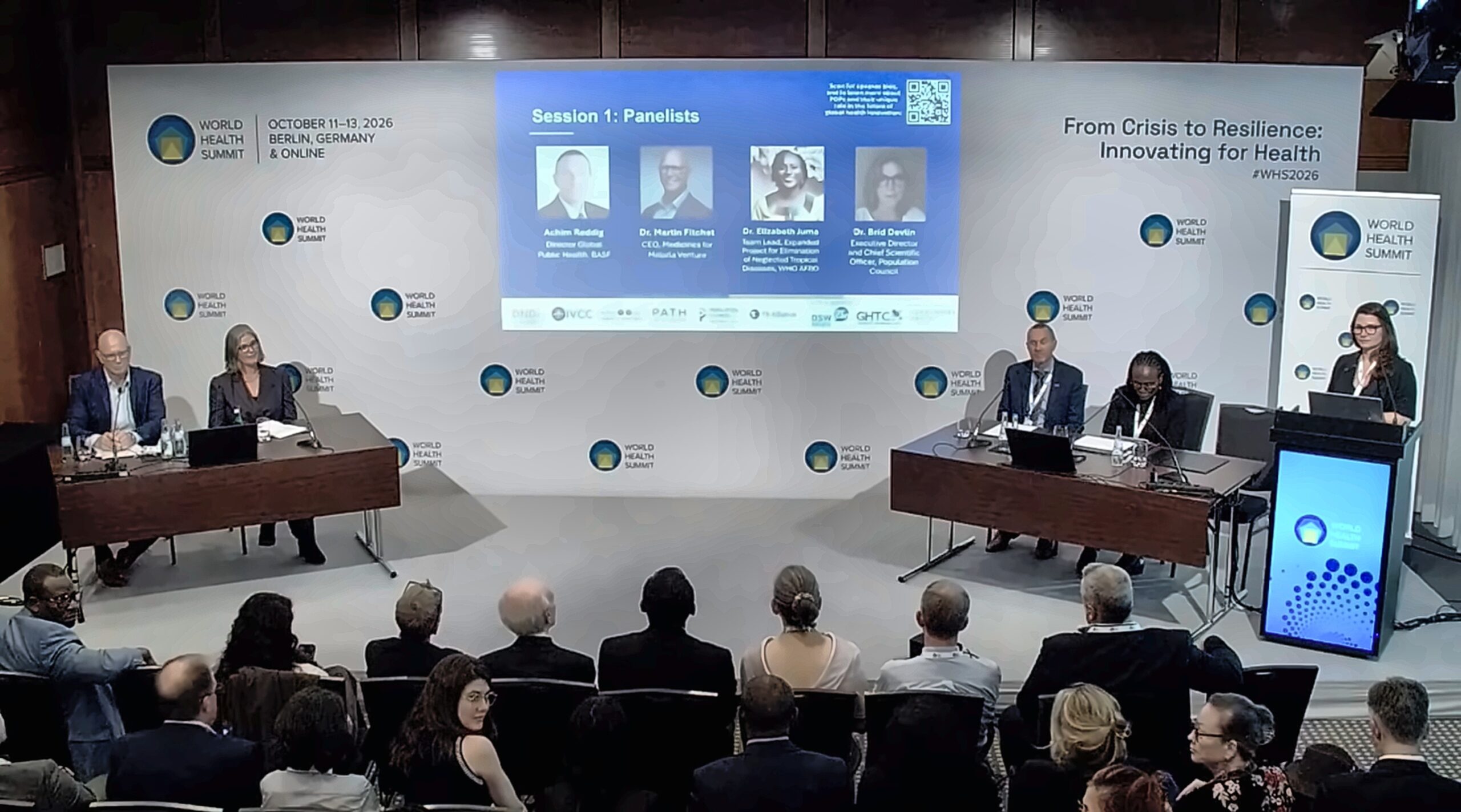
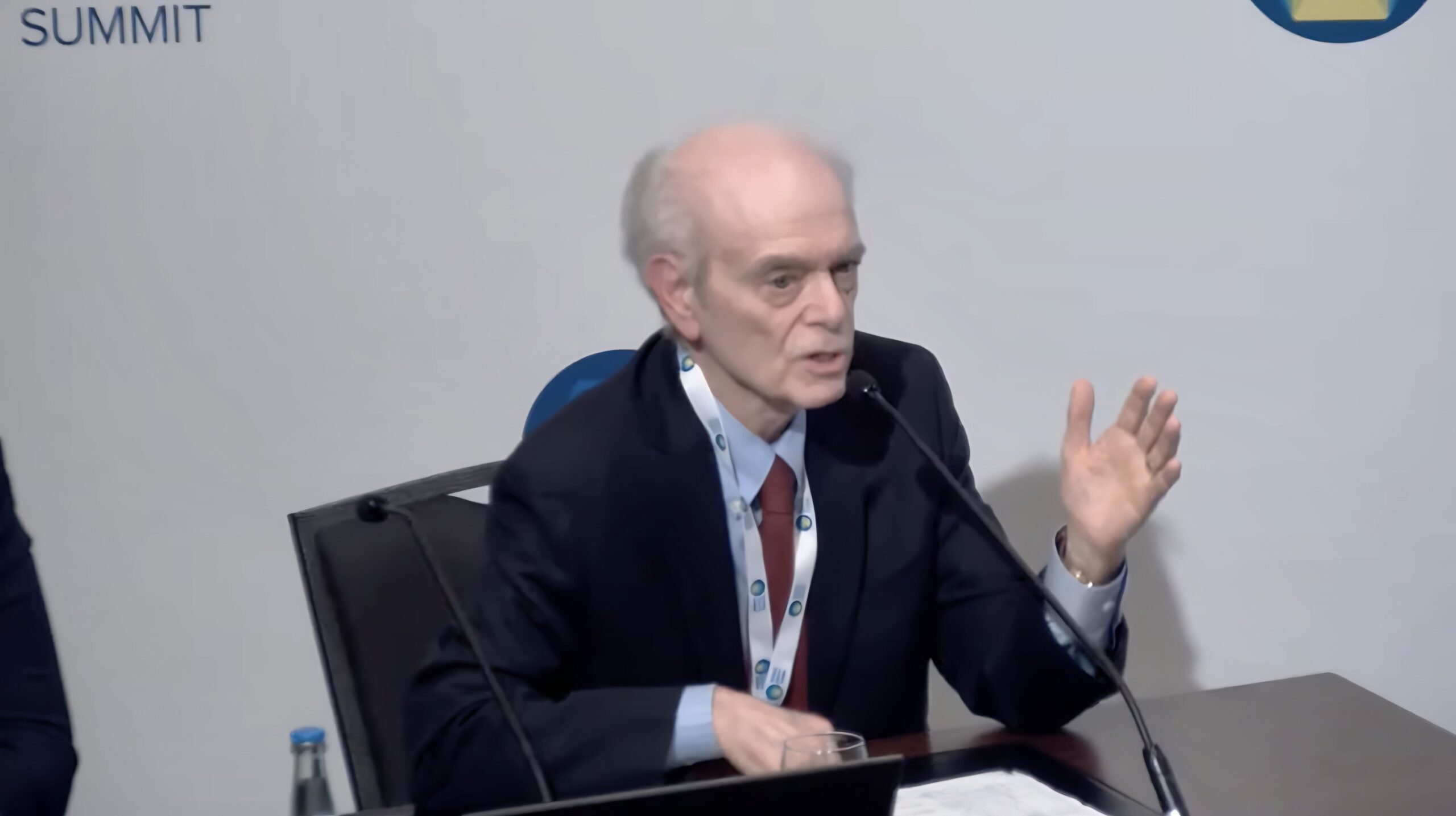
At the World Health Summit in Berlin this month, a senior German research ministry official called the partnerships “an amazingly good deal” – then warned them that funders could no longer guarantee their survival.
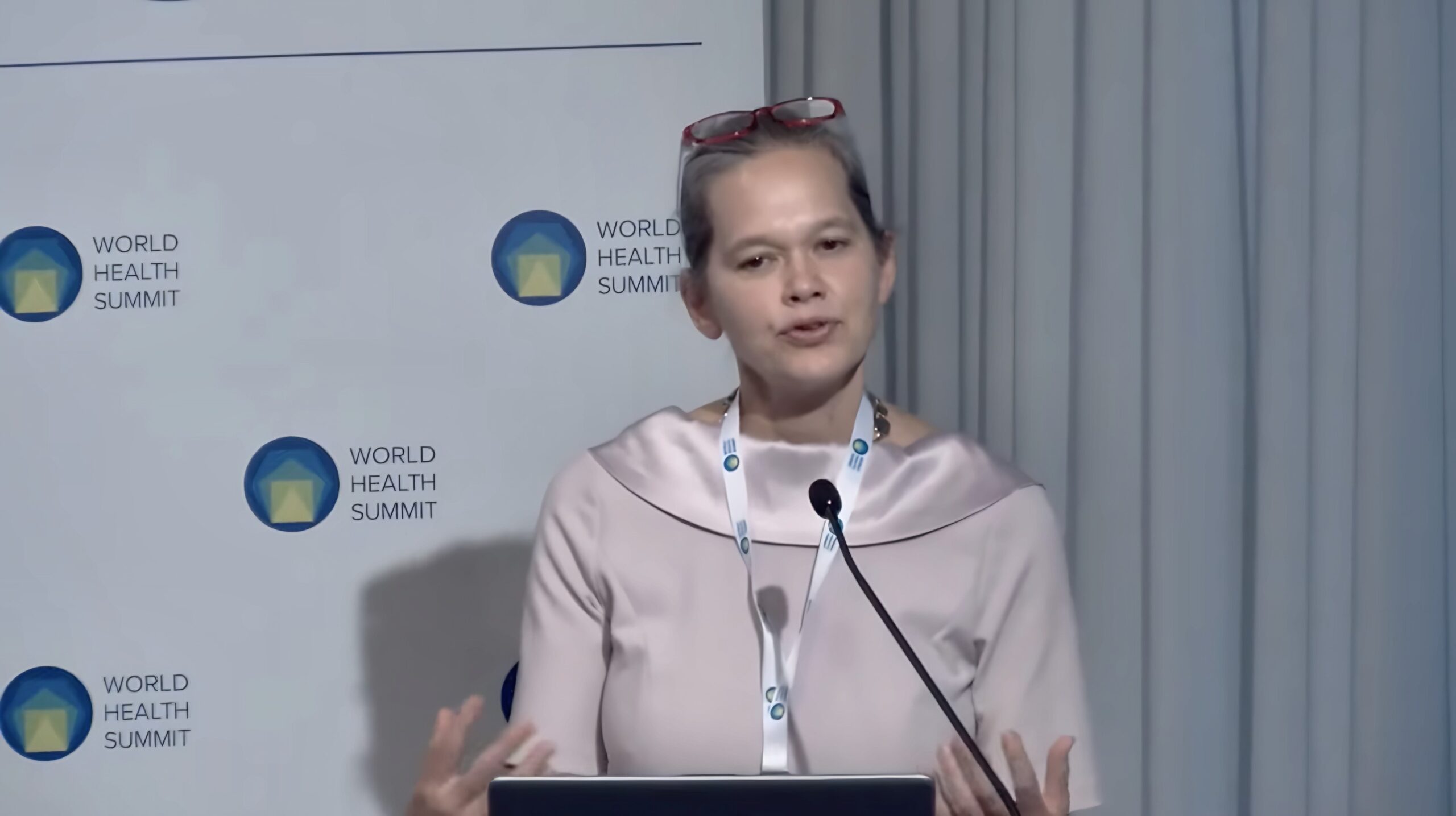
“There’s an underlying promise … that I don’t think we can keep,” said Veronika von Messling, director-general for health and life sciences at Germany’s Federal Ministry of Research, Technology and Space (BMFTR), at a session on the future of the partnerships’ model.
“That promise would be that as long as you are a good PDP and stay in this box, somehow financing will be ensured.”
‘Natural selection’
For many partnerships, like the wider global health world, the money is already disappearing. Funding received by PDPs for their neglected-disease research fell for five straight years to a record low in 2023, according to Impact Global Health’s G-FINDER survey.
The Gates Foundation, by far their largest backer, cut its PDP grants by nearly a quarter the following year, and DNDi cut its research spending by 23% in 2025, its audited accounts show.
The UK, the partnerships’ largest government funder, is cutting aid to 0.3% of gross national income by 2027, and Germany is planning further cuts to global health in its 2027 budget.
The UK gave PDPs $40 million for neglected-disease research in 2023, more than any other government, and raised that by 55% in 2024, G-FINDER data show. Germany’s research ministry gave $4 million and is now splitting €50 million among five PDPs over six years. The Netherlands, Australia, Switzerland, Japan and the European Union also contribute.
As global health investment shrinks across the developed world, von Messling suggested funders could let the partnerships compete for what money remains.
“Just to be provocative here, there is maybe some charm in actually tolerating the tension that comes from a natural selection process or natural evolution,” she said. “Some PDPs might actually succeed and others might be less successful.”
Global health funding as a whole fell 12% in 2025 to its lowest level since 2012, according to preliminary estimates from the Institute for Health Metrics and Evaluation (IHME), as donor governments moved money toward defence amid rising global tensions and, perhaps, as the Financial Times warned last week, the untimely arrival of World War III.
“If there is no more funding,” said Dirk Mueller, senior health adviser at the UK’s Foreign, Commonwealth and Development Office (FCDO), “then there will be more natural selection.”
Threats to the pipeline
The cuts arrive as the partnerships’ costliest work lies ahead, with a coalition of 12 leading PDPs reporting nearly 300 products in development in 2023, more than 100 of them in Phase 2 trials or later.
“There are a lot more needs and a lot more products in the pipeline, and market failures have not yet gone away,” said Mueller, who chairs the PDP Funders Group, an informal network of the partnerships’ donors.
Of the 1,393 new medicines marketed between 1975 and 1999, just 16 were for tropical diseases and tuberculosis, researchers working with Médecins Sans Frontières (MSF) found in 2002.
Despite the arrival of PDPs at the turn of the century, the attention paid to neglected tropical diseases – which left 1.6 billion people in need of treatment or prevention in 2022, according to WHO – by the wider pharmaceutical industry remains minimal. They receive 0.2% of private-sector health R&D spending, according to figures cited in a joint paper four PDPs published for the Berlin summit, while malaria, tuberculosis, HIV and diarrhoeal diseases together receive just under 2%.
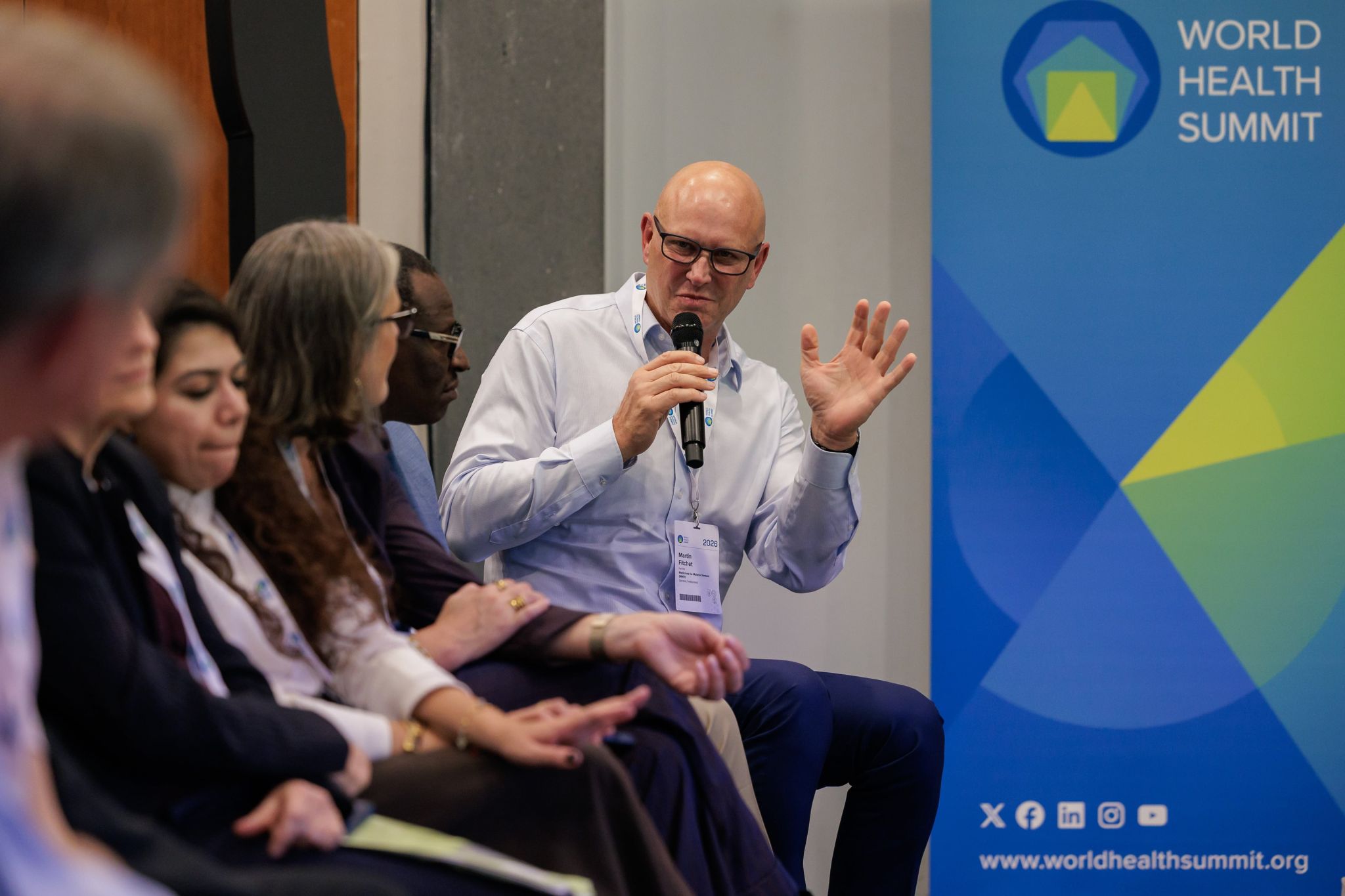
“Of 763 medicines approved between 2005 and 2024, only 15 were for neglected diseases,” said Martin Fitchet, chief executive of the Medicines for Malaria Venture (MMV), referring to US Food and Drug Administration approvals tallied in a 2025 analysis. “That is the gap PDPs were created to address.”
‘R&D is expensive’
Drugmakers finance research against the sales a product is expected to bring in, and for many neglected diseases there is little to borrow against.
“It’s very, very hard to borrow off the future commercial potential for a disease where you are paying no more than 50 to 70 cents for a treatment course,” Fitchet said. “R&D is expensive: $150 to $200 million in direct costs for an anti-infective like malaria, perhaps more. I’m not counting in the failures there.”
The malaria research pipeline is at a critical crossroads, and sustaining investment may determine the future of millions of patients. Malaria parasites are fast developing partial resistance to artemisinin, the backbone of current treatment, pitting the 282 million people who caught malaria in 2024, by WHO’s estimate, against the parasite in a medical arms race. Even with new medicines and the first malaria vaccines reaching African children, cases have risen 23% since 2015 and deaths 6%, WHO estimates show.
The last time the parasite outran a frontline drug, chloroquine in the 1990s, malaria deaths more than doubled to over a million a year before a new class of medicines arrived. In Rwanda, 40 to 50% of parasites already carry the artemisinin resistance mutation. Should resistance break the drugs in use across Africa, which carries 94% of the global burden, the consequences “could be catastrophic,” scientists at the Wellcome Sanger Institute warned.
The most advanced replacement is GanLum, a Novartis drug developed with MMV, which cured 97.4% of patients in a Phase 3 trial across 12 African countries and is awaiting approval. It would be the first malaria treatment in more than 25 years not built on artemisinin, and the drugs that follow it will need money that is now harder to find.
Coartem Baby, developed by Novartis with MMV, became the first malaria treatment for newborns and young infants when Swiss regulators approved it in July 2025, and WHO prequalified it in April.
“We bring together the best of industry, science and the public sector to develop and deliver medicines that are designed for the people who need them,” Fitchet said in written answers to Health Policy Watch.
Mosquitoes are also resisting the insecticides used on bed nets. Insecticide-treated nets accounted for 68% of the 663 million malaria cases averted in Africa between 2000 and 2015, more than any other intervention, a study in Nature found.
“The change in the global health architecture might be one thing,” said Justin McBeath, chief executive of the Innovative Vector Control Consortium (IVCC), a PDP that develops insecticides. “But that doesn’t change anything in terms of the evolution of resistance in mosquitoes.”
If not the PDPs?
Mueller also said no one had offered an alternative to the partnerships’ model. “I haven’t actually heard who will do product discovery and development if not the PDPs,” he said.
The last generation of partnership drugs shows what a stalled pipeline would cost. MMV-backed antimalarials averted an estimated 1.6 million deaths between 2000 and 2023, returning about $13 in health benefits for every dollar invested, a study in The Lancet Global Health found in February.
MMV received $2.3 billion over that period, roughly $1,450 for each death averted, by Health Policy Watch’s calculation.
“We’ve been around for 27 years, and we’ve done absolutely nothing on our own,” Fitchet said. “We’ve been involved in the approval of 19 medicines, and we’re 100 people.”
Von Messling said the partnerships’ usual pitch, that important ambitions deserve funding, “might no longer be enough.” Fitchet agreed.
“I did not want to give the impression that everything we do is great and the funding should be coming, because we know it’s not going to happen,” he responded, but urged funders not to abandon the model.
“Let’s get hung up on the job that needs to be done,” Fitchet said. “Build on and improve the model we have now, not dismantle it and throw it away and try something else, because this works.”
“PDPs already compete for funding and rightly must continually show their impact, efficiency and value,” he added in written requests for comment from Health Policy Watch. “Rather than framing the issue as ‘natural selection’, it is important to consider the broader public health imperative.”
A handful of meaningful funders
Unlike the Global Fund or Gavi, the partnerships have no pledging conferences to refill their accounts. Their money comes through competitive grants from governments and philanthropies, which means PDPs “must continually demonstrate value and impact,” DNDi, MMV, the TB Alliance and Medicines Development for Global Health wrote in their joint paper.
The Gates Foundation has supplied close to half of all PDP funding for neglected diseases for most of the past two decades, and G-FINDER describes its recent cuts as part of a long-term move away from the partnerships.
Gates provided almost 60% of MMV’s funding as of 2021, according to a Swiss government case study, and committed a further $180 million over five years in late 2024.
“Realistically, there are just a handful of meaningful funders,” said Melvin Spigelman, president and CEO of the TB Alliance. “That’s crazy.”
DNDi’s 2025 financial report lists donor exit first among its risks, warning that donors are shifting toward health security, technology and scalability “with reduced emphasis on PDP models and neglected diseases.”
“The runway is very short these days,” said Bríd Devlin, executive director of the Population Council’s Center for Biomedical Research, adding that grants now average two to three years, which makes it hard to commit to clinical trials.
Spigelman said the first answer to the funding squeeze is to “dramatically expand the base of the funding community,” bringing in middle-income countries such as Indonesia and the BRICS members.
Fitchet, meanwhile, told Health Policy Watch that diversification “should not simply mean transferring responsibility for financing global health R&D to countries already facing significant health and fiscal pressures.”
‘Some sort of magic number’
“That’s 18 CEOs, 18 CFOs,” one audience member said of the number of PDPs cited earlier in the day. “How do we defend 18 PDPs in the current global architecture environment?”
“I would really object to saying, ‘Oh, there’s some sort of magic number that’s too many,'” Spigelman replied. “That, to me, makes absolutely no sense given the magnitude of the problems and number of diseases.”
In 2022, with the future of its vaginal ring for HIV prevention in doubt, the International Partnership for Microbicides (IPM) sold its products and pipeline to the Population Council, a New York-based non-profit research organisation, and closed. “In our case, the consolidation of PDPs worked out,” said Devlin, who spent more than a decade at IPM. “I’m not sure that this would work for all PDPs to consolidate, given the differences in their diagnostics, services, products.”
“Funding is going down, but does that mean that we need to consolidate the PDPs?” Mueller asked. “I’m not so sure about that, because one mega PDP could actually be more costly.”
“Whether it is merging or prioritisation,” said Elizabeth Juma, who leads WHO Africa’s Expanded Special Project for Elimination of Neglected Tropical Diseases (ESPEN), “let’s not forget the diseases for which there will never be any economic value.”
Combat the infodemic in health information and support health policy reporting from the global South. Our growing network of journalists in Africa, Asia, Geneva and New York connect the dots between regional realities and the big global debates, with evidence-based, open access news and analysis. To make a personal or organisational contribution click the donate button below.