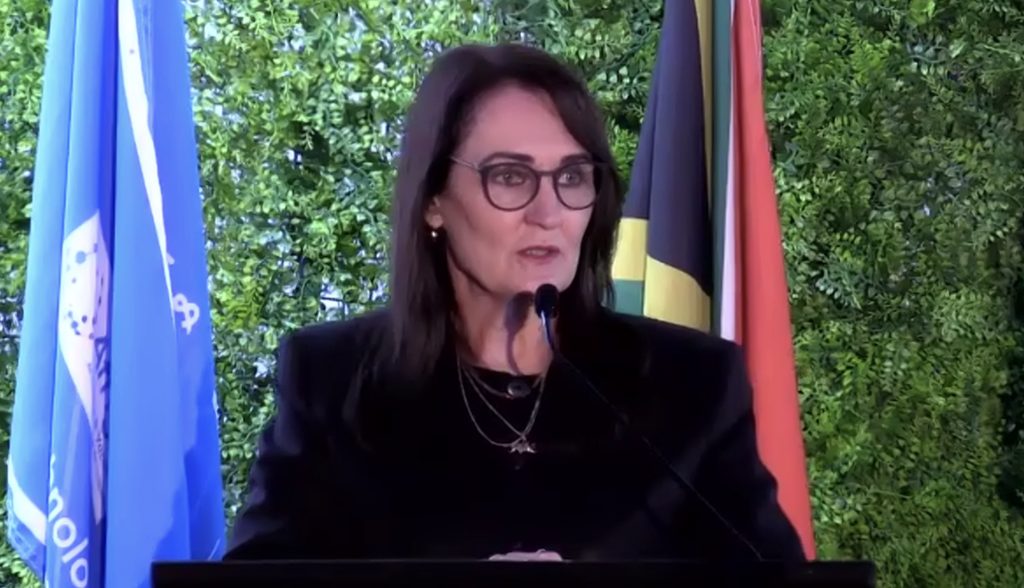
Afrigen Biologics, the South African facility that developed an mRNA vaccine from scratch during COVID-19, has become the first African facility to be certified to manufacture investigational biological products for Phase I and II clinical trials.
The facility celebrated receiving its Good Manufacturing Practice (GMP) certification for its mRNA facility in Cape Town from the South African Health Products Regulatory Authority (SAHPRA) on Wednesday.
This means that Afrigen now meets internationally recognised pharmaceutical manufacturing standards.
“Failure was never an option,” said Afrigen CEO Professor Petro Terblanche, while paying tribute to her team, the World Health Organization (WHO), Medicines Patent Pool (MPP) and several key donors.
Almost four years ago – on 21 June 2021 – Afrigen was selected as the “mRNA hub” by the WHO and MPP – along with BioVac and the South African Medicines Control Council.
Afrigen had the “enormous task to develop an mRNA platform, to industrialise it and to transfer technology to 15 partners on four continents in low-middle-income countries representing four billion people”, she added.
“We are ready to support clinical trial material production, advance technology transfer and contribute meaningfully to vaccine and biologics development and manufacturing.”
Afrigen’s 15 partners – including Bangladesh, Brazil, Egypt, India, Nigeria, Ukraine, Serba and Vietnam – are using the knowledge acquired from the hub to develop mRNA products to address a wide range of challenges from cancer to dengue to foot-and-mouth disease in animals.
Huge challenge of sustainability
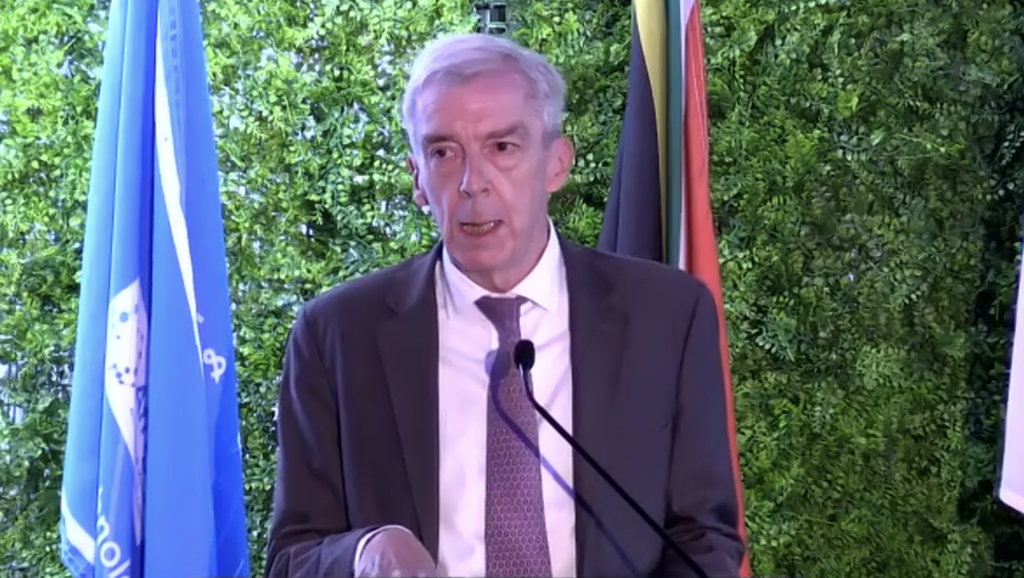
MPP head Charles Gore described the developments over the past four years as “mindboggling”, as the programme moved “from concept to regulated manufacturing capacity and a growing global network”.
“The idea that, in Africa, we would have this kind of progress and a cutting-edge technology six years ago, before COVID-19, would have been unthinkable,” said Gore.
“What has developed here [has been] transferred out across LMICs to make the world a better and safer place.”
However, Gore said that the next phase of the mRNA Technology Transfer Programme is to ensure that it is “really sustainable, because there is no point having the capacity if you then walk away and leave it to stagnate”.
This means that Afrigen and its partners will need to make – and sell – high quality products to governments and companies.
As previously reported by Health Policy Watch, the key challenge facing all mRNA hub partners is to ensure that governments procure their vaccines and medicines – although the new start-ups’ products are likely to be more expensive than the giant pharma firms that have been in the business for years and are already supplying large global markets.
Milestone for Africa
WHO Director General Dr Tedros Adhanom Ghebreyesus, told the gathering via a video message that the GMP certification is “an important milestone not only for South Africa and the African continent, but also for global health”.
“Afrigen now serves as a quality-assured strategic platform for regional manufacturing, contributing to secure supply, pandemic preparedness and Africa’s health sovereignty. “
Like Gore, Tedros stressed that the next phase of the programme “must focus on sustainability, strengthening product pipelines, partnerships and long-term capabilities”.
Tedros also thanked the governments of South Africa, Belgium, Canada, France, Germany, and the European Commission for supporting Afrigen.
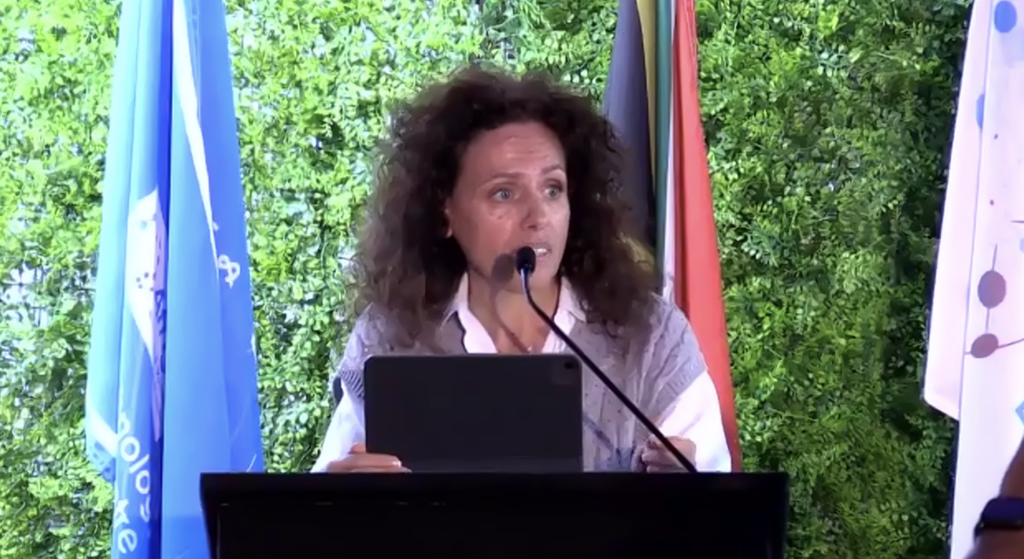
Dr Claudia Nannei, WHO’s team lead in product development and manufacturing, described the GMP certification as not simply a technical or regulatory achievement.
“It demonstrates that advanced quality assurance mRNA manufacturing capacity can be developed from scratch on the African continent, as long as it’s grounded on scientific excellence.”
Combat the infodemic in health information and support health policy reporting from the global South. Our growing network of journalists in Africa, Asia, Geneva and New York connect the dots between regional realities and the big global debates, with evidence-based, open access news and analysis. To make a personal or organisational contribution click the donate button below.