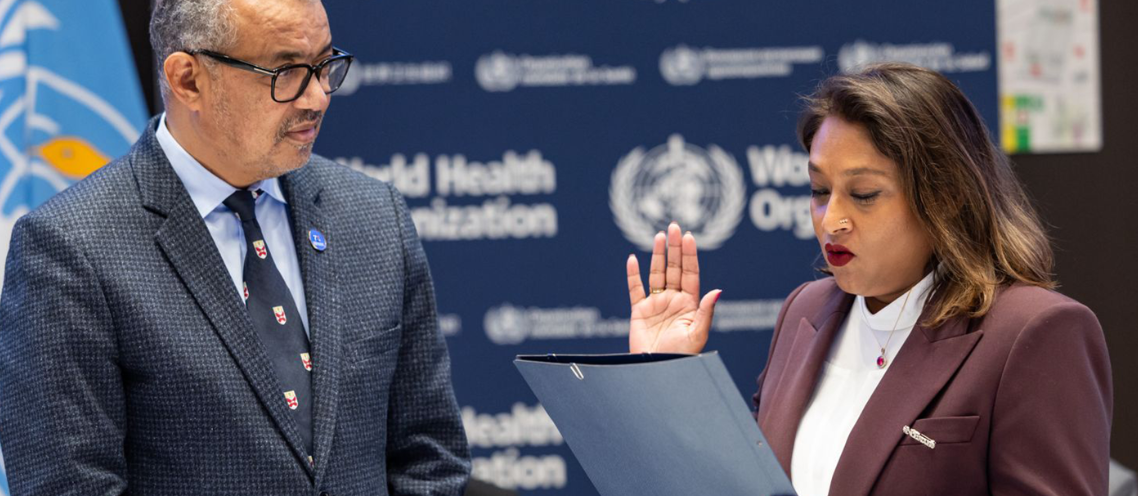
Saima Wazed, WHO’s Regional Director (RD) for South-East Asia (SEARO) and daughter of ousted Bangladeshi Prime Minister Sheikh Hasina, resigned Wednesday, just a day after South-East Asian member states recommended her termination, WHO confirmed to Health Policy Watch.
“The previous day, 8 September 2026, the Regional Committee had recommended that Wazed’s appointment as Regional Director be terminated. That recommendation had been due to be considered by the Executive Board,” said a WHO spokesperson in an email.
The discussion of Wazed was held behind closed doors with no fanfare at the 79th Regional Committee meeting of SEARO member states, which ended today.
Wazed’s resignation, first reported Wednesday night by Reuters, ends a tumultuous five-year term marked by fraud allegations, a year of leave, and, according to multiple people familiar with the matter, months of pressure from Dhaka on Director-General Tedros Adhanom Ghebreyesus to remove the RD that the new Bangladeshi government has prosecuted for fraud.
Speaking to the Indian Express after submitting her resignation letter, Wazed lashed back – denying all allegations and saying that she had quit “because of “harassment and intimidation” by the WHO Director General, Dr Tedros Adhanom Ghebreyesus.
“Not allowing for an independent investigation… leaving me on Leave Without Pay as retaliation for requesting an investigation into his conduct… It was becoming mentally and financially impossible for me to cope with this kind of harassment and abuse from him,” she was quoted telling the Express.
In response, WHO told Health Policy Watch, “this matter has been handled through the appropriate WHO processes in accordance with WHO’s regulatory framework, with due regard for fairness and due process, while safeguarding the interests of the Organization and its ability to fulfil its mandate.”
Dispute in shadow of overthrow of former Bangladeshi prime minister
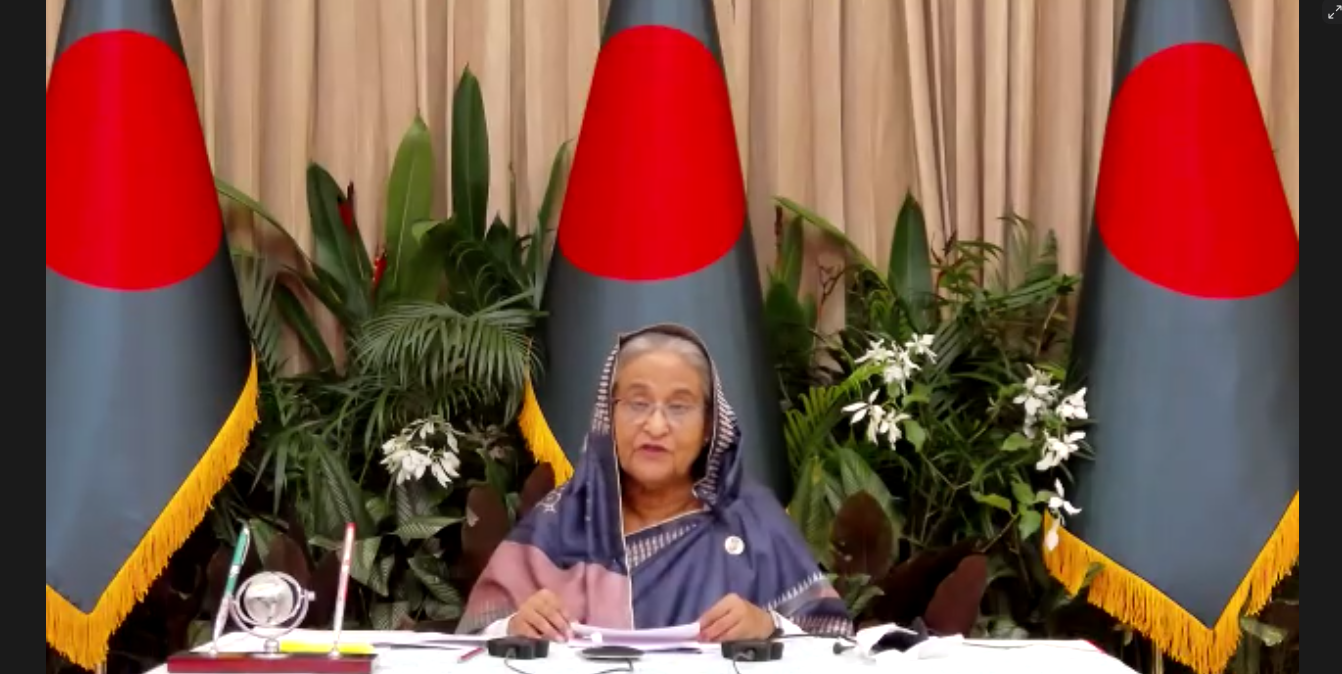
Other sources close to the matter noted that the termination move came after months of pressure on WHO from the new Bangladeshi government to investigate and dismiss her.
The sources, who requested anonymity, also contended had been paid at least part of her salary during the leave period. This could not be confirmed independently.
WHO had placed Wazed on leave in mid-2025, after Bangladesh’s Anti-Corruption Commission filed fraud and forgery charges against her in March.
The charges alleged that she misrepresented an honorary doctorate as an academic credential in her original WHO candidacy for the Regional Director’s position, and also had been engaged in improper land deals in Bangladesh.
The fraud charges were brought by the new government after Wazed’s mother, former Prime Minister Sheikh Hasina, fled the country to India on 5 August 2024 following massive student-led protests.
Wazed has denied the charges saying they were politically motivated.
Separately, WHO had reportedly been investigating alleged irregularities in a travel claim made by Wazed for the reimbursement of some $901 related to a trip to China – something her lawyers have said was due to an administrative error.
Action after months of pressure
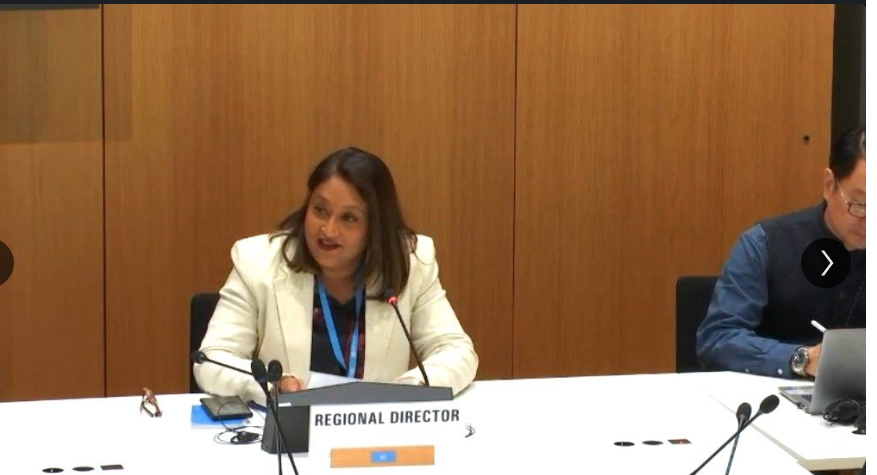
According to a diplomatic official involved in exchanges between Dhaka and WHO headquarters, who requested anonymity, representatives of Bangladesh’s interim government warned the WHO Director-General as early as 2025 that inaction on Wazed could prompt Bangladesh to reconsider its position within WHO’s South-East Asia Region, and consider a move into the Eastern Mediterranean Region.
“The Regional Committee cannot afford another country leaving SEARO, noted one observer, citing Indonesia’s decision to affiliate with the West Pacific Region,” last year. Currently there are ten WHO member states affiliated with the SEARO region, including: Bangladesh; Bhutan; Democratic People’s Republic of Korea; India; Maldives; Myanmar; Nepal; Sri Lanka; Thailand; and Timor-Leste.
Tedros finally placed her on ‘leave’ in July. But the WHO statement at the time carefully sidestepped the term “administrative leave” that is typically used in cases involving investigative of wrongdoing, or potential disciplinary action, describing her only as “currently on leave”.
The choice of terms, officials told Health Policy Watch, was deliberate, intended to limit reputational damage both to Wazed and to the Organization.
Another WHO official familiar with the internal investigation, who also requested anonymity, said the investigation into the allegations against Wazed had effectively stalled for much of the period she was on leave.
During that time, however, Wazed reportedly continued to reside in India, the host country of WHO’s South East Asia Regional Office, and a place where she could have immunity from the arrest warrant issued by Bangladesh.
Her mother, Sheikh Hasina also has been in India since her government fell – reflecting the traditionally close ties she had maintained with Delhi.
Sheikh Hasina also faces criminal charges in Bangladesh, including over mass killings during the crackdown on protesters that preceded her ouster. Alleged abuses were documented in a UN Human Rights Office of the High Commissioner (OHCHR) report published after her overthrow. She denies wrongdoing.
Wazed’s resignation takes effect immediately; Typically, WHO would be expected to open nominations for her successor in October.
Image Credits: WHO SEARO/LinkedIn, WHO.
Combat the infodemic in health information and support health policy reporting from the global South. Our growing network of journalists in Africa, Asia, Geneva and New York connect the dots between regional realities and the big global debates, with evidence-based, open access news and analysis. To make a personal or organisational contribution click the donate button below.