
Global leaders and policymakers must prepare for above-average temperatures until at least August due to El Niño conditions, the World Meteorological Organization (WMO) warned.
In a new update, the WMO indicated an 80% likelihood of an El Niño event during June–August, with a 90% probability that this could continue until at least November.
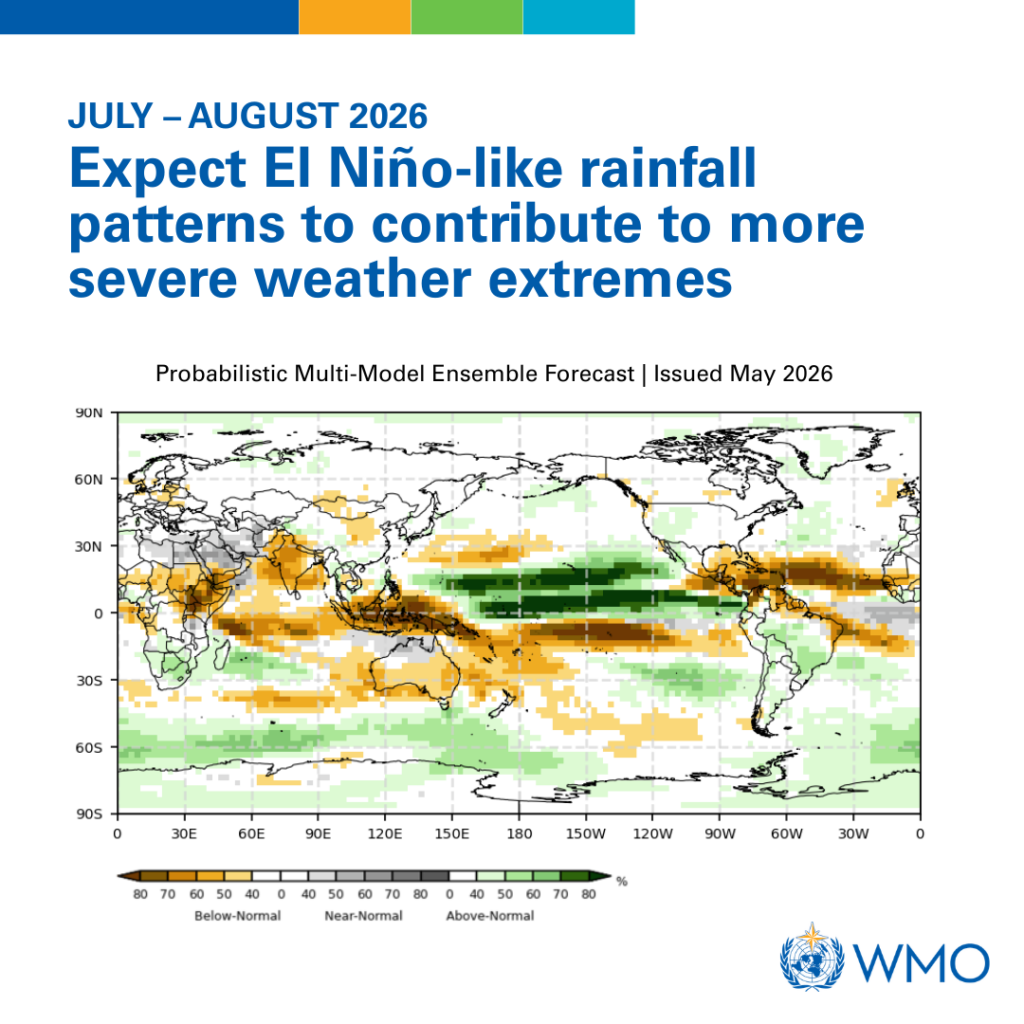
Rainfall and hurricane patterns will shift globally, with dry regions in Amazon and more wildfires in Australia, while heatwaves and droughts will intensify in other areas – all affecting human health.
The WMO, the United Nations body that keeps an eye on global weather and climate, said El Niño conditions are a result of unusually warm ocean waters in the tropical Pacific Ocean.
“This update matters because El Niño is a major driver of global weather and climate patterns. A warmer ocean adds heat and moisture to the climate system, which can serve to worsen climate extremes, including heat waves and heavy rainfall,” WMO Secretary-General Celeste Saulo said during a press conference.
“The science is clear: El Niño is arriving on our doorstep in the coming months with 90% certainty. The world must treat it as the urgent climate warning it is. El Niño conditions will pour fuel on the fire of a warming world,” the UN Secretary-General António Guterres said in a video statement.
“Impacts will hit even harder, travel even farther, and cross borders with devastating speed.”
Direct threat to human health
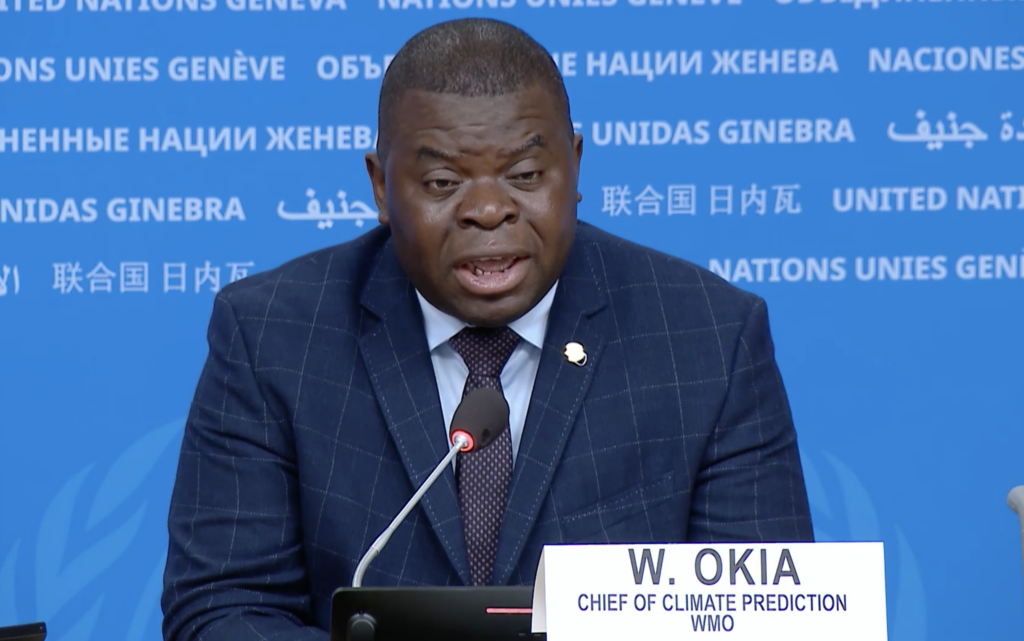
El Niño conditions tend to add some warmth to the system and spike the temperature of the planet, said W Okia, Chief of Climate Prediction at the WMO.
“The important thing is that we need to be prepared for El Niño, because the situation will come in some places with heatwaves, and in other places, you will have floods and drought,” he added.
Many of these extreme weather events will affect health of the local communities.
“I think Australia is another area where we should be paying a lot of attention, because of the less water that is expected, more warming, so it’s the ingredients are the worst for enhanced wildfires, and this has been the case for other El Niño,” Saulo said.
Wildfires often result in heavy air pollution that can last for months in the surrounding areas.
Changing rainfall and hurricane patterns
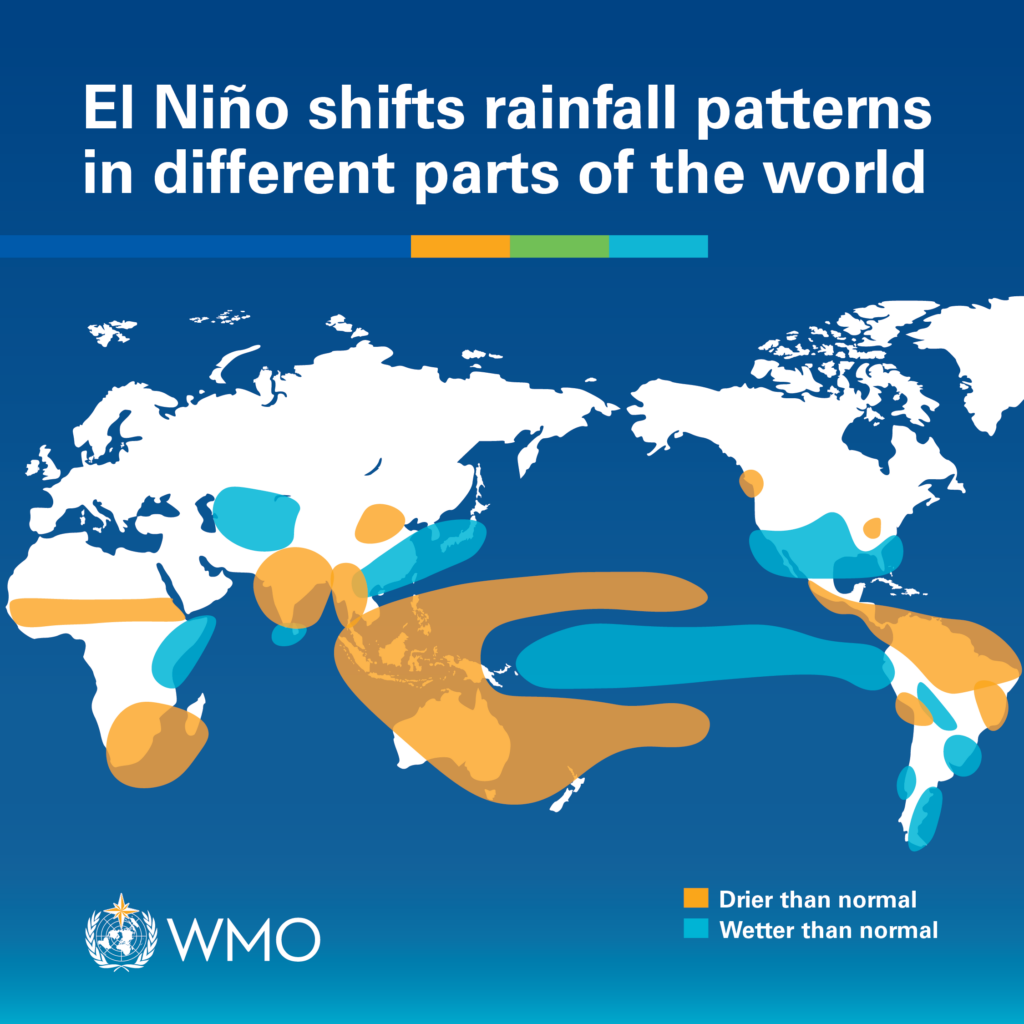
El Niño is a naturally occurring climate pattern that is linked to warming and can last up to 18 months.
It is typically associated with increased rainfall in parts of southern South America, the southern United States, parts of the Horn of Africa and central Asia, and drier conditions over Central America, northern South America, the Caribbean, Australia, Indonesia, and parts of southern Asia.
South Asia is expected to receive below-average monsoon rainfall, according to the South Asian Climate Outlook Forum. The downstream impact for the world’s most populous region and its agrarian-based economies is huge.
During the Boreal summer, the summer season in the northern hemisphere, El Niño’s warm water can fuel hurricanes in the central and eastern Pacific Ocean, while hindering hurricanes in the Atlantic Basin.
“The most recent El Niño, in 2023-24, was one of the five strongest on record and it played a role in the record global temperatures we saw in 2024,” said WMO’s Saulo.
Also read: Global Temperatures Head For Record Highs in Next Five Years
Climate connection to El Niño
The world’s water bodies absorb as much as 90% of the heat released in the atmosphere, but warm in the process.
WMO experts found that surface temperatures in the central-eastern Equatorial Pacific were as much as 6°C above average from late April to mid-May.
Climate change, in itself, is not known to increase the frequency or intensity of El Niño events but it can amplify the associated impacts because a warmer ocean and atmosphere increase the availability of energy and moisture, fueling extreme weather events such as heatwaves and heavy rainfall.
“The only effective response is climate action equal to the crisis – ending the addiction to fossil fuels, accelerating the shift to renewables, protecting the most vulnerable, and delivering early warning systems for all,” Guterres said.
Early warning systems
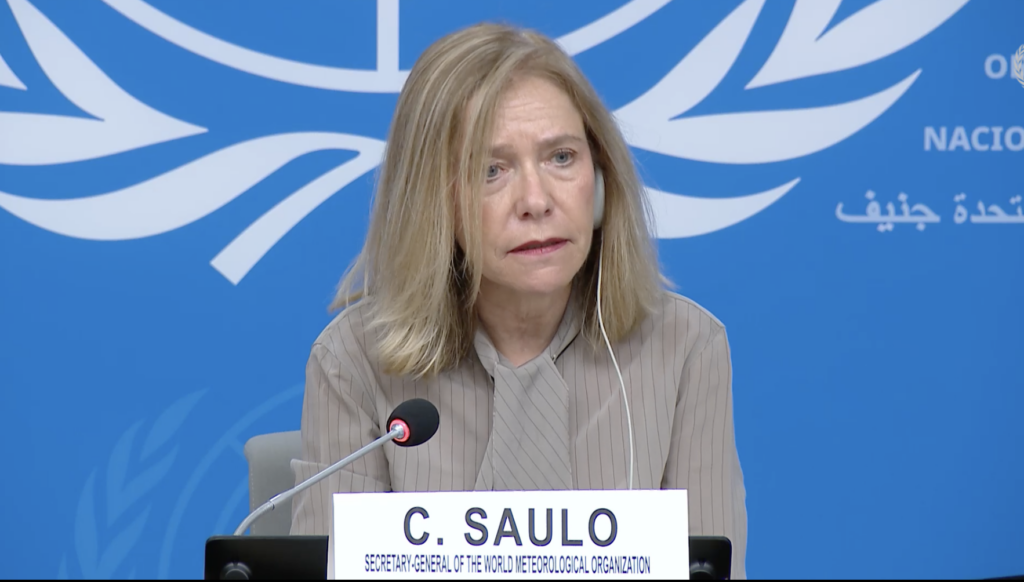
But El Niño does not have to be a recipe for disaster, Saulo said, appealing to countries to invest in early warning systems. Currently, 128 countries have multi-hazard early warning systems, while WMO forecasts and international collaborations help fill the gaps.
These warnings help give communities time to prepare and limit loss of life to a great extent.
“The WMO community will be carefully monitoring conditions in the coming months to inform decision-making by governments, humanitarian agencies and climate-sensitive sectors. Advance seasonal forecasts and early warnings are vital to save lives and cushion the impact on our economies and our communities,” said Saulo.
Combat the infodemic in health information and support health policy reporting from the global South. Our growing network of journalists in Africa, Asia, Geneva and New York connect the dots between regional realities and the big global debates, with evidence-based, open access news and analysis. To make a personal or organisational contribution click the donate button below.