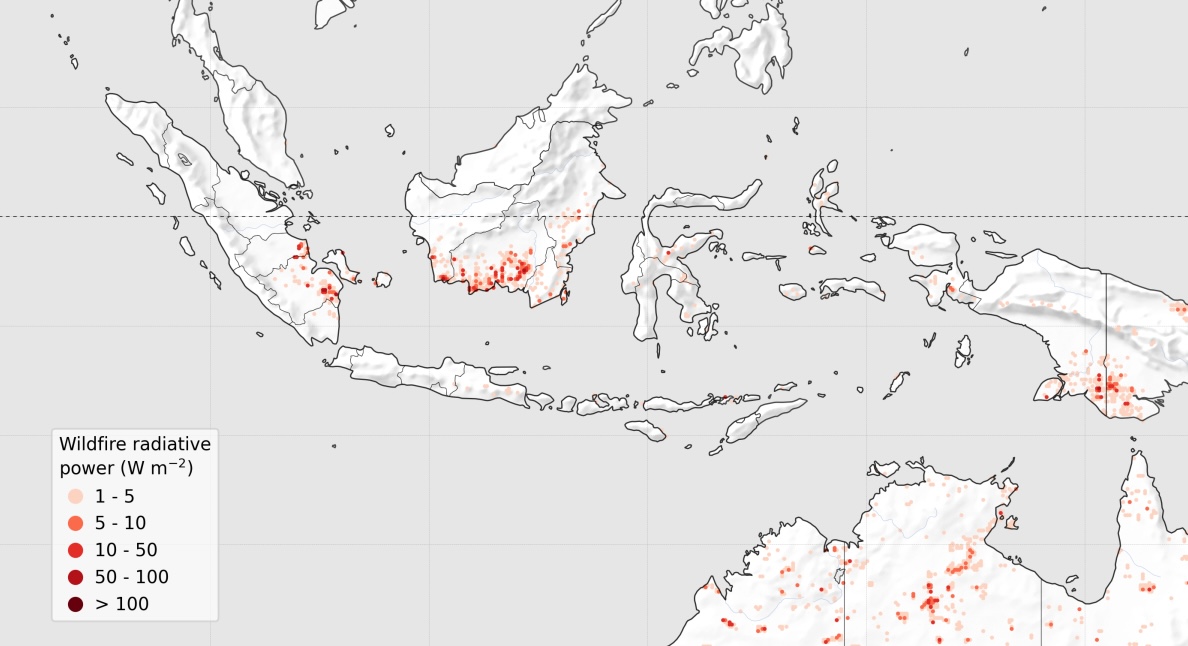
Worsening heat, dry weather due to climate change, and strong El Niño conditions have fueled some of the most intense fire activity to sweep across the islands in Indonesia and Papua New Guinea during this year’s dry season.
Deaths and respiratory issues have been reported across several nations in the region, and economic damages already run in the billions.
Copernicus Atmosphere Monitoring Service (CAMS), one of the services of the European Union’s Earth Observation Programme, has described this year’s fire activity as “exceptional” in its report released on Thursday.
“One thing that stands out this year is the persistence of the fires and the substantial differences between Indonesia’s provinces,” said said Mark Parrington, European Centre for Medium-Range Weather Forecasts (ECMWF) scientist for CAMS. “Our forecasts have highlighted the severe and prolonged air quality impacts of the haze and regional smoke transport across the country and wider Maritime Continent, resulting in significant health issues and poor visibility.”
Health impacts across borders
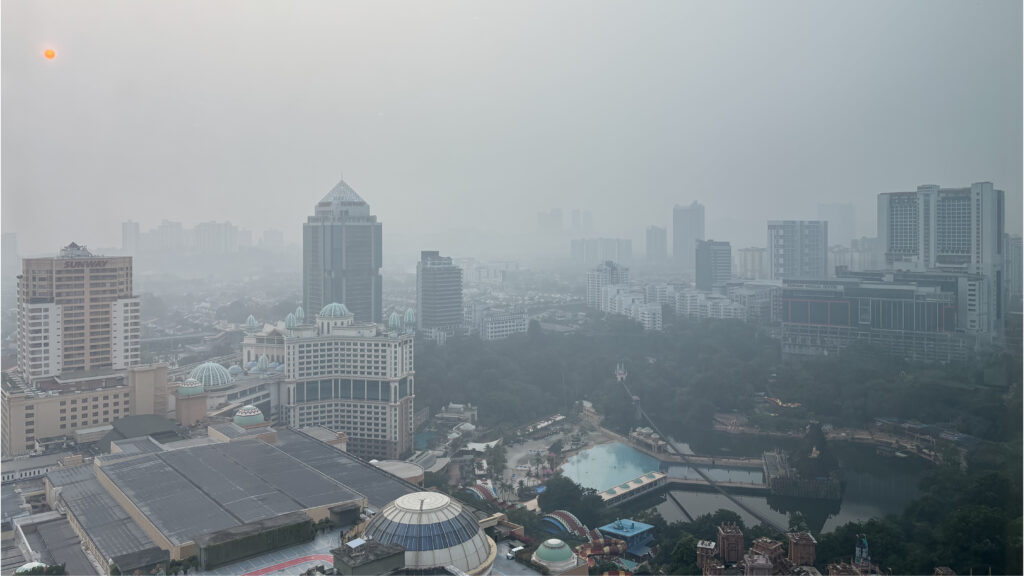
The blazes across Indonesia have burnt over 88,000 km2, claiming lives, causing widespread respiratory illness, affecting endangered animals, and disrupting global supply chains.
According to the Centre for Research on Energy and Clean Air (CRECA), smoke from these fires has so far resulted in the deaths of over 5,250 people and 400,000 respiratory infections across the country.
It has also degraded air quality in Singapore, Malaysia and the Philippines. Singapore experienced one of its worst haze episodes in years, with an economic cost estimated in the billions of dollars.
Months of poor air quality
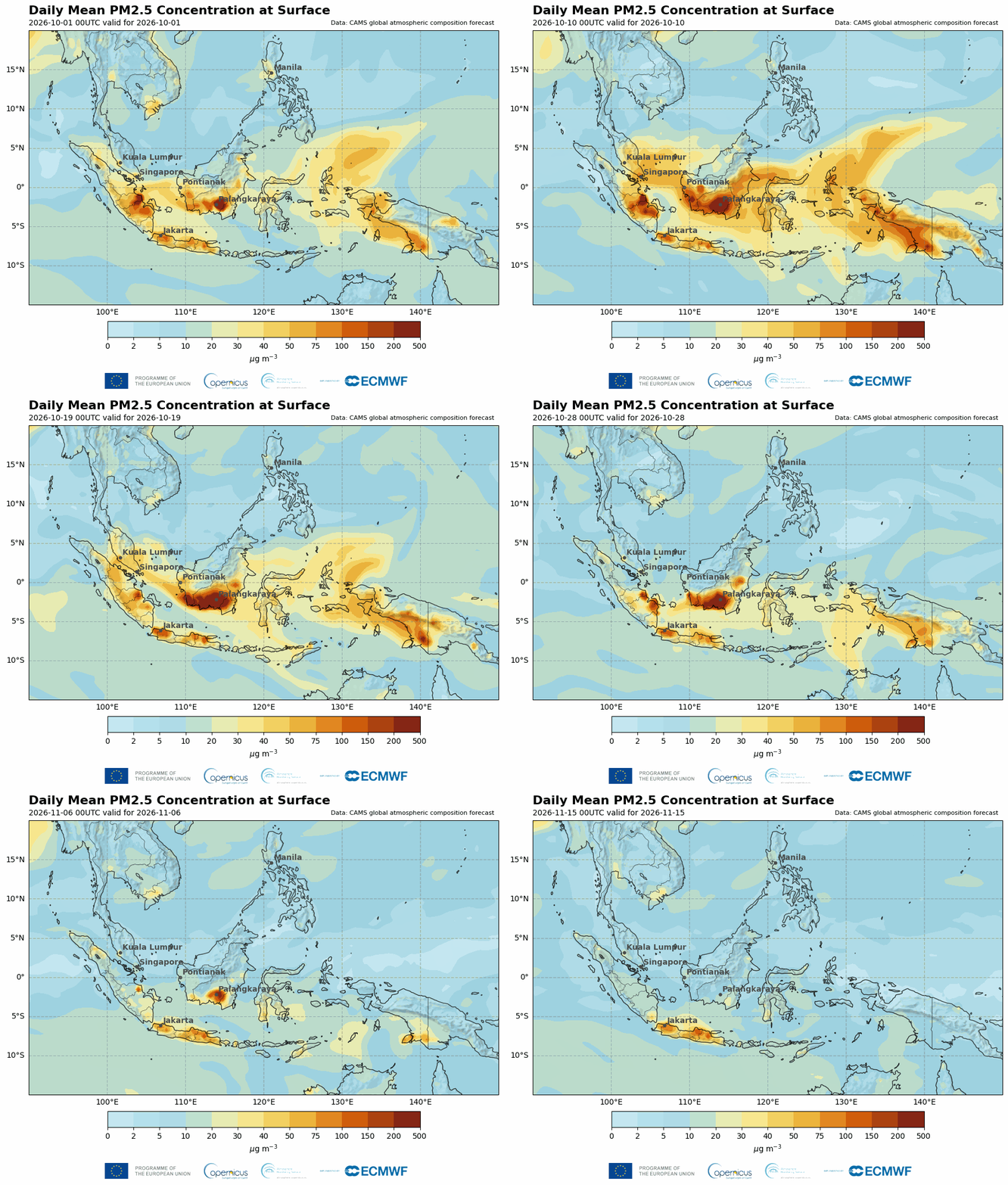
Air pollution has been poor across several countries in the Southeast Asia region since September this year, as air pollution can travel hundreds of kilometres away from the source with the right wind speed.
By 15 November, total estimated fire emissions for Indonesia for the year were the third highest since 2003, releasing 200 megatonnes of carbon (Mt C).
This year’s emissions were close to the second-highest levels (in 2006) but far from the record (2015), which reached nearly 400 Mt C, per CAMS Global Fire Assimilation System (GFAS) data.
Notably, both 2006 and 2015 were also El Niño years. Meanwhile, the total emissions from fires in neighbouring country Papua New Guinea were the second highest since 2003, tracking closely to the current record, set in 2015.
Also read: Indonesian Wildfires Cause Air Pollution Levels to Rise to Hazardous Levels in Southeast Asia
Record levels of fires in Indonesia
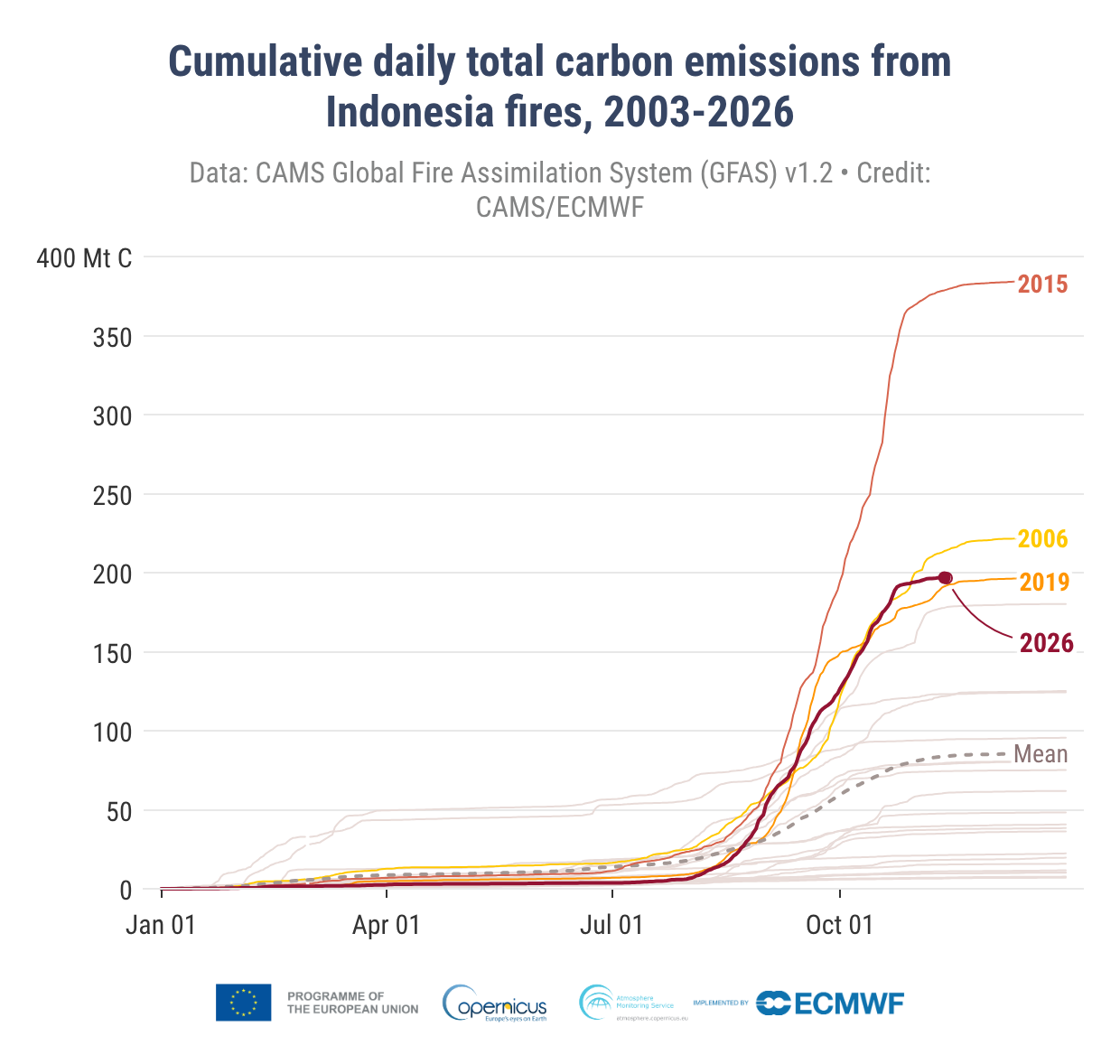
Though consistent with fire emissions for Indonesia seen in El Niño years, this year’s levels were well above those recorded in recent years. The 2026 fire emissions also starkly contrasted those of last year’s dry season, which were particularly low.
Indonesia has made substantial efforts to reduce the frequency and intensity of seasonal fires, with help from other ASEAN countries – a group of 11 regional nations.
Fires driven by El Niño and climate change
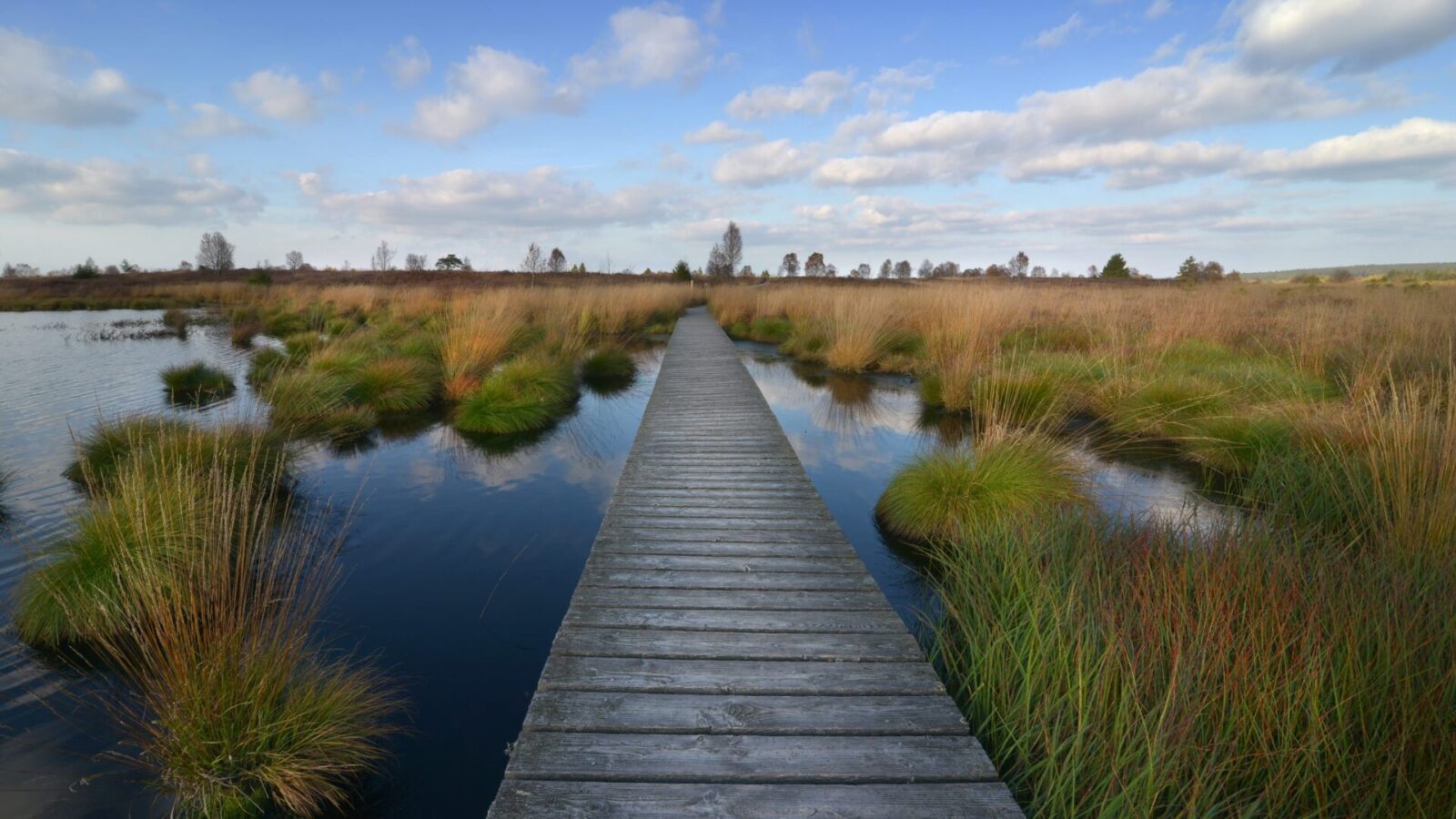
While El Niño is a natural phenomenon, it tends to intensify dry conditions in and around southeast Asia, increasing the risk of blazes. It also leaves peatlands – ecosystems that provide unique habitats and store large amounts of carbon – which have been drained for agriculture particularly vulnerable to burning.
Fires in peat that has been drained can burn underground and smoulder for long periods of time, releasing large amounts of smoke pollution and greenhouse gases into the atmosphere.
“High temperatures and a lack of rainfall (precipitation), driven by strong El Niño conditions and human-induced climate change, favoured this exceptional fire season. CAMS data show that El Niño can be a contributor to major blazes across Southeast Asia, but it is not the only factor,” concluded Laurence Rouil, director of CAMS.
Image Credits: Copernicus, Minh Tran, CAMS, CAMS Global Fire Assimilation System v1.2., International Peatland Society.
Combat the infodemic in health information and support health policy reporting from the global South. Our growing network of journalists in Africa, Asia, Geneva and New York connect the dots between regional realities and the big global debates, with evidence-based, open access news and analysis. To make a personal or organisational contribution click the donate button below.