
Tobacco companies have helped to engineer ultra-processed food (UPF) and scale up the industry, developing and distributing addictive products that are driving obesity, cancer, dementia and chronic diseases like diabetes.
This is according to one of the most comprehensive reviews of the drivers and impact of UFP, published in the American Journal of Public Health (AJPH) on Wednesday.
The researchers define UPF as products that people can’t make in their own kitchens – primarily because they contain additives such as colours, flavours and emulsifiers that change the properties of food.
Taken together, the 18 research papers depict a commercial system that “has engineered, marketed, and normalised products linked to widespread chronic disease”, said lead author Nicholas Chartres, from the Universities of Sydney and University of California, San Francisco (UCSF).
Manipulation by Big Tobacco
By examining over 100 previously secret tobacco industry source documents, Kansas University’s Professor Tara Fazzino found that US tobacco companies had developed multi-billion dollar global food companies by “leveraging their existing tobacco businesses and infrastructures”.
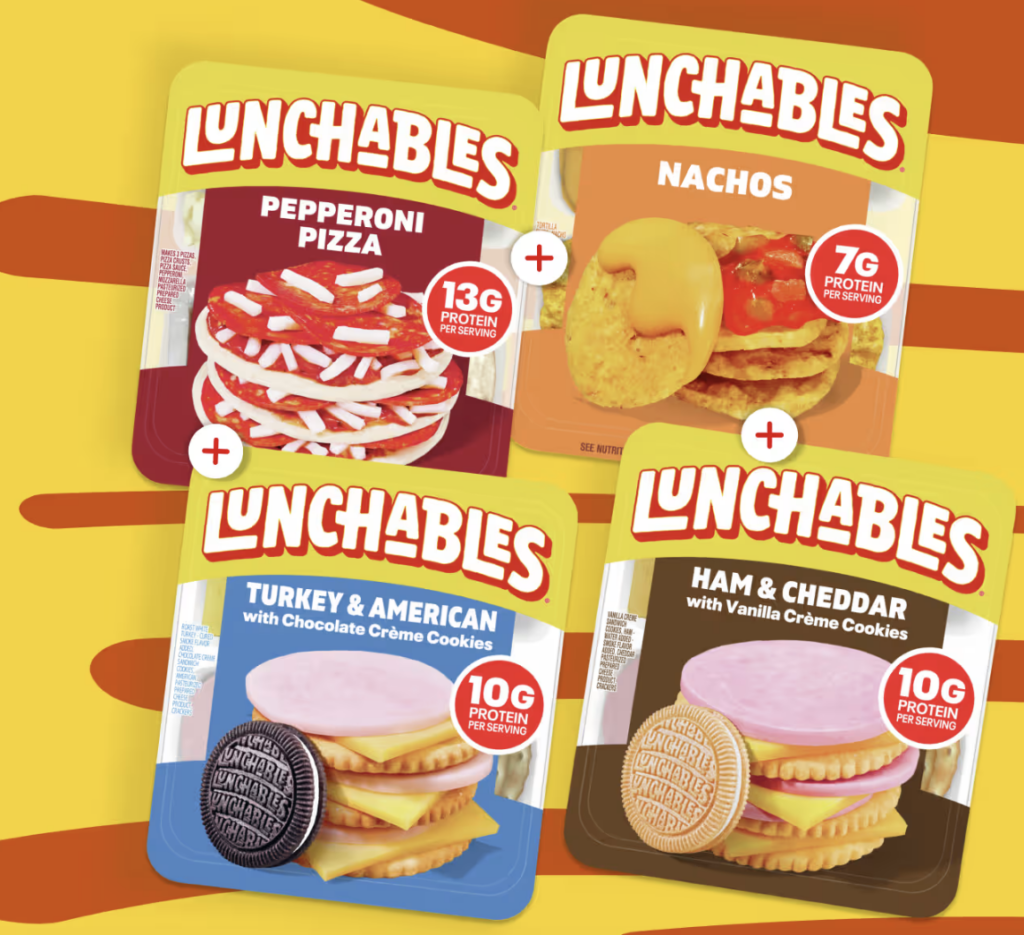
Laura Schmidt, from UCSF’s School of Medicine, dug into one example: how Philip Morris “used cigarette design expertise, flavour engineering, and processing technologies to develop the iconic ultra-processed food brand for kids, Lunchables.”
The ready-made food aimed at children, Lunchables, was launched by Philip Morris in 1988 after it bought General Foods and Kraft. (It sold Kraft in 2007.)
The company “used cigarette design expertise, flavour engineering, and processing technologies to develop the iconic ultra-processed food brand for kids, Lunchables,” Schmidt told a media briefing on Tuesday.
Schmidt’s research found that company product designers used psychological research on consumers to understand their unconscious wants and needs.
“Lunchables were designed to appeal to the child’s underlying drive for independence, autonomy, and to want to play,” she said.
Carbohydrate-fat addiction
Ashley Gearhardt, professor of psychology at the University of Michigan, surveyed a diverse sample of over 1,600 Americans to understand which foods they felt addicted to and why.
“I’m a clinical psychologist. I’ve treated people in the clinic for many years, and people will say: ‘I feel addicted to this’; ‘I feel out of control’; ‘I have these irresistible cravings, I can’t stop, even though I know it’s killing me’,” she said.
Pepperoni pizza, chocolate chip cookies, French fries, glazed doughnuts, and plain potato chips had the highest ratings for addictiveness.
“Real whole food did not trigger addictive responses,” she added. “No one says: ‘Oh, apple slices, you can’t stop once you start’.”
The foods that did trigger reward signals in the brain – activating dopamine – were those that could speedily supply dense, refined carbohydrates, often in combination with fat.
Gearhardt described the carb-fat combination as a “one-two punch”, a combination that “we see so commonly in ultra-processed foods but is missing from Mother Nature.”
After a while, even the product’s packaging or smell would be enough to trigger dopamine, fueling a person’s desire to consume it.
UPF and dementia

UPFs make up the bulk of most Americans’ diets, and the impact on their health has been striking.
The impact of UFPs on dementia is relatively uncharted, and research led by Dr Heejin Lee, a post-doctoral student from Harvard’s TH Chan School of Public Health, came to some alarming conclusions.
“By following over 5,000 older Americans for almost 10 years, we found that people who ate the most ultra-processed foods – like packaged snacks, processed meats and sugary drinks – had a 58% higher risk of developing dementia, a 46% higher risk of developing mild cognitive impairment, and a 47% higher risk of either of those two outcomes,” Cindy Leung, Lee’s professor, told the briefing.
“Processed meats contributed most to dementia risk,” added Leung. “These associations held even after we adjusted for things like income, education, and a lot of lifestyle factors like smoking, physical activity, alcohol use, as well as baseline chronic disease risk.”
What MAHA is getting right – and wrong
Despite political polarisation in the US, there is bipartisan support for government action to curtail the impact of UPF, said Marion Nestle, Emeritus Professor of Nutrition, Food Studies, and Public Health from New York University.
She said that the Make America Healthy Again (MAHA) movement is made up of “people who really, really care about what their kids are eating” and their concerns about colourants, flavourants, and glyphosate in food should be supported.
Lindset Smith Taillie from the University of North Carolina at Chapel Hill added that what the MAHA movement is doing right is “shifting the narrative away from personal responsibility and lack of willpower to the real culprit, which is the food industry that makes and sells and markets these products, especially to kids.”
But, said Nestle: “What they’re getting wrong is they’re not a science-based movement, they’re a feeling-based movement, and they believe that personal experience is much more important than what the science says.”
Taking on Big Food
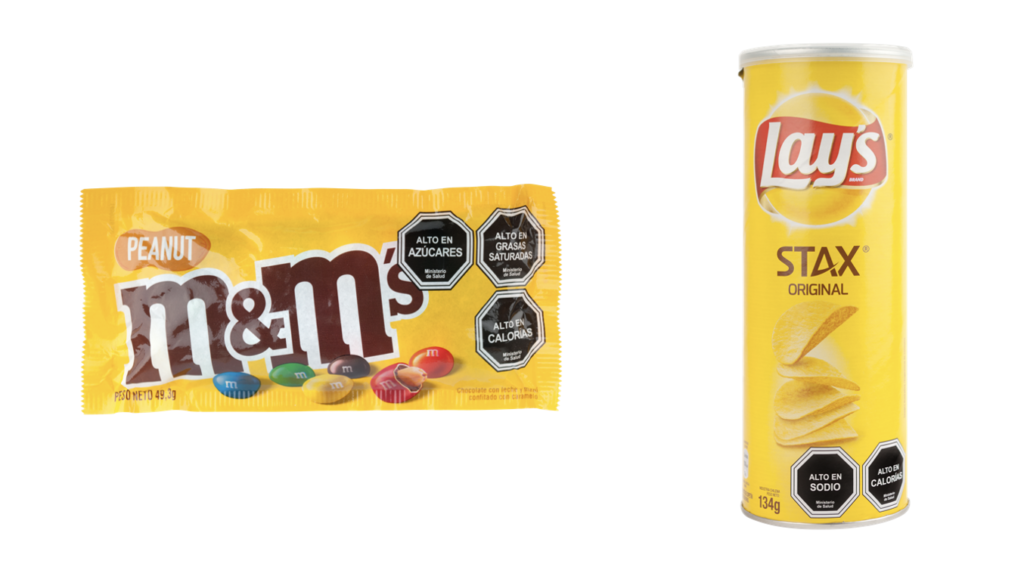
New nationally representative polling included in the research found that roughly 70% of Americans believe ultra-processed food is addictive and almost three-quarters support warning labels about health risks.
Almost two-thirds support advertising restrictions for children, while the majority of people across political parties support stronger government action to address the harms of UFP.
The authors call for extending existing consumer protection laws to protect all Americans, especially children, to include UPFs “including health warning labels, taxes, restrictions on marketing and advertising to children, and other public health tools modelled on tobacco control.”
Taxes and penalties against big food companies could generate considerable revenue that could be used to lower the prices of fruits and vegetables.
Litigation against the harmful activities of big food companies is likely to be necessary to kickstart healthy policies, argues Kelly Brownell, a global expert in food policy and Professor Emeritus of Public Policy at Duke University’s Global Health Institute.
It can take decades for governments to introduce meaningful policy once they know that a product causes harm, said Brownell.
“There are policies used in other countries that have been tested, but it is as if they’re locked in a bunker. We talk about them. We hope they occur, but very little happens,” he said, adding that litigation can “blow that bunker open” as it did against tobacco.
Brownell and colleagues singled out potential action by state Attorney Generals across the US.
“The majority of Americans support Attorney Generals investigating [UPF companies] in tobacco-style lawsuits to uncover what is going on that is making the grocery store feel so incredibly rigged against the consumer,” Gearhardt said.
Scientists are FedUP!
Alongside the publication of the UPF research, leading scientists, researchers, and public health advocates also launched a science-first consumer education movement called FedUP!
It will be dedicated to exposing the harms of ultra-processed food and empowering Americans with “clear, evidence-based information about how the modern food system impacts health”.
The movement’s new website will translate scientific research into accessible education, resources, and tools to help families, communities, and policymakers better understand ultra-processed food and take meaningful action.
Image Credits: Wei Ding/ Unspash, Pixabay, CIAPEC-INTA.
Combat the infodemic in health information and support health policy reporting from the global South. Our growing network of journalists in Africa, Asia, Geneva and New York connect the dots between regional realities and the big global debates, with evidence-based, open access news and analysis. To make a personal or organisational contribution click the donate button below.