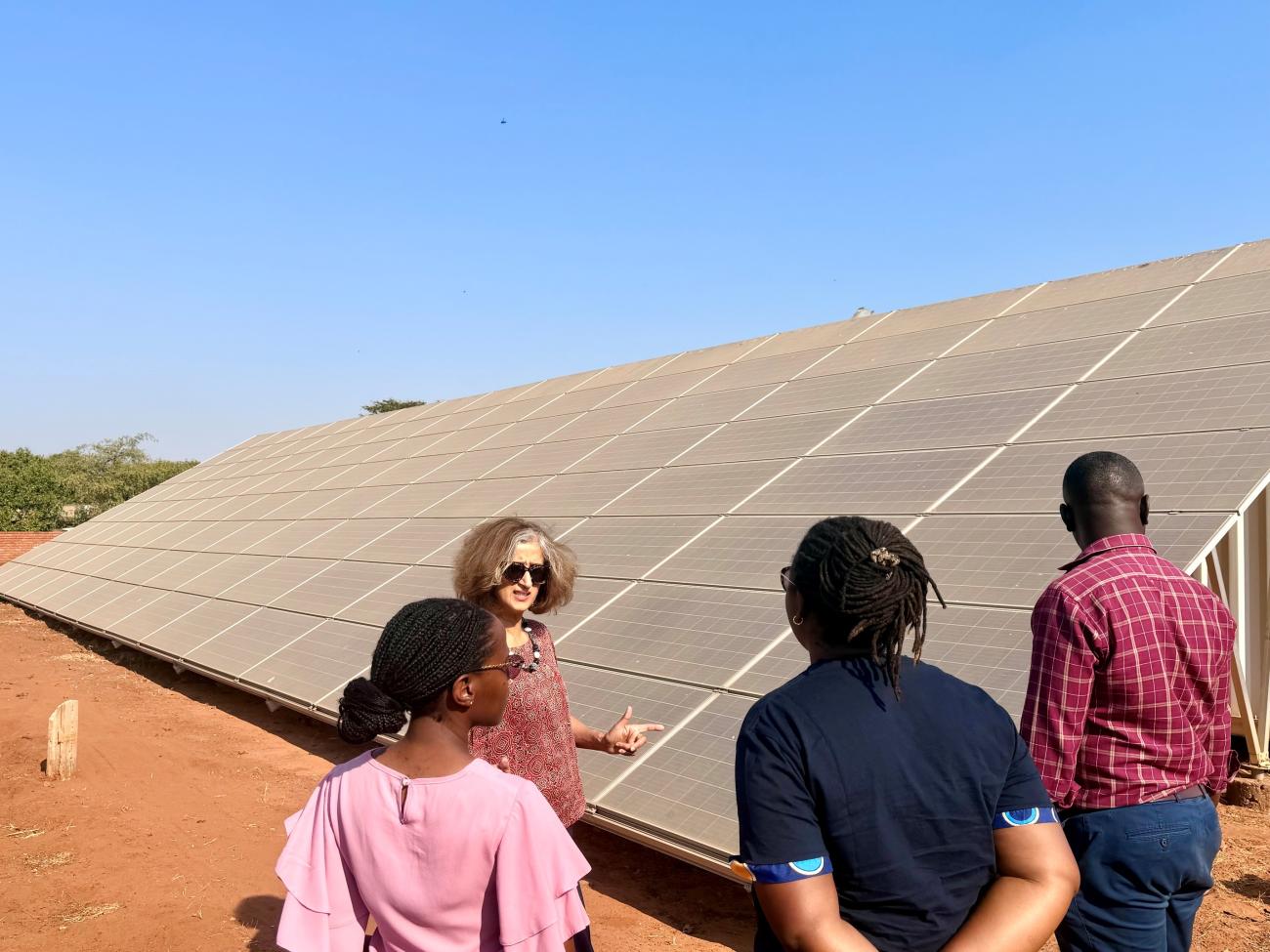
HARARE, Zimbabwe – As she opened and shut the doors of four giant refrigerators inside a dispensary at Budiriro Polyclinic in the capital of Harare, the nurse beamed.
Since the clinic became linked to solar power, critical medicines that need refrigeration are no longer at risk of spoiling when the national power grid is unavailable.
While the rest of the world is moving towards solar as a clean energy option, Zimbabwe turned to it out of sheer survival to keep its health clinics from operating in the dark.
Run by the United Nations Development Fund (UNDP) and the Global Fund, in active collaboration with the government of Zimbabwe, the country’s “solar-for-health” program was launched in 2015.
Budiriro Polyclinic was one of the first beneficiaries. At the time, Zimbabwe experienced power cuts of up to 18 hours a day as drought sapped away water from dams and lakes, heavily impacting hydro-electricity.
By August this year, over 1,263 health facilities and medical warehouses across Zimbabwe had solar energy systems, driven by a partnership between the UNDP, the Global Fund, and the government.
These installations power maternity wards, such as the ones at Budiriro Polyclinic, as well as vaccine cold chains and emergency operating rooms at hospitals during lengthy periods of power blackouts.
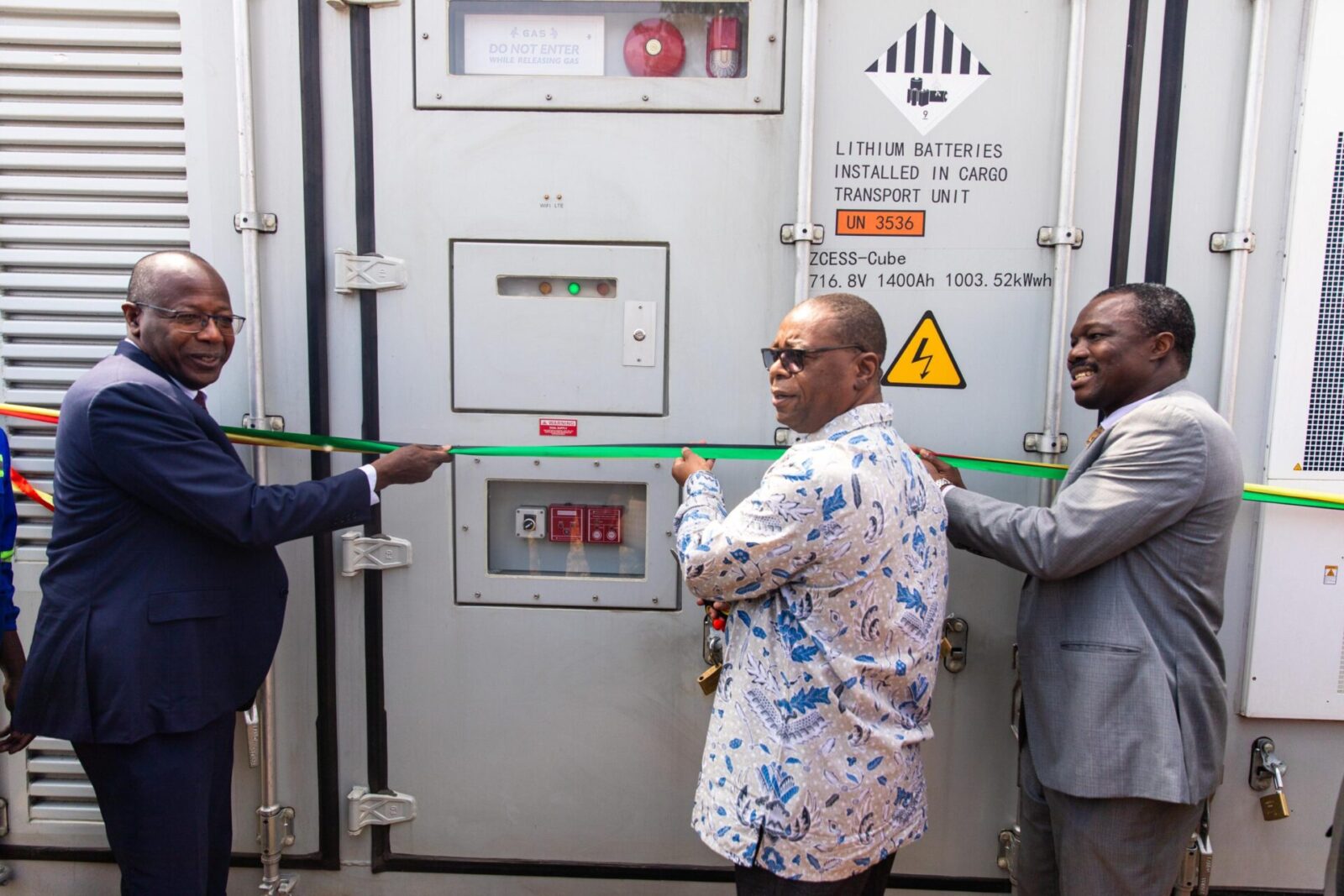
In 2024, to shield medical drugs from the incessant power blackouts, the UNDP donated a state-of-the-art 450 kWp solar system to Zimbabwe’s Ministry of Health and Child Care and the National Pharmaceutical Company (NatPharm).
Solar pride
In Harare, where a 500-kW hybrid solar-battery system was installed at Parirenyatwa Group of Hospitals, Zimbabwe’s biggest referral hospital, the transition to clean, reliable solar energy has brought relief to healthcare workers and patients previously plagued by blackouts.
“Before the coming of solar here, as nurses, we would order expecting mothers to buy candles and torches for lighting because power outages were severe. We no longer do that because solar has made our lives better,” a nurse at Parirenyatwa Hospital told Health Policy Watch.
“I’m so happy because there is solar power here now. In the past, each time I would be admitted here, there would be total darkness with no alternative when power went off. But with solar now, that is no more,” said Neliet Magosvongwe, a hypertension patient.
Solar plants increase
Zimbabwe is steadily scaling its healthcare grid, marked by a continuous rise in solar-powered clinics.
Such is the case at the United Bulawayo Hospitals (UBH), a central referral hospital west of the country which serves five provinces. UBH now has a 350kW solar plant that became fully operational in February.
“The solar plant here has massively consolidated power reliability while it has also resulted in a cut in costs that have often been incurred by the hospital through the use of diesel while powering generators for energy supplies,” said a staffer at UBH.
Patients upbeat
Miriam Matshona from Budiriro is expecting her third child. In 2018, Matshona had her second child at the clinic when a solar plant had just been installed. When power cuts hit the clinic then, the lights remained on, so she is confident that this will be the case for her next birth.
Nurses no longer dread nocturnal deliveries, when they battled to monitor women’s labiur by candlelight.
“Before solar came, when power went off, we would turn to candles or the diesel generator, but that was noisy, smoky and not fit for use around patients. But now we have solar which provides clean energy,” said a nurse at Budiriro Polyclinic.
Approximately 25% of healthcare facilities in Sub-Saharan Africa (SSA) have no access to electricity, while a further 28% do not have reliable access to power and experience frequent outages that have often affected the continuity and quality of health care, according to UNDP.
Combat the infodemic in health information and support health policy reporting from the global South. Our growing network of journalists in Africa, Asia, Geneva and New York connect the dots between regional realities and the big global debates, with evidence-based, open access news and analysis. To make a personal or organisational contribution click the donate button below.