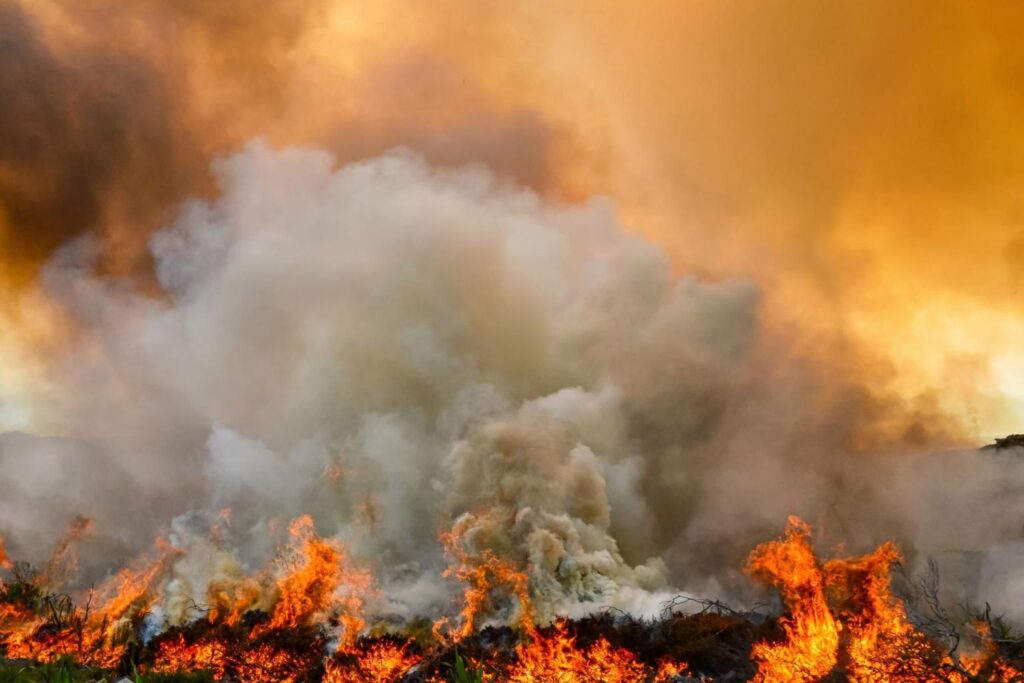
Meeting the World Health Organization (WHO) air quality guidelines will become progressively more difficult, as fires are expected to increase in the future, according to a new report from the World Meteorological Organization (WMO).
The report also draws attention to the complex relationship between air quality and climate change, showing how poor air quality – driven by vehicular emissions, wildfires and heatwaves – is contributing to climate change.
WHO has stressed the importance of complementary and coordinated policies on air quality and climate because they cannot be dealt with in isolation.
It has also called for improved monitoring of air pollutants such as fine particulate matter and ground-level ozone, as well as aerosols like black carbon and microplastics.
The annual Air Quality and Climate Bulletin, released on Monday, finds that air pollutants like aerosols, particulate matter and surface ozone are not well monitored, despite the harm they can cause to ecosystems.
The bulletin, released on the International Day of Clean Air, is based on data and information from WMO’s worldwide tracking system, the Global Atmosphere Watch network.
PM2.5 above-average in India, Canada but below-average in China
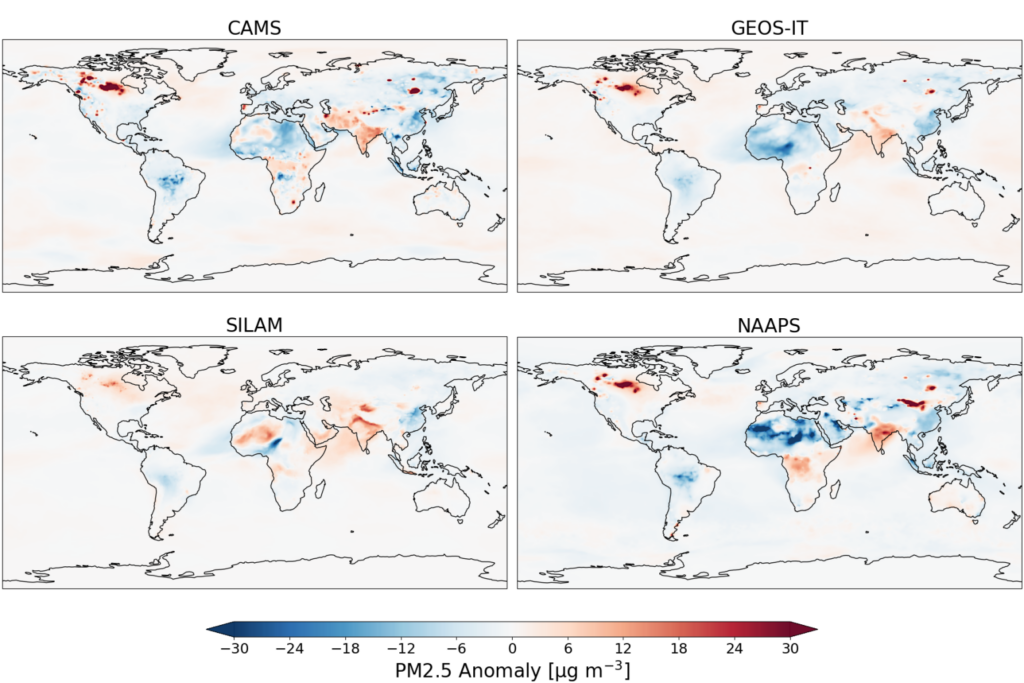
In 2025, PM2.5 concentrations were above the long-term average in northern Canada, part of Russia and western-central Africa due to increased fire activity. Northwestern Spain was also a hot spot because of exceptional fires in late summer 2025.
PM2.5 is composed of microscopic particles and droplets of less than 2.5 micrometres (μm) in diameter, and can penetrate deep into the lungs and bloodstream.
Industrial activity, agriculture, residential heating and transport, as well as wildfires and dust storms are major PM2.5 sources.
In South America’s Amazonia, burning was lower in 2025 than in previous years, contributing to the reduction in levels there.
PM2.5 levels continued to be below the long-term average in China in 2025, reflecting a decline in emissions from human activities. India, though, continues to have above average levels because of biomass burning and other pollution.
Wildfires, heatwaves, and ozone increase air pollution
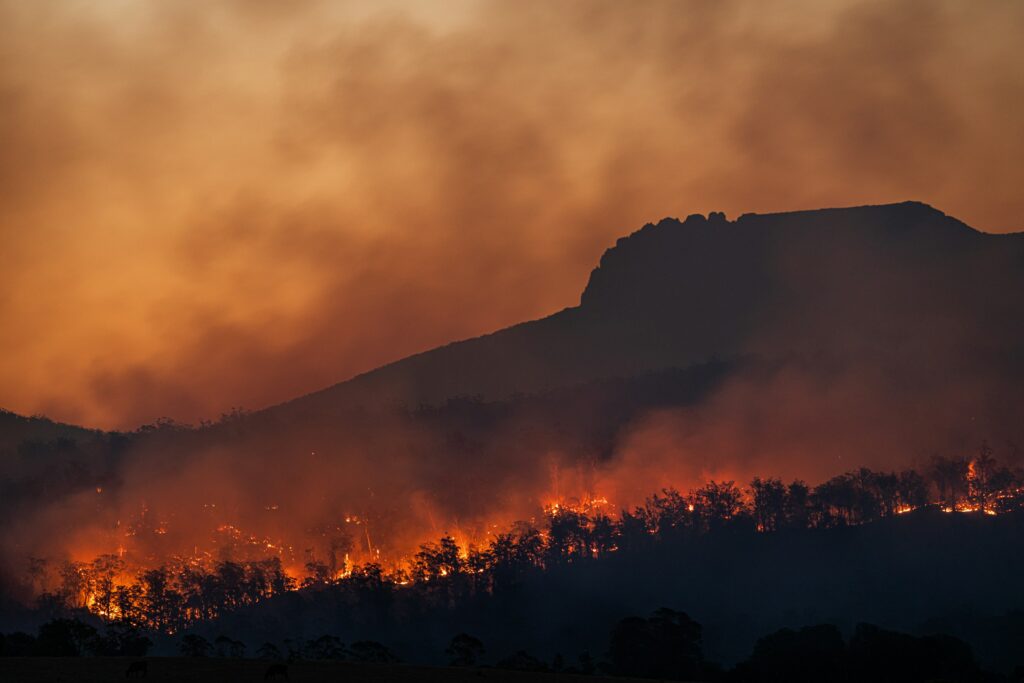
Extreme wildfires are increasing, with serious health consequences because of the high toxicity of smoke. Even as regulations in Europe and North America have reduced industrial and transport PM2.5 emissions, exposure to fire-related PM2.5 has increased due to the wildfires there.
Ground-level ozone pollution that affects human health, agriculture and ecosystems is a growing problem because of heatwaves. high temperatures, stagnant atmospheric conditions and intense solar radiation together promote ground-level ozone formation. Long-term exposure to ozone pollution is associated with increased mortality, primarily through respiratory diseases.
“Looking forward, ozone-related health risks are expected to intensify,” the bulletin said.
Aerosols travel across continents and worsen air pollution
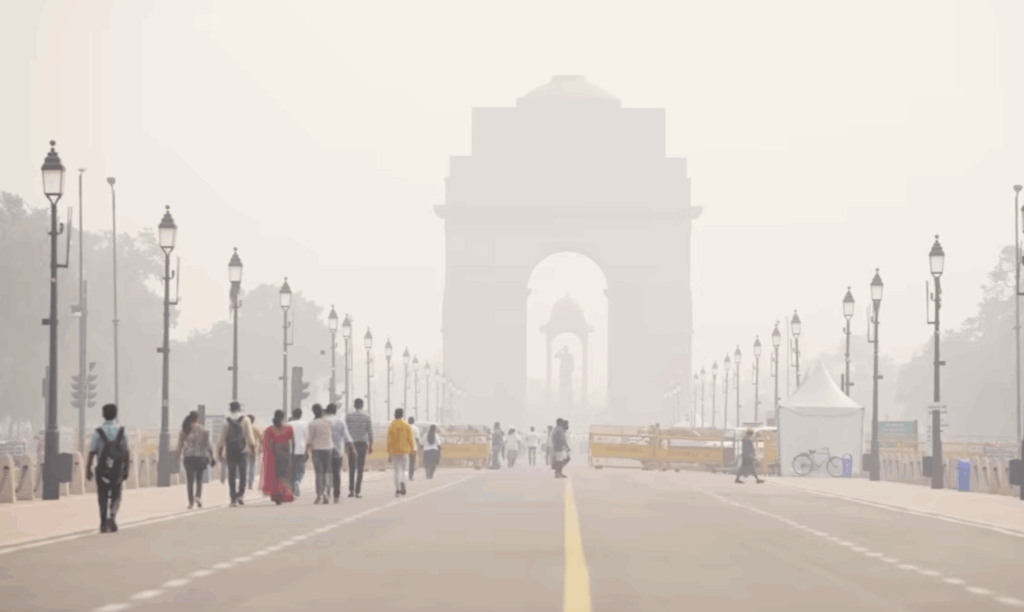
Aerosol particles, tiny solid or liquid particles in the air, can travel far from their sources, across oceans and continents.
They can also alter the way the atmosphere reflects sunlight and change the chemical properties of land and water bodies, polluting otherwise clean environments.
One example is the deposition of black carbon (soot) on snow and ice, which reduces the amount of sunlight reflected by these surfaces, and can hasten the melting process.
Black carbon is a huge problem in the Himalayan region, which has increased the melting of glaciers, leading to disastrous consequences in the region.
Also read: Nepal’s Flood: Chilling Example of Climate Devastation Facing Developing Countries
Another example is microplastics, formed when plastics break down due to sunlight and other factors.
“As plastic production and, critically, mismanaged plastic waste continues to increase, monitoring atmospheric pathways of deposition of microplastics to remote environments will be crucial towards understanding their overall impacts on the Earth system,” says the bulletin.
Image Credits: WMO, Unsplash/Matt Palmer, The Week.
Combat the infodemic in health information and support health policy reporting from the global South. Our growing network of journalists in Africa, Asia, Geneva and New York connect the dots between regional realities and the big global debates, with evidence-based, open access news and analysis. To make a personal or organisational contribution click the donate button below.