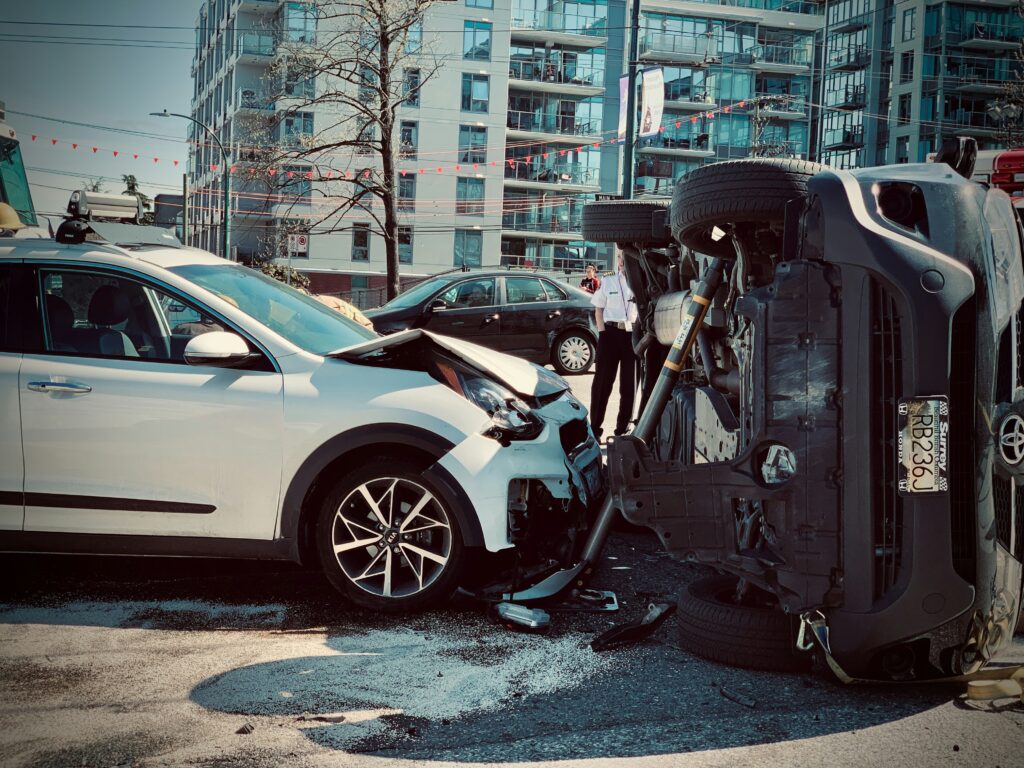
World leaders recommitted to reducing road traffic deaths and injuries by at least 50% by 2030 at the United Nations High-Level Meeting (HLM) on Road Safety this week – including by introducing measurable national targets, timelines and budgets.
However, the United States voted against the UN consensus progress declaration adopted on Monday afternoon, while all the other 162 countries present voted in favour.
The US delegate claimed that the declaration was “mandate creep”, complaining that it called for road safety measures to be integrated into climate, environmental and urban policies.
“Road safety is a practical matter of engineering, sober driving and personal responsibility,” he said. “It should not be used as a backdoor vehicle to enforce global climate pacts and top-down environmental restrictions on freedom of mobility.”
Road deaths rise in US
Ironically, the US is one of only six countries in which road injury mortality has risen significantly between 2010 and 2023, according to a new study by the Institute for Health Metrics and Evaluation (IHME) published in The Lancet Public Health on Tuesday.
Globally, road traffic deaths declined by 21% between 2011 and 2025, according to new data released by the World Health Organization (WHO) on Monday.
But there were significant increases in Ghana (48.5%), Jamaica (29%), the Dominican Republic (27%), Armenia (22%), Costa Rica (16%), and the US (13.2%), according to The Lancet report, which drew on data from 204 countries and territories from 1990 to 2023.
Almost 51 million people were injured, and 1.34 million died from road injuries in 2023, which was the leading cause of death in young people aged between the ages of 10 and 39.
Low-income death burden
More than 90% of all road deaths occur in low-income nations despite high-income countries having substantially more traffic crashes with injuries. The mortality rate in low-income countries was 43.8 deaths per 100,000 people, whereas that in high-income countries was 7.5 deaths per 100,000 – a clear indication of the standard of care available to those injured.
More than 200,000 lives could be saved each year through enhanced trauma care coverage in low- and middle-income countries, according to IHME.
“Road injury outcomes are shaped not only by crashes, but by the systems designed to prevent them and protect people when they occur,” said Dr Liane Ong, IHME senior research scientist and senior author of the study.
Meanwhile, Dr Marie Ng, from both IHME and the National University of Singapore, said that “road safety should be treated as a public health priority, not just a transportation issue”.
“Reducing deaths and injuries requires moving beyond individual driver behaviour and investing in systems that prevent crashes, strengthen trauma care, and implement evidence-based interventions tailored to the needs of each community,” Ng stressed.
The WHO European Region has made by far the most progress in reducing deaths (a 36% reduction between 2010 and 2021), followed by the Western Pacific Region (15% drop). In contrast, there was no change in the Americas and a 17% rise in deaths in the WHO African Region, according to WHO data.
Motorcyclists account for almost a third of deaths
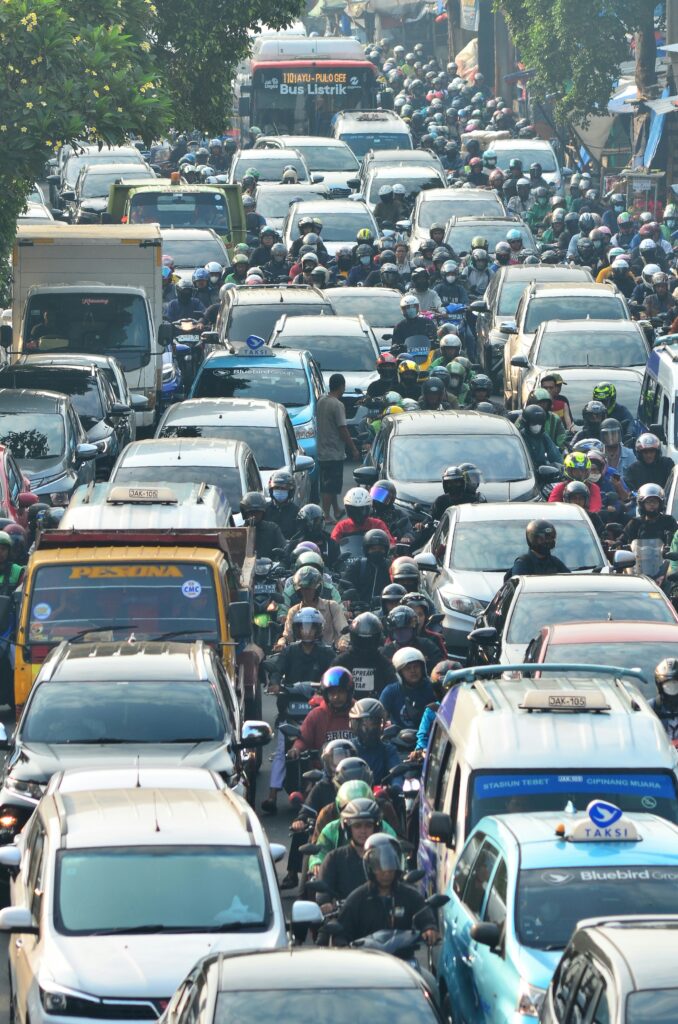
Deaths among motorcyclists now account for nearly a third of the world’s road fatalities, according to the WHO, which noted that, with the rise of ride-hailing and delivery apps, the number of motorcycles more than tripled between 2011 and 2025.
“Motorcyclists also experienced the highest proportion of head injuries, most of which were moderate or severe traumatic brain injuries,” according to the IHME study.
Wearing a safe motorcycle helmet reduces the risk of death in a crash by more than six times.
“New forms of mobility, including e-scooters, e-bikes and autonomous vehicles, present both challenges and opportunities for transport planners and policy-makers,” said WHO, adding that it is bringing together leading experts to find new ways to ensure all new vehicles and technologies are safe.
Almost one-third of road injury deaths were pedestrians, according to The Lancet figures.
“More than half of all road deaths are people who aren’t even in a car – they are walking, cycling or riding a motorcycle. When roads are designed as if only car drivers matter, these people are left dangerously exposed,” said Dr Etienne Krug, WHO director of the Department of Health Determinants, Promotion and Prevention.
“We know what works: strong laws and enforcement, safe infrastructure and vehicles with particular attention to lowering speed and addressing impaired driving. This declaration means we must all go further and faster.”
‘Strong political declaration’
WHO Director-General Dr Tedros Adhanom Ghebreyesus commended UN member states for adopting a “strong political declaration” designed to “accelerate action to ensure more roads are designed for people first, not motor vehicles, with safety as priority”.
The declaration commits UN member states to progressively aligning speed limits, road and land-use design, traffic rules and signage, and vehicle design technologies to achieve the 2030 target, which they first committed to at an HLM in 2021.
Other commitments include “establishing lead road safety agencies, improving data collection and analysis, developing and enforcing stronger legislation, and ensuring that roads, infrastructure and vehicles meet key safety standards,” the WHO noted.
Image Credits: Anthony Maw/ Unsplash, Iqro Rinaldi/ Unsplash.
Combat the infodemic in health information and support health policy reporting from the global South. Our growing network of journalists in Africa, Asia, Geneva and New York connect the dots between regional realities and the big global debates, with evidence-based, open access news and analysis. To make a personal or organisational contribution click the donate button below.