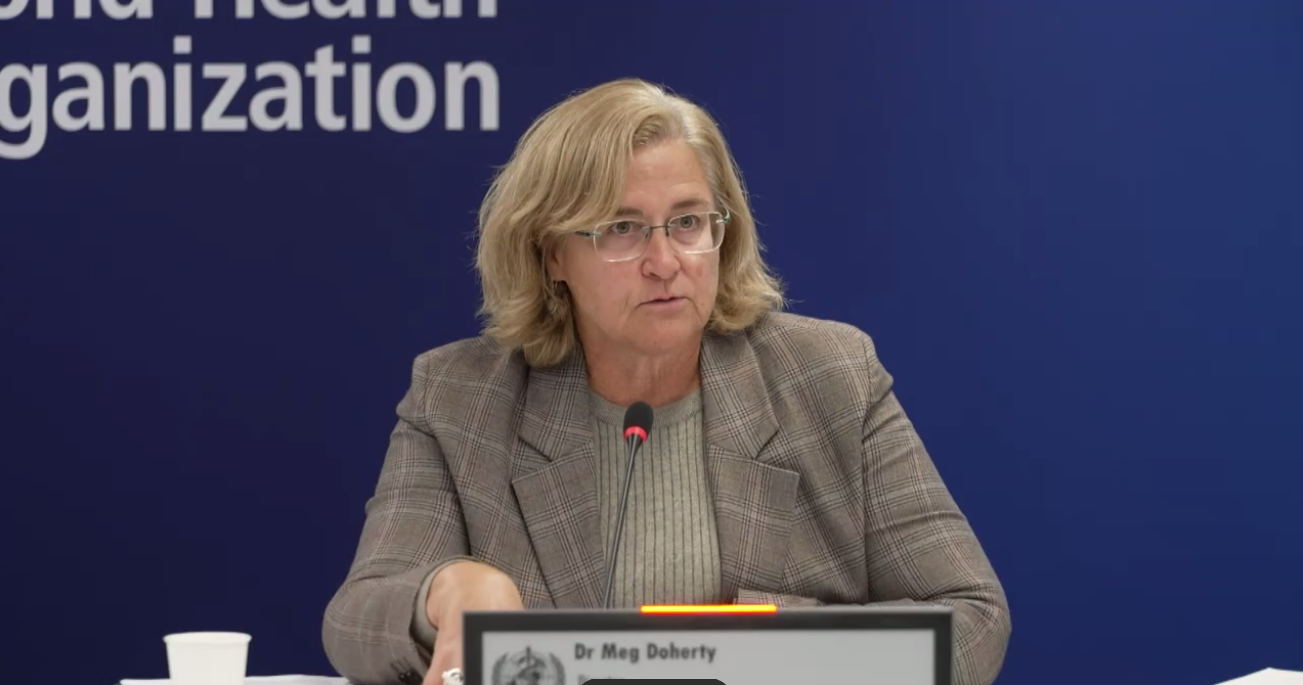
WHO has greenlighted Phase 2/3 trials for two brand new vaccine candidates that specifically target the Ebola Bundibugyo virus species ravaging the Democratic Republic of Congo. Actual trials could forseeably commence “within three to four weeks” – as soon as DRC regulators issue their own approval, said WHO’s Science Director Meg Doherty, at a Wednesday press briefing.
The candidates include the ChAdOx1 BDBV, developed by the University of Oxford and the Serum Institute of India, and Moderna’s mRNA-1469.
Doherty said that the preliminary data from animal and Phase human 1 safety trials of the two vaccine candidates had yielded “very positive results” leading to high hopes that the vaccines could indeed protect humans from the Bundibugyo ebolavirus species – for which there is currently no vaccine or treatment.
The recommendation was made by the World Health Organization’s Technical Advisory Group on Candidate Vaccines Prioritization (WHO TAG-CVP), and follows their review of the preclinical and Phase 1 clinical data.
Initial results expected in early 2027
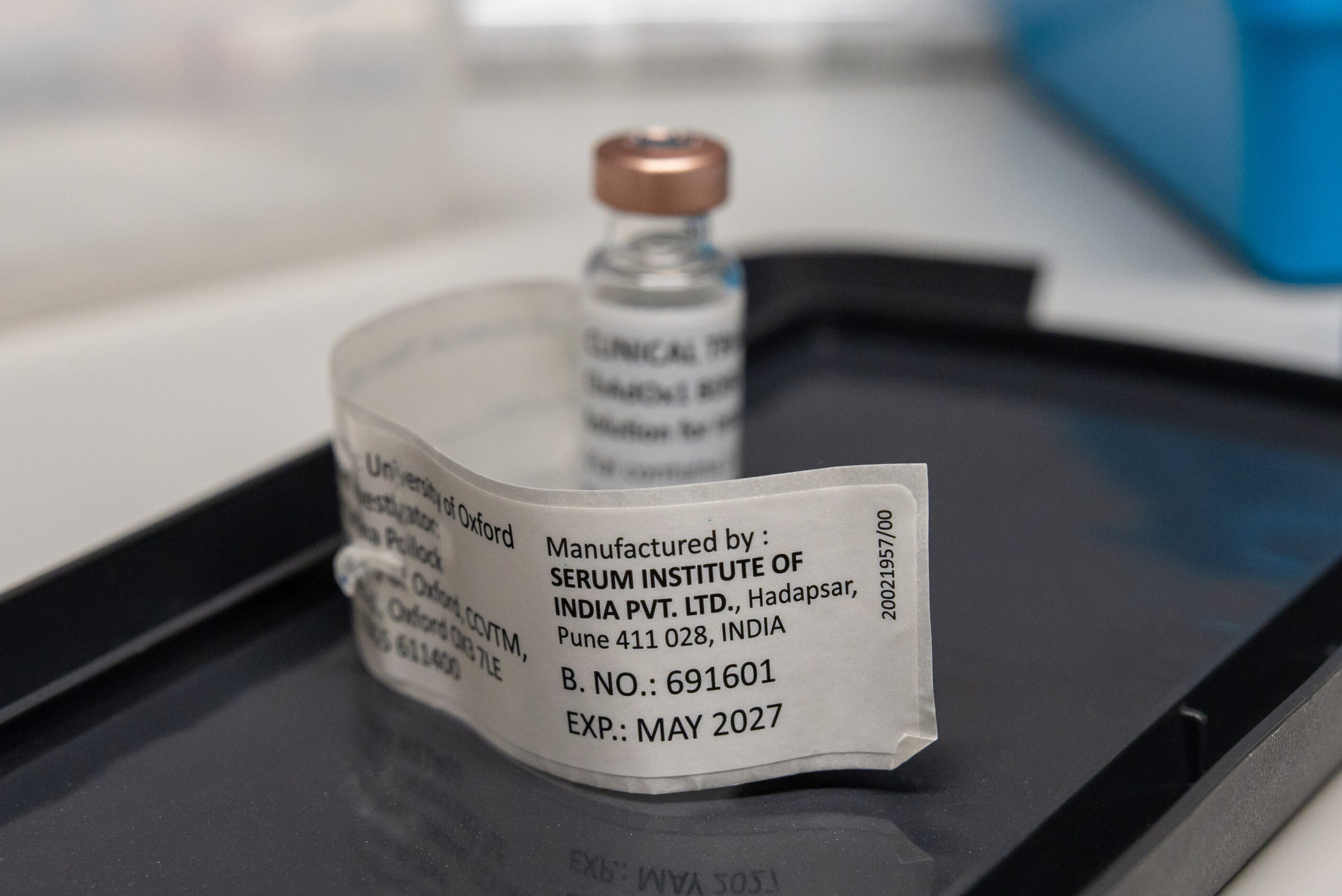
If all goes well, initial results could then be expected in early 2027. And WHO is meanwhile discussing post-trial access to the vaccine with manufacturers, Doherty said.
The two new vaccine candidates will be added to the already ongoing Tumaini Trial, Swahili for ‘hope’, launched on 23 October in Bunia.
The same “ring vaccine” trial protocol, which offers immunization to contacts of people who became ill or died from Ebola, will be used for the new candidates, Doherty added.
Four vaccination rings are already in place, with several more being prepared.
So far, that trial has been testing if the Ervebo vaccine might also offer cross protection against Bundibugyo. Ervebo, developed by MSD, first won European Medicines Agency regulatory approval in 2019 to protect people from the Zaire ebolavirus species, which ravished West Africa in the 2014-2016 Ebola outbreak and then hit again in DRC and other parts of central Africa in 2018-2020.
Two vaccine candidate specifically designed to target Bundibugyo

The two new vaccine candidates specifically target the Bundibugyo species that’s caused the most recent health emergency, killing over 5,300 people, mostly in DRC, with more than 10,500 cases confirmed.
“Do these vaccines show any immunogenicity in animals and non-human primates? And what we are seeing is ‘yes very much so’,” Doherty said. “They’re seeing very positive-looking results that these will be effective in developing immune response.”
In terms of human trials, the ChAdOx1 BDBV, a viral vector vaccine. entered its first Phase 1 trial in the United Kingdom on July 24, evaluating safety and immune response in 50 healthy volunteers. In early October, the trial was expanded to Uganda. On 4 August, the mRNA-1469 (Moderna) vaccine candidate commenced a Phase 1 rial in Canada across three sites with roughly 80 volunteers.
Research into treatments also advancing
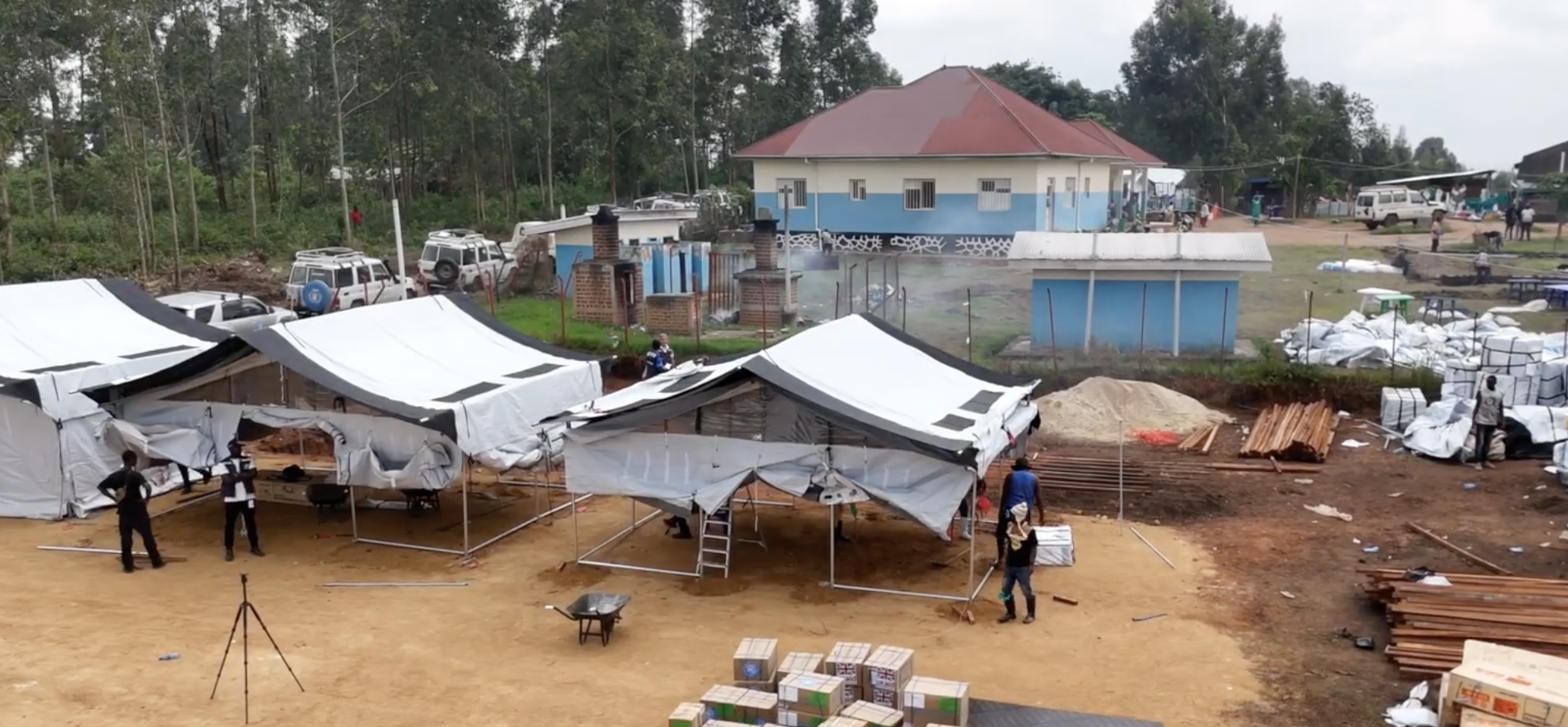
The DRC’s Institut National de Recherche Biomédicale, the national public health and biomedical research institute is leading the vaccines trial, with support from the University of Antwerp, Belgium, WHO, Epicentre, Médecins Sans Frontières, the Institute of Tropical Medicine of Antwerp, and the Africa Centres for Disease Control and Prevention.
The Oslo-based Coalition for Epidemic Preparedness Innovations (CEPI), has been supporting R&D for the two vaccine candidates as well as preliminary research on two additional vaccine candidates under development by the global non-profit biotech research organization, IAVI, in collaboration with Hilleman Laboratories and the UK-based biotech company, Public Health Vaccines .
Research into potential treatments is also moving ahead, WHO said in a statement accompanying the TAG recommendations.
The WHO-sponsored PARTNERS trial, launched in July, is evaluating whether the monoclonal antibody MBP134, the antiviral remdesivir, or a combination of both can improve survival among patients with confirmed Bundibugyo virus disease. In addition, maftivimab will soon be added to the trial to assess its use as a potential treatment. A complementary post-exposure prophylaxis study with obeldevisir is underway.
Said Dr Tedros Adhanom Ghebreyesus, “Vaccines alone will not end this outbreak, but they could become a powerful new tool for bringing it under control.”
Image Credits: University of Oxford , DRC Health Ministry, WHO Africa.
Combat the infodemic in health information and support health policy reporting from the global South. Our growing network of journalists in Africa, Asia, Geneva and New York connect the dots between regional realities and the big global debates, with evidence-based, open access news and analysis. To make a personal or organisational contribution click the donate button below.