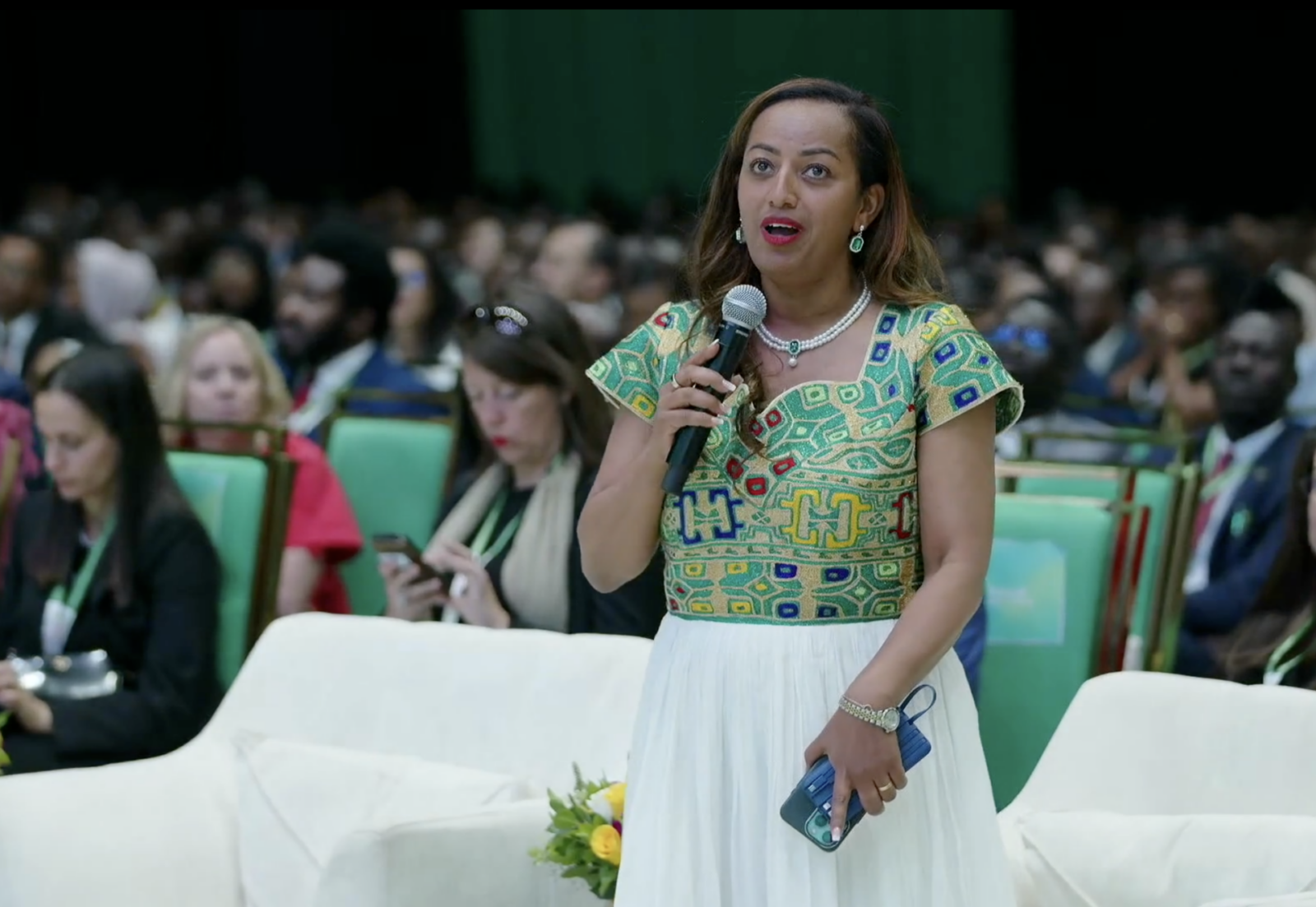
The seven candidates aspiring to be the next Director-General of the World Health Organization (WHO) made their pitches to African health ministers.
“What three things can you offer to Africa?” Ethiopian Health Minister Dr Mekdes Daba Feyssa asked the seven candidates aspiring to become the next leader of the WHO at the Conference on Public Health in Africa (CPHIA) on Monday.
Their answers were as diverse as their candidate platforms.
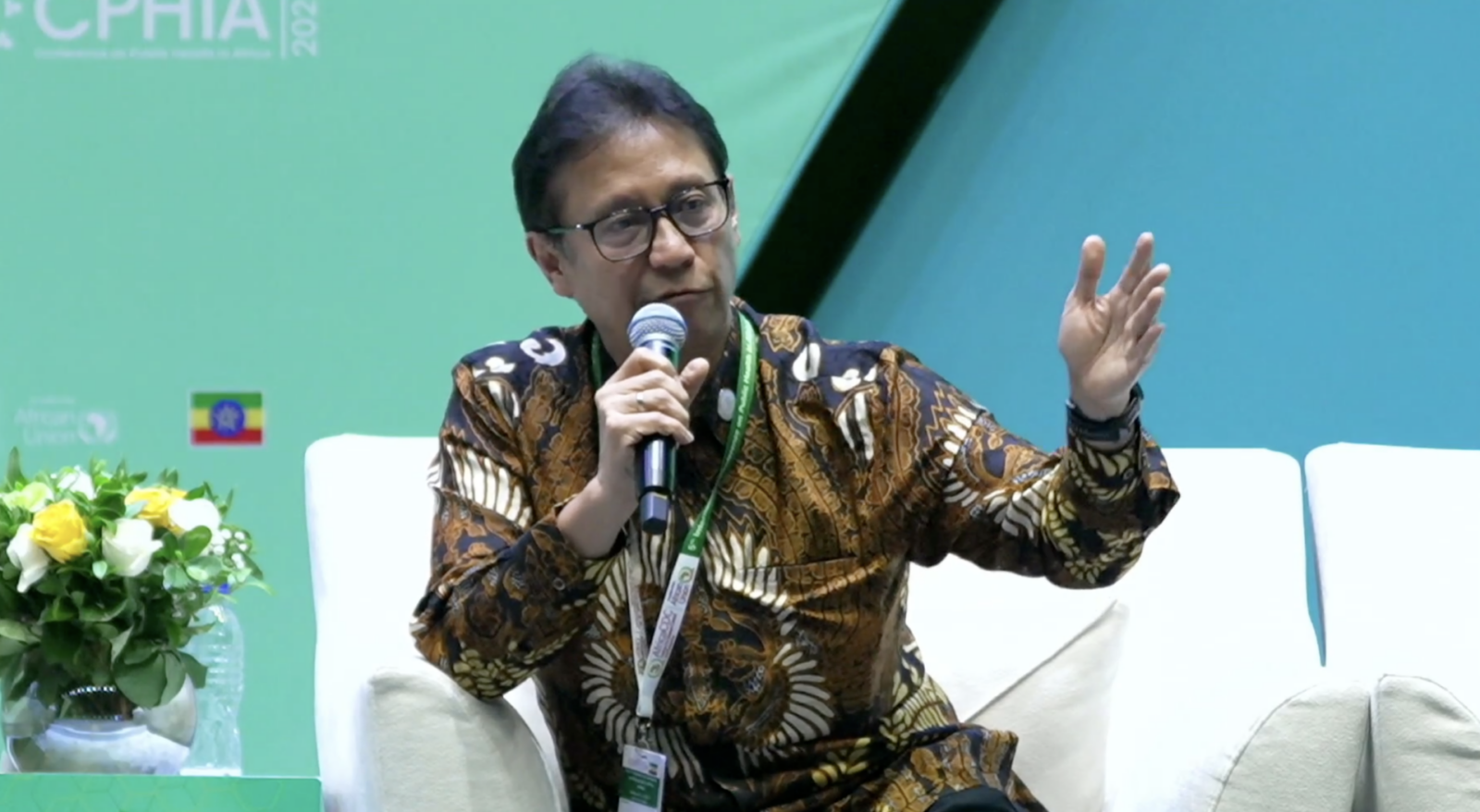
Banker Budi Gunadi Sadikin (Indonesia) promised a longer life for Africans, ensuring that people live to at least 70; that people not only live long but also live healthy lives. And thirdly, that this improved life expectancy is “achieved at an affordable price”.
Sadikin also offered to help health ministries develop national health plans and budgets, motivate for support from their finance ministries, and bring in development banks and other funders to provide resources.
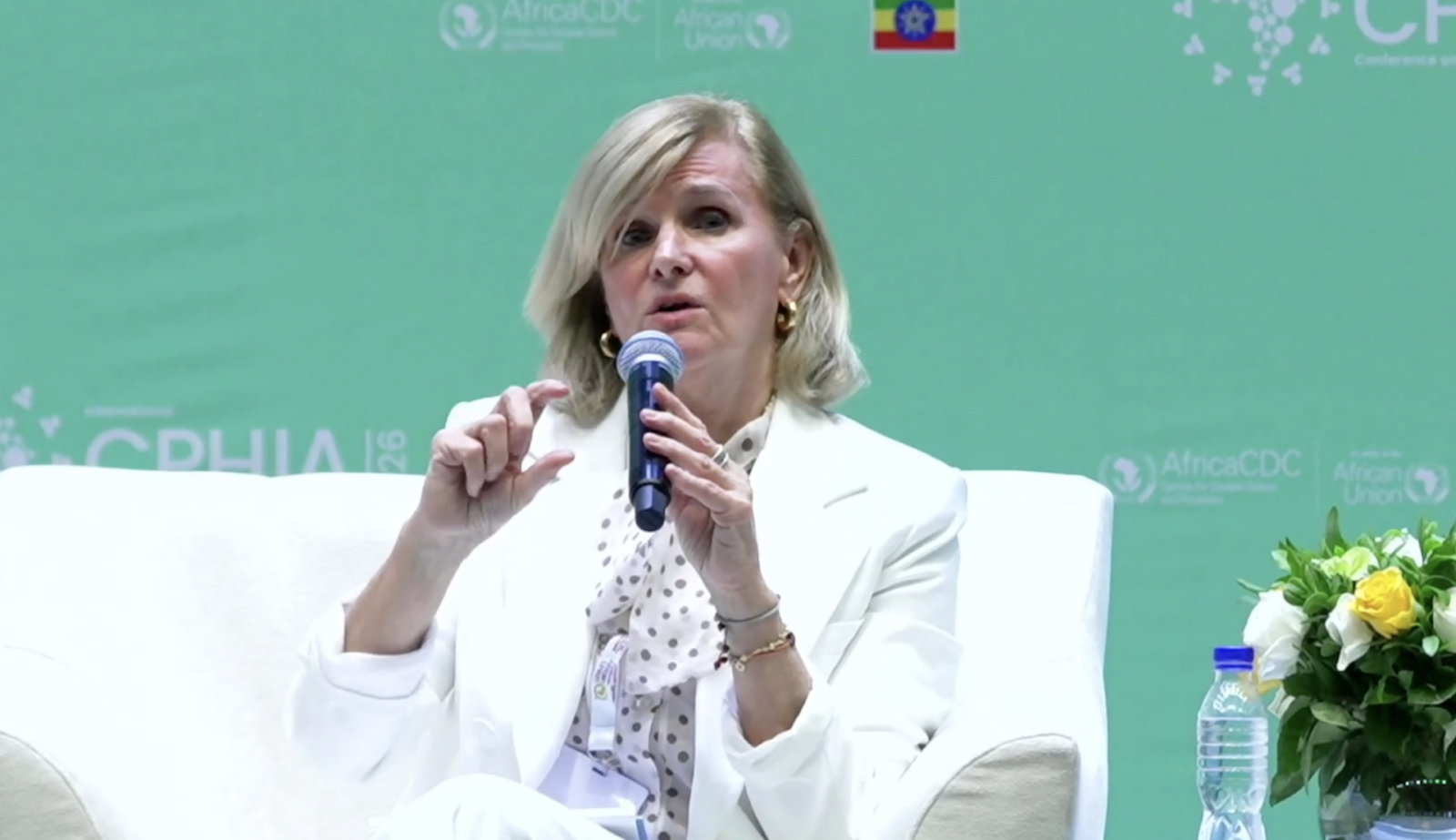
Dr Maria Neira went for grassroots nitty-gritty, committing to improving healthcare facilities – particularly access to safe water, sanitation and electricity, including solar power.
Second, she will invest in Africa’s “talent” by improving the training of health workers. Her third promise is “innovation”, with WHO aligning its resources “to make sure that you obtain this sovereignty that you are very proud and dreaming about it”.
She qualified what this meant by explaining that, as Director-General, she would help African manufacturers to develop their capacity to produce medical supplies, improve quality control and develop markets for their products. She also sneaked in a fourth: climate-resilient health systems.
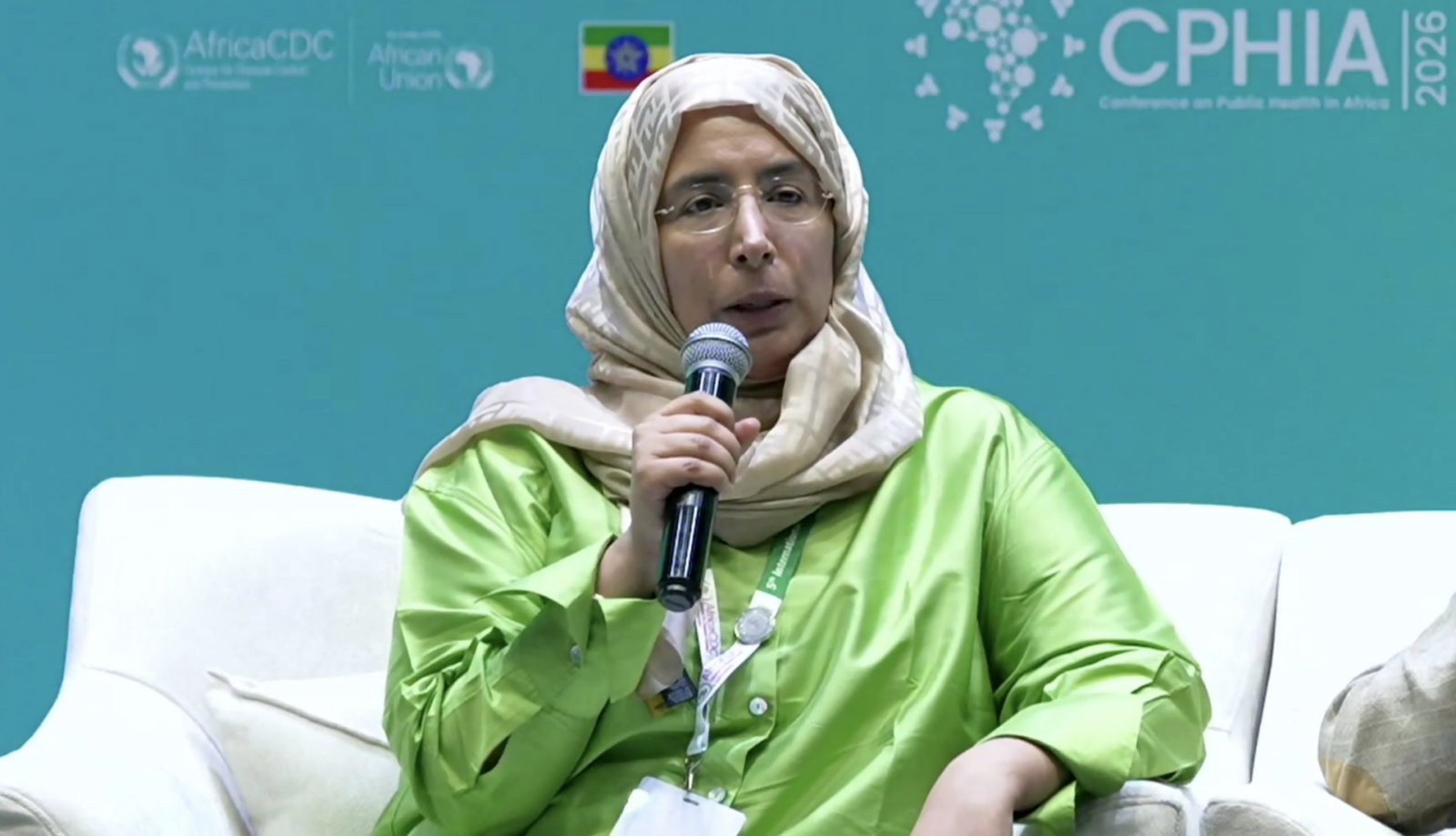
Qatar’s Dr Hanan Al Kuwari summarised her promises as “your health; your health systems, and your future”.
Her first aim is to build primary healthcare to ensure universal health coverage. Her second is resilient health systems with a trained workforce prepared for the next pandemic and climate risks, and country-based local manufacturing capacity. Her third target is for medicines to reach Africa “as quickly as high-income countries”.
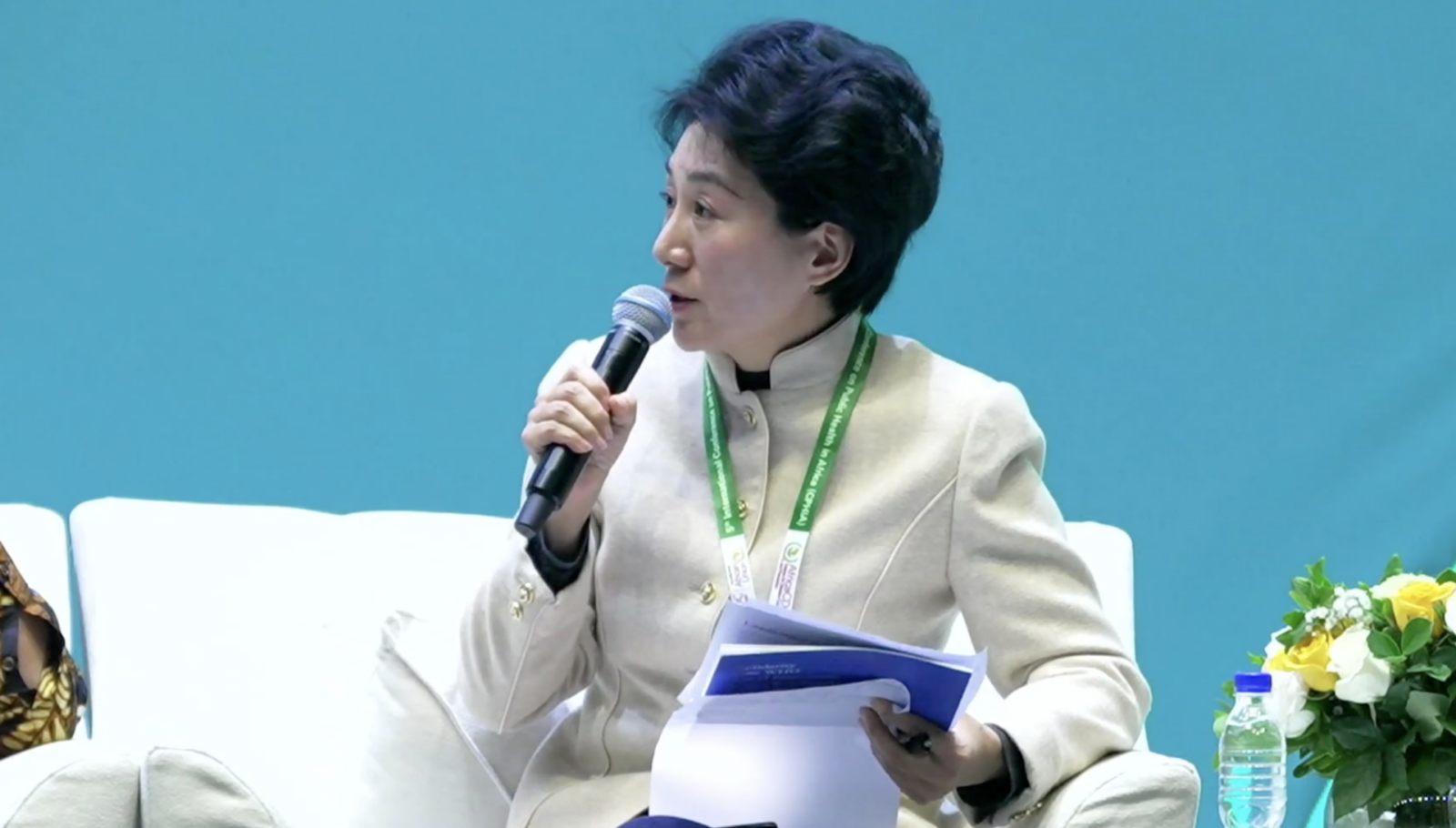
The cornerstone of China’s Dr Song Li promise is strengthening health systems, especially primary healthcare. She also advocated for the local production of vaccines, diagnostics and therapeutics, alongside technology transfer, pooled procurement and affordable prices. Her third promise is to support country-led national health plans.
Song Li also supported the “three zeros” – zero home deliveries, zero preventable maternal deaths and zero unvaccinated children.
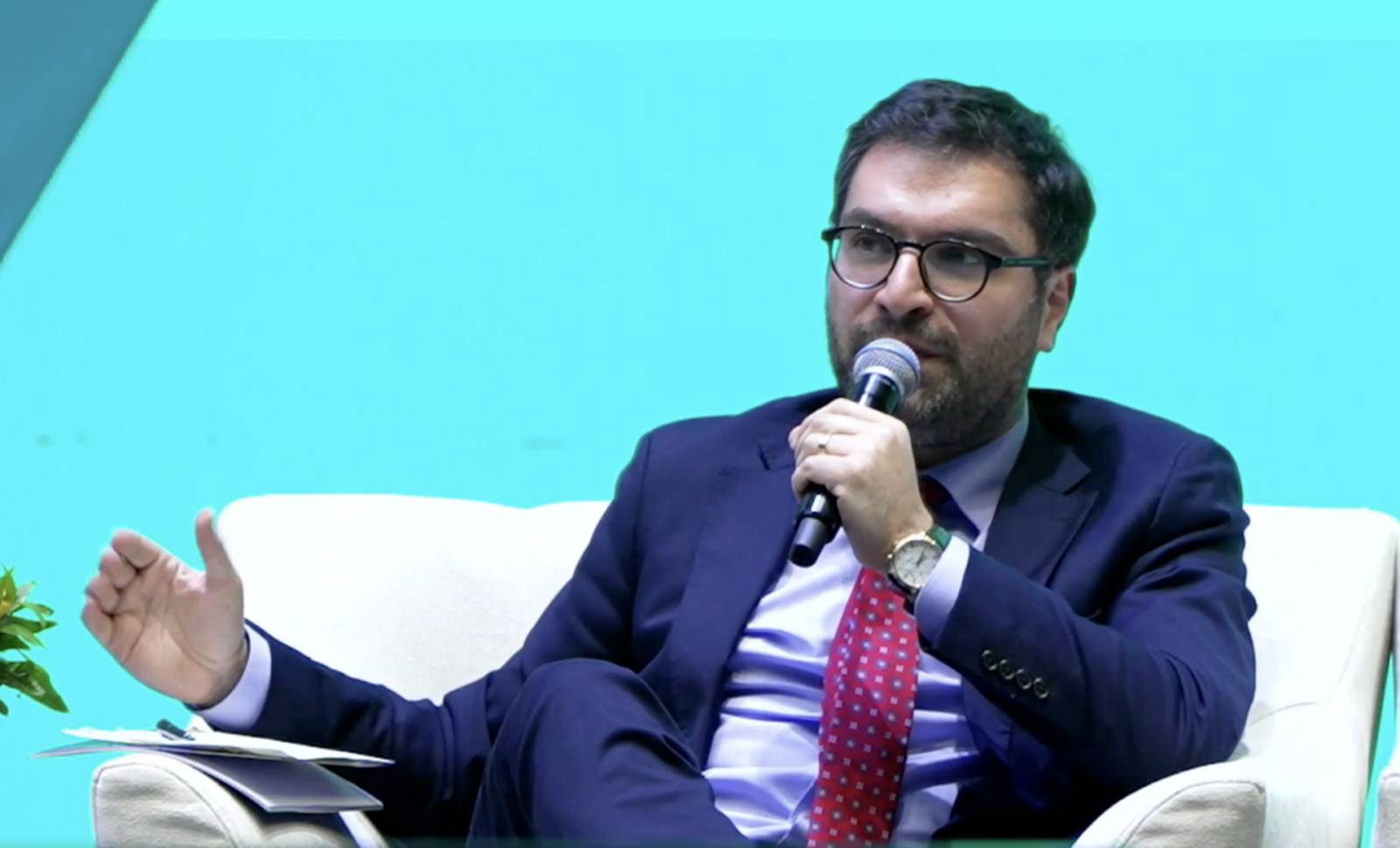
Armenian Dr Gevorg Tamamyan focused on stronger health systems, saying that outbreaks such as Ebola should not be a threat to Africa by 2032, and that African children with cancer should have the same survival rate as children in the wealthy North.
“In 2032, we should not say that in Africa, kids with cancer have survival 20-30% while in high-income countries, it’s 80-85%. It’s about the systems. If we treat kids with cancer, it means we build the system,” stressed Tamamyan, who was nominated by Botswana.
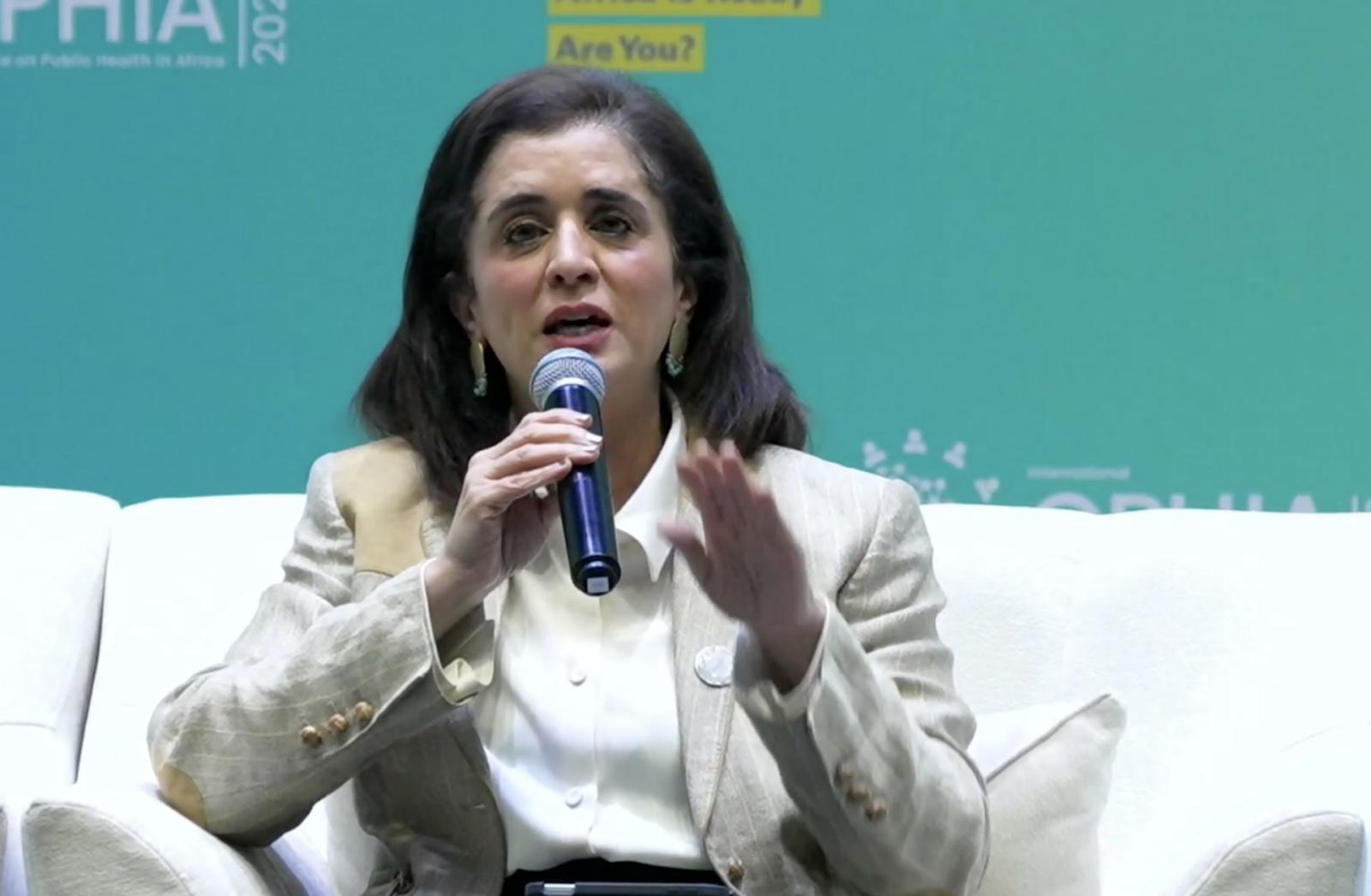
Saudi Arabia’s Dr Hanan Balkhy promised “a WHO that Africa can count on”, by ensuring that it is “one of the most critical agencies on the ground that supports the agenda of African countries”.
“My promise to you is not headlines. My promise to you is performance,” said Balkhy.
She undertook to ensure that the WHO workforce is more diverse, there is stronger accountability, and transparent job descriptions and selection processes for senior roles.
“I am already serving this amazing continent. I have seven member states in this continent,” she added, referring to her position as regional director for WHO’s Eastern Mediterranean Regional (EMRO), which includes parts of North Africa.
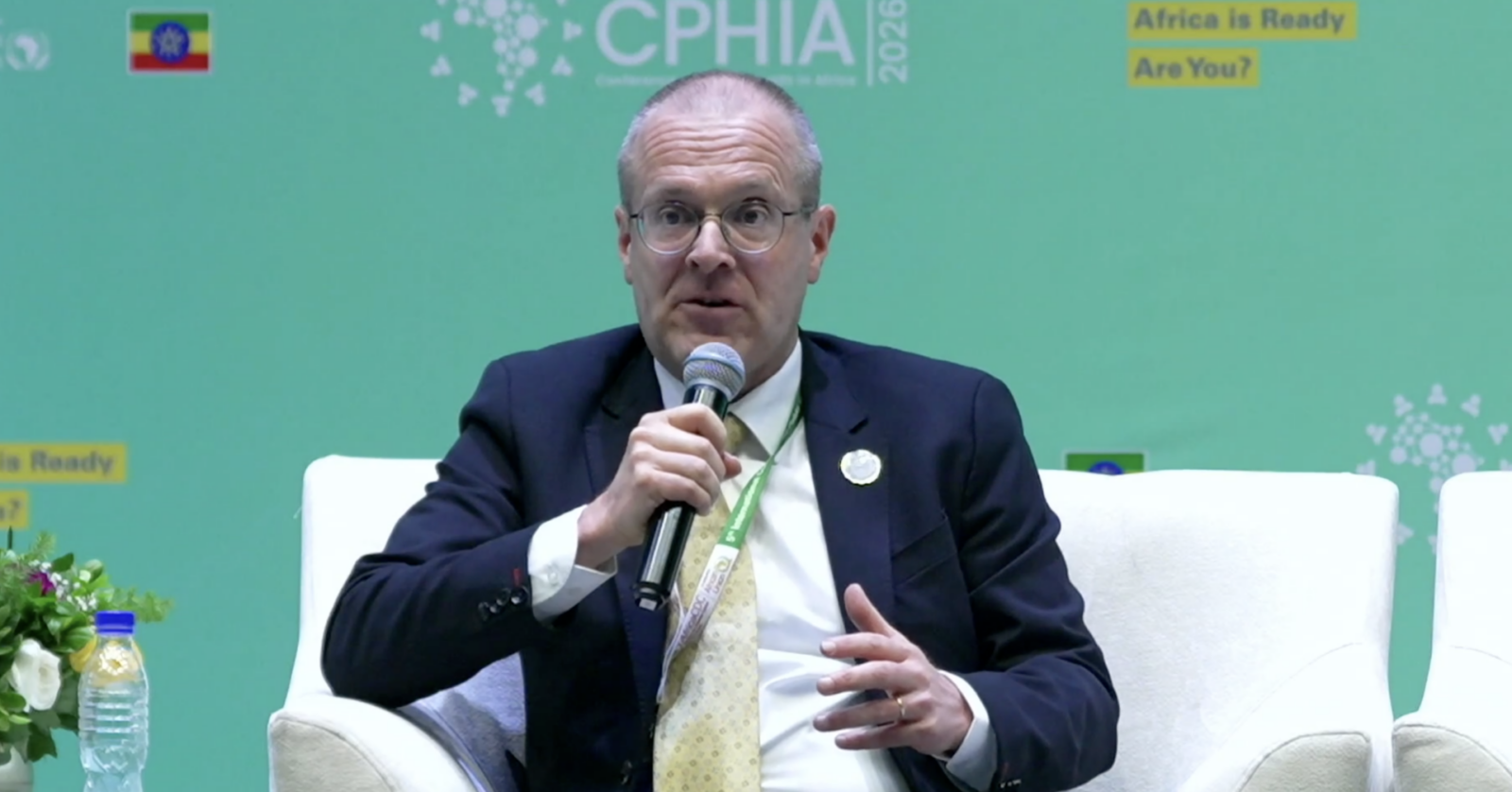
Belgium’s Dr Hans Henri Kluge’s first offer was institutional positions: an Africa as his Deputy Director General; that Africa CDC and the African Medicines Agency will be his “primary interlocutors in Africa and beyond” and that, “at any time, I will have four young people in the Director-General’s Office from [Africa’s] Anglophone, Francophone, and Lusophone subregions”.
His second promise was a “council of elders from Africa”. His third promise was “pharmaceutical sovereignty”, enabling Africa to produce up to 20 of its most used essential medicines within six years.
Kluge also described WHO as “providing science, standards and global outbreak coordination, with regional institutions such as Africa CDC leading regional health security”.
Combat the infodemic in health information and support health policy reporting from the global South. Our growing network of journalists in Africa, Asia, Geneva and New York connect the dots between regional realities and the big global debates, with evidence-based, open access news and analysis. To make a personal or organisational contribution click the donate button below.