Unitaid is quietly searching for its next leader behind closed doors amidst growing demands for transparency. Whoever takes the helm of the market-shaping agency will inherit an organisation that faces acute financial shortfalls and mounting pressure for institutional reform. As Unitaid celebrates its 20th anniversary, severe cuts to the agency’s funding threaten to disrupt the downstream rollout of its market-shaping breakthroughs. Founding member France emphasises its continued support, with French Minister Éléonore Caroit assuring Health Policy Watch that this commitment remains steadfast.
The search for the next executive director of Unitaid, conducted entirely behind closed doors, represents another watershed moment in global health amid a period of unprecedented financial contraction, geopolitical ruptures, and calls to fundamentally overhaul the global health architecture.
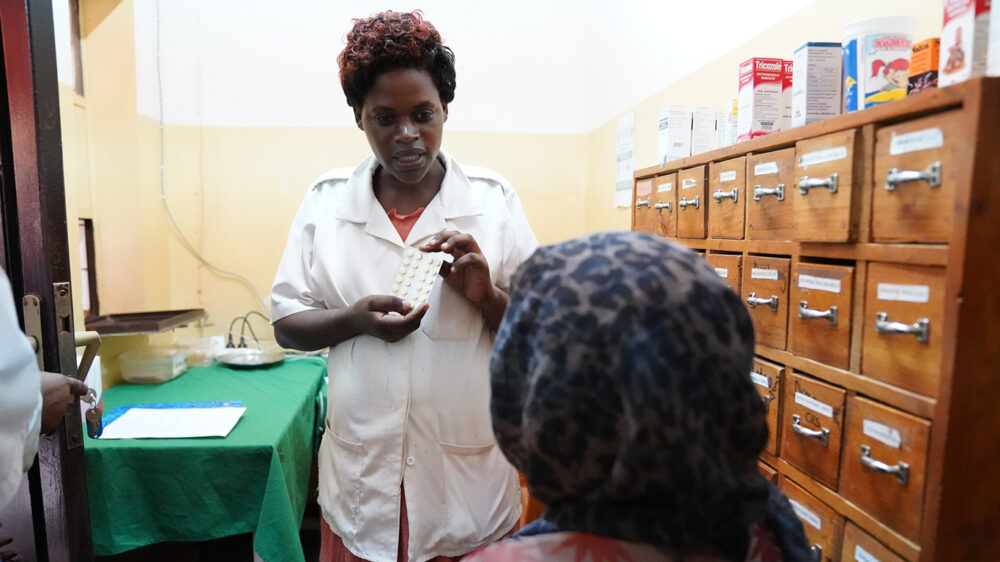
Within the global health ecosystem, the agency has a unique function in pre-shaping markets by clearing intellectual property barriers and negotiating early access agreements to de-risk innovations – for example, by securing $40-a-year generic pricing for the HIV prevention injection lenacapavir and helping to develop flavoured HIV and TB medicines for children.
“Put simply, Unitaid’s comparative advantage is identifying and addressing the bottlenecks that stand between innovation and impact,” explained a Unitaid spokesperson. “We can invest early, test delivery approaches, generate evidence and help create the conditions for scale.”
After clearing initial market barriers, heavyweight procurement entities such as Gavi and the Global Fund to Fight AIDS, Tuberculosis and Malaria step in.
To execute this mission, the Geneva-based agency operates with about 110 employees and an annual investment budget of $300 million, totalling a $1.5 billion commitment through 2027. Alongside private philanthropy, its budget relies overwhelmingly on public funding from core donor governments, including France, the United Kingdom (UK), Brazil, Chile, Japan, Norway, the Republic of Korea, and Spain.
Unitaid executive director recruitment remains strictly confidential
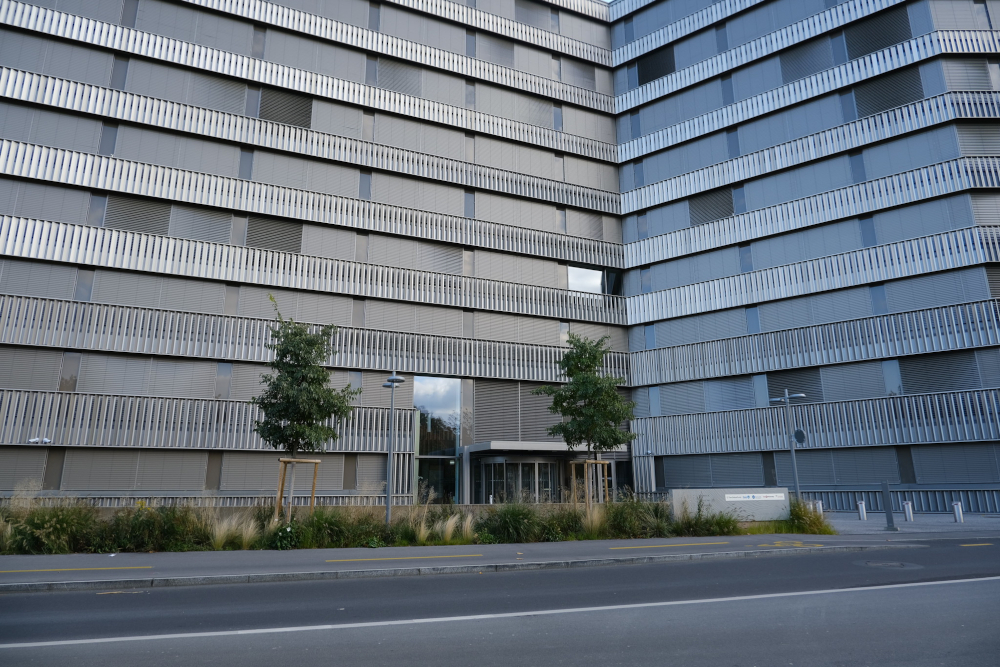
Despite the massive flow of public funds, the nomination process remains strictly confidential, with a Unitaid spokesperson telling Health Policy Watch that “an announcement will be made in due course once the recruitment process has been completed”.
Unlike the formal public election process of its host, the WHO, Unitaid conducts its transition as a standard executive recruitment without public vision statements or candidate forums. Applications closed in March, and an internal selection panel is currently evaluating contenders behind closed doors.
The final decision rests with an exclusive voting bloc that includes Unitaid’s founders – France, Brazil, Chile, Norway, and the UK – along with seats for the African Union, the Republic of Korea, Spain, civil society networks, and foundations. The board seeks to select the new leader by consensus and only resorts to a two-thirds majority vote if an agreement cannot be reached. Following its recommendation, the WHO Director-General then merely executes the final appointment.
Critics recently warned that conducting secret leadership transitions at organisations like Unitaid, which are heavily dependent on public funding, prevents the global health community from being involved in the future of the institutions designed to serve them. This undermines their legitimacy, especially when development aid and global health spending face massive cuts and fierce political opposition.
A history rooted in ‘solidarity taxes’
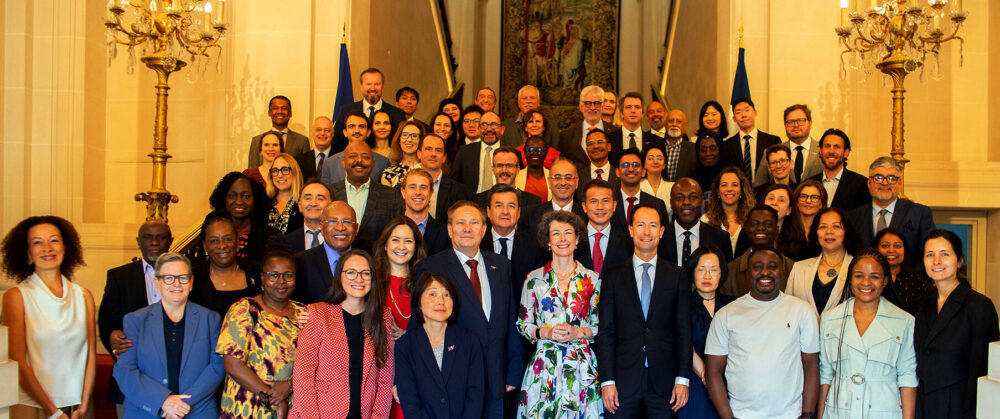
Unitaid was established in 2006 by France, Brazil, Chile, Norway, and the UK as a collaborative initiative hosted by the WHO. As the primary architect, France became the agency’s dominant donor, contributing more than $2 billion, which accounts for roughly 56% of the organisation’s overall funding since its inception.
Heavily championed by former French President Jacques Chirac, the agency was built on an “innovative financing” model powered by the world’s first solidarity tax on airline tickets and financial transactions, rather than relying solely on traditional official development assistance.
The United States has not contributed to Unitaid, preferring instead to channel funds through its own bilateral assistance programmes, such as the US President’s Emergency Plan for AIDS Relief (PEPFAR).
Established in 2003, PEPFAR has been the US government’s flagship bilateral global health initiative and has invested over $100 billion to combat the HIV/AIDS epidemic and saved over 26 million lives.
According to global health experts, this bilateral approach gave Washington much greater control over its global health spending. Meanwhile, independent researchers have warned that recent US funding freezes have severely disrupted frontline PEPFAR HIV testing and prevention services.
The lack of direct US funding insulates Unitaid’s core budget from Washington, but the agency remains vulnerable to global political shifts because it relies heavily on buyers like the Global Fund to purchase and deploy its innovations at scale. Consequently, Unitaid’s executive board and the agency’s 2025 internal analysis warn that US aid cuts and shrinking global health financing threaten the downstream rollout of its market-shaping breakthroughs, placing half its scale-up products at heightened risk.
Massive financial shortfalls
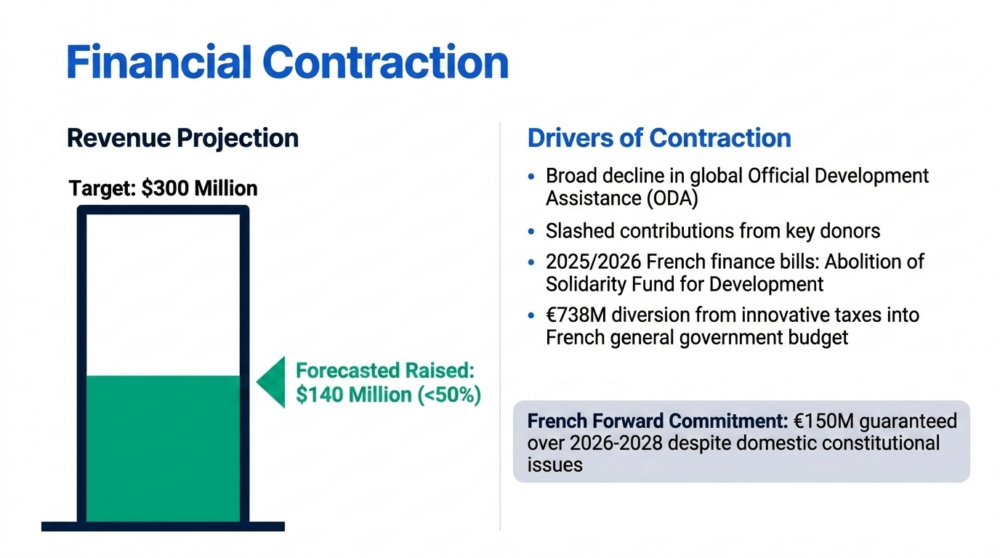
However, Unitaid’s unique role as global health pathfinder is currently under pressure from an overall trend of massive ODA and global health budget cuts.
“Resources are becoming more constrained, countries are under increasing pressure, and expectations of what the global health system must deliver continue to grow,” said Unitaid executive director Philippe Duneton in a social media post marking the agency’s 20th anniversary in July.
The agency has raised just $696 million towards its five-year goal of $1.5 billion, according to the civil society delegation to Unitaid’s executive board. At its July board meeting, Unitaid forecast that it will raise just $140 million this year – less than half of its $300 million target – as major donors like France and the United Kingdom have slashed their contributions.
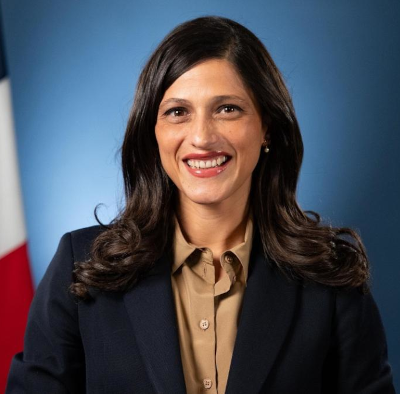
Responding to the budget cuts, French Minister Delegate for Foreign Affairs, in charge of international partnerships, Éléonore Caroit, told Health Policy Watch that “notwithstanding the re-budgeting prompted by constitutional issues around earmarked tax revenues, France remains Unitaid’s leading partner”.
The “constitutional issues” cited by Caroit stem from a 2021 French law that restricts the use of pre-allocated taxes. To comply with this legal restriction, the 2025 and 2026 finance bills formally abolished the Solidarity Fund for Development, completely diverting the €738 million generated by these innovative taxes into the country’s general government budget.
Despite the cuts, France remains Unitaid’s top contributor, both annually and historically, committing at least €150 million over 2026 to 2028.
“Beyond funding, France provides political and diplomatic backing, including support for Unitaid’s strategy to diversify its resource base,” the Minister added.
“The decline in health funding is happening against the backdrop of a broader drop in ODA overall. It in no way calls into question either the importance of Unitaid’s mission or its comparative advantage,” Caroit concluded.
Pressure to consolidate – but no mergers
The World Health Organization (WHO), and organisations like Gavi and the Global Fund, also face mounting pressure to consolidate their operations as donor governments are increasingly questioning whether separate secretariats are necessary to manage different stages of the medical supply chain.
The push for consolidation has already triggered unprecedented structural reviews among the largest players. The Global Fund and Gavi recently formed a joint task force to explore structural and non-structural options to increase efficiency.
In the face of political pressure, Unitaid defends its distinct operational territory, insisting that the system emerging from reforms must remain “fit for purpose” with an adequate focus on “access to innovation” as a core function.
“Unitaid and Global Fund have a well-defined division of labour included in their MOU that is limited to the scope of diseases and health challenges that the Global Fund seeks to address,” the agency explains.
Echoing this defence, Caroit noted that “Unitaid has an ‘end-to-end’ mandate – identifying, coordinating, and funding the interventions that make efficient, low-cost rollout possible – which then allows the Global Fund and Gavi to take those solutions to scale”.
Unitaid’s work and that of these other bodies is therefore complementary, not duplicative, she argued.
“Merging these entities and their mandates would risk a loss of specificity and expertise, an excessive concentration of missions in one place, and ultimately, less impact for the people who need it most,” Caroit warned.
Global health architecture reform hits political roadblocks
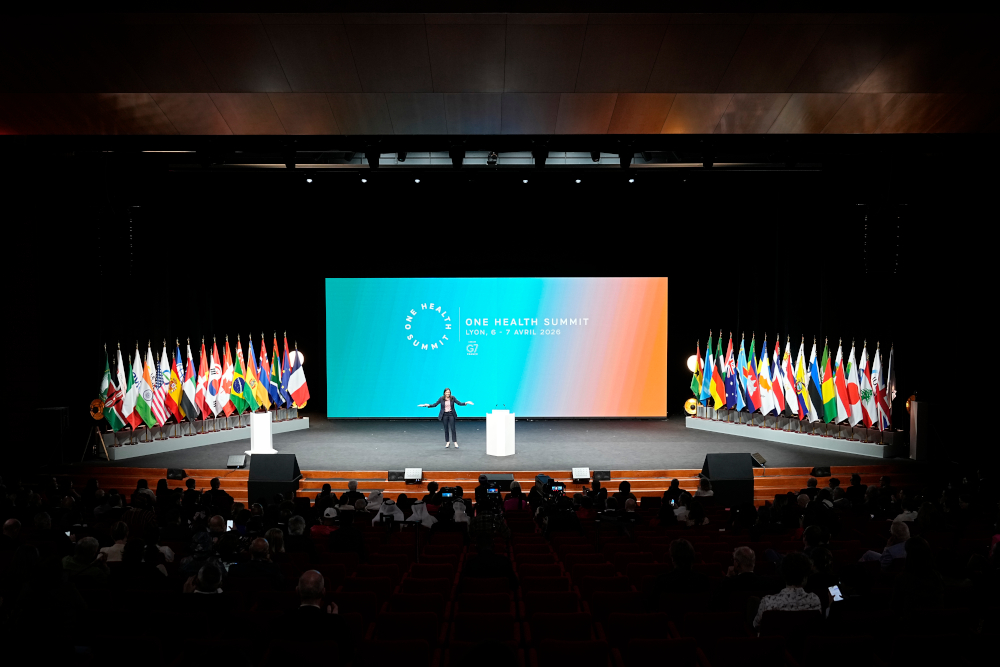
Caroit emphasised that “France is a leading voice for global health reform, grounded in concrete steps designed by and for countries according to their own priorities,” specifically pointing to this year’s Lyon Declaration at the One Health summit under the French G7 presidency.
Adopted in April by dozens of states and organisations, this declaration outlines an urgent need to adapt the fragmented global health architecture by shifting towards country health sovereignty, inclusive governance, and equitable access to innovations.
However, during the 79th World Health Assembly (WHA) in May, the adopted mandate for global health architecture reform explicitly ruled out recommendations for specific mergers or consolidations.
“On this specific point, the decision to rule out mergers was a mandate adopted collectively at WHA79, not a position France arrived at on its own,” the Minister explained. According to Caroit, the priority right now is to focus on coordinating and aligning funding streams for greater impact.
“Unitaid is also strengthening its impact through direct partnerships and co-financing arrangements with the countries where it operates, which themselves roll out these products within their health systems, as well as with regional players such as Africa CDC and the African Medicines Agency, to open up new avenues for deployment,” she concluded.
The stakes of the leadership race
Whoever emerges victorious from the opaque Unitaid nomination process will inherit an agency at a critical crossroads. The new Executive Director must navigate fierce debates over architectural reform while proving that Unitaid’s upstream market interventions still warrant dedicated donor funding.
If member states demand deeper structural integration, the incoming leader will need to orchestrate a graceful streamlining of the agency, while remaining fit for purpose. They must accomplish this while managing an increasingly volatile funding landscape dominated by retreating Western donors and restrictive bilateral agreements.
Ultimately, the next Unitaid leader will define whether the agency remains an independent market-shaping powerhouse or is gradually absorbed into a consolidated global health system.
WHA79 Must Make Universal Health Coverage the Compass for Global Health Architecture Reform
Image Credits: Unitaid, Guilhem Vellut via flickr, Unitaid, Felix Sassmannshausen/HPW, Gouvernement de France, Unitaid/Jhpiego, WHO/Laurent Cipriani .
Combat the infodemic in health information and support health policy reporting from the global South. Our growing network of journalists in Africa, Asia, Geneva and New York connect the dots between regional realities and the big global debates, with evidence-based, open access news and analysis. To make a personal or organisational contribution click the donate button below.