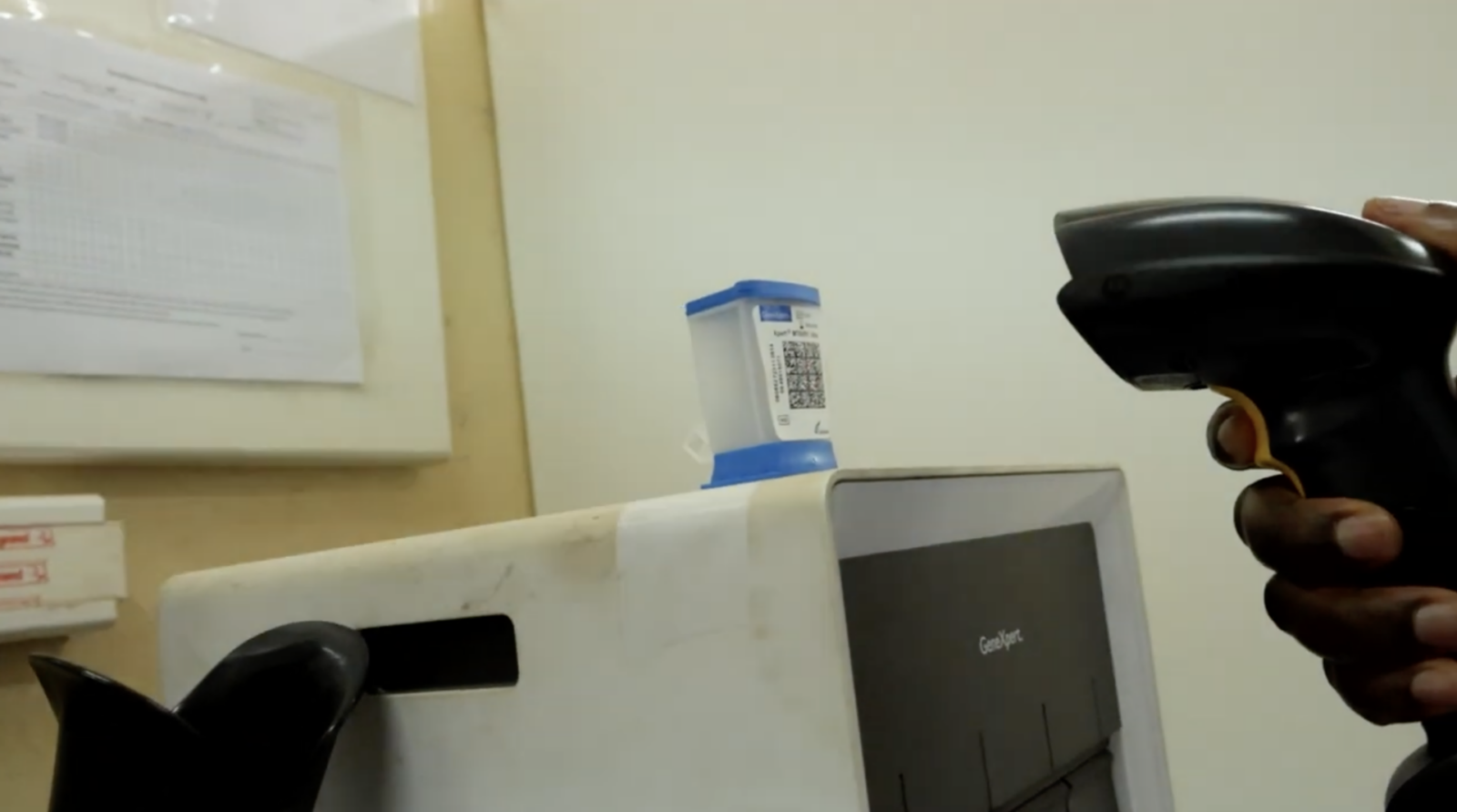
At a laboratory in Cameroon, technicians receive sputum samples from people suspected of having tuberculosis (TB). Until recently, each person’s sample required a separate test cartridge to detect the bacteria that causes TB. But when cartridges become scarce, the country’s National TB Program found a way to make existing resources go further: testing samples from several people together, using a single cartridge.
The approach, known as pooled testing, is helping laboratories process more samples with fewer cartridges, reducing costs and allowing more people to access TB diagnostics.
For Ngono, a 14-year-old girl in rural Cameroon, this change made a critical difference. After developing a persistent cough, she waited three months for a TB diagnosis. The nearest laboratory with GeneXpert – the main molecular test for diagnosing TB in children recommended by the World Health Organization (WHO) – was 16 km away.
But for her, distance wasn’t the greatest barrier: when her sputum (phlegm) sample reached the lab, a backlog of samples and shortages of testing cartridges further delayed her diagnosis.
When Cameroon introduced pooled testing, the laboratory was finally able to process her sample, confirming her TB diagnosis and allowing her to start treatment. Ngono’s experience illustrates how making better use of existing resources can help overcome barriers that might otherwise prevent people from receiving a timely diagnosis, sometimes with life-threatening consequences.
Smarter delivery can lower costs
An estimated one in four people with TB globally are still undiagnosed and untreated. WHO recommends that everyone with signs and symptoms of TB receive a rapid molecular test as their initial diagnostic, yet only 54% currently do, largely because these tests remain costly for health systems and therefore out of reach for many.
Pooled testing addresses this gap: by testing multiple samples together, it stretches limited resources further, allowing more people to access testing using the same platforms that can detect TB and drug resistance within hours rather than weeks.
This challenge is becoming more pressing as global health enters a new era of constrained financing. The decline in donor funding underscores the need for increased domestic funding and greater national ownership of health programs. But this shift will not happen overnight. In the meantime, across countries, fewer people are being reached with essential services, and progress against diseases like TB is at risk of being reversed. Millions continue to face stark barriers to access the diagnosis, treatment and care they need.
As funding tightens, it is essential for governments, funders and global health partners to continue investing in research, development and innovation, because diseases do not slow down when funding does: they continue to evolve, spread, and adapt.
Meeting the challenge in today’s constrained financial environment will require a broader view of innovation, one that goes beyond developing new technologies to include smarter ways of delivering existing technologies.
How pooled testing works
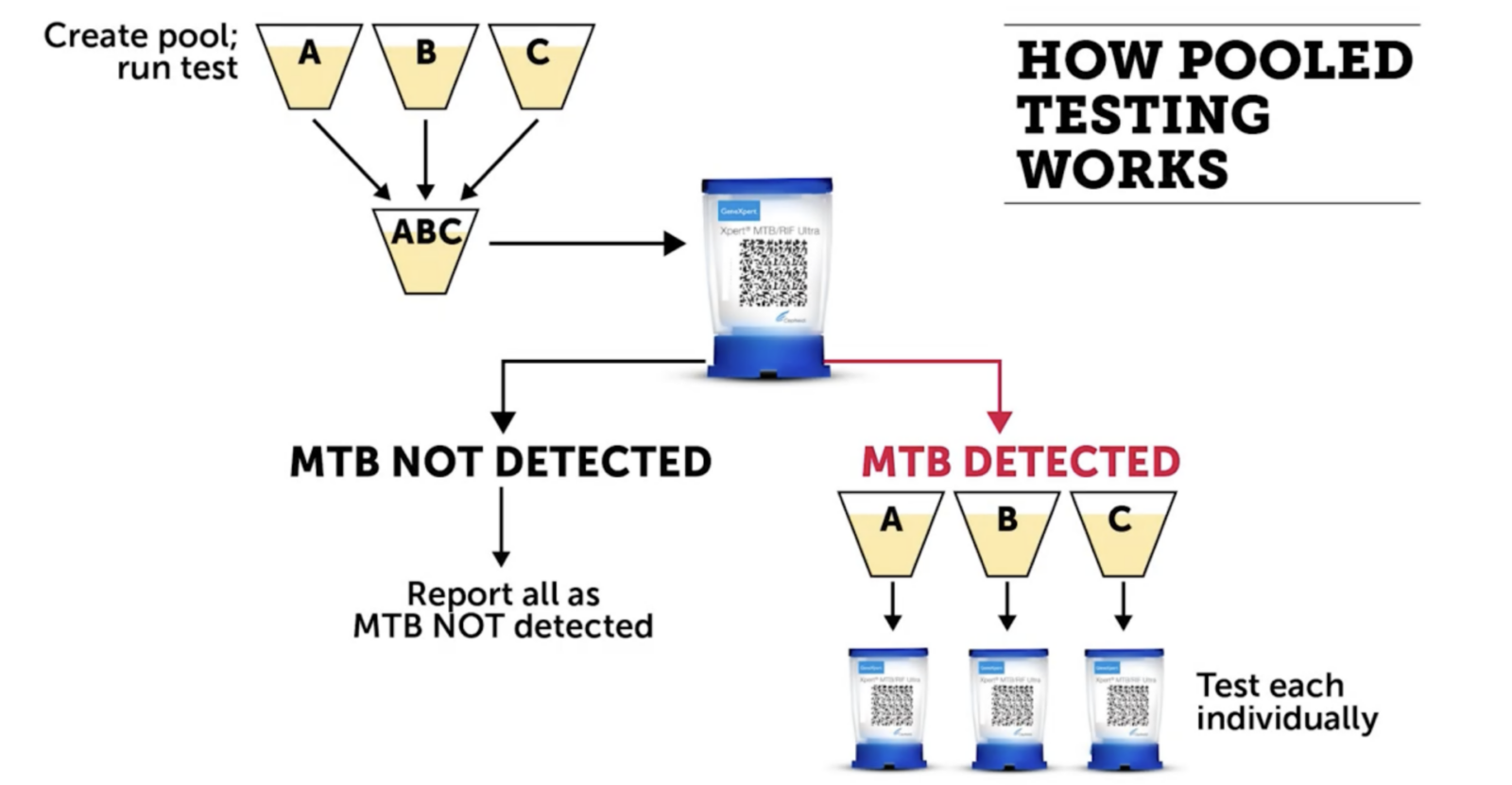
Normally, diagnosing TB requires each person to provide a sputum sample, with one test used per individual. Pooled testing changes that: samples from up to four people are combined and tested together with a single test cartridge.
If the pooled sample is negative, everyone in the group receives a negative test result. If it tests positive, samples that made up the pool are retested individually to identify who has TB. The potential is significant: fewer tests used, freeing up resources that can be reinvested to reach more people.
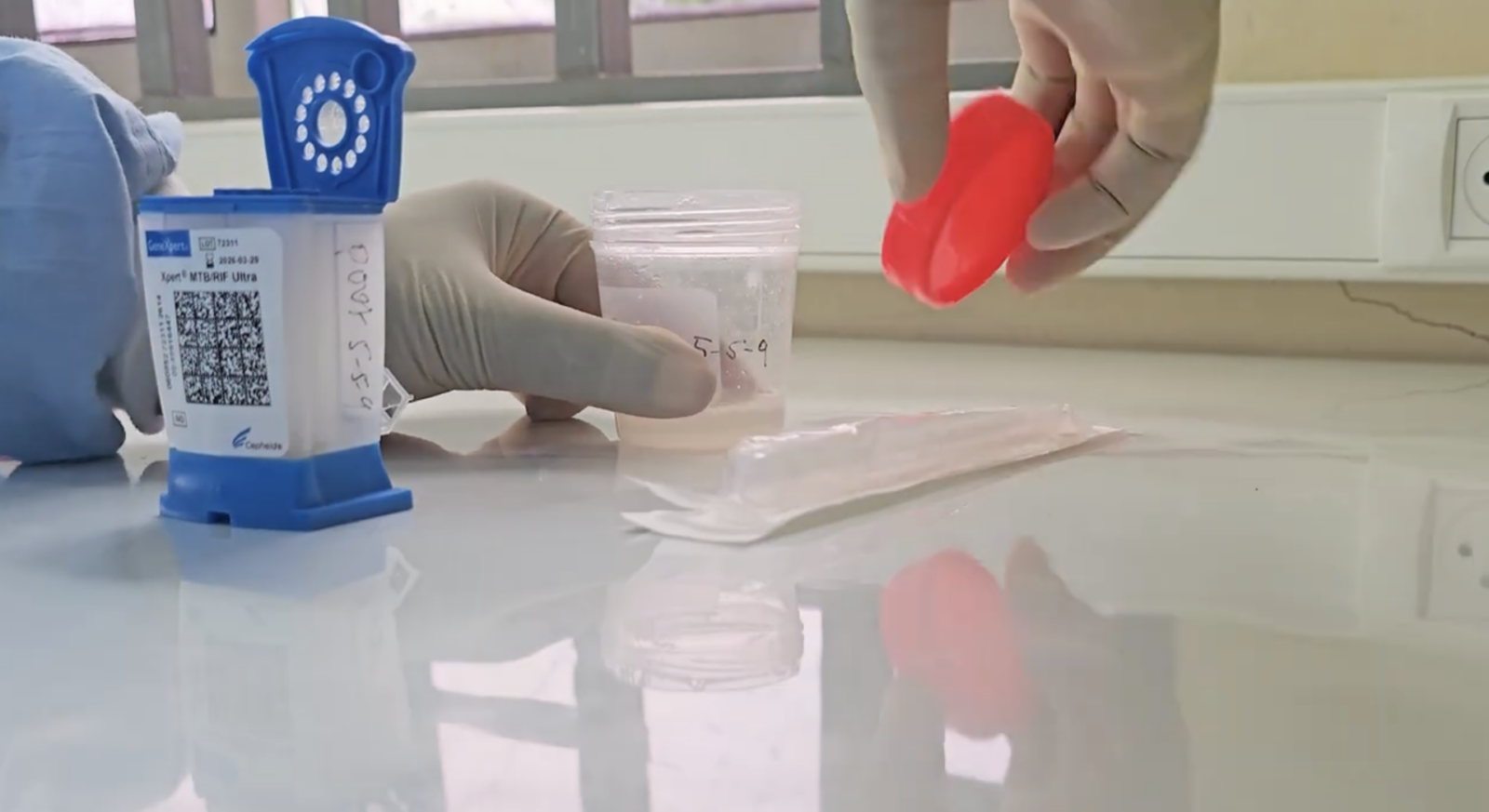
In Cameroon, this approach emerged out of necessity, in response to a cartridge shortage that had pushed the country’s TB testing capacity to breaking point. By pooling samples at selected laboratories, the National TB Program reduced cartridge use by around 65%, lowering the estimated cost of molecular testing from about $8 to $2.80 per person.
With the same resources, nearly 39,000 people accessed molecular TB testing, compared with just over 21,000 with individual testing – a nearly 85% increase in diagnostic coverage.
By testing multiple samples together, pooled testing stretches limited resources further, allowing more people to access testing using existing platforms that can detect TB and drug resistance within hours rather than weeks.
In early 2026, the WHO issued new recommendations that endorsed pooled testing as a cost-effective strategy to increase TB screening.
These recommendations draw on evidence from multi-country studies funded by Unitaid and led by the Liverpool School of Tropical Medicine and the Stop TB Partnership, with eight partners across seven countries (Bangladesh, Brazil, Cameroon, Kenya, Malawi, Nigeria and Viet Nam), and reflect a broader shift toward decentralized testing approaches that address longstanding access barriers.
In Cameroon, the National TB Program is already demonstrating what this looks like in practice.
By rethinking how existing tools, infrastructure and resources are used, rather than just introducing new technologies, the country has demonstrated what smarter delivery can achieve. This kind of practical, real-world innovation can increase access, improve efficiency, and transform the impact of global health investments.
Turning efficiencies into a global health priority
Cameroon’s experience illustrates an important lesson: in today’s health financing environment, how health innovations are delivered is just as critical to health outcomes as developing new technologies.
Efficient approaches like pooled testing ensure that resource constraints do not translate into reduced testing coverage. Instead, they have the potential to vastly increase the number of people who can be tested with the same resources – a critical step toward finding the “missed millions” and moving closer to ending TB.
Unlike many new technologies that might require new devices or extensive training, pooled testing is ready to be implemented. It uses existing infrastructure and resources, and requires minimal additional training for laboratory technicians.
For people seeking care, nothing changes in how they give a sample or get results, except they are more likely to be tested on time. Countries do not have to wait years to benefit. Because pooled testing builds on existing laboratory equipment, implementation can begin quickly, and results can be seen within months – expanding testing coverage, reaching more people, and reducing costs for national TB programs.
But access to these efficient approaches is not automatic. Even when evidence exists and tools are available, they can only be brought to scale through deliberate, coordinated action.
The health financing crisis makes this urgent. Innovating in the way we deliver existing tools is not just about efficiency: it is the most effective way of expanding access while enabling countries to transition toward more sustainable, nationally-owned health responses, even as external funding declines. But realizing this potential requires moving beyond fragmented individual efforts to collective global action.
This means three things: First, making it easier for countries to scale proven approaches now through coordinated technical support, clear and practical implementation guidance, including how-to videos, and alignment among partners to accelerate adoption.
Second, investing in identifying where delivery innovation can be applied across other disease areas or for multi-disease testing and treatment. This means strengthening operational research, cross-disease learning, and evidence generation.
And third, aligning countries, donors and partners to scale what works. Without stronger coordination, even the most effective innovations risk remaining underused.
Developing new tools will remain essential, particularly as we face new and emerging health threats. But Cameroon’s experience with pooled testing demonstrates that optimizing delivery can unlock enormous gains – expanding access, improving equity, strengthening health systems, and contributing to finding the missed millions with TB.
As global health enters a new era, the question is not whether innovation remains essential, but whether the global health community will prioritize both technological discovery and smarter use of existing tools – and act collectively, and with urgency to bring both to scale.
Dr Noah Appolonie is Cameroon National TB Program coordinator.
Dr Philippe Duneton is Unitaid’s outgoing executive director.
Dr Lucica Ditiu is executive director at Stop TB Partnership .
Dr Tom Wingfield, is deputy director of the Centre for Tuberculosis Research at the Liverpool School of Tropical Medicine (LSTM).
Image Credits: Stop TB Partnership.
Combat the infodemic in health information and support health policy reporting from the global South. Our growing network of journalists in Africa, Asia, Geneva and New York connect the dots between regional realities and the big global debates, with evidence-based, open access news and analysis. To make a personal or organisational contribution click the donate button below.