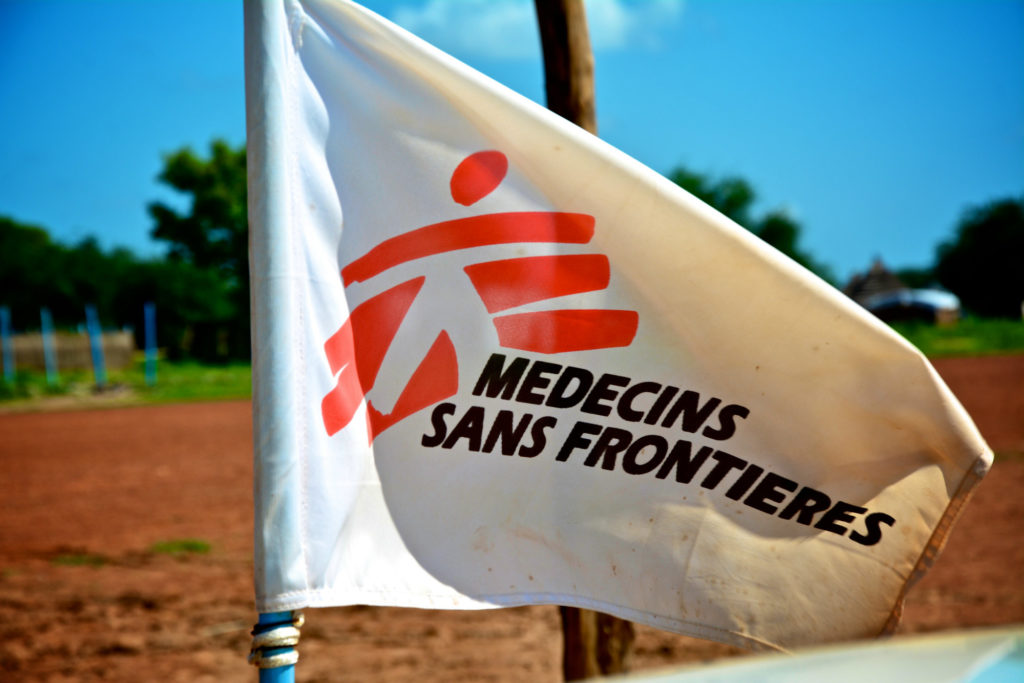
Switzerland’s federal government is freezing some funding to Médecins Sans Frontières (MSF) due to the agency’s handling of a sexual abuse scandal that saw staff victimise refugees in Chad.
Officials from the Swiss Agency for Development and Cooperation, or SDC, appear to have been blindsided by the scale of the abuse and MSF’s inadequate disclosure of information, according to Zurich newspaper NZZ, which first reported the funding suspension to MSF Switzerland this week.
The abuse was exposed by reporting by the Associated Press in 2024. Women and girls said they were forced to exchange sex for money, jobs, or better access to humanitarian assistance, pointing to staff from MSF. The agency initially reported this to Swiss authorities as a case involving three women, according to NZZ.
But the organisation would later find widespread abuse, including exploitation that may have amounted to “sexual trafficking”, AP reported in June 2026. MSF later acknowledged that it had identified 59 allegations of “misconduct, including sexual harassment, exploitation, and abuse” involving “staff, daily workers, external contractors, and suppliers”.
The organisation says it has dismissed 18 staff. However, SDC appears to have been in the dark about the extent of the abuse until the June 2026 media report, the NZZ report suggests.
As with all cases of sexual abuse, the findings are likely an undercount as victims and survivors are often hesitant to speak, or to trust investigators tied to organisations that employed their abusers. Some 4.5 million people in Chad need humanitarian assistance, including refugees who have fled the civil war and genocidal attacks in Sudan, internally displaced people, and host communities.
- What MSF says: “As we investigated the abuse in eastern Chad in 2024 and 2025, we remained in contact with the SDC, informing it about the media reports and providing updates on the ongoing investigations and their progress during meetings in Bern and Chad,” an MSF spokesperson told us. “However, we did not proactively communicate the full scale of confirmed cases and dismissals as early as we should have.”
- What SDC says: “Since June 2026, [SDC] has requested and received additional detailed information from [MSF] regarding the reported cases and the measures taken in response,” a spokesperson for Switzerland’s foreign affairs department told us. “The SDC is currently reviewing the actions implemented by MSF, with particular attention to victim support, sanctions imposed on perpetrators, and the strengthening of prevention, safeguarding, and oversight mechanisms.” The review and SDC’s assessment are “still ongoing”.
- Transparency: It’s not just the sexual abuse scandal, but the failure to report the scale of it that has landed MSF in hot water.
- Whistleblowers: MSF views AP as an “external whistleblower” that played a “fundamental role”, the June report noted. That seems to be a very different reaction compared to how other organisations, including UN agencies or peacekeepers, often respond when journalists report on sexual abuse.
- Donor changes coming: MSF’s handling of sexual abuse in Chad may have repercussions for all grantees. “Current contractual provisions already require partners to inform the SDC about misconduct and abuse. This case has nevertheless shown that these contractual provisions need to be strengthened,” the spokesperson said. “Amendments are currently being prepared and are expected to be implemented in 2027.”
- Fine print: The decision affects CHF 1.25 million Swiss francs (about $1.5 million) to MSF Switzerland – what was left unpaid from this year’s larger grant to the aid organisation. Six of the 18 dismissed MSF staff were employed by MSF Switzerland, according to the NZZ report. MSF declined to confirm which MSF entity employed the staff (some 28 MSF associations around the world form MSF International).
The New Humanitarian puts quality, independent journalism at the service of the millions of people affected by humanitarian crises around the world.