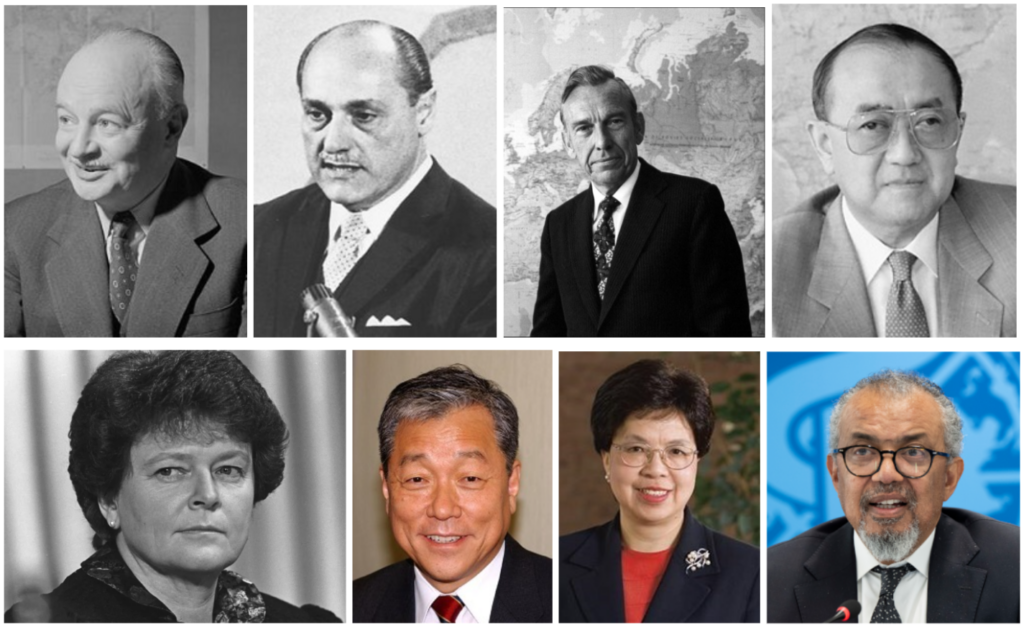
The World Health Assembly chooses a new chief for the World Health Organization in May 2027. Before judging the candidates, assess the predecessors. Eight people have held the post over 78 years. Their varied track record offers pointers for selecting the future incumbent.
Every five years, WHO rediscovers that its Director-Generalship is a political office metaphorically clad in a white coat. The search for Dr Tedros Adhanom Ghebreyesus’s successor is underway: six prospective candidates are publicly listed, others may stay sealed until November. The hopefuls will present their case in webcast member state hearings before the Executive Board shortlists three of them in February 2026. The 80th World Health Assembly makes the final selection by secret ballot next May.
Before judging them, it is worth assessing those who went before. Eight people have led WHO since 1948. Each inherited a different world and a different burden of disease, and each deserves to be measured against what their era made possible rather than against today’s hindsight. However, each is also culpable for legacies – direct or indirect – that create today’s challenges.
Here is my reckoning, era by era, ending with a ranking.
Shaky foundation (1948–53): Brock Chisholm
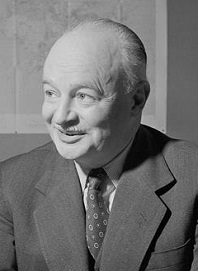
A psychiatrist and decorated soldier, Chisholm became Canada’s deputy health minister and Surgeon General before running the Interim Commission that created WHO and was elected its first Director-General. His constitutional legacy of semi-independent regional offices continues to bedevil the Organization today.
His visionary fingerprints are all over WHO’s Constitution including a holistic definition of health that still survives. But he was an awkward prophet who once said that “one cultural anthropologist is worth more than 100 malaria teams”. He had already scandalised Canada by denouncing Santa Claus as an offence against clear thinking. Today we may appraise him as the first warrior against misinformation.
His pioneering views around the social determinants to health were ahead of his times and he did not serve a second term; Ottawa was not keen that he should. Considering his era’s existential challenge – to build a universal health body as the Cold War froze and the Soviet bloc walked out – his assessors are harsh to cast him as “consistently mediocre” and “deservedly forgotten”.
Though hugely unpopular inside and outside WHO, he kept the ship steaming along through the maddening political complexities of east–west animosity. He also seeded the ‘administering penicillin versus reducing poverty’ debate that continues to politicise global public health.
Pragmatic consolidation (1953–73): Marcolino Candau
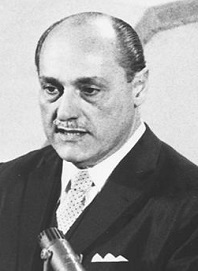
The Brazilian malariologist and public health physician was Chisholm’s Assistant Director-General before joining the Pan American Sanitary Bureau from where he was a surprise leadership choice over better-known rivals.
Where Chisholm preached, Candau administered. Urbane, discreet and politically astute, he read the Cold War correctly. A universal agency could only survive bipolarity by being useful to all and threatening none. So he took WHO firmly down the “magic bullet” track his predecessor had resisted. His 1955 bet on global malaria eradication coincided with American anxieties about communism in the tropics but had to be abandoned after DDT resistance, administrative fatigue, and exclusion of most of Africa.
Bruised by this experience, he opposed smallpox eradication as failure would damage his beloved Organization. But with the Soviets pushing, the divided WHA approved the smallpox bet in 1966 by a mere two votes. The reluctant Candau put an American in charge so that Washington would carry the blame of anticipated failure. He was proved wrong in due course.
His era’s existential test was absorption: decolonisation delivered 57 new member states and the Soviet bloc returned. Despite scepticism, Candau kept all on board. Perhaps that kept him too busy to formulate his health doctrine, and so, articulating the systematic foundations of comprehensive healthcare had to wait.
The collateral consequence was that the vertical-versus-horizontal argument, the trade-off between eradicating one disease or strengthening whole systems, became further entrenched, and continues to confound global health today.
Meanwhile, he ushered in the International Health Regulations in 1969 along with a foretaste of battles ahead when members condemned his unilateral decision to expose Guinea’s 1970 cholera outbreak.
Candau served for a record twenty years to build the administrative house in which Mahler’s revolution could be staged. The Royal College of Physicians’ verdict is fair: he turned a struggling agency into one of influence and concrete achievement.
Moral ascendancy (1973–88): Halfdan Mahler
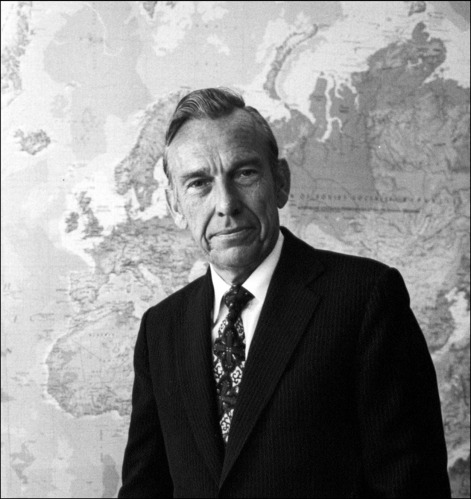
A Danish tuberculosis specialist, Mahler was profoundly shaped by his Red Cross work in Ecuador and with India’s national tuberculosis programme.
He gave WHO its moral height. The first essential medicines list in 1977, the “Health for All (HFA)” declaration in 1978, smallpox eradication in 1980, and adoption of the code on breast-milk substitutes in 1981 (with the United States as the sole vote against) were landscape-shifting advances as Mahler picked up Chisholm’s social medicine banner to storm over opposing ramparts.
But this deepened the ideological rift between European socialised medicine traditions and American free-marketeers. This was not helped by the symbolism that the health-for-all gauntlet was thrown from Alma Ata (now Almaty) in the Soviet Union. And so, the Europe-and-Third-World dominated comprehensive ambition WHO was pitted against the American-dominated UNICEF’s selective child survival prescription.
Thus ensued a mighty battle for global health leadership between WHO and UNICEF, egged on by their respective cheerleaders. That lasted for decades right into the current era and fractured multilateralism while seriously confusing national health debates.
Washington’s anger was soon evident in its 1985 refusal to pay its assessed dues. WHO’s budget crisis that followed established a precedent that got repeated.
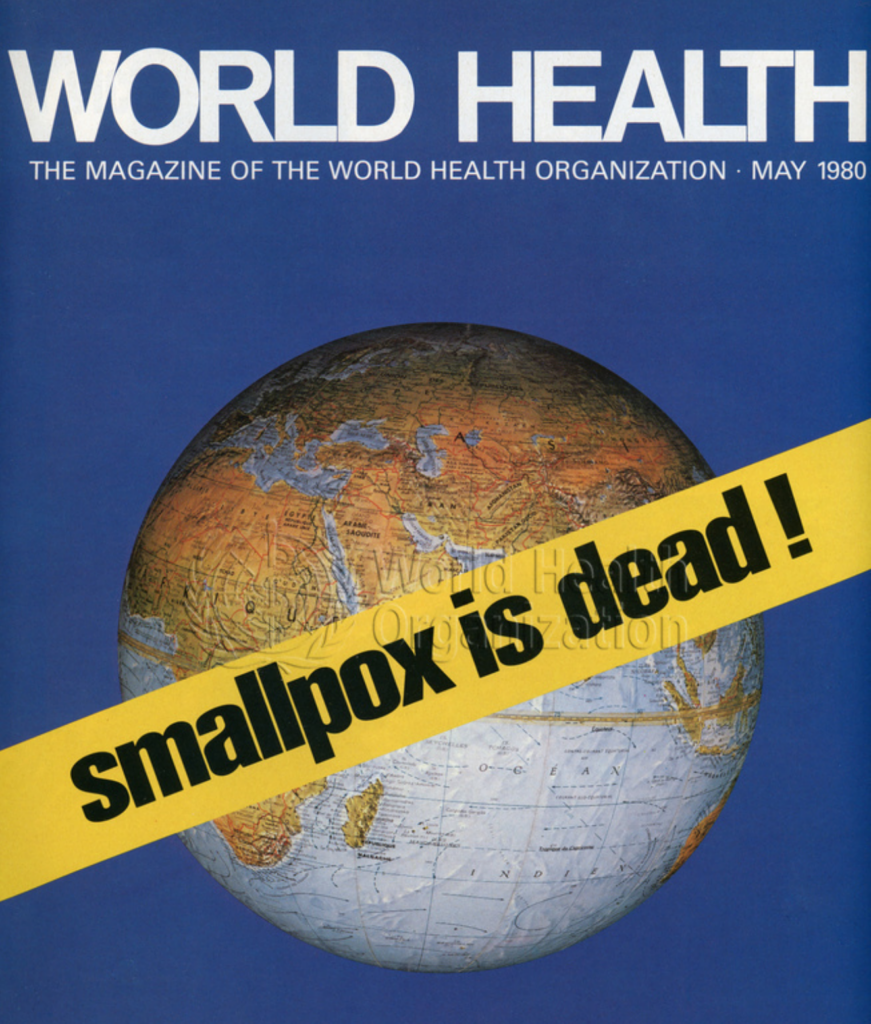
Mahler’s HFA was buried under the disease-specific Millennium Development Goals during the time of UN Secretary General Kofi Annan, himself a former WHO employee. But then resurrected as Universal Health Coverage in the 2015 Sustainable Development Goals.
For the record, Mahler was not always right. He badly misread the century’s defining epidemic saying that AIDS should not receive excessive attention. But, with his trademark grace, he later admitted his mistake.
Although Mahler himself acknowledged that health for all would not be achieved by his target date of 2000, he quipped, “we will have fun trying”. And therein lies the secret of his success as the only director general who was both popular and respected. The preacher’s son purposefully deployed his moral authority to fundamentally change what the world thinks health is for.
I have a personal confession: Mahler was the direct inspiration for my own early career choices.
Trust squandered (1988–98): Hiroshi Nakajima
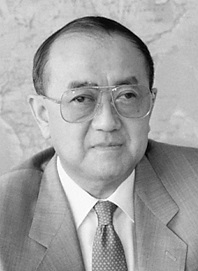
The Japanese psychopharmacologist directed WHO’s Western Pacific region, before becoming the Organization’s first Asian chief. This was over American objections, the divided Executive Board preferring Nakajima in rebuke to Western ownership of the office.
He inherited the AIDS pandemic and the post-Cold-War moment when health could have claimed its rightful place in the new world order. He lost both struggles.
His clashes with Jonathan Mann, the charismatic head of the Global Programme on AIDS, ended in Mann’s resignation in 1990 and, by 1996, the condition was removed from WHO’s hands and given to the new UNAIDS. (For transparency: I was secretary to the international commission that engineered this).
Meanwhile, the World Bank, armed with the powerful 1993 report, Investing in Health, became the intellectual centre of global health, and donors followed their money there.
His 1993 re-election was the nadir. He dismissed Mohamed Abdelmoumène, the deputy daring to run against him. Nevertheless, Nakajima was re-nominated by the Board amid allegations that Japan had awarded research contracts to 23 of the 31 Board members who supported him. The Assembly re-elected him 93-58 on developing country votes over open Western opposition. The external auditor resigned and organisational reputation was severely damaged. In 1995, Nakajima questioned whether Africans could write proposals and had to apologise.
Nevertheless, important WHO programmes continued to trundle along, the Global Polio Eradication Initiative got underway, and the DOTS tuberculosis strategy was launched.
But overall WHO regressed over Nakajima’s divisive decade. The costly lesson is that competent machinery eventually succumbs to the collapse of trust in the person at the top.
Revival (1998–2003): Gro Harlem Brundtland
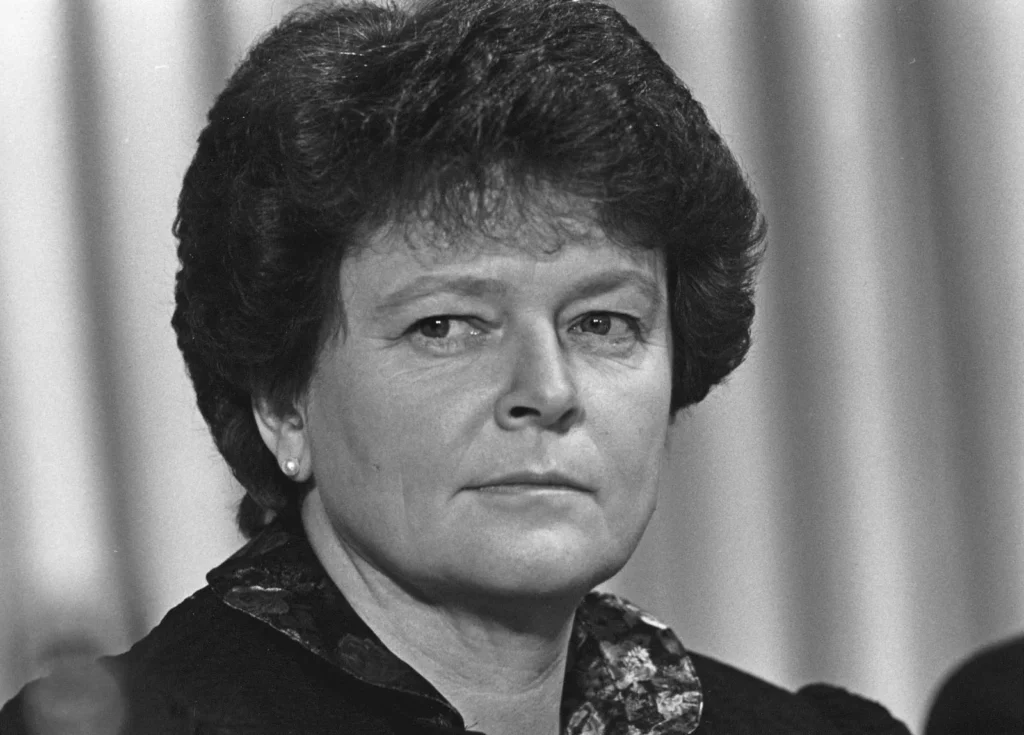
The answer to Nakajima was to reach higher. Brundtland, a physician by training, was Norway’s three-time prime minister and chaired the iconic commission that gave the world “sustainable development”. She was the first woman and first head of government to take the post. She arrived as a political heavyweight and governed like one.
She purged and restructured headquarters, recruited stars, and went where the money was. Her Commission on Macroeconomics and Health, reclaimed some thought leadership. Her major triumph was the first ever treaty negotiated under WHO’s constitution: the Framework Convention on Tobacco Control, adopted unanimously in 2003.
She issued the first travel advisories in WHO history. First, against China which she publicly rebuked for concealing SARS. It contributed to the sackings of the Chinese health minister and the Mayor of Beijing. She followed up by defying Canada’s fury over advisories against travel to Toronto.
Her science-informed even-handedness won respect without repercussions from the great powers that was to become their future mode. (Another personal confession: she tried to persuade me to take a directing role for a new health emergencies function but I had a parallel offer from the UN to head its Sudan operations and preferred the field to sitting in Geneva).
Brundtland’s vision for global health was bigger than parochial WHO institutional interests. But this necessitated a difficult bargain. She inherited a broke, distrusted, and sidelined Organization. The World Bank had more ideas and money as donors had stopped believing that WHO could spend well. Her reaction was not to repair WHO’s core but to go around it: she built new vehicles that donors would fund precisely because they were not WHO. Roll Back Malaria and Stop TB were partnerships hosted at WHO but governed by their funders. GAVI (2000) and the Global Fund (2002) were set up as separate institutions.
The bargain she struck was paid over subsequent decades as earmarked voluntary contributions for donor-favoured programmes took precedence over assessed dues. That distorted WHO’s core functions. COVAX in 2020 was an example of “authority without instruments”: WHO co-led an initiative it could not control and was blamed for its failures anyway.
But Brundtland undoubtedly galvanised countries. Her 2000 World Health Report that ranked national health systems – France first, the United States 37th – delighted media and public but outraged ministries as invidious “health Olympics”. The Executive Board balked at its repetition and it became diluted into today’s mind-numbing Universal Health Coverage index.
Then, after refusing a second term that was hers for the asking, the colossus retired. Admirers saw dignity in this while critics saw a politician who had restored the stage but left before the chickens could come home to roost. Either way, she proved something her successors have struggled with: her high office could assert one day and remain standing the day after.
Unfinished promise (2003–06): Lee Jong-wook
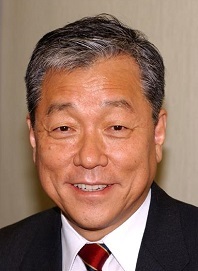
The South Korean physician had already spent twenty years inside WHO – on leprosy in the South Pacific, and then in vaccines and TB – before squeaking into the top job by a single switched vote.
He was a man of forthright convictions saying that the world needed leadership in the struggle for “security from infections, and justice for those worst affected by diseases of poverty.” In practice, he was a consummate but quiet campaigner who traded constantly with the United States to keep the Bush administration’s money and patience.
He felt the need to prove something fast. On World AIDS Day 2003 he launched “3 by 5” — three million people in developing countries on antiretroviral treatment by the end of 2005. He was warned that he would be blamed for likely failure. Nevertheless, he committed $300 million of WHO’s own budget and demanded that every technical programme contribute. (That is how I found myself working on HIV and humanitarian programming in WHO Geneva in 2005 when I became a “refugee” from the United Nations after my role leading UN Sudan ended in the blood and tears of the Darfur genocide).
Although Lee’s AIDS target was missed (roughly 1.3 million were on treatment by the deadline), the failure was of the type that changes the world. It broke the taboo that treatment in poor countries was unaffordable and paved the way for the G8’s 2005 commitment to universal access by 2010. He was the first Director-General to meet AIDS activists face to face.

Two other foundations outlasted him. In 2005, WHA adopted the revised International Health Regulations, converting Brundtland’s SARS improvisations into international health law and giving WHO the right to act on unofficial intelligence. And his Commission on Social Determinants of Health, picked up Mahler’s banner to power the equity language that saturates global health nowadays. He also took the pandemic influenza threat seriously before that was fashionable, and committed WHO to transparency and accountability in ways his predecessors had not.
One of his biggest tests was the 2004 Indian Ocean Tsunami which exposed internal senior management faultlines around whether a norm-setting body should get its hands dirty with running emergency field programmes. (That is how I shifted from HIV to become WHO’s director of emergency response). The debate progressively resolved under his successors with member states demanding proactive WHO support during disasters and crises, but it still causes organisational tension.
Lee died suddenly and tragically as the 2006 WHA opened, his mandate unfulfilled. What remains is the record of a quiet and cultured man of under-estimated humanity who courageously chose the hardest target available and was proved right by his own failure.
Contained decline (2007–17): Margaret Chan
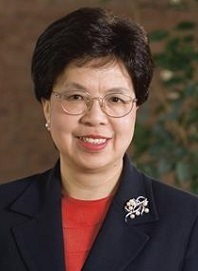
The answer to Lee’s death was Asian continuity with Chinese characteristics. This was Beijing’s first bid for a weighty UN agency. Chan had been Hong Kong’s Director of Health through the 1997 bird-flu cull and SARS in 2003, before Geneva brought her for environment and then communicable diseases. A Hong Kong legislative inquiry had found her SARS performance wanting but she got hired anyway, perhaps because she was the only person who had actually managed such crises.
She asked to be judged by two measures: the health of Africans and of women. Neither became her legacy but she walked into the trap that often defines the office: deciding, under uncertainty, whether a new outbreak is a global emergency with the office paying whichever way the call goes.
In June 2009 she declared the H1N1 pandemic, the first in forty years. The virus proved mild, governments were left with warehouses of vaccine, and WHO was accused of making a “false pandemic” that profited pharma. Five years later she over-corrected when it took a thousand Ebola deaths and regional spread before she declared an emergency. Médecins Sans Frontières charged WHO with inaction and ineptitude – a judgement I could validate from my own independent visit to West Africa.
Chan’s defence that WHO is a technical agency and governments carry the first responsibility was the bureaucrat’s answer to the question Lee had left open. Member states firmly rejected this and forced her to quicken the pace to establish, in 2016, the Organization’s operational arm, the Health Emergencies Programme.
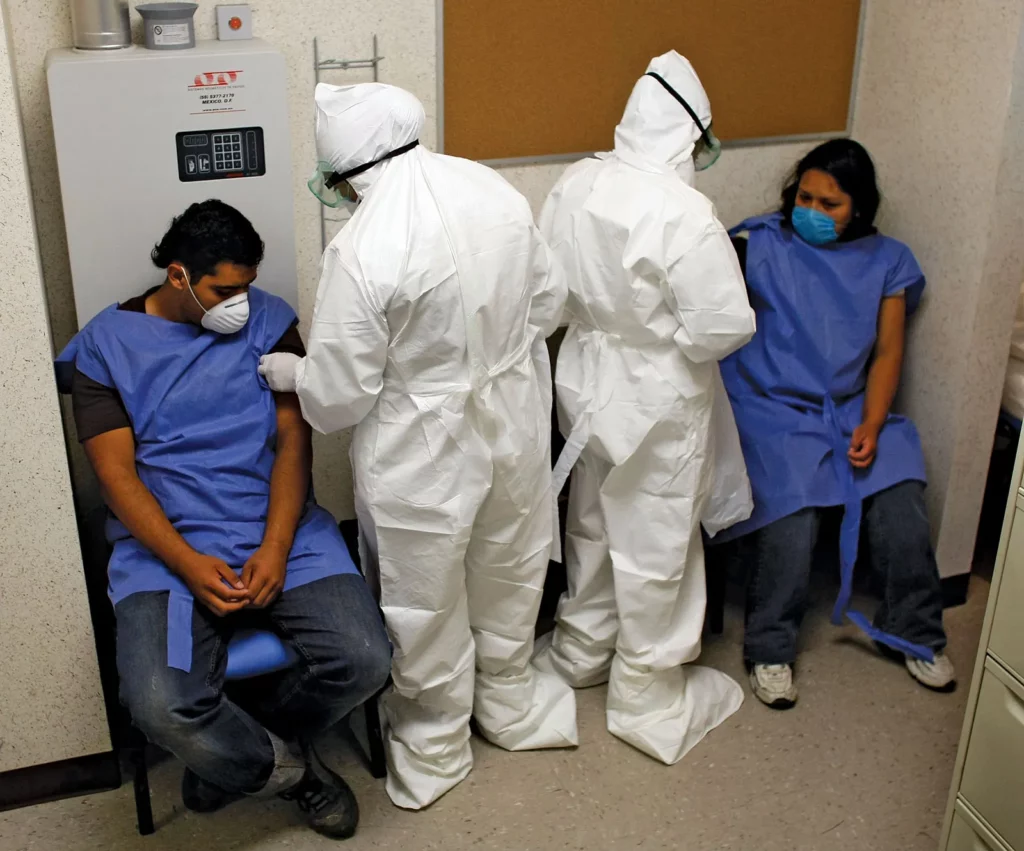
Declining confidence in Chan fed quickly into WHO’s decline, even as leading analysts and governments debated whether to establish a new public health emergencies organisation.
Emergencies – when donor purse-strings open – are often how agencies top up their budgets but few were keen to give to WHO. Meanwhile, the 2011 financial crisis forced the deepest cuts since Nakajima.
Chan’s management of organisational decline was criticised as failing to see that business as usual was over. In a telling comment, the chair of WHO’s audit committee said the agency often did little to stop misbehaviour. And the press revealed that WHO spent more on travel than on AIDS, TB, and malaria.
Nevertheless, there were some results. She made universal health coverage WHO’s organising idea, carried the non-communicable disease agenda to the UN General Assembly, and backed countries defending the tobacco treaty against industry litigation.
Unthreatening to Beijing or Washington, the geopolitics of the era got what it wanted: someone contained. Wrong-footed by both great crises of her time, she survived two full terms but bequeathed an Organization of sharply diminished authority.
Geopolitical rupture (2017–27): Tedros Adhanom Ghebreyesus
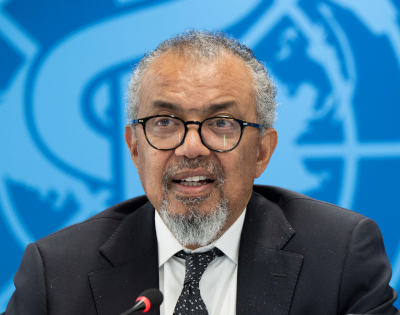
The answer to Chan was to break the mould. Tedros Adhanom Ghebreyesus is the first African, the first non-physician, and the first chosen by the whole membership by a convincing majority, rather than a Board deal. (Transparency declaration: I was involved in his campaign).
A malariologist with a doctorate in community health, he had been Ethiopia’s health, and then foreign minister. With a politician’s résumé and a campaigner’s instincts, he is the first DG since Brundtland to understand that the office is won and kept via capitals, not laboratories.
He has governed the hardest decade since WHO’s founding and his reactions demonstrate both his stature and his limits.
COVID-19 brought him the Chan trap at planetary scale. He declared the emergency on 30 January 2020, earlier than most governments acted. But he had also praised Beijing’s transparency days before, and the two facts were weaponised against each other.
Washington under Trump withheld funds and announced withdrawal but reversed under Biden before withdrawing for good in 2026 when Trump returned. An independent commission found that 21 of 83 alleged perpetrators of sexual abuse during the 2018–20 Congo Ebola response were WHO staff, the worst institutional scandal in the Organization’s history. The response was bureaucratically correct but somehow lacked feeling.
He made a few astonishing mis-steps such as appointing the 93-year-old Zimbabwean dictator Robert Mugabe as WHO Goodwill Ambassador on NCDs. Critics wondered if this was repaying an election debt: Mugabe headed the African Union when the bloc endorsed Tedros over other African candidates for the top post, without any real regional contest. A furious world forced Tedros to retract.
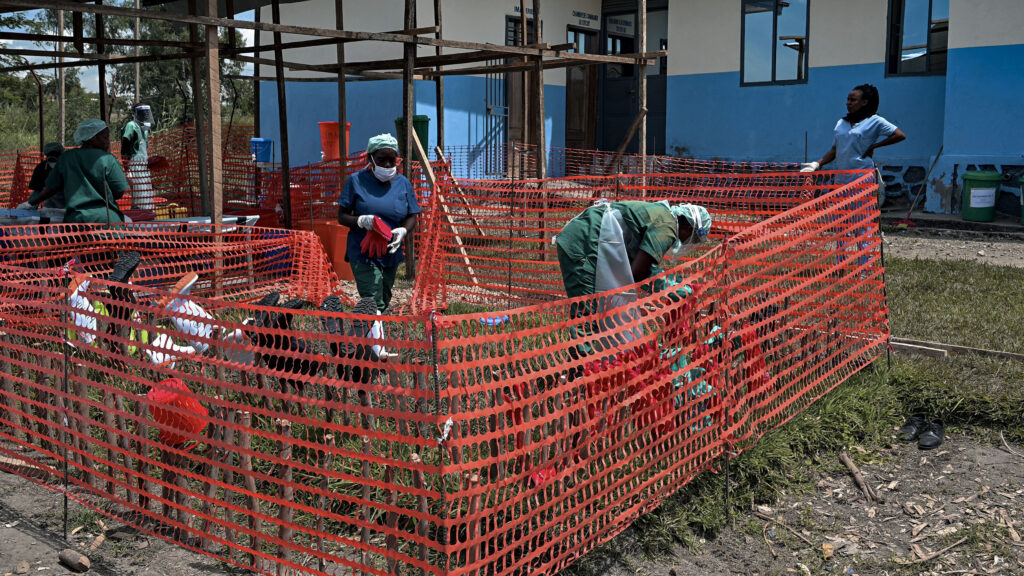
In 2022 he overruled his own emergency committee to declare mpox an emergency, the first DG to do so. He was also very quick this year to declare DRC’s 17th Ebola outbreak as a public health emergency of international concern. The Chan lesson had been learnt. But as the Bundibugyo Ebola spread outpaces response there is criticism of the adequacy of WHO response.
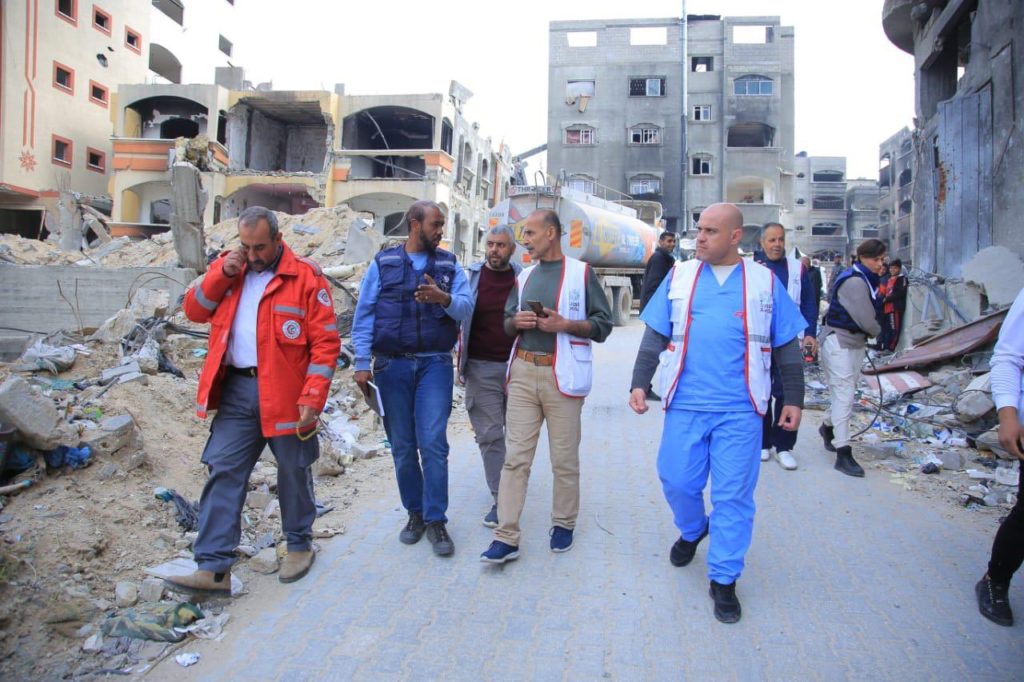
Gaza tested a different nerve. Tedros called on Israel to stop attacking hospitals, mistreating humanitarian staff including from WHO, and demanded a ceasefire and more aid to be let in. Earlier he had himself escaped a bad end when Israel bombed Sana’a airport as he waited to board.
With his numerous field visits, no Director-General has been so personally exposed to the wars he speaks about, nor so accused of taking sides in them. Israel and its supporters charged WHO with parroting Hamas-run ministry figures and ignoring its military use of hospitals.
However, the sharpest dissension was with his own country. Tedros is from the Tigray region and sat on the executive of the Tigray People’s Liberation Front, the party that ran Ethiopia for three decades, until he left for Geneva. When Abiy Ahmed’s government went to war with Tigray in November 2020, the Ethiopian military accused Tedros of helping TPLF and called for his removal. In January 2022, after Tedros described conditions in Tigray as “hell” and accused Addis Ababa of blocking medicine, Ethiopia asked WHO to investigate its own chief for misconduct.
Ethiopia withheld nominating him for a second term and the Nakajima question of the 1990s came to the fore: can the office survive a collapse of trust in the person holding it? This time, the answer was very different: 28 other countries put him forward and he was re-elected unopposed.
The war has touched Tedros deeply. He has lost relatives and his extended family in Ethiopia has been victimised. He has been unable to go home for several years; it is doubtful if he will be able to do so when he finishes his term next year.
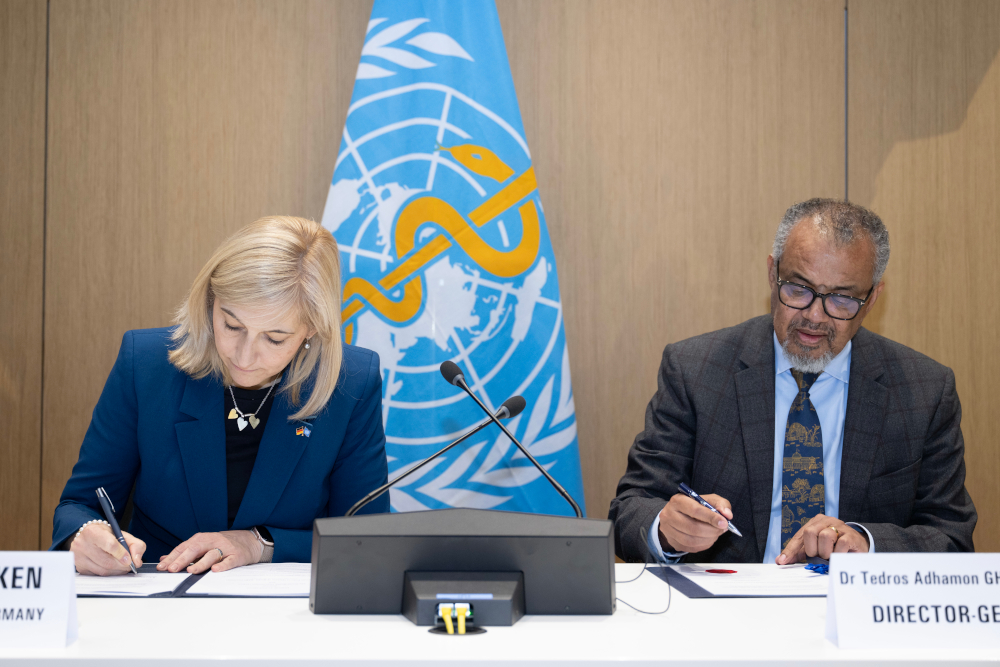
Tedros has logged substantial entries on his ledger. He persuaded Member States in 2022 to raise assessed contributions towards half the budget by 2030 — the first serious attempt to buy back the autonomy Brundtland mortgaged. He delivered the Pandemic Agreement in May 2025, the second instrument negotiated under Article 19 of the WHO Constitution, though its pathogen-sharing annex remains mired in argument. He steered the 2024 amendments to the International Health Regulations. He has even managed to strengthen momentum on other challenges such as non-communicable diseases and mental health.
Most of all, he has made WHO visible: no predecessor has been so present on screens and social media. A vital contribution to global health at a time of record levels of misinformation, vaccine scepticism, and conspiracy theories of many types. But, by the same token, his reward is to be personally attacked with a degree of venom rarely seen before.

The US departure and other donor aid cuts leave an Organization whose base budget has been cut from $5.3 billion to $4.2 billion. Tedros’s reform efforts have been criticised. Because in the early part of his tenure, he allowed the organisation to grow too much and become top heavy and now risks hollowing-out with a quarter of staff gone.
He has also been handicapped by the uneven functioning of his regional offices that removed the discredited leaders of the Western Pacific Regional Office and South- East Asia Regional Office. Tedros’s handling testifies to his political finesse but exposes the limits of his authority. He could not himself fire either regional directors. The governance contradictions that he inherited will pass on to his successor.
Overall, however, Tedros will be admired for his leadership-from-the front through thick-and-thin. His undoubted major advancements deserve to outweigh his few mis-steps.
But history can be cruel with a legacy often determined by an incumbent ‘s fading years rather than earlier achievements. He was propelled into office on the wave of disappointment with his predecessor’s failure on the West African Ebola outbreak. There is a risk that he may be seen out by his own struggling DRC Ebola response.
The Director-General ranking
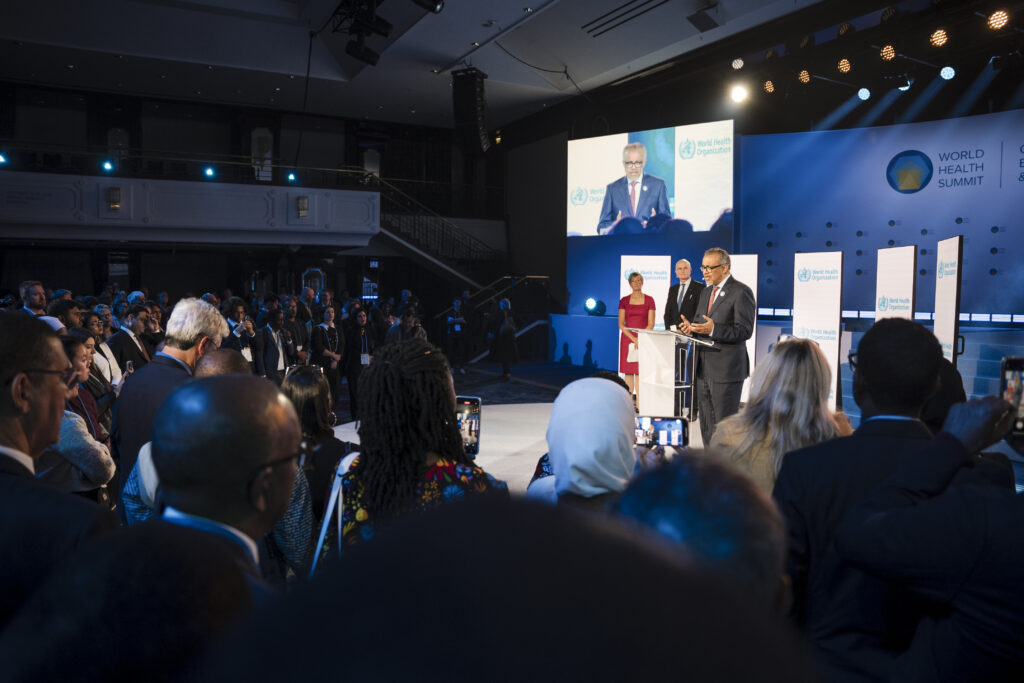
Now to a strategic weighing of each Director-General against what their era demanded, permitted and expected. Rankings of this kind are a judgement, not a scorecard. Mine rests on my personal exposure to several DGs and on four tests:
Did they read their era correctly – the disease burden, the geopolitics, the money – and choose the fight that mattered?
Did they build something that outlasted them, whether an idea, an instrument or an institution?
What did they break, lose or leave undone, and were their failures forced by circumstance or misjudgement?
And did they leave the office itself stronger or weaker than they found it: in authority, independence, and the trust of those who fund and staff it?
I have weighed a crisis survived above a programme launched, and a precedent set above a target met because the Director General is ultimately tested by the unforeseen far more than by the planned. Gender and geographical identity have no bearing on performance but personal character and conduct counts, as it must for a post whose only real asset is credibility.
On those considerations, an obvious ranking emerges:
- Mahler brought moral authority to change what the world thinks health is for.
- Brundtland proved that the office can lead and still survive to flourish.
- Candau built the Organization’s lasting foundations.
- Tedros brought resilient leadership to confront our most toxic challenges.
- Lee courageously pioneered attention for the most friendless causes of his day.
- Chisholm kept the ship afloat un-appreciated by his own creation that outgrew him.
- Chan played safe, was wrong-footed anyway, and ultimately disappointed.
- Nakajima brought WHO to its lowest point and is the warning for every DG aspirant.
This pattern should both inspire and trouble DG aspirants and their electors. The two at the top were not the obvious candidates of their day: a tuberculosis man from the field, and a politician who had left medicine behind. Both were, at some point, the most powerful member state’s least favourite official, but managed to leave on their own terms.
The two at the bottom satisfied every criterion on paper and won two elections. But they ultimately failed with were politely ushered off the world stage.
Between them lie a founder his creation outgrew, a builder whose greatest triumph was voted through over his objections, a reformer who died with his mandate unfulfilled, and an incumbent whose legacy may yet be decided by a runaway epidemic. Mixed scorecards.
It appears that the office rewards nerve over credentials and is forged in the crucible of outside forces. None of this is captured by the official criteria to select the next DG. Part II will ask what this should mean for the Assembly’s pick next May.
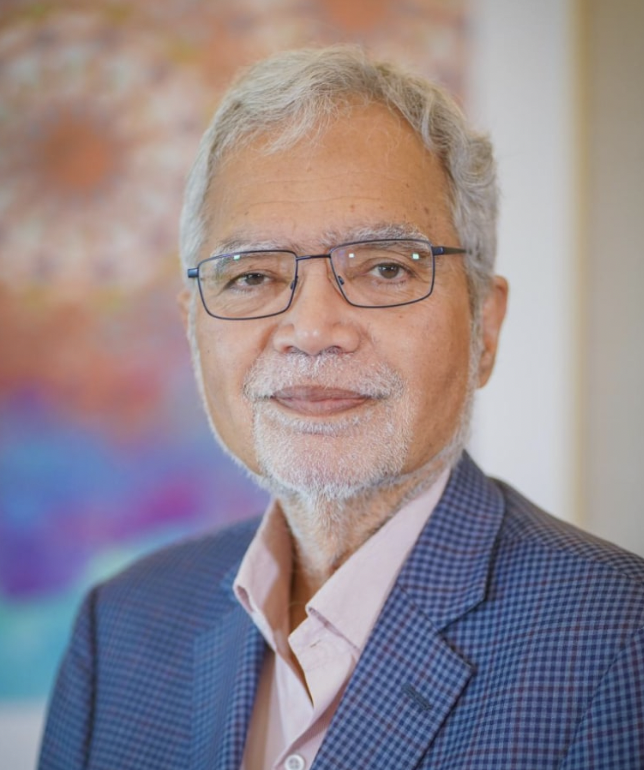
Mukesh Kapila is professor emeritus of global health and humanitarian affairs at the University of Manchester, and a board member of Health Policy Watch. Vital Signs in Global Health is a regular column, and the opinions expressed are solely those of the author.
Image Credits: WHO, WHO/A. Kheir, WHO, Socios en Salud , WHO, WHO, Kerry Cullinan, Britannica , WHO/Christopher Black , Anicet Kimonyo, WHO , WHO/Christopher Black , Lindsay Mackenzie/ WHO, WHO/Marcio Schimming .
Combat the infodemic in health information and support health policy reporting from the global South. Our growing network of journalists in Africa, Asia, Geneva and New York connect the dots between regional realities and the big global debates, with evidence-based, open access news and analysis. To make a personal or organisational contribution click the donate button below.