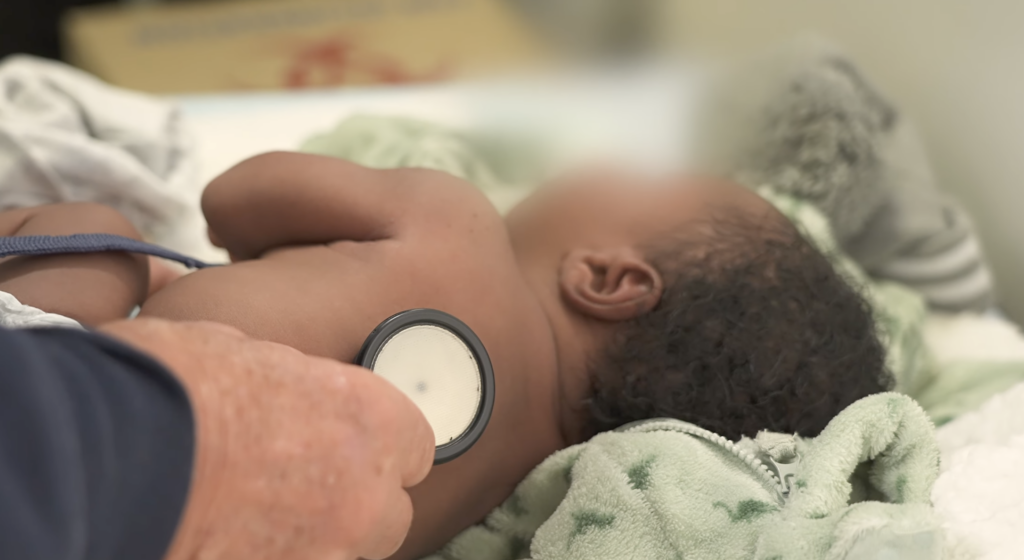
African scientists, institutions and communities are helping advance the development of new TB vaccines. Governments must now work together to prepare national systems, secure fair pricing and ensure scientific progress leads to timely and equitable access.
When I visited the University of Cape Town Lung Institute and the South African Tuberculosis Vaccine Initiative (SATVI) in May, I saw African scientific excellence at work.
Researchers showed us how new screening tools, mobile technologies and advances in diagnosis are bringing TB services closer to communities. We also heard about the progress being made across the TB vaccine pipeline, including candidates that could become the first new TB vaccines in more than a century and offer protection to adolescents and adults.
I left Cape Town encouraged by the science, but concerned by the gap between scientific progress and government preparation.
We have seen this happen before. A new health tool becomes available, but countries are not ready to approve it, finance it, procure it or deliver it. Years are then lost between scientific success and access for the people and communities who need it most.
Africa cannot afford to repeat that mistake.
Developers and manufacturers are already preparing for the possibility that one or more TB vaccine candidates will succeed. Manufacturing partnerships, technology transfer and production planning are beginning before final trial results are known.
This is responsible preparation. Manufacturing capacity takes time to build. Supply chains take time to establish. Regulatory processes take time to complete.
Governments must apply the same logic. Africa is not standing on the sidelines of this scientific effort. African scientists, health workers, research institutions, communities and people participating in clinical trials are helping advance the development of new vaccines.
Political leadership must now match that scientific leadership.
What African governments must do now
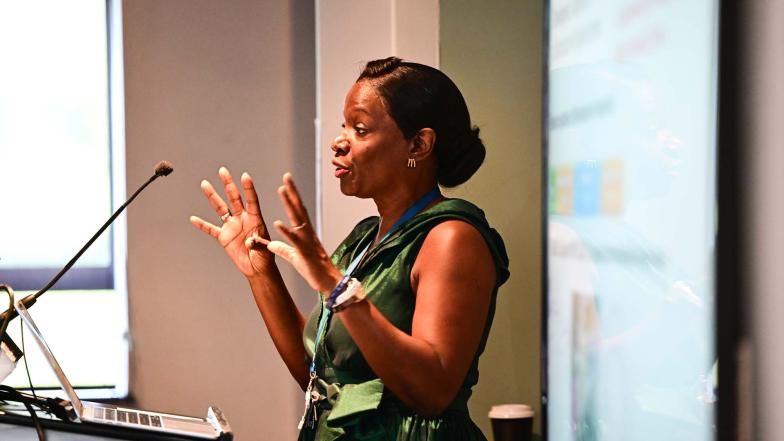
At our meeting in Cape Town, parliamentary Health and Finance Committee leaders from 14 African countries discussed what vaccine readiness would require.
We agreed that this could no longer be treated as a future conversation. Governments must begin preparing before final trial results arrive.
Prepare national systems
Every country should begin developing a national TB vaccine readiness plan.
This does not assume that any particular candidate will succeed. It ensures that countries will not be starting from zero when the evidence becomes available.
Governments must consider who should be reached first, where vaccination could take place and how new vaccines would be integrated into existing health services. Because future TB vaccines may be intended for adolescents and adults, countries cannot rely solely on systems designed for childhood immunisation.
This work must bring together national TB programmes, immunisation teams, HIV programmes, primary health care services and other relevant sectors. Health workers, data systems, supply chains and delivery infrastructure will all need to be assessed.
Communities must also be involved from the beginning.
People affected by TB, civil society and health workers understand the barriers that may prevent people from accessing services. Their participation will help governments understand community preferences, address concerns and build trust.
Public confidence cannot be created a few weeks before a vaccination programme begins.
Plan and finance together
Vaccine readiness cannot remain within ministries of health.
In Cape Town, we deliberately brought Health and Finance Committee leaders into the same room because scientific progress cannot be translated into public health impact without financing, implementation plans and accountability.
Governments need credible information about possible prices, supply timelines and the full cost of delivery. Developers and manufacturers should provide this information early enough to support realistic national planning.
Finance ministries must begin considering how vaccine introduction could be funded without weakening other essential health services. Parliaments must ask whether these discussions are taking place, scrutinise budget decisions and ensure that national plans are transparent.
We also need to move beyond country-by-country preparation.
African governments should work together to forecast demand, share information and strengthen regulatory readiness. Cooperation can reduce unnecessary duplication and help countries avoid delays once the evidence is available.
It can also give manufacturers greater confidence about future demand.
Use Africa’s collective power
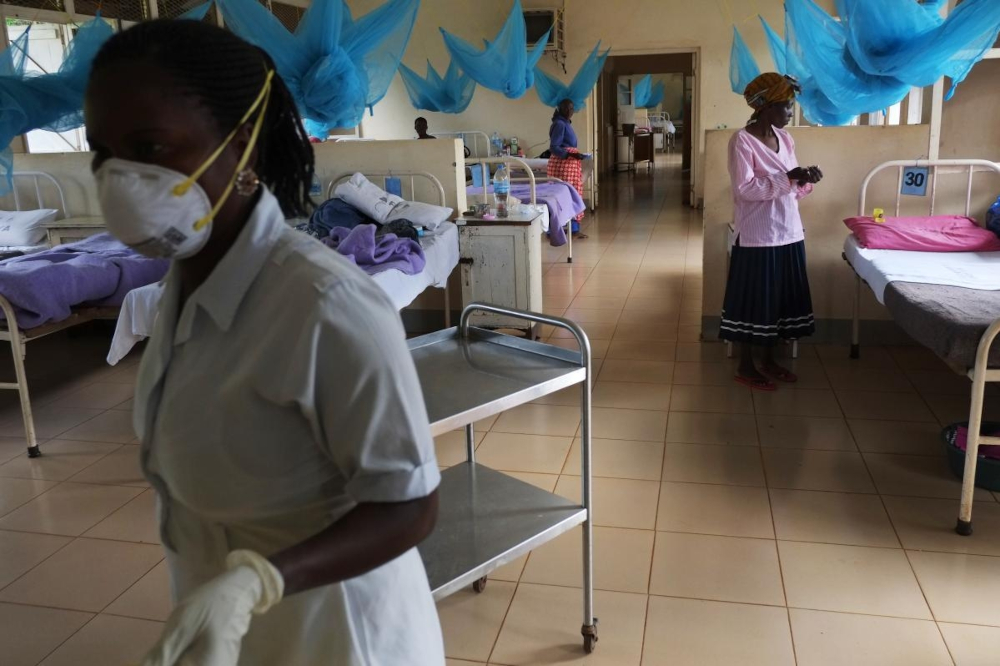
African countries should not be forced to compete against one another for access to new TB vaccines. If each country negotiates alone, those with greater resources may secure earlier access while countries with the greatest need are left waiting. That would deepen existing inequalities and weaken the continent’s influence.
Governments should explore pooled procurement, coordinated demand forecasting and collective negotiations on pricing and supply. A united African approach would strengthen purchasing power, support fairer prices and reduce the risk of fragmented access.
It would also support Africa’s ambition to expand vaccine manufacturing on the continent. Sustainable manufacturing requires investment, strong regulation and predictable markets. Governments can help create those conditions by planning and purchasing together.
Global partners also have responsibilities.
Developers, manufacturers, donors and multilateral institutions should share information early, support national and regional readiness and strengthen existing health systems rather than create parallel structures that countries cannot sustain.
But they cannot replace government leadership.
Policy development, regulatory approval, budget allocation, community engagement and implementation planning remain the responsibility of national governments. Parliamentarians must hold them accountable for delivering these commitments.
At SATVI, I saw African scientists, institutions and communities helping to shape the future of TB prevention. Across the vaccine pipeline, researchers and manufacturers are preparing because they understand how much work must take place before a successful vaccine can reach people.
African political leaders must now demonstrate the same foresight.
We must work together to ensure scientific success is matched by prepared health systems, fair pricing, strong regulation and delivery plans that reach people across the continent.
The question is no longer whether African governments should prepare for new TB vaccines.
The question is whether we will act early enough to get it right.
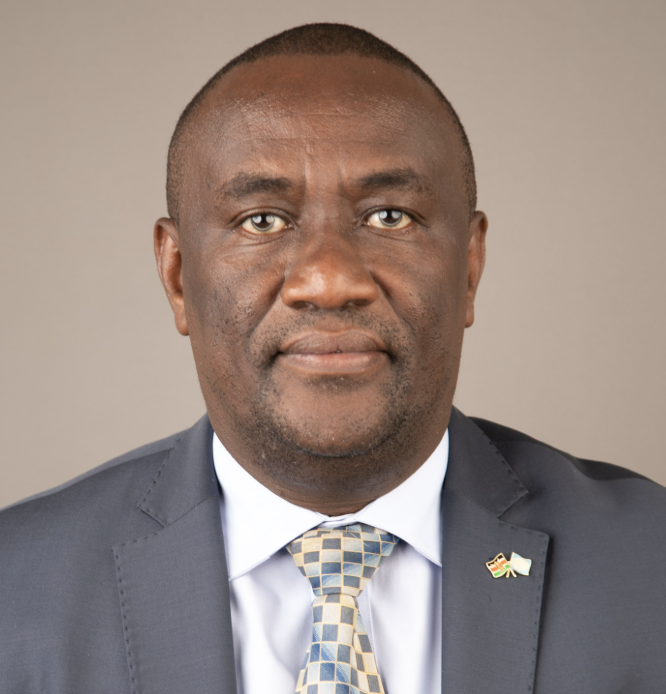
Stephen Mutinda Mule is a Kenyan Member of Parliament and the Vice-Chair of the Global TB Caucus.
Image Credits: University of Cape Town, European Union.
Combat the infodemic in health information and support health policy reporting from the global South. Our growing network of journalists in Africa, Asia, Geneva and New York connect the dots between regional realities and the big global debates, with evidence-based, open access news and analysis. To make a personal or organisational contribution click the donate button below.