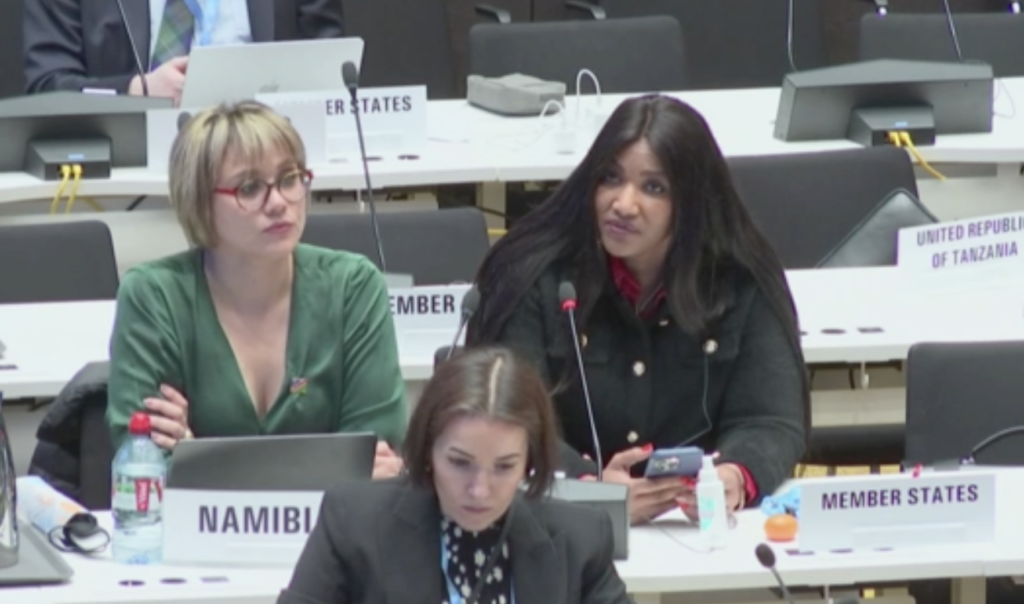
Namibia has rejected the United States’ demands for sharing health data and pathogen information during negotiations for renewed US support for its HIV programme, according to The Namibian newspaper.
In the past few years, the country has received around $45 million a year in support from the US President’s Emergency Plan for AIDS Relief (PEPFAR), and a total of over $1 billion since 2003.
However, the Trump administration is replacing PEPFAR and other health grants with new bilateral agreements in terms of its America First Global Health Strategy. These focus on countries’ ability to contain disease outbreaks as well as support for HIV and other key health programmes.
US demands for data and sharing of pathogen information have run into headwinds in other African countries.
Zimbabwe and Ghana have also rejected the US data- and pathogen-sharing demands, while the memorandums of understanding (MOUs) that the US has reached with Kenya and the Democratic Republic of Congo (DRC) both face legal challenges from civil society groups.
Undermining PABS?
World Health Organization (WHO) member states are currently in sensitive talks about how to share information about dangerous pathogens, and any medical products that arise from this sharing.
The pathogen access and benefit-sharing (PABS) system is the last outstanding piece of the Pandemic Agreement, and Namibia has played a central role in representing the African region at the talks.
However, the US withdrew from the WHO when Donald Trump assumed the presidency in January 2025, and its bilateral health agreements, which demand access to pathogen information without guaranteeing that any benefits will be shared, are a direct challenge to a WHO PABS system.
The Namibian government is concerned that the data- and pathogen-sharing demands do not comply with its laws, infringing both constitutional privacy rights and national sovereignty over biological resources, according to the newspaper.
The government is concerned that the US demands contravene its Access to Biological and Generic Resources and Associated Knowledge Act and its Public and Environmental Health Act.
The talks are ongoing, but the loss of $45 million will affect the employment of health workers and the delivery of services, reported The Namibian.
Combat the infodemic in health information and support health policy reporting from the global South. Our growing network of journalists in Africa, Asia, Geneva and New York connect the dots between regional realities and the big global debates, with evidence-based, open access news and analysis. To make a personal or organisational contribution click the donate button below.