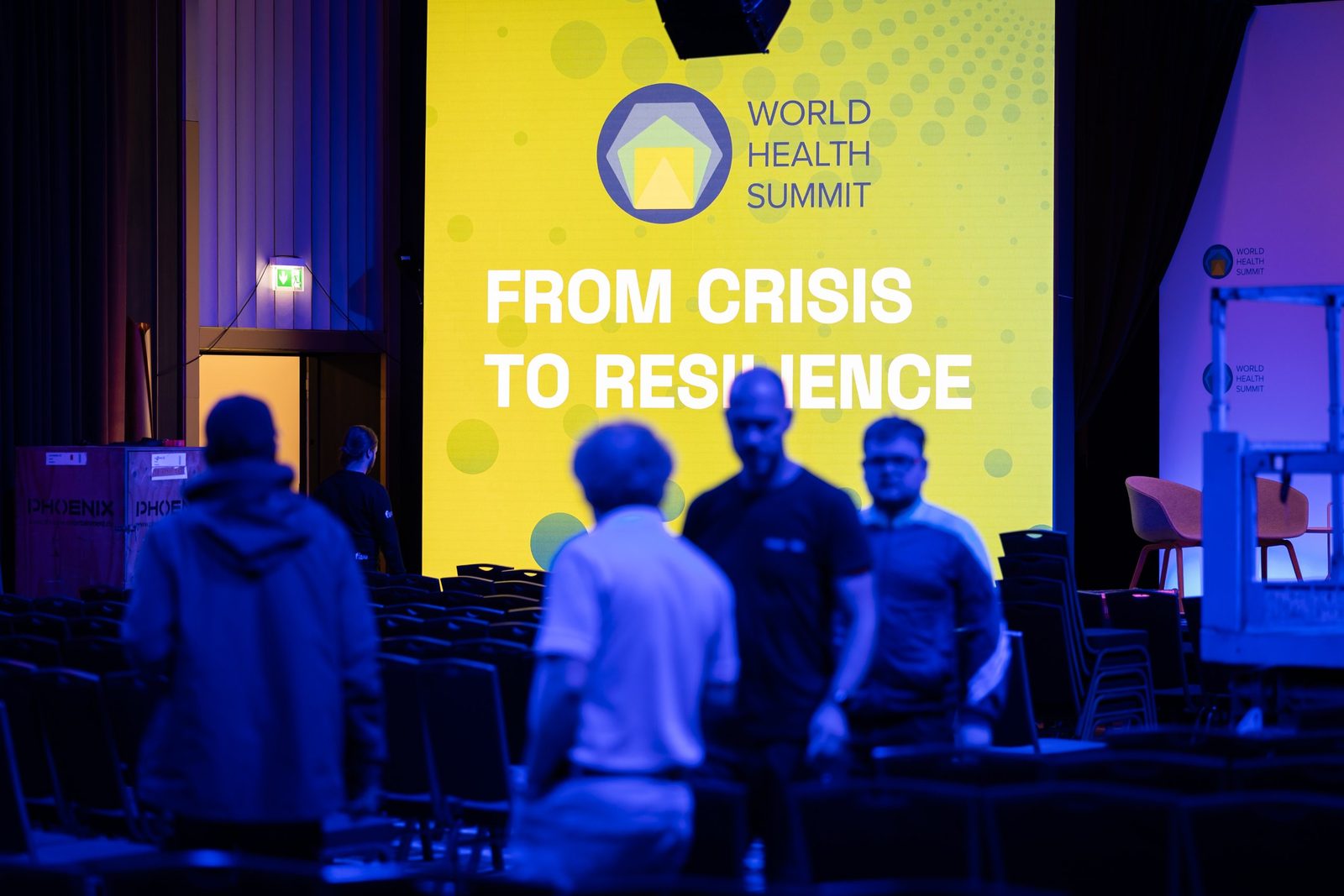
BERLIN – Germany’s top climate civil servant pushed back on Monday against a call from the world’s poorest countries for more climate finance for health. The money fight of COP31 opens officially in Antalya, Türkiye, next month. In the halls of the World Health Summit in Berlin, it’s already started.
Less than 0.5% of climate finance goes to health, Dr Sidi El Moctar, a Mauritanian health ministry official, told a World Health Summit panel. He wanted to know how the least developed countries, Mauritania included, could get more to address the health crises amplified by climate change.
“We say in French, le financement, c’est le nerf de la guerre,” said the official, who negotiates on adaptation for the Least Developed Countries group at UN climate talks. Money, as the French saying has it, is the “lifeblood of war” – a truism over three decades of UN climate summits as fights over financing dominate proceedings.
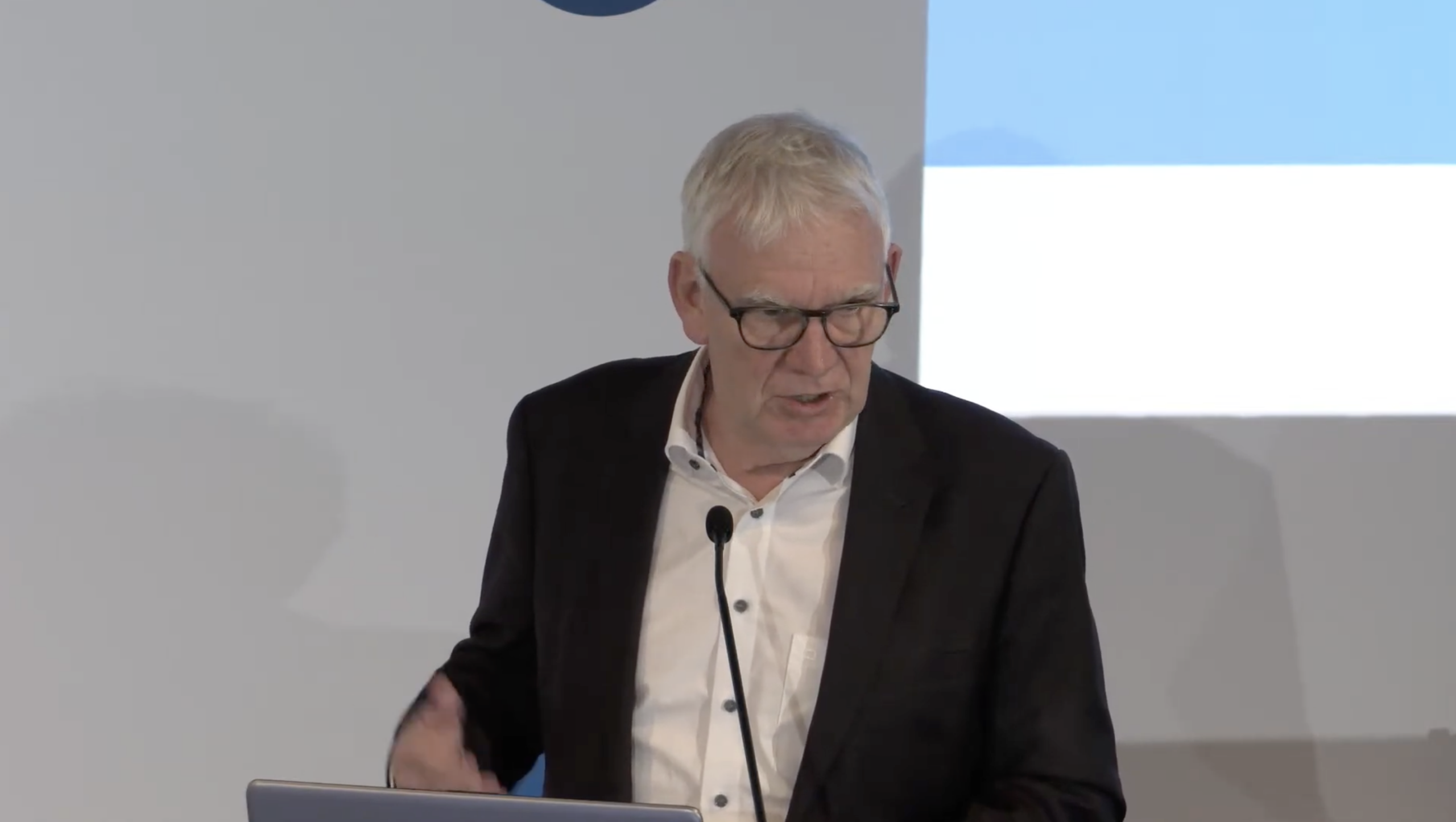
But Jochen Flasbarth, state secretary at Germany’s environment ministry, questioned the number before answering. “I would make some question marks,” he said about the figure, which the World Health Organization (WHO) first published in 2021 and which was still being cited at COP30 in Brazil last year.
Health-specific climate finance reaching climate-vulnerable countries totals roughly $500 million to $700 million a year, about 2% of adaptation funding and the 0.5% of multilateral climate finance the negotiator cited, Health Policy Watch reported at COP30.
“Whenever we work on mitigation, it has an impact also on the health sector,” Flasbarth said. “When you narrow it down to how much money is going to the health sector, like hospitals, medical institutions and so on, then it might be smaller.”
Crunching the numbers
The exchange, cut short as Flasbarth left the panel early for another engagement, previews a critical question for the health world that will return next month at COP31: will global health ever get a serious spot in the climate money conversation?
As wealthy governments count their emissions cuts as health protection, countries on the front line of the climate crisis say the clinics, cold chains and disease surveillance they need to survive heat, floods and outbreaks are unfunded.
A special report from the WHO and Brazil, launched at COP30 in Belém last year, put the cost of direct health adaptation in those countries at more than $22 billion a year by 2035.
The case made by Flasbarth for mitigation as health spending is borne out by critical environmental threats like air pollution from burning fossil fuels, which causes about five million premature deaths a year. Cutting emissions could deliver major health gains and reduce pressure on health systems within years.
“However you quantify this, you come up with very large potential benefits in the near term, over and above the benefits of reducing the risk of dangerous climate change,” said Andrew Haines, professor of environmental change and public health at the London School of Hygiene & Tropical Medicine, who chaired the session. “Health is not just the province of the healthcare sector. So many determinants of health are social and environmental.”
Germany put €4.7 billion of federal budget money into international climate finance in 2025, down from €6.1 billion a year earlier and short of the €6 billion a year successive governments had promised, according to a joint release from Flasbarth’s environment ministry and the development ministry last week. The release does not mention health.
“We’re clearly not doing enough,” EU climate commissioner Wopke Hoekstra told reporters at the pre-COP meeting in Fiji last week, as Pacific leaders pressed wealthy nations for more money.
“The world is expected to cross 1.5°C of global warming above pre-industrial levels in the next few years,” Hoekstra said. “That means we’re talking about survival of the world as we know it.”
In Antalya, health will have no formal negotiating track of its own. Türkiye’s health ministry plans a Health Day on 9 November, the summit’s opening day, and “Dynamic and Resilient Health Systems” is one of 10 themes in the presidency’s action agenda, a voluntary track outside the formal talks.
“There is some progress,” the Mauritanian negotiator said of the push to bring health financing into the climate talks. “But we need more voices in these rooms.”
Fighting over the same money
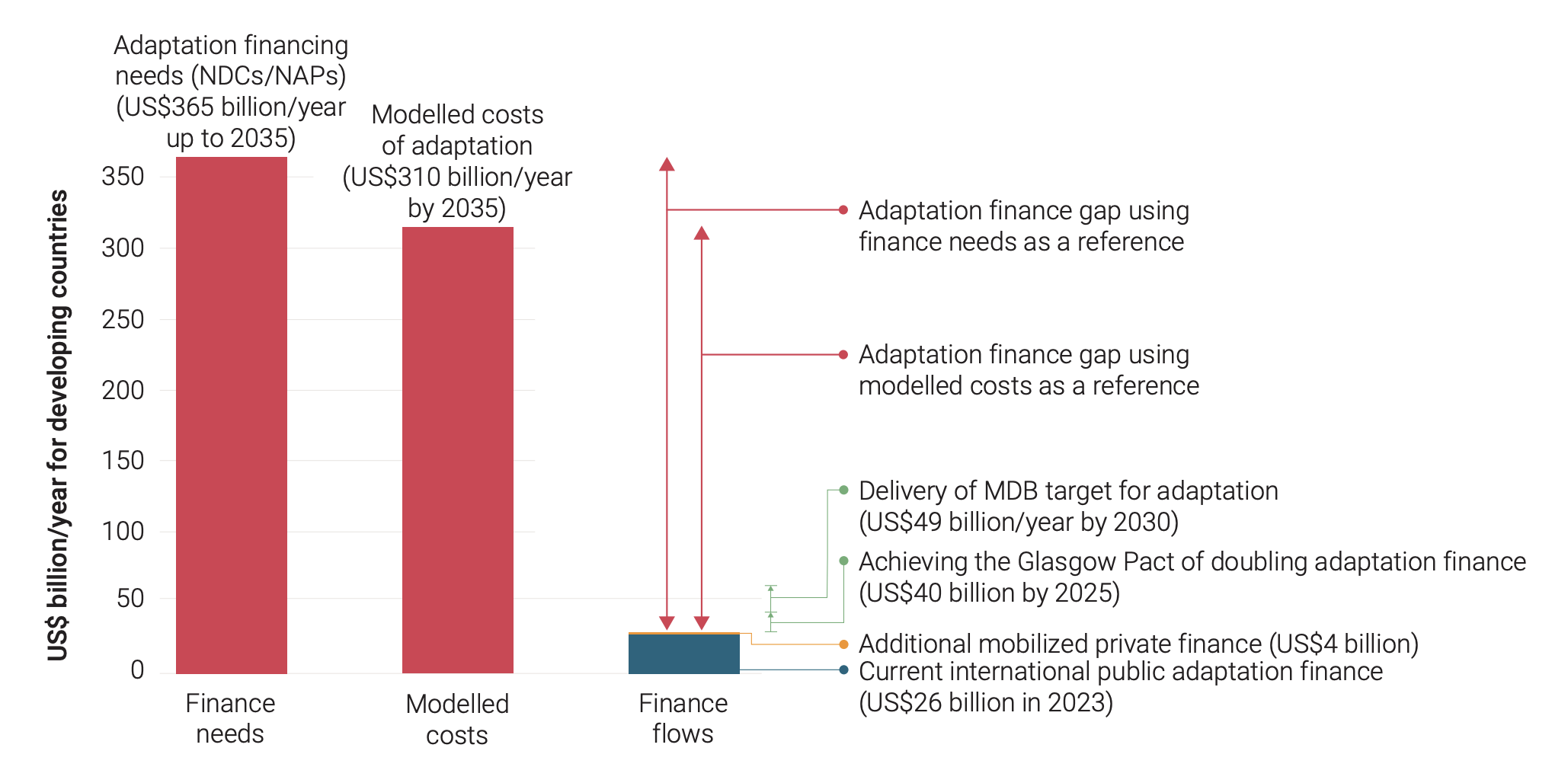
in developing countries, per UNEP data.
Across all of adaptation, developing countries will need $310 billion to $365 billion a year by 2035, including for the climate-resilient health systems they are asking for, the UN Environment Programme estimates. But the international public adaptation finance reaching them in 2023 was $26 billion, down from $28 billion the year before.
A string of newer funds have popped up to chase what money remains as foreign aid and development assistance collapse globally across all sectors. The Pacific Resilience Facility, which entered into force in May, set out to raise $500 million. It had commitments for less than half of that when Fiji added $10 million at the pre-COP in Nadi last week, AFP reported.
The Fund for Responding to Loss and Damage, the headline achievement of COP28 in Dubai, had $822 million in pledges by April but only $449 million paid in. The fund has yet to disburse any money, and despite that, could face “liquidity issues” as early as next year, Climate Home News reported. Campaigners put developing countries’ loss and damage needs at up to $400 billion a year.
“Climate has gone down on the agenda with governments around the world,” said Katrín Jakobsdóttir, the former Icelandic prime minister who chaired the Pan-European Commission on Climate and Health convened by WHO’s European office. “AI and conflicts around the world are higher on that agenda. That does not mean that the climate crisis has gone anywhere.”
Adding to the funding crunch, more than 90% of what development banks provide for health adaptation arrives as loans rather than grants, a major barrier for low-income governments already struggling to service their debts.
In lower-income countries the IMF rates at high risk of debt distress, governments have cut education spending by 8% and health spending by 1% since 2019, the campaign group Debt Justice found in research published on Sunday. In 113 developing countries, servicing foreign debt cost more than education in 2025, according to UNESCO.
Mauritania paid $373 million to service its public external debt in 2024, World Bank data shows. This is more than half the total available health-specific climate finance that climate-vulnerable countries receive in a year.
“In Senegal, half of our revenue goes to creditors,” said Souleymane Gueye of the Senegalese campaign group FRAPP. “Education and healthcare share barely a quarter.”
Combat the infodemic in health information and support health policy reporting from the global South. Our growing network of journalists in Africa, Asia, Geneva and New York connect the dots between regional realities and the big global debates, with evidence-based, open access news and analysis. To make a personal or organisational contribution click the donate button below.