The Parliaments of both Ghana and Senegal are considering harsher penalties for same-sex relationships.
Last month, Ghana’s Parliament had its first reading of an anti-LGBTQ Bill, which is now being considered by its Committee on Constitutional, Legal and Parliamentary Affairs.
Meanwhile, Senegal’s Cabinet approved a Bill for its Parliament last month that will double the maximum penalty for same sex relationships – up to 10 years in prison.
Ghana passed an anti-LGBTQ bill in 2024, but it was not signed into law by the country’s then-president, Nana Akufo-Addo. The current president, John Mahama, was elected in 2024 and has stated his readiness to pass anti-LGBTQ laws.
Ghana’s Human Sexual Rights and Family Values Bill is similar to the one passed in 2024, and contains some of the most wide-ranging legal restrictions on human sexuality.
First off, the Bill aims to criminalise LGBTTQAP+ people. This applies to “a lesbian, gay, bisexual, transgender, transsexual, queer, ally, pansexual or a person of any other sexual orientation that is contrary to the sociocultural relationship between a male and a female”.
Any sexual activities by LGBTTQAP+ people will get a prison sentence of between two months and three years.
Meanwhile, “gross indecency” – defined as a “public show of romantic relations” or “cross-dressing” can get six to 12 months in prison.
LGBTTQAP+ organisations are also banned.
Ghanaians have a duty to report transgressions. The Bill also requires “parents, teachers, religious bodies, media and state institutions” to “promote and protect… human sexual rights and family values” and ensure they are “preserved and integrated into the fabric of national life.”
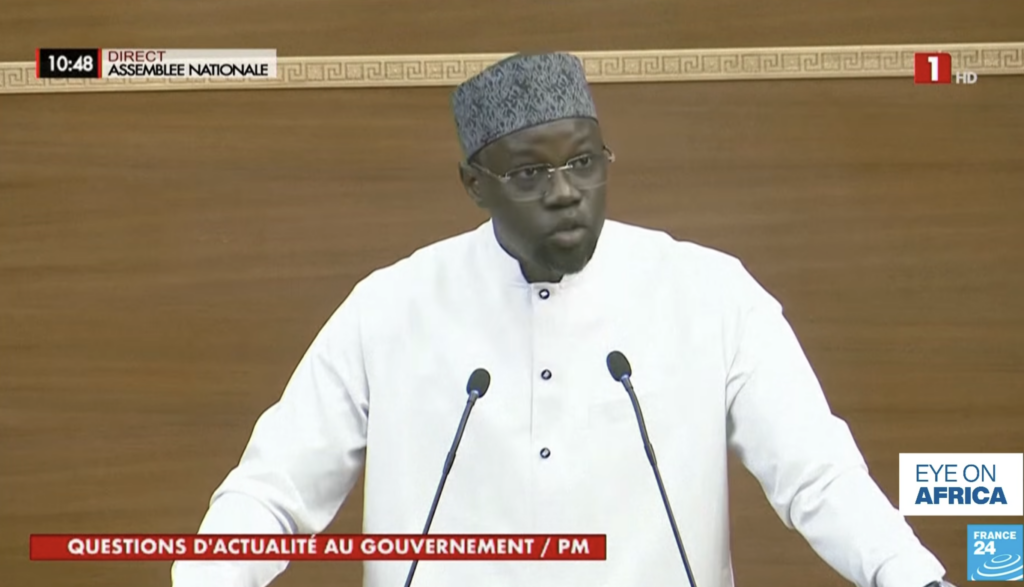
Senegal’s Prime Minister Ousmane Sonko, who also came to power in 2024, told his Parliament that the Bill will punish “acts against nature” with prison sentences from five to 10 years.
Combat the infodemic in health information and support health policy reporting from the global South. Our growing network of journalists in Africa, Asia, Geneva and New York connect the dots between regional realities and the big global debates, with evidence-based, open access news and analysis. To make a personal or organisational contribution click the donate button below.