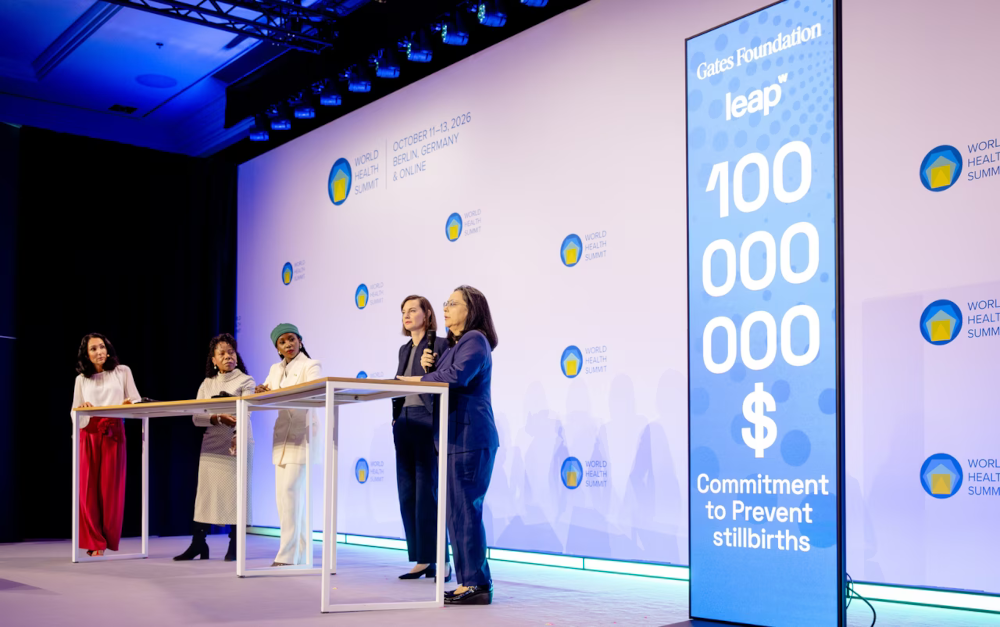
BERLIN – A new $100 million initiative that aims to drive down the global toll of stillborn births has been announced here by Gates Foundation and Wellcome Leap, a spin-off of the UK-based Wellcome Trust. The effort aims to test and deploy a new package of technologies in hospitals and health clinics that would halve the global toll of nearly 2 million stillborn births a year over the next decade, almost half of which occur in sub-Saharan Africa.
Each organization is contributing $50 million during an initial three-year validation phase to deploy the point-of-care technologies in high-burden settings. Together with the African Uzima Foundation, the partners will test and develop a scalable blueprint for halving stillbirth rates across select high-burden countries, expanding later to others. The first official country partner is due to be announced in the coming months.
The initiative will assemble an initial package of diagnostic and monitoring tools by early 2027 to help health workers detect pregnancy complications earlier. The suite includes artificial intelligence-enabled ultrasound, labour monitoring sensors, biomarker diagnostics, and automated clinical decision-support systems. Over 40% of stillbirths occur during labour and could be prevented with timely emergency obstetric care and routine fetal monitoring.
“In most parts of the world, pregnancy care remains in the dark ages, and AI will be transformative not to make clinical decisions, but to help health workers instantly spot who is most at risk,” said Anita Zaidi, president of the gender equality division at the Gates Foundation at the Berlin summit. “The $100 million is not going to be enough to scale, and we will need many other partners joining us to make this a reality.”
Mobilising political leadership for stillbirth prevention
Despite the staggering human toll, stillbirth prevention remains severely underfunded and overlooked within broader maternal and newborn health agendas. Program leaders are inviting health ministers across Africa to shape implementation frameworks that fit directly within their domestic health systems.
“When external resources decline, our responsibility as government to our people should not also decline,” said Kwabena Mintah Akandoh, minister of health of Ghana. “It is our opportunity to step up.”
Organiszrs emphasised that durable health resilience requires dismantling structural inequalities rather than merely managing emergency responses.
Meeting 2030 WHO targets
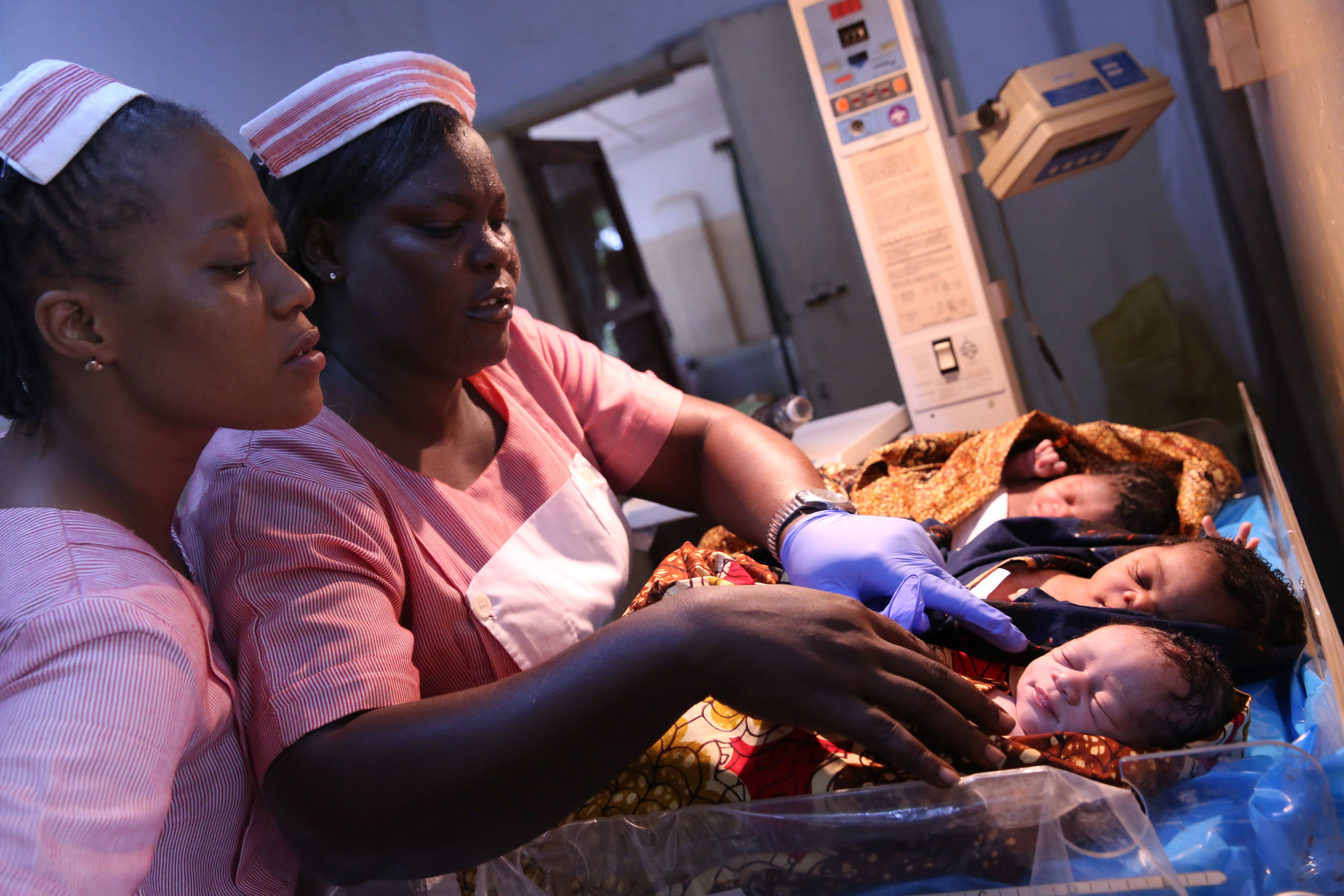
Without more urgent interventions, there will be a cumulative toll of 15.9 million stillbirths between 2023 and 2030, with nearly half concentrated in sub-Saharan Africa, And 56 countries will miss the WHO Every Newborn Action Plan (ENAP) target of 12 or fewer third-trimester stillbirths per 1000 births by the end of the decade.
“I am tired of talking about the data, and it is time we expose the human experience behind these statistics,” said Professor Jacqueline Dunkley-Bent, chief midwife of the International Confederation of Midwives at the Berlin laumch event. “A grieving woman in Nigeria or Germany asks the exact same question: Why did my baby die? Yet, because of where she lives, the health system’s answer will be drastically different.”
Added Wellcome Leap’s Veronica Adamson: “What matters at the end of the day is not how many devices we develop, but how many babies actually go home healthy in the arms of their families.” The Wellcome spinoff, founded in 2020, aims to support “bold, unconventional programs,” that can make a transformational difference to global health and fund them at scale.
From Waiting Room to Labour: How Task-Shifting in Nigeria is Saving Lives
Image Credits: World Bank/Flickr, World Health Summit.
Combat the infodemic in health information and support health policy reporting from the global South. Our growing network of journalists in Africa, Asia, Geneva and New York connect the dots between regional realities and the big global debates, with evidence-based, open access news and analysis. To make a personal or organisational contribution click the donate button below.