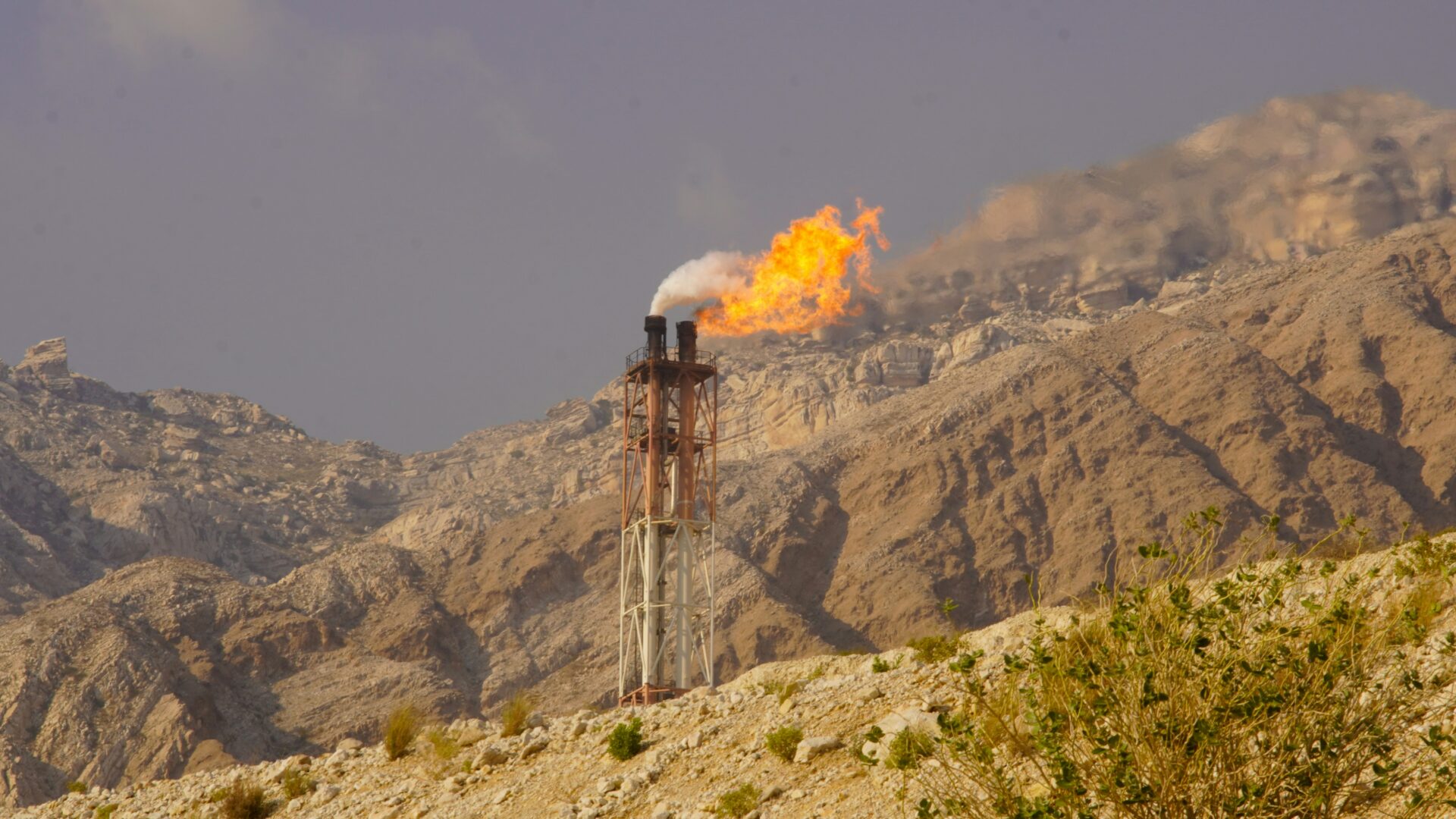
ANTALYA – France is rallying countries to write near-zero methane targets for oil and gas into the COP31 climate deal, as leaders at a summit on Thursday said it was time to move beyond the voluntary pledges on track to deliver little more than a third of the cuts promised under the 2021 Global Methane Pledge.
French Ecological Transition Minister Monique Barbut told the Leaders-Level Non-CO2 Greenhouse Gases Summit that COP31’s overarching decision should call on the oil and gas sector to reach near-zero methane emissions intensity by 2030 at the latest, and to end routine flaring and venting.
“We must go beyond coalitions of willing countries and mere declarations of intent,” Barbut said, proposing that every country in the room sign a short note to the Australian and Turkish COP31 presidencies calling for methane to be included in the decision. “We are ready to share a draft text to that end,” she said.
Barbut said the presidencies had confirmed plans to include methane in the decision, though they have yet to publish any details. Heike Henn, a state secretary in Germany’s environment ministry, backed recognising methane in the negotiated text but did not address France’s specific targets.
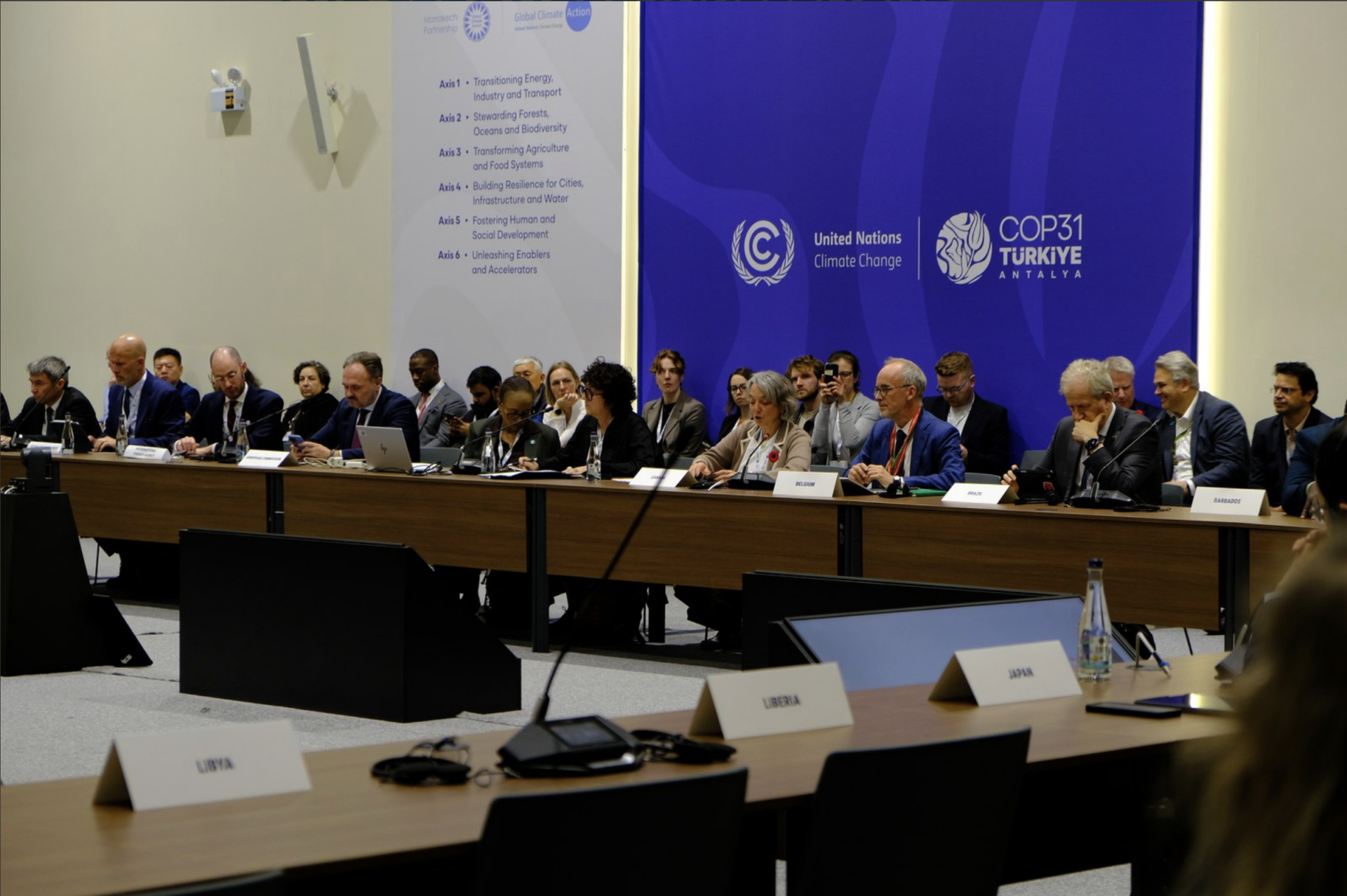
Whether the text will go beyond a general mention of methane to set emissions targets, call for an end to routine flaring or urge governments to advance regulation, is currently unclear. Australian Climate Change and Energy Minister Chris Bowen, who chairs the negotiations, did not mention methane’s place in the decision when he addressed the same summit.
“We don’t know exactly what it is going to say,” Jonathan Banks, chief of programs and advocacy at the Clean Air Task Force, a global NGO, told Health Policy Watch, adding that the likeliest outcome was a broad statement on methane’s importance rather than specific actions for oil and gas, agriculture and waste.
A Global Methane Pledge declaration released on Wednesday, calling on governments to turn commitments into “policies, regulations and investment plans,” drew just seven initial endorsers: Belgium, Canada, Germany, Indonesia, the Federated States of Micronesia, Norway and the United Kingdom.
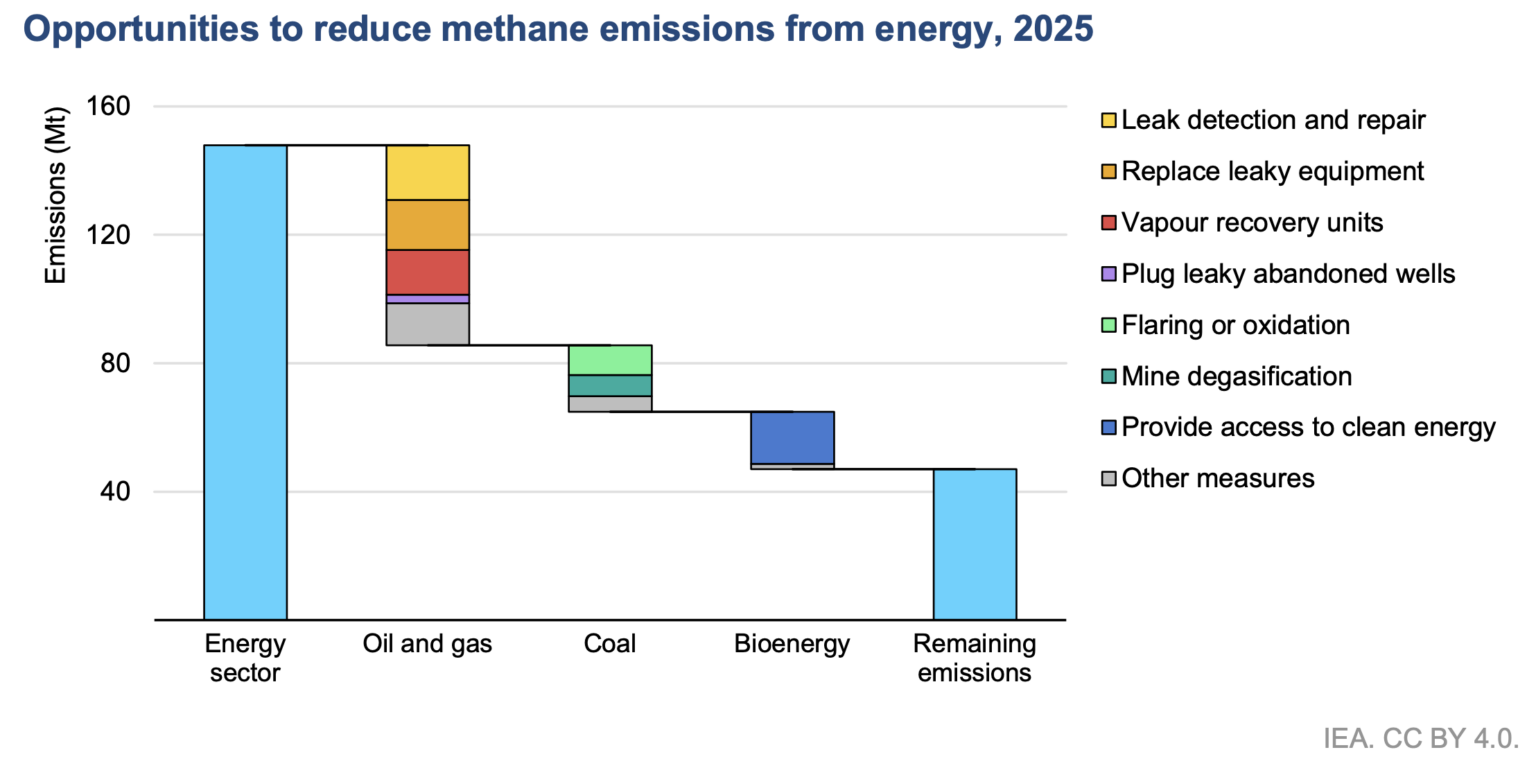
“In a world of suffocating disasters, action on methane offers breathing space,” said Simon Stiell, executive secretary of UN Climate Change. “Seventy per cent of methane emissions in the oil and gas sector can be eliminated using existing technology, much of it at low or no net cost.”
On the agenda, off track
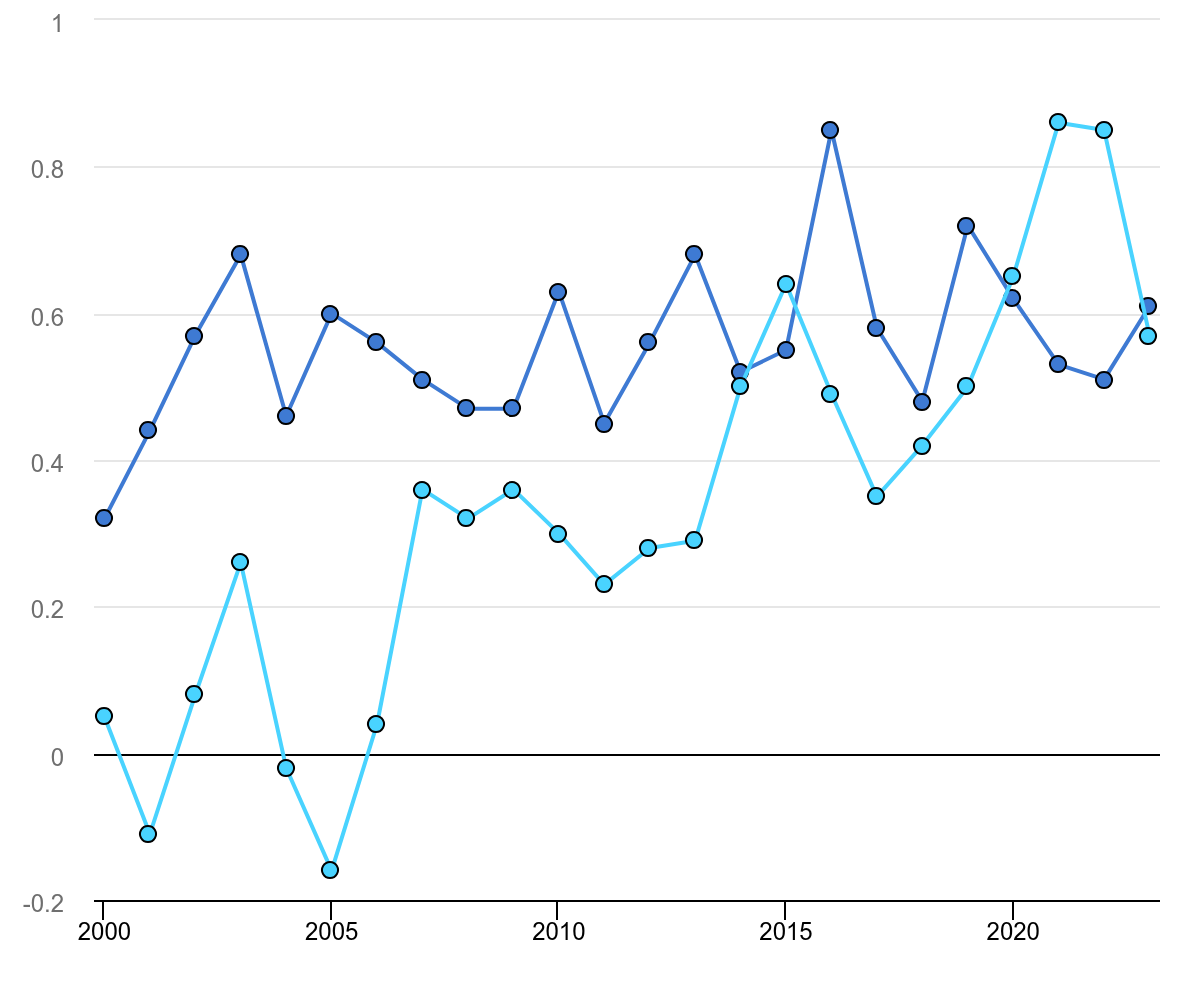
Methane, which has caused nearly a third of global warming to date, according to UN data, barely registered as a climate issue at the turn of the millennium, Banks said. Since COP26 in Glasgow in 2021, most COP decisions have referenced the super pollutant, he said.
Over 20 years, a tonne of methane traps around 80 times more heat than a tonne of carbon dioxide. But unlike carbon dioxide, which can linger in the atmosphere for centuries, methane breaks down within about 12 years, so cutting it can quickly slow the rate of warming. UN officials call such cuts the “emergency brake” on near-term warming.
“It is the fastest lever we have to shave that peak,” said Ana Toni, Brazil’s national secretary for climate change. Despite findings from the UN Environment Programme (UNEP) that methane emissions must fall at least 25% by 2035 and 40% by 2040, “emissions are flat,” Toni said.
Waste, mostly from landfills and wastewater, accounts for about a fifth of human-caused methane emissions, according to the UN. Cutting it is a priority for the Turkish presidency, which has made zero waste and methane reduction one of 10 themes in its action agenda, the non-negotiated track where governments, businesses and cities sign up to practical initiatives.
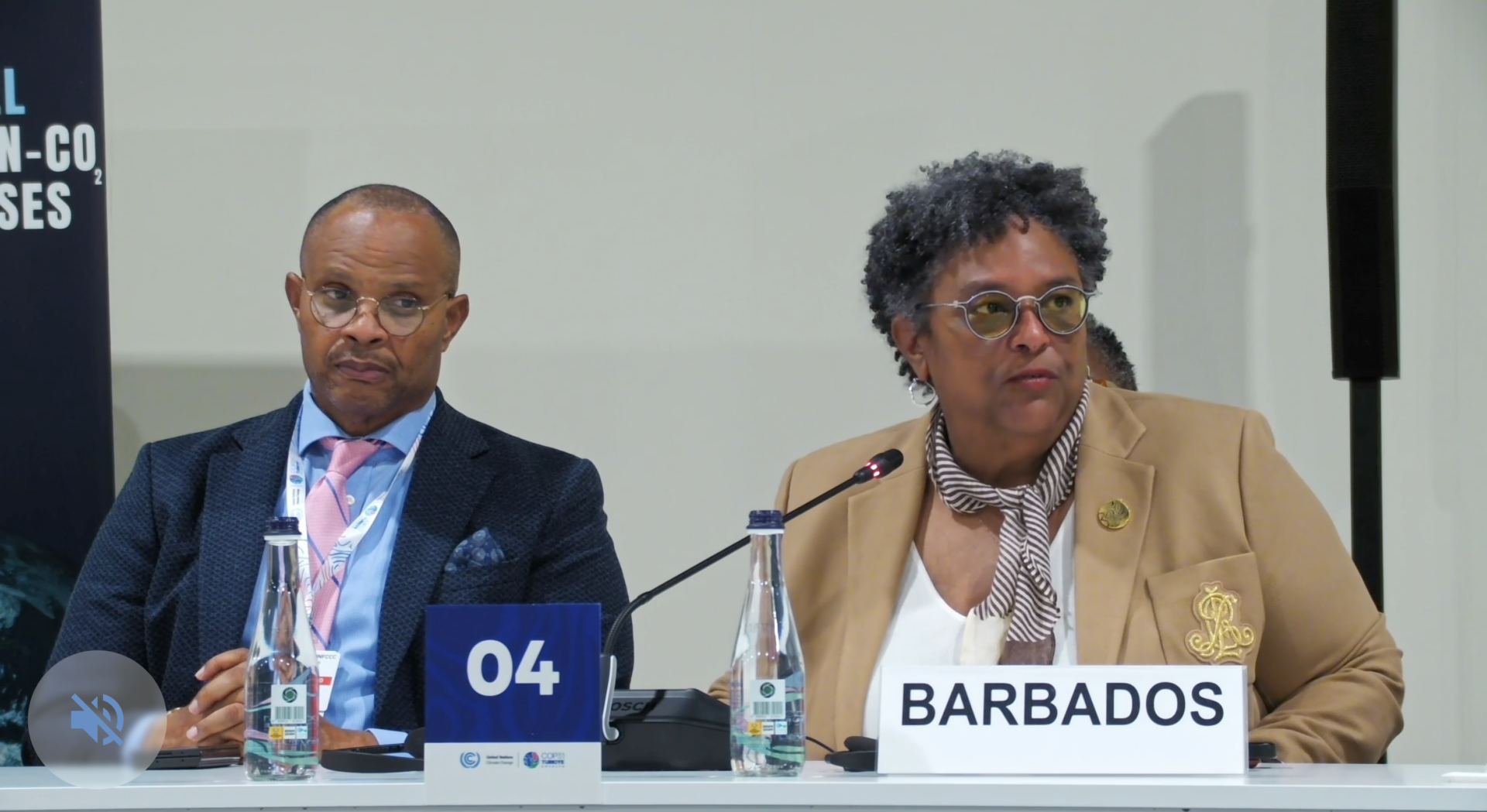
“The issue is: can we get to a legal agreement rather than just a voluntary approach?” Barbados Prime Minister Mia Mottley told the summit, which China, the United Kingdom and Brazil co-hosted.
“We believe that the best way to force it is first and foremost by obviously an international treaty,” Mottley said. “But the structure of these negotiations do not admit of that in one go, and therefore we need to plot out carefully what is the route to an international treaty.”
Flaring at highest level since 2019
Methane emissions from the energy sector showed no sign of falling in 2025, the International Energy Agency (IEA) found in May. Oil producers flared, or burned off, 167 billion cubic metres of gas in 2025, the third straight annual rise and the highest level since 2019, the World Bank reported in June. That gas was worth around $54 billion.
Meanwhile, methane in the atmosphere reached a record 1,948 parts per billion in 2025, more than two and a half times pre-industrial levels, the World Meteorological Organization (WMO) found.
“The fossil fuel industry has the means, the technology, and the responsibility to cut fastest,” UN Secretary-General António Guterres told a leaders’ roundtable on zero waste and methane on Wednesday. “Yet its methane emissions are still rising while regulations are being rolled back or delayed.”
“We can see the pollution, we know who’s responsible, and we know how to stop it,” Guterres said. “Voluntary action is no longer enough.”
Nearly half a billion in new funding
Philanthropic donors pledged more than $480 million on Thursday for methane cuts in energy, agriculture and waste, and for action on black carbon, clean cooking, transport and cooling. It builds on more than $530 million delivered since the Global Methane Pledge was launched in 2021, according to UN Climate Change.
“As we heard from the Secretary-General, the time has passed for voluntary commitments,” said Christie Ulman, president of the Sequoia Climate Foundation, who announced the pledge alongside the Wellcome Trust. “We must work towards binding, funded action.”
Ulman said measures currently embedded in national climate plans would cut methane by about 11% by 2030. The Global Methane Pledge, backed by 159 countries and the European Union (EU), aims for at least 30% below 2020 levels.
Tracked finance for cutting methane fell to $5.2 billion in 2023 from $7.7 billion in 2021, according to the Climate Policy Initiative (CPI) and the Climate and Clean Air Coalition (CCAC). That is about 4% of the estimated $122 billion a year needed to meet the pledge, the analysis said.
Targets outrun results
Despite the shortfall, not every source of methane needs outside money, Banks said. Fixing leaks in oil and gas rarely does, because the gas that escapes is the product companies sell.
Finance is instead most needed in less profitable areas such as waste collection and recycling in Africa, he said, and he expects much of the philanthropic money to go into designing and implementing policy rather than infrastructure.
Less than a third of municipal waste is collected in sub-Saharan Africa, and more than 70% is dumped in the open, explained Nardos Bekele-Thomas, chief executive of the African Union Development Agency (AUDA-NEPAD).
“Half of that waste is organic: food scraps, market waste, farm residues, et cetera. And if they are left in the open dumps, it rots and releases methane,” Bekele-Thomas said. “If it’s burned in the open, it poisons the air of our cities. So in Africa, zero waste and methane are the same conversation.”
African environment ministers have committed to cut the open burning of waste by 60% by 2030 and end it by 2040, Bekele-Thomas said, while an Egyptian initiative launched at COP27 in 2022 aims to treat and recycle half of the continent’s solid waste by 2050.
“These are certainly targets,” she said. “And I say so plainly: they are not yet results.”
‘Matter of survival’
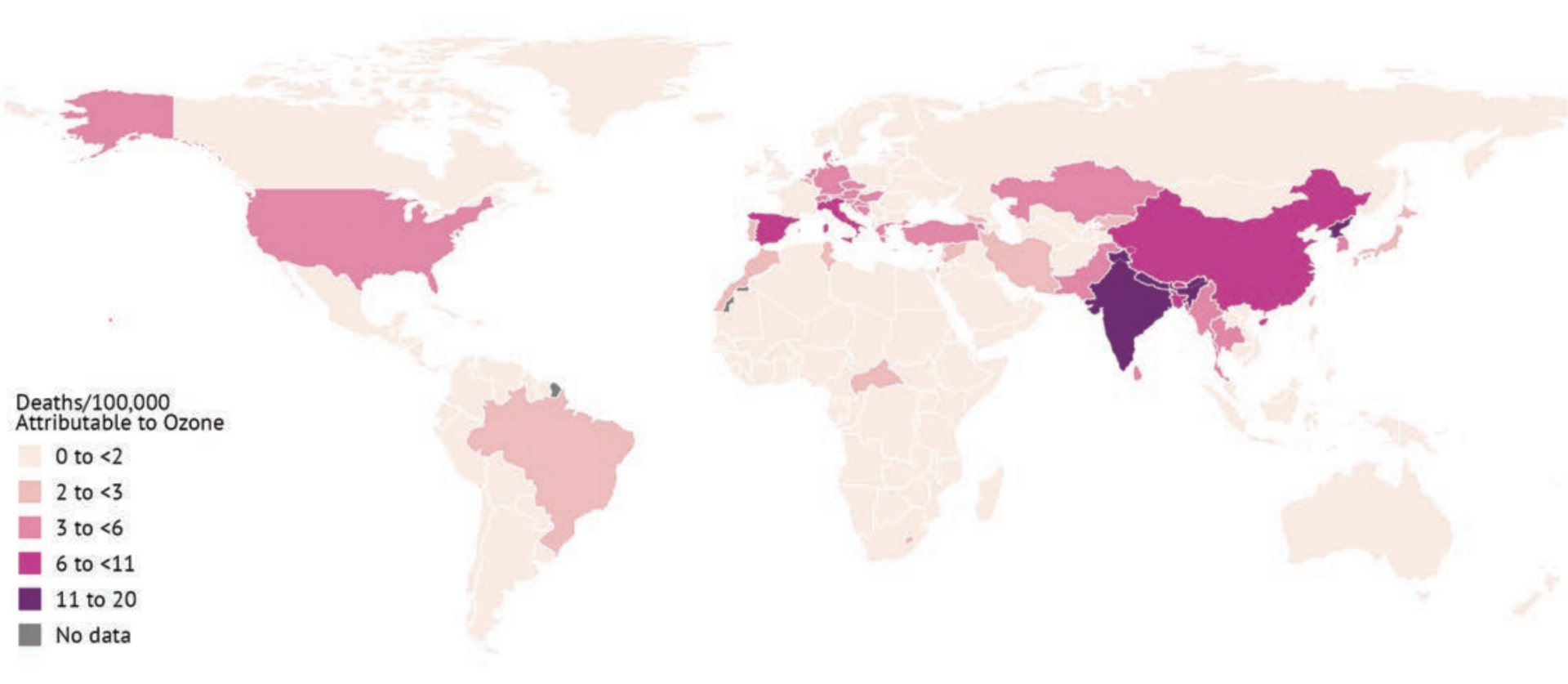
Methane helps form ground-level ozone, a pollutant linked to heart and lung disease that can also trigger asthma attacks. Ground-level ozone was linked to about 489,000 deaths worldwide in 2021, according to the State of Global Air report.
Full use of every available technical fix, enough to cut methane 32% below 2020 levels, would prevent more than 180,000 premature deaths and nearly 19 million tonnes of crop losses a year by 2030, UNEP and the CCAC found last year.
Ulman said the new funding for cleaner cookstoves and transport would cut toxic soot and deliver “immediate healthier air.” Around 2 billion people cook on open fires or simple stoves, a practice linked to 815,000 premature deaths a year, according to the IEA.
Cutting methane and other short-lived climate pollutants (SLCPs) is “a matter of survival,” Jess Beagley, policy lead at the Global Climate and Health Alliance, said in a statement to Health Policy Watch. Failing to invest would waste near-term chances to bring warming back below 1.5°C and to clean up the air “even within a political term,” she said.
“We know which actions need to be taken across energy, agriculture, transport and waste to reduce SLCPs,” Beagley said. “It’s time governments prioritised the interests of the people they serve over the profits of the industry lobbyists.”
Implementation is everything
Much of the progress on methane has come from outside pressure, chiefly from the European Union, Banks said. Because the bloc buys large amounts of gas at high prices, its methane rules push exporters such as Nigeria, Ghana, Egypt and Kazakhstan to cut emissions so their exports can still be sold.
Kazakhstan has cut gas flaring by 87% since 2012, according to the World Bank. Had anyone told him two decades ago that he would be working with Kazakhstan’s government, “I’d probably say you’re crazy,” Banks said.
In the United States, which sent no official delegation to Antalya, the Environmental Protection Agency (EPA) proposed last month to scrap a programme for reporting large leaks and to relax limits on routine flaring of gas produced alongside oil.
Banks said US gas companies are likely to keep investing in methane controls despite the rollback in order to maintain access to global markets like the EU.
Yet the EU itself has proposed a one-year delay to rules requiring importers to report the methane linked to their oil and gas from January 2027. Given the bloc’s pull on exporters, Banks said, any delay in Europe matters.
“The biggest barrier is implementation,” Banks said. “I could write you the best policy in the world, but if it hasn’t been implemented, it doesn’t mean anything.”
Image Credits: Unsplash , IEA.
Combat the infodemic in health information and support health policy reporting from the global South. Our growing network of journalists in Africa, Asia, Geneva and New York connect the dots between regional realities and the big global debates, with evidence-based, open access news and analysis. To make a personal or organisational contribution click the donate button below.