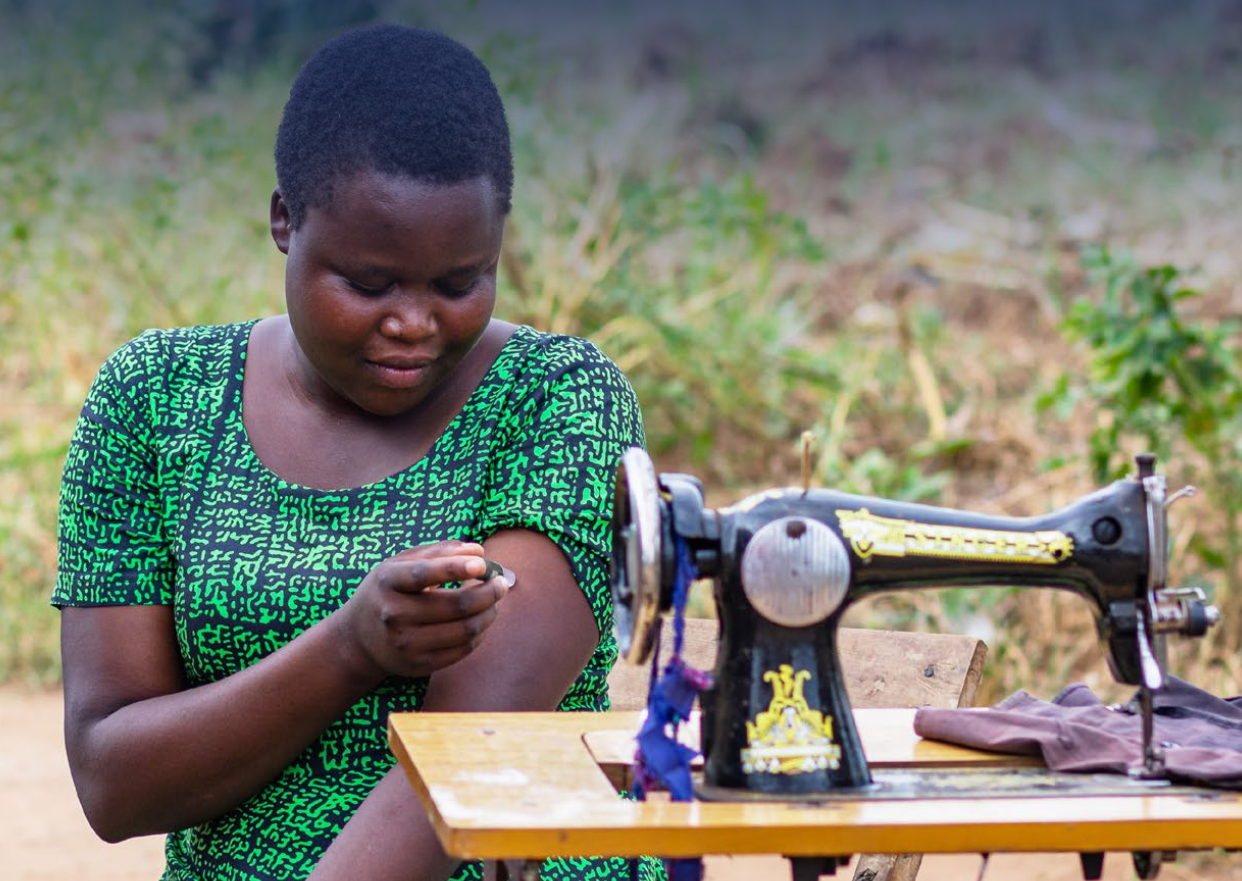
The guidelines publication coincided with World Diabetes Day, where the World Health Organization (WHO) aims to support countries in tackling the growing inequities in diabetes care.
Before the discovery of insulin over a century ago, type 1 diabetes (T1D) was a death sentence. People with the condition, where the body produces little or no insulin, require lifelong daily insulin treatment to survive.
Yet in many low- and middle-income countries (LMICs), survival remains closely linked to the strength of the health care system. Limited access to insulin and blood glucose monitoring, shortages of trained health care workers and high out-of-pocket costs continue to result in preventable morbidity and premature mortality, according to the WHO.
In humanitarian crises and emergency settings, access to insulin may be even more complicated, leaving people living with T1D particularly vulnerable.
In these fraught settings, interrupted supply chains, unreliable refrigeration – necessary for insulin storage – and limited health worker experience in insulin management can reduce diabetes care to life- or death situations.
With these inequities in mind, WHO has published its first dedicated guidelines on insulin use for adults with type 1 diabetes in a wide range of environments, including humanitarian settings.
“Ultimately, the goal is simple: to help ensure that everyone living with type 1 diabetes can access quality, lifesaving care, wherever they live,” said Dr Bianca Hemmingsen, technical lead for WHO’s Diabetes Programme, in a statement to Health Policy Watch.
Addressing inequities

The guidelines seek to address longstanding inequities in access to diabetes care through recommendations for diagnosis, insulin use, and glycaemic monitoring. The guideline is intended to support health care providers, policymakers, and humanitarian organizations in ensuring care for adults with T1D.
Out of the 14 recommendations WHO makes, it strongly recommends one: Use intensified insulin therapy – multiple daily injections with dose adjustment to blood glucose values – for adults with T1D.
The guidelines also recommend regular monitoring of blood glucose levels. In clinical settings, this could mean a regular blood test that shows average blood sugar levels over the past few months. At home, WHO recommends checking levels with a finger prick test or a continuous glucose monitor, through a small sensor worn on the skin. Where blood glucose testing is not available, urine glucose testing can be considered, WHO said in a press release, accompanying the technical document.
Global burden
Premature mortality caused by diabetes has continued to increase in recent decades, unlike other major non-communicable diseases (NCD), cardiovascular and respiratory diseases and cancer.
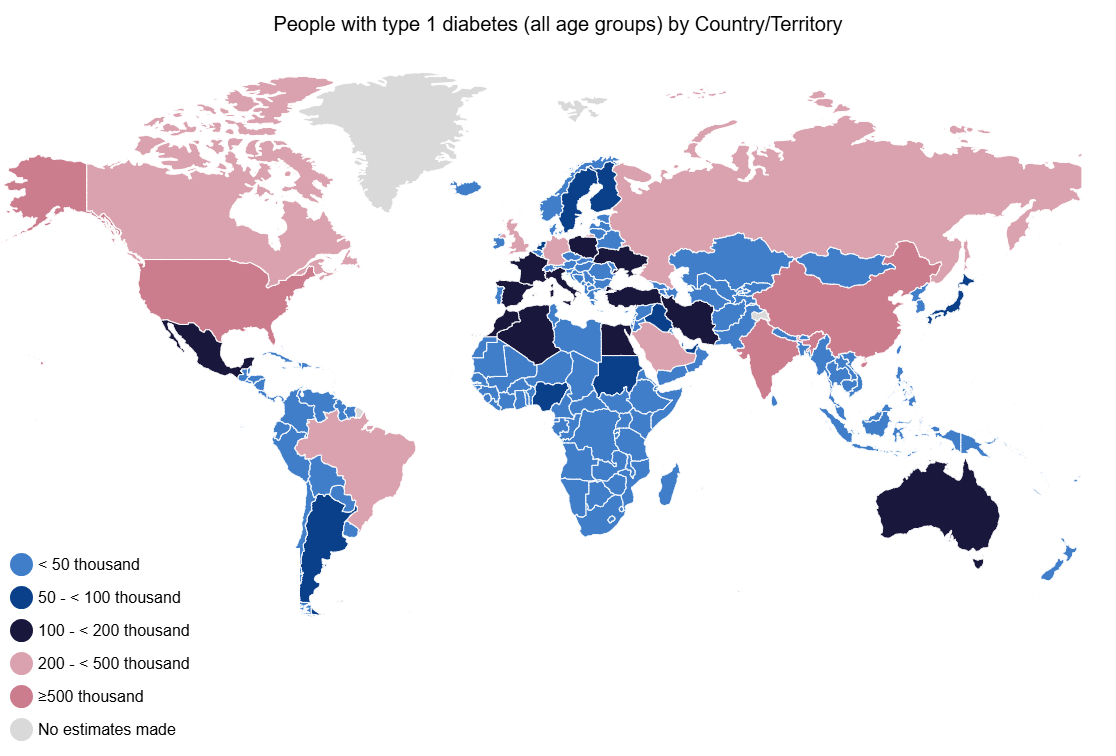
An estimated 9.5 million people were living with type 1 diabetes globally in 2025, with more than 500,000 new cases diagnosed that year, according to WHO. Although the condition has historically been associated with childhood and adolescence, up to half of all people with type 1 diabetes are diagnosed in adulthood.
Unlike type 2 diabetes, T1D is an autoimmune disorder in which the body’s immune system attacks insulin-producing cells, meaning the body produces little or no insulin. This leads to high blood glucose levels, requiring daily insulin treatment to survive.
Along with the challenge of accessing insulin at all, people with type 1 diabetes frequently experience “fragmented care, limited access to specialist support and inconsistent follow-up, increasing the risk of acute metabolic complications and long-term complications,” WHO said in the guidelines’ executive summary.
“For people with type 1 diabetes, insulin is a matter of survival. More than a century after insulin was discovered, where a child is born still largely decides whether they will live a long, healthy life with the condition,” said Dr Peter Schwarz, president of the International Diabetes Federation.
“The Type 1 Diabetes Index estimates that the remaining life expectancy of a 10-year-old diagnosed in 2025 ranges from just 6 years in very disadvantaged countries to more than 60 in others,” he explained in a statement to Health Policy Watch.
Particularly in low-income settings, up to 40% of type 1 diabetes cases may initially be misdiagnosed with the more common type 2 form of diabetes, delaying care and undermining treatment, Schwarz added.
In response, the WHO launched the Global Diabetes Compact in 2021 – an initiative to respond to the rising impact of diabetes worldwide. In 2022, WHO member states endorsed five global diabetes coverage targets, including a commitment that 100% of people with type 1 diabetes should have access to affordable insulin and blood glucose self-monitoring by 2030.
Intensified insulin therapy
Existing clinical guidance on insulin use has largely been developed by health systems in high-income countries, often assuming reliable supply chains, access to advanced monitoring technologies and specialist-led care.
WHO’s new global guidelines seek to provide recommendations that can be adapted across different levels of health system capacity. Key among those include:
- A strong WHO recommendation for intensified insulin therapy for adults with T1D. The regimen typically involves three or more daily injections, combining a basal insulin dose – which maintains glucose levels throughout the day – with additional doses of bolus insulin around mealtimes. Doses should be adjusted according to blood glucose readings, carbohydrate intake and physical activity.
- Regular blood glucose monitoring and education to ensure people with type 1 diabetes can safely adjust their own insulin doses, particularly where access to trained health care professionals is limited.
- In terms of insulin types administered, the guidelines note that while both human insulin and insulin analogues may be used, human insulin may be preferred in settings where it is more affordable.
WHO also recommends considering insulin pens over syringes, although the recommendation is conditional and based on very low-certainty evidence. The guidelines recognize that syringes remain an effective delivery option where pens are unavailable.
For monitoring, WHO recommends testing of glycated haemoglobin (HbA1c) levels, an indicator of glucose levels in the blood, at intervals of up to three months, with an HbA1c target of 7% or lower for most adults. It also recommends considering finger-prick blood glucose testing or continuous glucose monitoring, including both real-time and intermittently scanned devices. Where blood glucose testing is unavailable, urine glucose testing may be used as an alternative.
Humanitarian and emergency settings
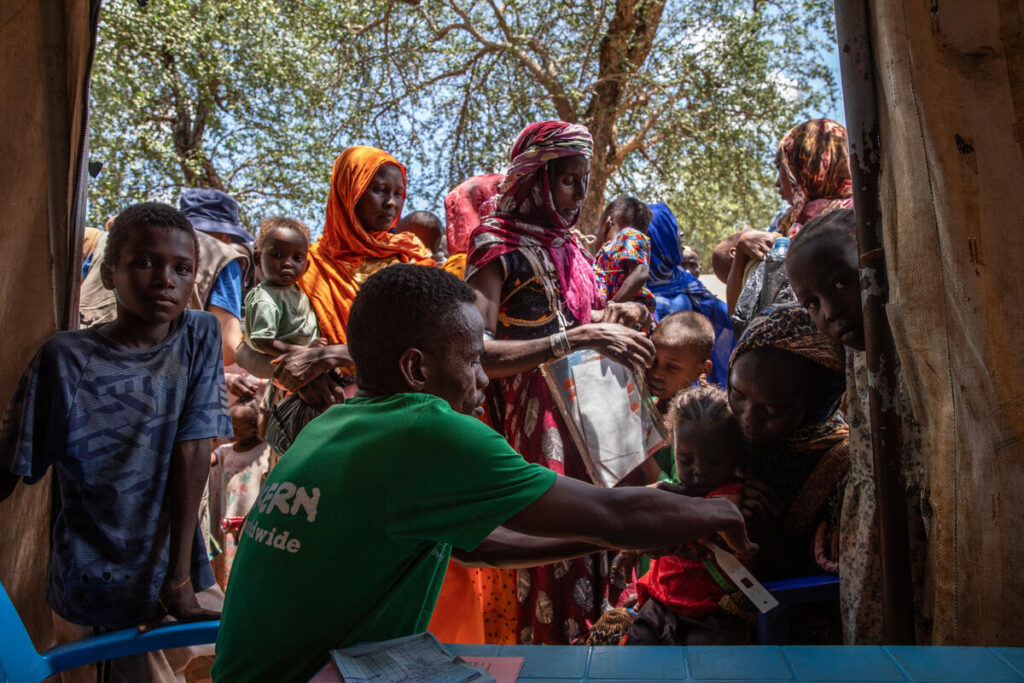
The guidelines give particular attention to the challenges of maintaining insulin treatment during humanitarian emergencies, when conflict, displacement and damage to health infrastructure can disrupt access to medicines and routine health services.
For people with T1D, an interruption in insulin treatment can quickly become life-threatening. Yet humanitarian responses have historically prioritized acute health needs, with chronic conditions such as diabetes often receiving less attention. Displacement can also leave people without their insulin, monitoring supplies or access to health care providers.
In Sudan, where a vicious civil war has raged since 2023, humanitarian partners have worked to deliver life-saving insulin.
“Sudan’s healthcare system has suffered severe disruption, with over 60% of facilities rendered non-functional and essential medicine supply chains critically affected,” the International Diabetes Federation said. “For people living with diabetes, the collapse of the national power grid has posed an acute threat to insulin availability due to strict cold-chain requirements.”
Against this backdrop, WHO still recommends that health care providers consider intensified insulin therapy for adults with T1D in emergency and humanitarian settings, where feasible. However, it acknowledges that maintaining this regimen may not always be possible when supplies are interrupted. Providers should therefore have contingency plans to transition people living with diabetes temporarily to simpler insulin regimens.
The guidelines also acknowledge that treatment options in humanitarian emergencies may be constrained by the availability and affordability of insulin and delivery devices. While human insulin is generally preferred because it is less expensive, WHO says choices must also account for the reliability and sustainability of local supplies. Ensuring access to blood glucose monitoring, training health workers and helping people living with diabetes manage their own treatment will be critical, particularly where specialist care is limited.
WHO cautions that the evidence underpinning the recommendations comes largely from outside humanitarian settings, leaving continued gaps in understanding how best to implement recommended practices during emergencies.
The guidelines call on countries to incorporate the recommendations into national diabetes policies, essential medicines lists and health worker training programs.
“WHO will help countries turn these recommendations into actions by providing practical tools and guidance to track progress. Countries are also encouraged to actively involve people with type 1 diabetes in designing, implementing and evaluating diabetes programmes,” WHO said in its press statement accompanying the guidelines’ release.
Image Credits: WHO / Badru Katumba, isensusa/Unsplash, International Diabetes Federation, © WFP/Gabriela Vivacqua.
Combat the infodemic in health information and support health policy reporting from the global South. Our growing network of journalists in Africa, Asia, Geneva and New York connect the dots between regional realities and the big global debates, with evidence-based, open access news and analysis. To make a personal or organisational contribution click the donate button below.