
Toxic chemicals cross the human placenta to drive irreversible reproductive and developmental harm, a landmark WHO and UNEP assessment presented at Geneva’s inaugural Global Framework on Chemicals conference warns. Meanwhile, conservative delegations halted a plan to track gender-differentiated exposures and protect female-dominated workforces.
Routine contact with synthetic pollutants is driving widespread reproductive and metabolic disorders across the globe, the first major UN scientific assessment of endocrine-disrupting chemicals in over a decade warns. Synthesising ten years of clinical and toxicological research, the joint report by the World Health Organization (WHO) and the UN Environment Programme (UNEP) was presented on Tuesday.
Scientists reviewed evidence on hundreds of manufactured compounds found in everyday consumer goods, packaging, and industrial plastics. The findings reveal that daily exposure to these substances now imposes global health-related costs exceeding $1.1 trillion every single year.
Mounting clinical evidence links these chemicals directly to falling fertility rates, impaired brain development, and rising rates of reproductive disorders like endometriosis. Researchers also identified direct biological associations with thyroid malfunction, childhood obesity, metabolic liver disease, and hormone-sensitive cancers.
“These effects can be long-lasting and, in some cases, irreversible,” said Sheila Aggarwal-Khan, director of UNEP’s industry and economy division, stressing that unmanaged commercial chemicals pose escalating risks to both human health and wildlife worldwide.
Exposure begins in the womb
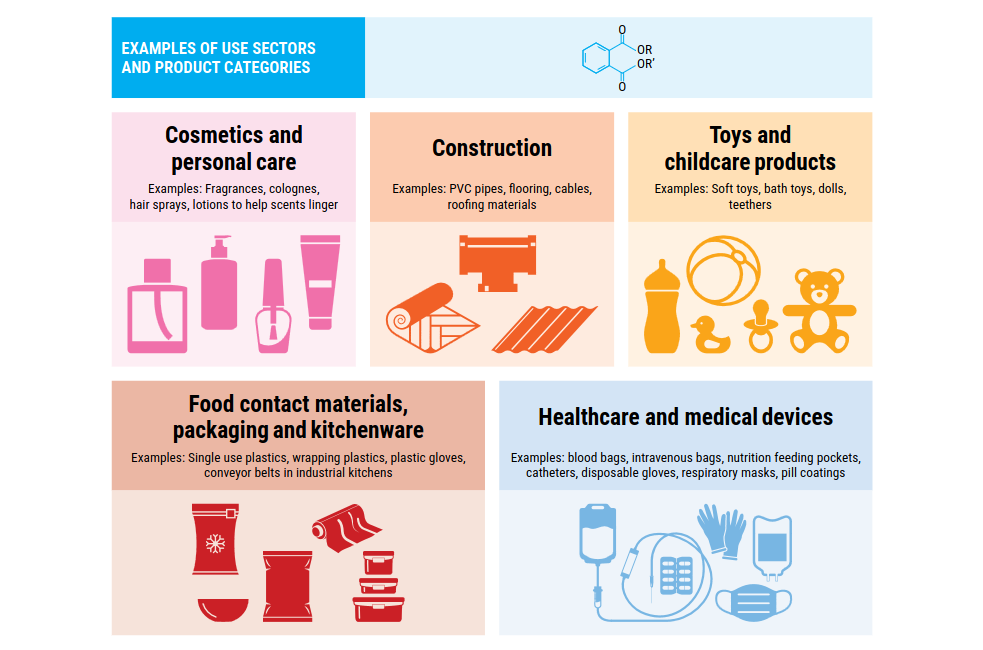
Hazardous additives enter the human body before birth through contaminated food packaging, cosmetics, household textiles, and plastics, the report finds.
Plastic additives and compounds such as phthalates and bisphenols cross the placenta, accumulating in fetal tissue before infants take their first breath. These substances can disrupt hormonal development, with the WHO confirming they are routinely detected “in blood, breast milk, and cord blood.”
“Protecting health means preventing harmful exposures before they occur,” said Bruce Gordon, acting director for environment and climate change at the WHO – an approach he called critical for safeguarding pregnant women and future generations.
More than 350,000 industrial chemicals are registered globally, yet only a tiny fraction has ever been screened for hormonal disruption. The vast majority enter commercial supply chains without basic testing for reproductive or developmental toxicity.
Global framework drives stronger regulatory push
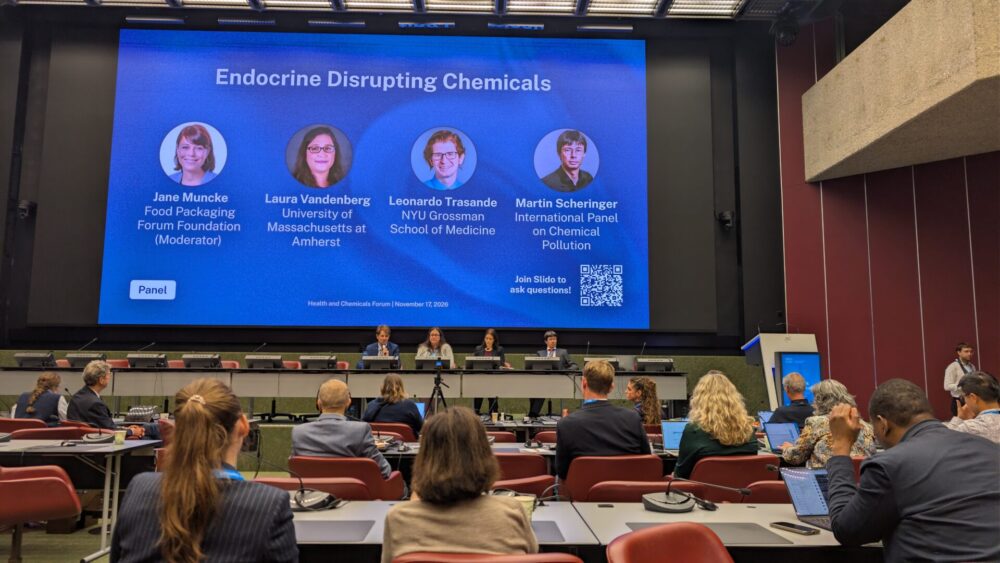
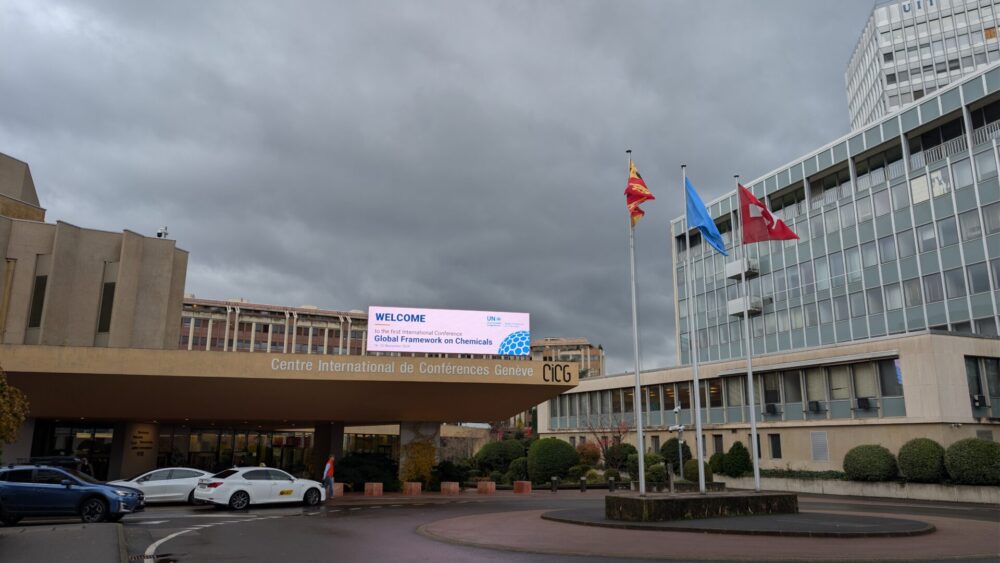
The sobering scientific warnings land as more than 100 governments gather in Geneva for the first conference of the Global Framework on Chemicals from 16 to 20 November. Adopted in Bonn in 2023, the international agreement aims to prevent chemical pollution and phase out the world’s most dangerous industrial substances.
While the framework operates as a voluntary multilateral instrument, it establishes formal targets to overhaul national safety laws and restrict high-risk product ingredients. Delegates are negotiating measurable tracking indicators to hold governments and chemical manufacturers publicly accountable for reducing human exposure.
The framework also establishes dedicated implementation programmes to help developing nations build chemical safety legislation and regulate industrial supply chains. Improving transparency across consumer goods represents a primary objective of the Geneva negotiations, driving voluntary standards to protect human health.
Speaking at the conference’s health and chemicals forum, report co-author Laura Vandenberg warned that existing safety testing regimes fail to protect the public.
“If we were doing a good job at testing, no human would be exposed to something that alters their health,” report co-author Laura Vandenberg told delegates at the conference’s Health and Chemicals Forum – arguing that scientists already hold enough biological evidence to mandate sweeping restrictions without waiting for more data.
To halt generational harm, the report urges governments to mandate pre-market testing and phase out endocrine disruptors across high-contact consumer products.
Dedicated gender plan sparks plenary rift
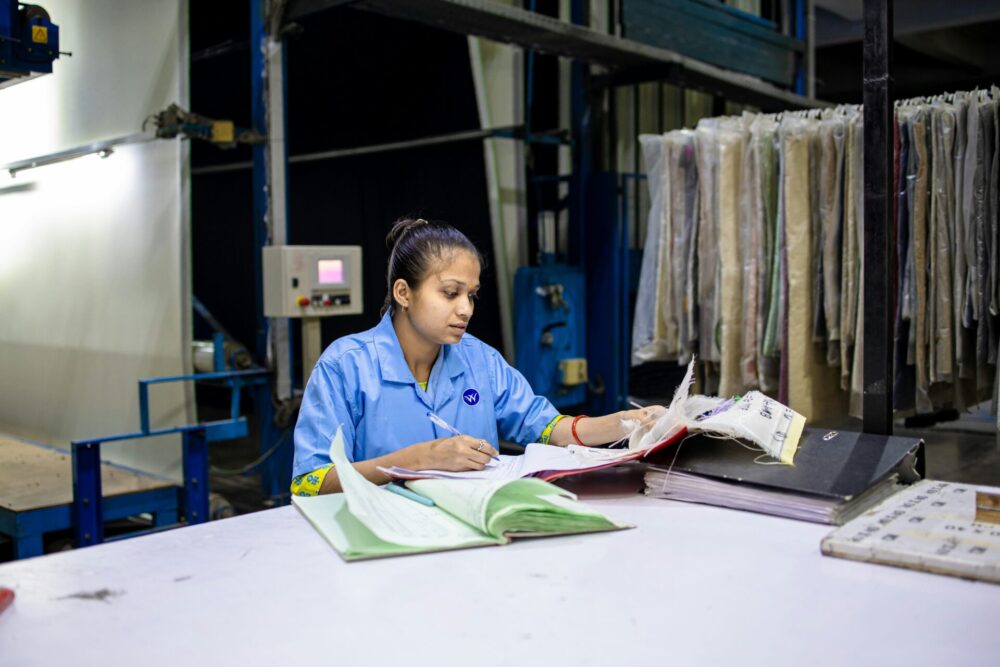
While the WHO and UNEP report documents broad threats ranging from metabolic disease to wildlife decline, it also warns that chemical protection fails unless policies track sex-specific vulnerabilities and gendered workplace exposures. However, as findings circulated the Geneva conference centre hallways, political tension erupted on the plenary floor.
Negotiators met on Tuesday to debate a dedicated Gender Action Plan designed to track differentiated toxic exposures and protect high-risk workers. The three-year strategy urges governments to collect sex-disaggregated health data and eliminate hazardous chemical exposures in female-dominated sectors such as the textile and healthcare industries. It also seeks to promote equal representation for women in national chemicals management and international environmental decision-making.
Labour and health advocates note that hormone disruptors routinely slip through regulatory nets because toxicological testing historically relied on male biological models. While factors like pregnancy and body fat alter chemical toxicity, gendered divisions of labour dictate daily workplace exposure. Without tracking both biological susceptibility and occupational patterns, advocates warn that chemical protection policies will continue to fail women.
Conservative bloc challenges gender mandate
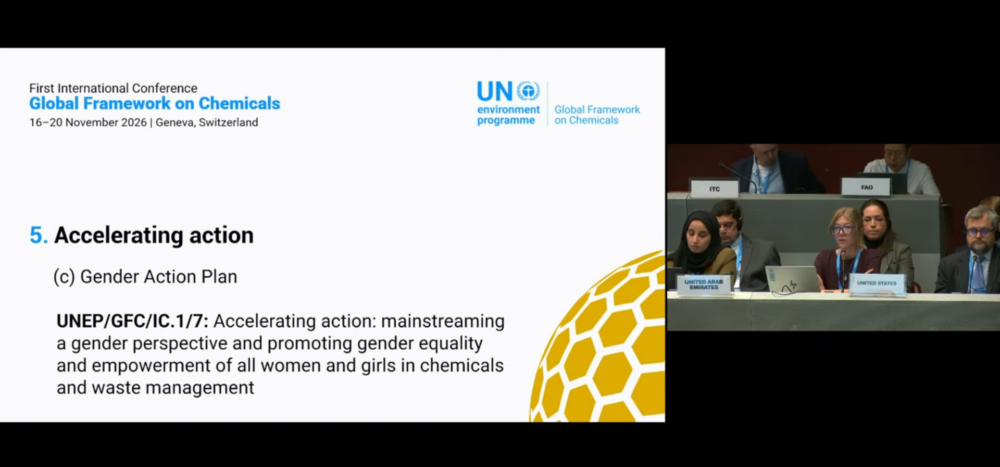
However, the proposal triggered immediate ideological resistance from major powers questioning whether the framework should address gender at all.
Led by Washington, opposing delegations argued that UN environmental bodies must restrict their mandates to basic biological definitions. The US delegates reiterated a sweeping stance to eliminate gender terminology across international environmental agreements. Washington demanded replacing gender references with binary biological sex categories, refusing to join consensus on the proposed gender action plan.
“It is the current policy of the United States to remove gender language from United Nations documents,” the American delegate stated, urging the conference to drop the plan.
Argentina, Russia, and Saudi Arabia joined Washington to form a unified blockade, attacking the plan’s ideology, expanded scope, and administrative burdens. By withholding consensus and rejecting a formal contact group, the coalition stalled the decision and forced informal talks behind closed doors.
Health advocates defend gender-responsive safety
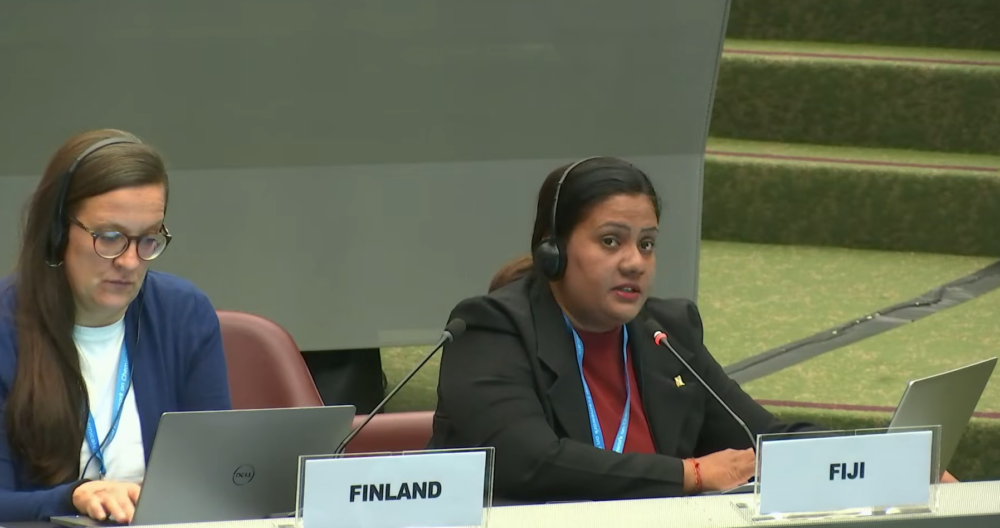
Public health advocates and trade union federations vigorously defended the plan in plenary, arguing chemical threats cannot be detached from workplace realities. They stressed that physical susceptibility and gendered divisions of labour combine to dictate everyday toxic exposure.
“A gender-responsive occupational health and safety approach makes the workplace safe for everybody,” the International Union of Food and Allied Workers declared. Unions warned that an international chemical framework that ignores gender realities is doomed to fail.
Small island developing states pointed out that women in the Global South face extreme, unmonitored chemical hazards. Delegations emphasised that informal waste recyclers and rural agricultural workers routinely handle toxic substances without protective gear.
Speaking for Pacific small island developing states, the Fijian delegate warned that without sex-disaggregated biological monitoring, critical exposure pathways remain invisible to regulators. “A gender-blind indicator measures only half of reality,” she added.
Mexico, Canada, the European Union, and the United Kingdom strongly supported adopting the plan without delay. They argued that mainstreaming gender perspectives strengthens chemical governance and ensures equitable protection across all communities.
Procedural scramble before Friday deadline
Faced with unyielding opposition from four influential capitals, acting conference president Magdalena Frydrych was forced to abandon plans for a formal contact group. These groups require formal mandates and plenary reporting, which the blocking coalition refused to endorse.
Instead, the presidency proposed an ad-hoc informal group behind closed doors. An immediate scramble followed: 24 delegations hit their microphone buttons to demand a seat at the table.
The informal group faces a race against the clock to draft acceptable language before final resolutions are gavelled on Friday. Negotiators must determine whether the gender plan survives as an operational policy or gets stripped of actionable accountability.
The stand-off exposes a stark divide between cutting-edge exposure science and multilateral diplomacy. While UN scientists warned this week of pervasive generational damage across human biology and called for sex- and gender-differentiated monitoring, opposing capitals refused to even allow gender terminology in conference resolutions.
See related story:
Delegates Clash Over Hazardous Pesticide Metrics at UN Chemicals Summit
Image Credits: MART PRODUCTION/Pexels, WHO, Felix Sassmannshausen/HPW, EqualStock, Felix Sassmannshausen.
Combat the infodemic in health information and support health policy reporting from the global South. Our growing network of journalists in Africa, Asia, Geneva and New York connect the dots between regional realities and the big global debates, with evidence-based, open access news and analysis. To make a personal or organisational contribution click the donate button below.