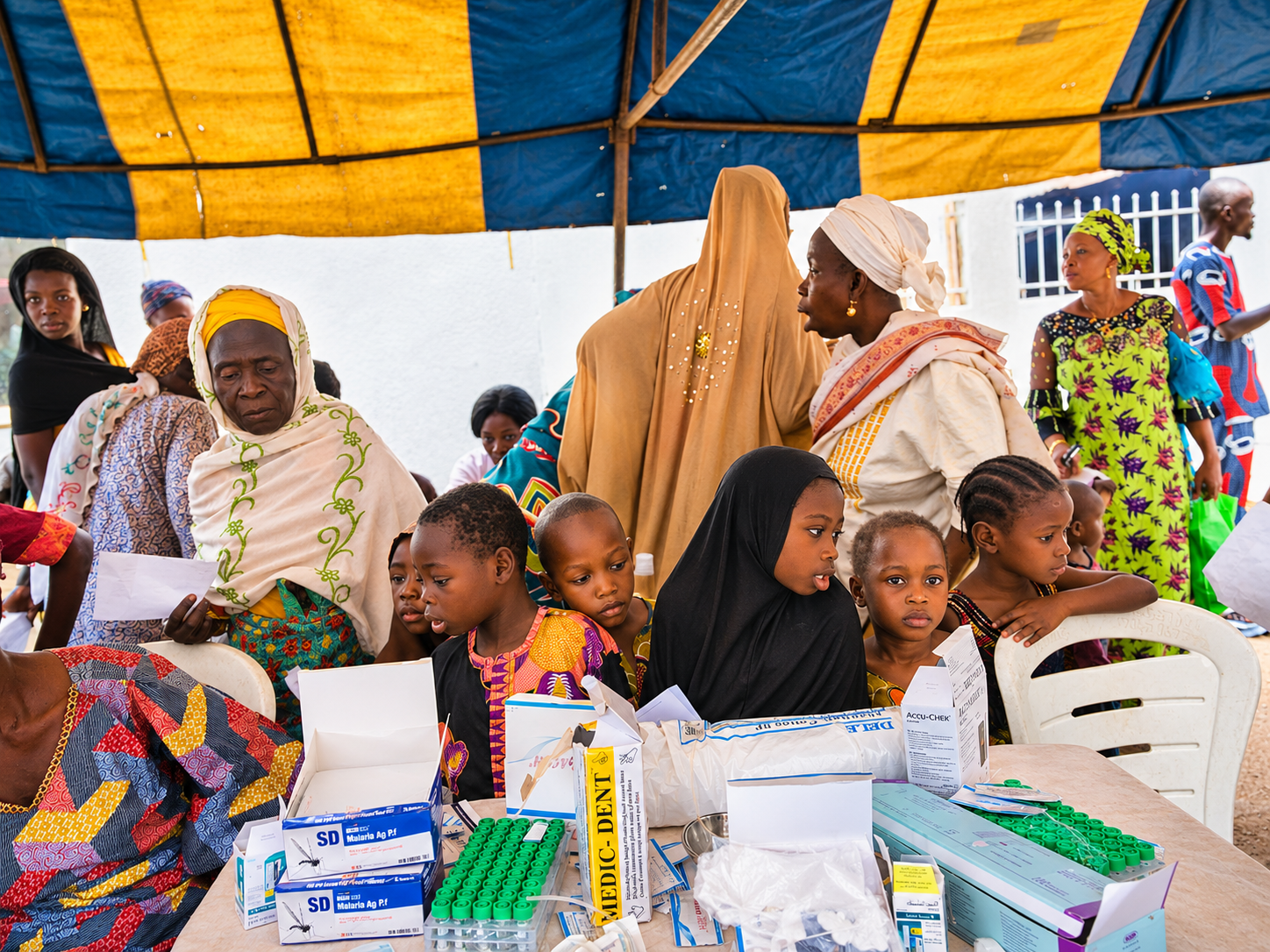
In northern Nigeria, a community organiser still gets calls from families long after a polio project ended. In Ethiopia, volunteers map migration routes, grazing areas and water points to find children formal services miss. As funding falls, countries must decide which parts of the vast eradication system cannot be allowed to disappear.
BAUCHI STATE, NIGERIA – Long after a polio project ended, people in a small settlement in northern Nigeria’s Bauchi State still call Rabi’u Baswua.
Sometimes they want help with a health problem. Sometimes they want to know when another vaccination exercise is coming.
Baswua remembers how different things were when his team first entered the settlement during a polio vaccination mobilisation campaign. One influential household head was firmly opposed to polio vaccination. His objections were partly religious: illness, he believed, came and went according to the will of God. He also distrusted the vaccines’ foreign origins, believing they might be part of an attempt to reduce the local population.
Baswua, Executive Director of Care Bridge Community Development Initiative (CCDI), has spent around 15 years working in community development and health in Bauchi. He knew that another outsider repeating the benefits of vaccination was unlikely to change the man’s mind.
So his team looked for someone the household head already trusted.
They approached a respected Islamic leader from a nearby community, explained the problem and asked him to speak with the family. The religious leader spent several days engaging the household, drawing on Islamic teachings to address the family’s concerns. Eventually, the household head agreed, and members of his family were vaccinated.
The intervention was part of community mobilisation efforts by Baswua’s CCDI, working with Nigeria Health Watch to support polio vaccination in Bauchi State. The initiative formed part of the wider National Immunisation Plus Days, coordinated by Nigeria’s National Primary Health Care Development Agency and its partners. Nigeria Health Watch’s civil-society-led demand-generation project was funded by SCIDaR, the Solina Centre for International Development and Research.
The campaign was only the beginning
What Baswua remembers most is what happened afterwards.
The relationship did not end with the campaign. The community continued calling him about health issues and asking when health workers would return. More than a year later, he said, that connection has remained intact.
For Baswua, that is what makes the final stretch of polio eradication about more than administering vaccines.
“We need to use the people of that area,” he told Health Policy Watch. Communities need people living among them who can be trained and equipped with basic skills, he argued, so that they become the health system’s “eye” inside settlements rather than disappearing when a funded project ends.
For decades, the Global Polio Eradication Initiative (GPEI) has built a worldwide infrastructure around the task of finding and vaccinating every child.
The programme’s infrastructure extends far beyond vaccination campaigns. It includes laboratories, surveillance networks, emergency operations centres, data systems and specialised health workers operating across countries. But it also includes people such as Baswua: local organisations and community networks capable of reaching families that formal health systems may struggle to find or persuade.
In 2024, before the more recent funding cuts, GPEI had an approved annual budget of $1.1 billion, supporting an eradication effort that vaccinated more than 270 million children across 36 countries. Over decades, the initiative had developed what amounted to a parallel public-health system in many countries, with its own financing arrangements, workforce, surveillance networks and operational infrastructure. Although integrated with national health services and implemented through partners including WHO and UNICEF, much of this infrastructure depended on dedicated polio funding rather than countries’ routine health budgets.
African countries asked to chart a course on their own

Now, many countries across the African continent are being asked to preserve those capabilities while the programmes that created many of them operate with less money.
In August 2026, African health ministers adopted a 10-year transition framework to progressively integrate essential polio functions into national health systems. The framework calls for countries to maintain surveillance, laboratory and emergency-response capacity, strengthen routine immunisation and increase sustainable domestic financing.
But the handover is beginning before polio has disappeared.
The African Region was certified free of indigenous wild poliovirus in 2020, but outbreaks caused by circulating vaccine-derived polioviruses continue. These rare viruses can emerge when the weakened virus contained in oral polio vaccine circulates for prolonged periods in under-immunised communities, accumulating genetic changes that can eventually restore its ability to cause paralysis.
In its latest emergency assessment, published on 13 November, WHO reaffirmed that the international spread of poliovirus remained a Public Health Emergency of International Concern. Wild poliovirus continues to circulate in Afghanistan and Pakistan, while outbreaks of vaccine-derived poliovirus persist in parts of Africa, including the Lake Chad Basin and the Horn of Africa. WHO called for sustained vaccination, surveillance and cross-border coordination, particularly among populations that health services struggle to reach.
At the same time, GPEI’s 2026 operational budget was cut by 30% after major reductions in development assistance from longstanding donors. In October, its oversight board approved a 2027 operating budget of approximately $78 million, about $65 million less than in 2026. GPEI acknowledged that the trade-offs already made have affected the speed and scale of eradication work in some places.
The people who remain after the project leaves
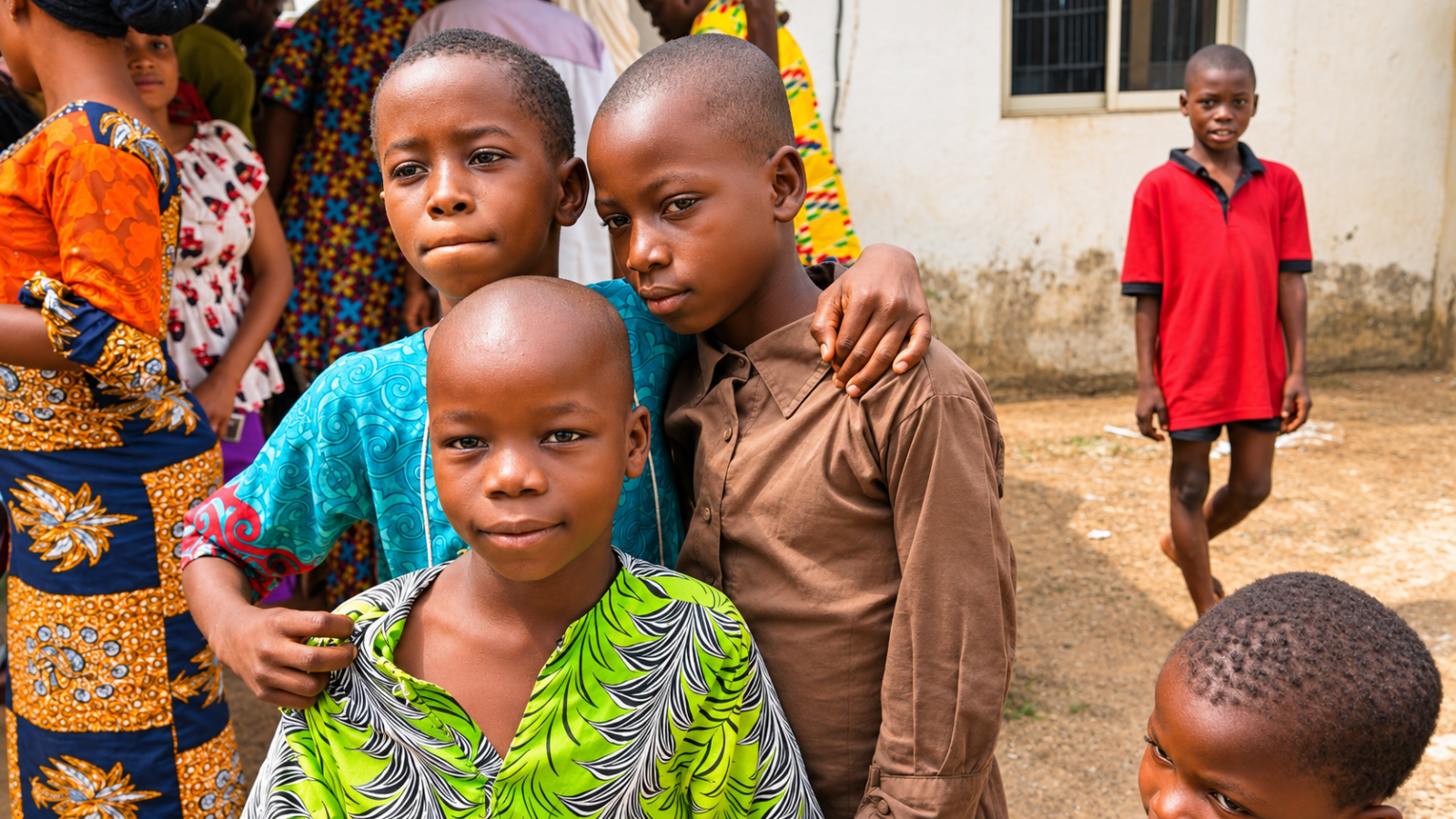
Baswua’s experience in Bauchi illustrates why sustaining polio eradication requires more than transferring equipment or budget lines. Community engagement in polio work is often funded through projects with defined start and end dates. Civil-society organisations are brought in, local people are trained, relationships are established and teams learn which households are repeatedly missed. Then the project ends.
The knowledge accumulated during that period does not necessarily move neatly into the next programme.
Local organisations such as Baswua’s have an advantage: they had established relationships with communities long before becoming involved in polio eradication. Communities knew them. They were able to discuss vaccination through local religious, moral and cultural frames rather than appearing as strangers arriving only when another campaign began.
“Since they know us, we know them,” he said of the communities in which his organisation worked. His concern is what happens when those relationships are treated as temporary.
When donor-funded projects end and established community organisations are no longer involved, years of trust-building and local knowledge risk being lost.
Baswua argues that a more sustainable approach would involve identifying trusted people within individual settlements, equipping them with basic health and surveillance skills, and establishing lasting connections between those communities and the formal health system.
That approach would give programmes something campaign teams often lack: memory.
Someone would know which family moved, which household had objected before, which religious leader had previously resolved a disagreement; and someone would still be there when the next health threat arrived.
When the water is brown, vaccine is not the only issue

Dr Adachi Ekeh encountered another side of the same challenge through Nigeria Health Watch’s SCIDaR-funded polio demand-generation programme in Bauchi and Kebbi states, which worked with grassroots organisations such as Baswua’s.
Ekeh, Director of Strategy and New Business at Nigeria Health Watch, said the project worked through local civil-society organisations because their members already knew the communities: including who had recently given birth, who had repeatedly refused vaccination, and which individuals carried influence inside particular extended families.
The programme used interpersonal engagement, community dialogues and trusted local voices. Nigeria Health Watch says the intervention achieved an 88% resolution rate for recorded non-compliance in Bauchi and Kebbi during the project.
But one of Ekeh’s most revealing encounters had little to do with explaining vaccines.
During a visit to Dawaki in Bauchi State, Ekeh sat with a group of women to discuss vaccination. Afterwards, their leader asked her to follow her to a communal tap.
Ekeh turned it on.
“The water was brown,” she recalled.
Families collected the water and left it overnight so the sediment could settle before using it. The women told Ekeh they had complained about the problem, but nothing had changed. Yet health workers continued arriving at their homes asking them to vaccinate their children.
For some of the women, refusing vaccination had become a way of making another point: if the government could repeatedly find them when it wanted to deliver polio vaccine, why could it not respond when they asked for clean water?
Ekeh said the complaint was escalated through the programme. By the time the team returned during the next phase of its work, roughly two weeks later, the water problem had been addressed. Women who had previously resisted brought their children forward for vaccination.
“That’s what builds trust in the communities,” she told Health Policy Watch.
Unpacking ‘vaccine hesitancy’
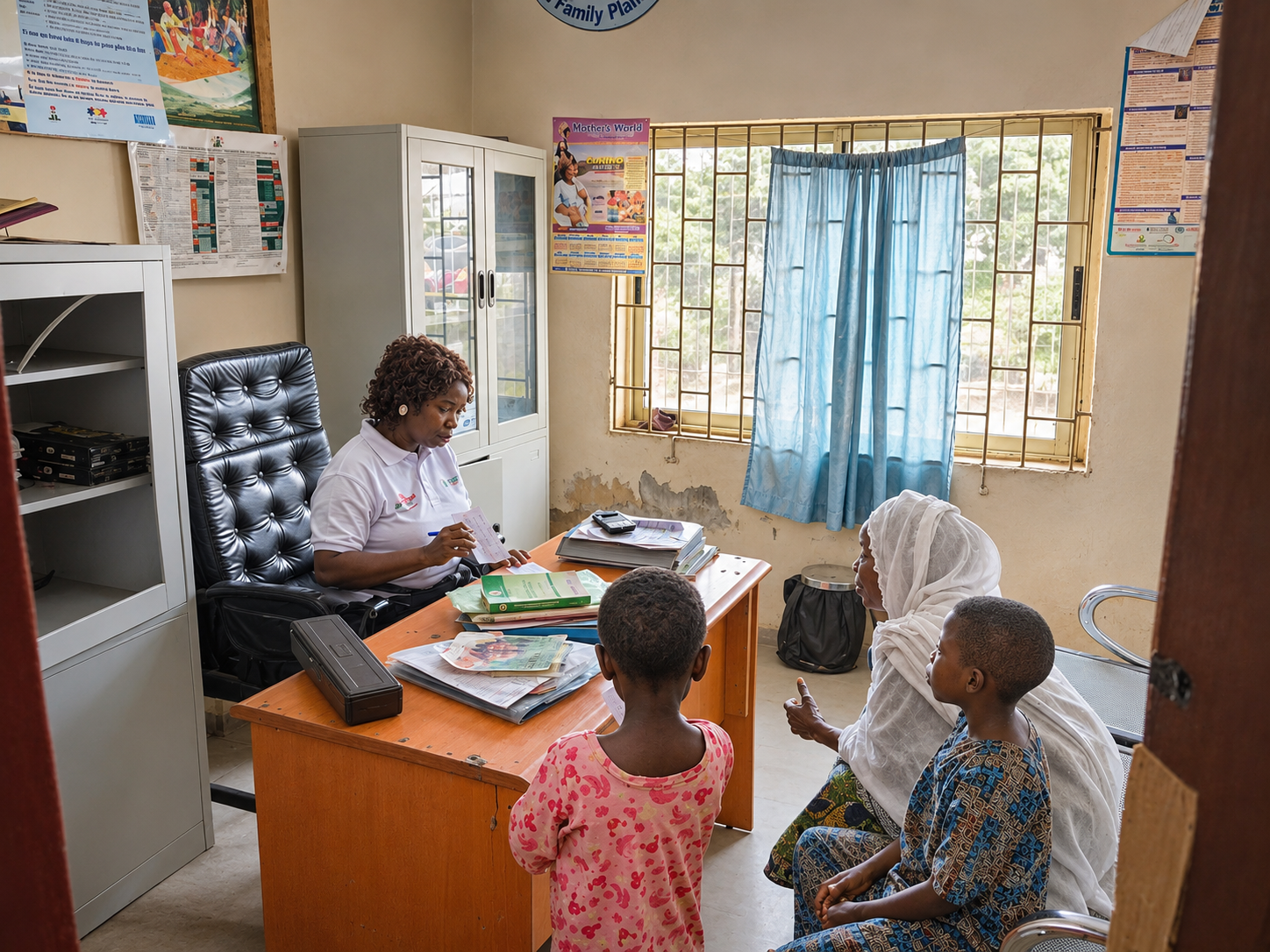
The encounter complicates the familiar language of “vaccine hesitancy”.
A parent may genuinely distrust the vaccine. But another may want vaccination and lack power to decide within the household. A child may live somewhere a team cannot reach safely. A pastoralist family may have moved by the time vaccinators return. Or people may interpret the intensity of a single-disease campaign through their wider experience of a health system that struggles to meet needs they consider much more immediate.
Ekeh described families questioning why a health system could repeatedly bring free polio vaccines directly to their homes. But when a mother sought to treat her sick child, she often had to go to a distant facility. And even then, there might not be a health worker at the outpost, and if there was, she would have to pay for the medicines prescribed.
Mobility makes the problem harder. She described Fulani families who could be present when community workers first engaged them and elsewhere by the time workers returned. Insecurity can halt work entirely. During one intervention in Kebbi, Ekeh said an attack forced people to disperse and disrupted follow-up in the affected community.
Professor Heidi Larson, founder and director of the Vaccine Confidence Project, said programmes need to distinguish between genuine refusal and situations in which the system itself is failing people.
“If the system is failing, you’ve got to work on the system,” Larson told Health Policy Watch. She said asking questions about vaccination should not automatically be treated as pathological reluctance.
Larson has studied the social and political roots of vaccine confidence for decades, including the northern Nigerian polio vaccine boycott of the early 2000s. She said that the crisis was never simply a matter of communities rejecting scientific evidence. Distrust was entangled with local politics, international events, earlier medical controversies, religion and household power. Some women wanted their children vaccinated but were unable to make that decision for themselves.
The context has changed considerably since then. But the experiences described by Baswua and Ekeh show why the last mile cannot be reduced to a simple offer to people to accept two drops of a free vaccine.
The real task is building a relationship that survives long enough for people to believe the health system will also deliver for them in other critical ways – beyond a polio vaccination.
Ethiopia: vaccination in porous border areas
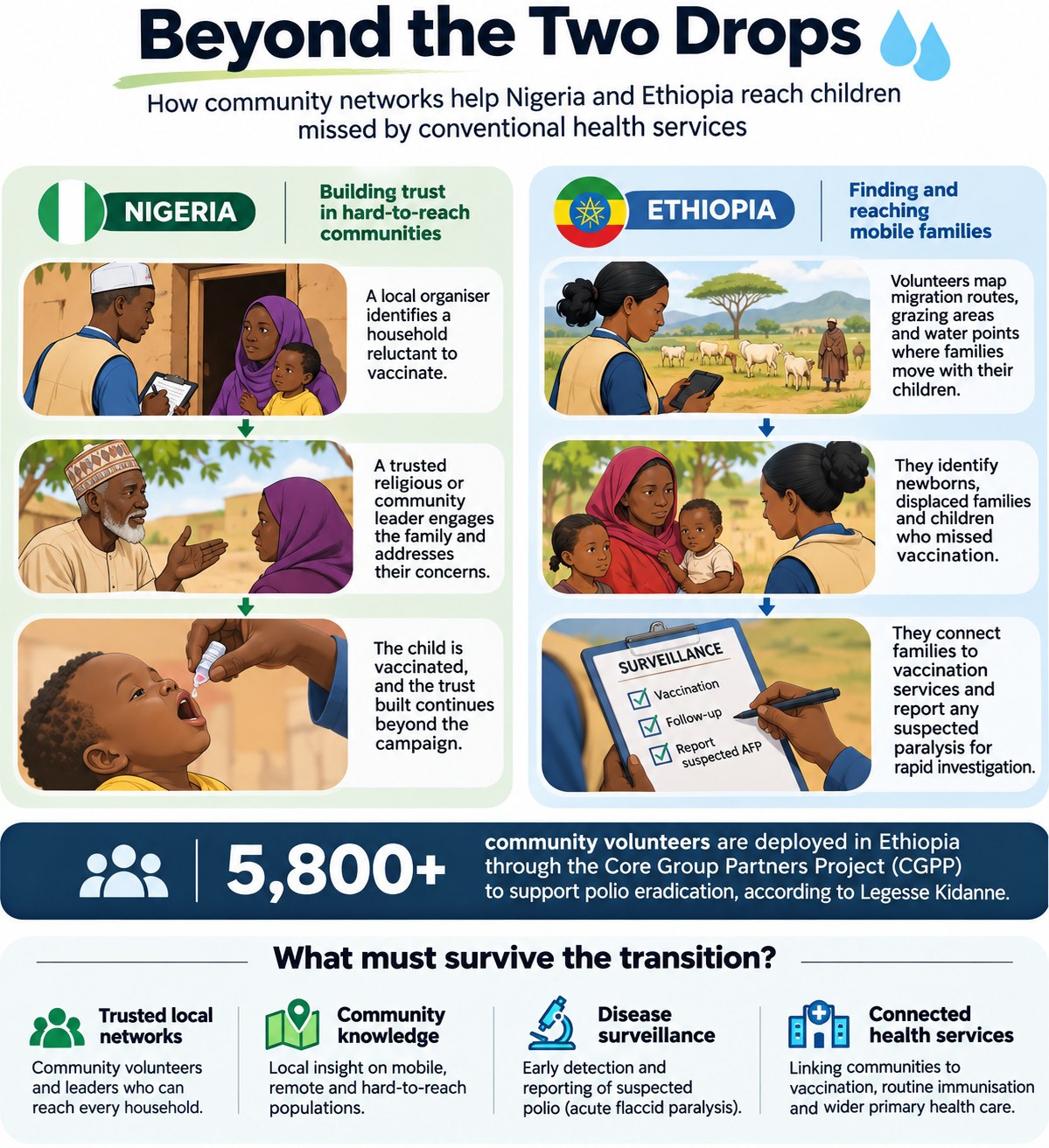
Experiences with polio vaccination in Ethiopia reveals another dimension of the same last-mile problem.
Legesse Kidanne, Secretariat Director of the CORE Group Partners Project (CGPP), based in Addis Ababa, said widespread hesitancy towards childhood vaccination is not the dominant obstacle his programme encounters. Instead, some of the hardest children to reach live in pastoralist communities, conflict-affected areas, border regions and settlements of displaced people.
CGPP works through a consortium of national and international organisations and community structures, supported by US Department of State funding. Kidanne said more than 5,800 community volunteers are deployed to support community-level interventions in Ethiopia, working alongside government health services to reach children missed by routine immunisation programmes.
Due to such porous border areas, Ethiopia’s polio risk does not stop at its national boundaries.
Poliovirus cases are also imported from neighbouring Somalia and South Sudan, Kidanne stressed. Communities near international borders are therefore particularly vulnerable, while the mobility of pastoralist populations adds another layer of complication.
Finding the children who move around
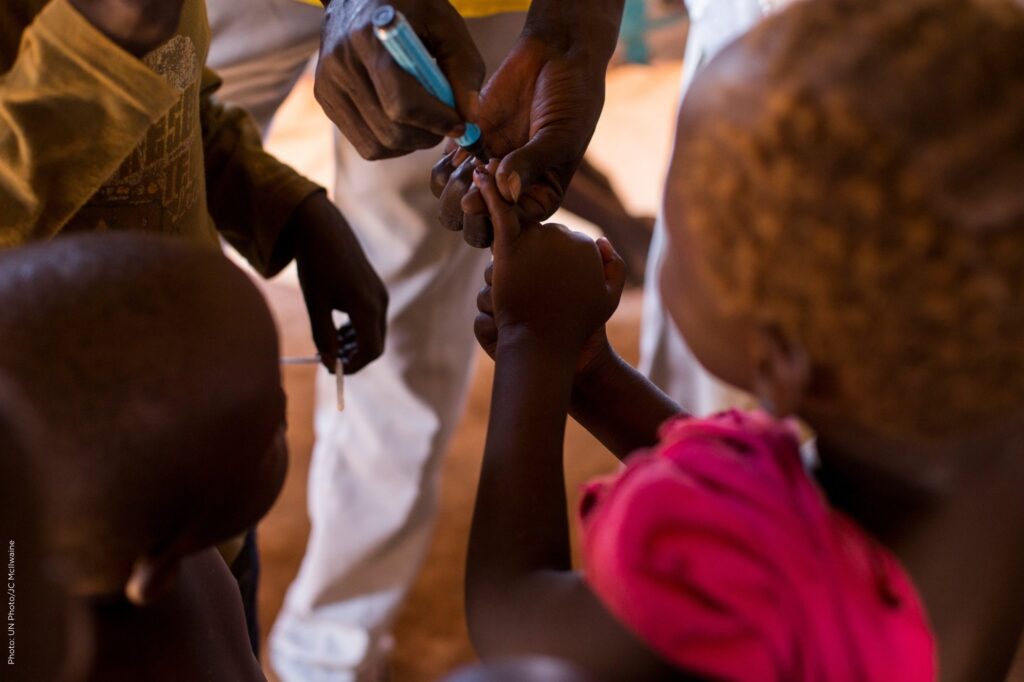
Finding those communities requires much more than maintaining a list of villages.
Community volunteers work with local leaders and health workers to map population movement. They identify migration routes, temporary settlements, grazing areas and water points where pastoralist families are likely to gather at particular times.
That intelligence is then used by health workers planning mobile and outreach services. In this setting, the last mile can literally move.
Children in pastoralist families may be in one place when a campaign is planned and somewhere else when it begins. Conflict can suddenly make a settlement inaccessible. Displacement can create new communities outside existing health-service maps.
“The routine programs will not reach those children,” Kidanne told Health Policy Watch.
Instead, programmes may rely on mobile services, catch-up vaccination and rapid outreach during windows in which insecure locations may become more accessible, when security conditions permit. The deeper challenge, he said, is maintaining continuity of both vaccination and surveillance in populations that formal services cannot consistently reach.
The human information network behind vaccine surveillance
Acute flaccid paralysis, or AFP, is one of the main clinical warning signs used in polio surveillance. It is characterised by the sudden onset of muscle weakness or paralysis, usually affecting one or more limbs, with the muscles becoming limp or floppy. Most AFP cases are not caused by poliovirus, but detecting and investigating them quickly, particularly in children under 15, is essential to determining whether poliovirus is circulating in a community.
CGPP volunteers receive training to identify and immediately report sudden paralysis and other priority conditions, Kidanne said. When a suspected case is found, the volunteer alerts the formal health system and may guide health workers to the child’s home.
Health workers investigate the case and collect stool samples, which enter the laboratory network for poliovirus testing and further analysis. A positive result can trigger an outbreak vaccination response.
The surveillance system is not waiting entirely for the family to find a health facility. “There is a gap between the community and the health facility,” Kidanne said.
Community-based surveillance helps fill it by complementing passive facility reporting with active case-finding. Even rumours of a relevant illness in a village can enter the formal surveillance system and be investigated.
The volunteers also identify children who do not yet exist in routine health records.
Kidanne described how community workers found newborn babies, recently arrived families, new settlements and internally displaced populations that formal vaccination lists could otherwise miss. The information is passed to health workers, who can then organise outreach.
Seen from this level, he said the polio programme is not merely a vaccine-delivery system; nor is it a set of neat digital data points in a surveillance report, it is first of all a human information network.
Who inherits the polio machine?
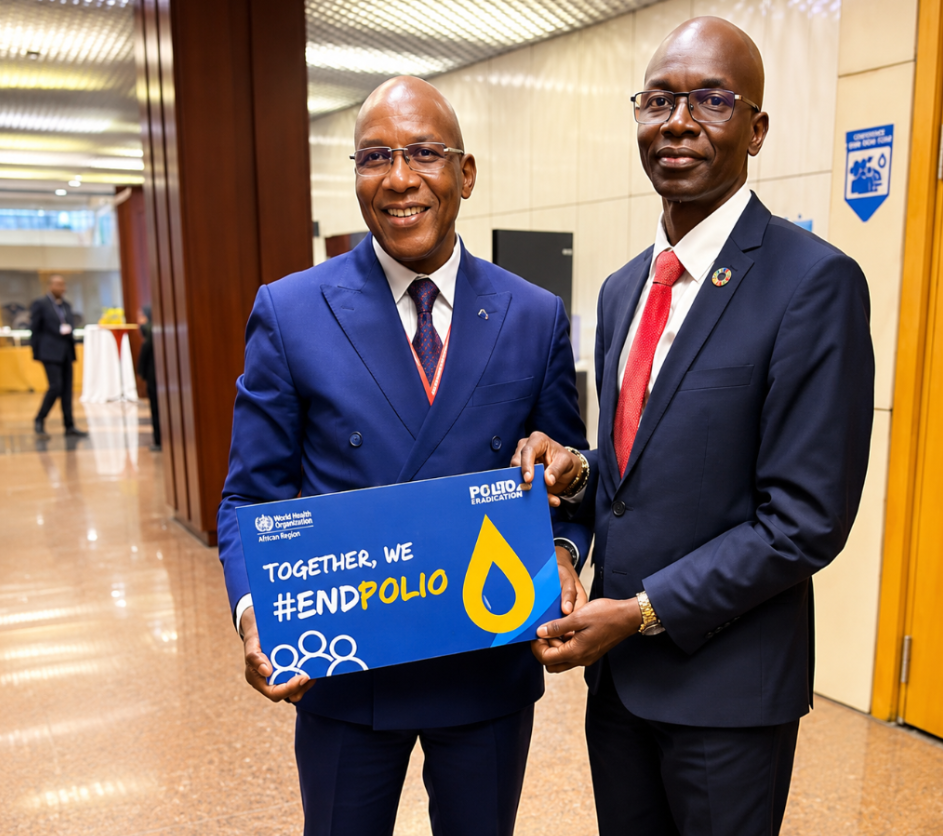
Dr Mohamed Gedi, Polio Eradication Programme Coordinator at WHO’s Regional Office for Africa, said the region’s new Framework for Polio Transition is intended to prevent that infrastructure from simply disappearing.
“Polio transition does not mean stopping the polio function,” Gedi told Health Policy Watch.
Instead, countries are expected gradually to integrate functions previously sustained through the specialised eradication programme — surveillance, laboratories, staff, financing and infrastructure — into wider health and emergency-response systems.
Some of those assets already have been serving purposes far beyond polio, formally or informally for a considerable period of time, Gedi said. Laboratories developed for the eradication programme are used to diagnose other diseases, while polio eradication staff and surveillance systems also have supported wider outbreak response – and can do so more systematically in the future.
He described this as the logic behind the African transition plan adopted in Addis Ababa in August. It identifies high-quality surveillance, laboratory capacity, emergency-response systems, routine immunisation and domestic financing among the capabilities that countries need to sustain.
Difficult handover moment
Some 32 of the WHO African Region’s 47 countries had already begun integrating polio functions into national health or emergency-response systems to varying degrees, Gedi said in an interview on September 2, 2026. In Nigeria, for instance, the government pays the salaries of surveillance officers, while international partners continue to finance some operational costs.
But the handover is also occurring in an increasingly difficult financial environment.
The 30% cut in GPEI funding for the period 2026–2029 means that transition may be more like a cliff.
It will mean less money for the kind of local campaigns, human resources recruitment and surveillance that works in last mile areas particularly well. Unpredictable funding also threatens continuity because experienced staff may seek more secure positions elsewhere.
“An overnight cut will result in massive disruptions,” Gedi warned.
Governments need time, he argued, to progressively increase domestic financing for essential functions including surveillance and routine immunisation.
The knowledge between campaigns
Baswua’s concern is that local programmes like his own can spend years building trust and local knowledge, only to see donors treat those assets as expendable when the grant paying for them ends.
He points to the Bauchi settlement where the household initially rejected vaccination.
A vaccination campaign could record the final outcome: children vaccinated. A database might record the number of doses. But neither necessarily captures the process required to get there — who knew the family, who understood the source of its objections, which religious leader could enter the conversation, and who remained trusted enough that residents continued calling after the campaign left.
That, Baswua argues, is why people within communities should be trained and equipped to serve as permanent links between their settlements and the health system, rather than relying repeatedly on temporary outsiders.
A border cannot stop a virus

Ethiopia’s experience, meanwhile, demonstrates why some of the structures built around polio eradication cannot simply be folded neatly into individual national health systems.
Kidanne said CGPP has developed local cross-border coordination involving health authorities, civil-society organisations, UN agencies and polio partners, including along Ethiopia’s borders with South Sudan and Kenya.
The goal is for local actors to share information and coordinate responses without always waiting for instructions to travel through national capitals.
In Gambella, Kidanne said Ethiopia and South Sudan have coordinated responses to circulating vaccine-derived poliovirus, including synchronised campaigns. Similar coordination has been planned around the Kenyan border.
WHO’s emergency committee has specifically called for stronger cross-border coordination and more equitable surveillance of mobile and high-risk populations.
As with national health systems, these cross border structures monitoring migrant and pastoralist movements also have uses beyond polio, Kidanne argued.
A community surveillance worker trained to look for paralysis can report another unusual illness. A network that maps pastoralist movement for vaccination can help locate communities during a different outbreak. A cross-border coordination mechanism created because poliovirus moves with people can remain useful when another pathogen follows the same route.
At the same time, Kidanne said CGPP’s intention in Ethiopia is not to maintain a permanent parallel NGO system. The programme needs to work alongside established national structures.
“Whenever there is project termination or phase out or any declining of funding, we believe these activities will continue using the government structure,” he said.
Success is ultimately the absence of poliovirus
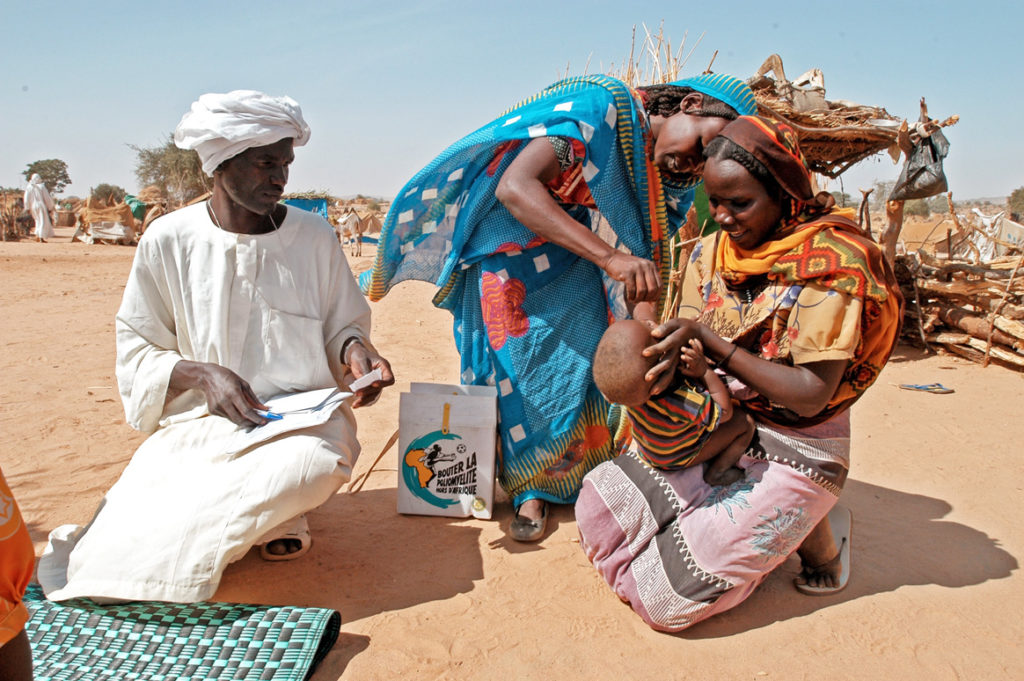
Polio eradication carries an unusual evidentiary burden: success is ultimately the absence of something.
A country cannot simply report fewer cases. It needs confidence that a child who develops paralysis will be detected, that appropriate samples will reach a capable laboratory, that virus circulating in a remote or mobile population will not remain invisible, and that surveillance will remain sensitive long enough to show transmission has actually stopped.
In Nigeria, surveillance blind spots remain, particularly in insecure areas of the north and along the border with Chad, Gedi acknowledged. An independent review involving Nigerian and international experts was underway at the time of his interview to identify weaknesses and recommend improvements.
“We do have blind spots. We do have gaps in some areas,” he said.
Those gaps make funding cuts to surveillance particularly consequential. Gedi warned that poliovirus could continue circulating undetected for years, making continued monitoring essential even after transmission appears to have stopped.
“Even when you stop the last case, you continue to work on the surveillance to make sure that any residual transmission is detected quickly,” he said.
The danger, therefore, is not simply that shrinking budgets could slow the final push to eradicate polio. It is that weakening surveillance could leave countries unable to demonstrate that eradication has actually succeeded.
Accompaning podcast can be found here: https://open.spotify.com/episode/6GrkI79cgBIvYfZXzHpbwH?si=YrSSRycNSsqwphVNGrvRSw&nd=1&dlsi=df4391ee18ab44bf
Reporting for this article was supported by the United Nations Foundation Polio Press Fellowship.
Image Credits: HPW/ Paul Adepoju, UNICEF , L Pezzoli/ WHO, UN Photo/JC McIlwaine, WHO AFRO, WHO Africa, Jean-Marc Giboux/ GPEI.
Combat the infodemic in health information and support health policy reporting from the global South. Our growing network of journalists in Africa, Asia, Geneva and New York connect the dots between regional realities and the big global debates, with evidence-based, open access news and analysis. To make a personal or organisational contribution click the donate button below.