One in every four of all adolescents worldwide are getting less than an hour of moderate to vigorous physical activity a week, according to a new World Health Organization (WHO) study.
This translates to around 240 million young people between the ages of 11-17 who are not getting the critical exercise needed to develop into healthy adults, warned the report, released simultaneously today by WHO and in The Lancet Global Health.
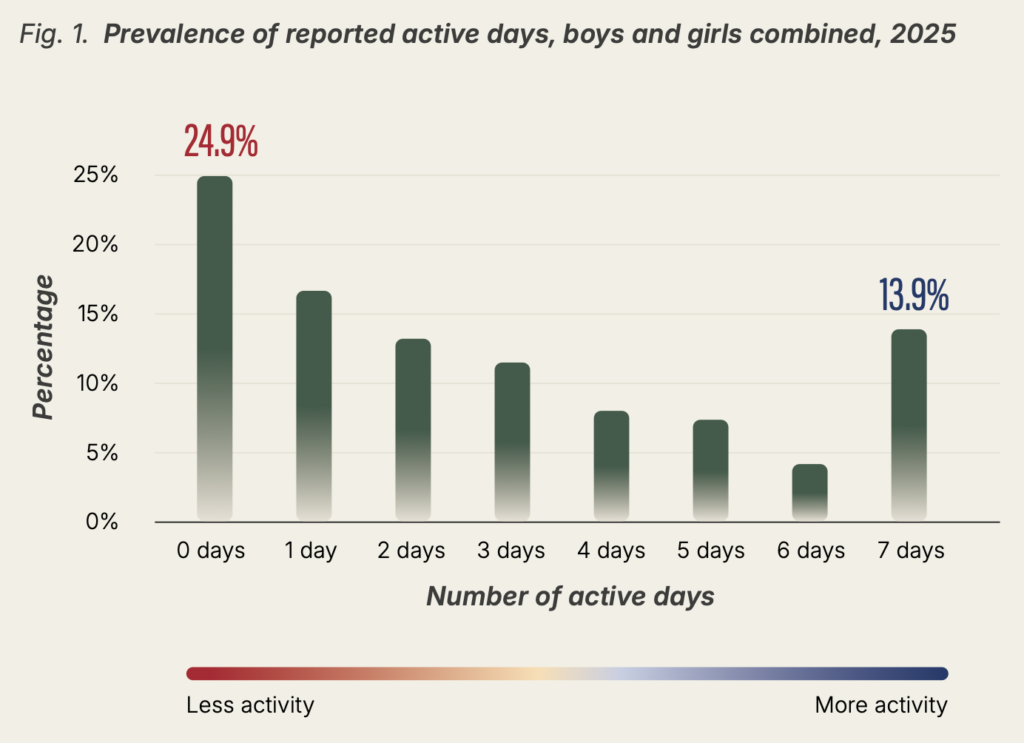
The study, ‘A generation missing out’, is based on 389 population-based surveys of some 3.2 million adolescents across 140 countries and territories. The adolescents were asked what physical activities they had engaged in during the previous week, and for how long. Only 14% of those responding reported being physically active for at least one hour on all seven days of the week, as per WHO recommendations.
On average, adolescents reported being physically active for at least one hour a day on only 2.7 days a week. Girls were less active than boys across all WHO regions, pointing to a major gender gap in the amount of physical activity adolescents experience.
The data and trends, covering some 60% of adolescents globally, have remained approximately stayed the same since 2010, when adolescent physical activity was first measured, and then again in 2016, said WHO experts at an embargoed press briefing last week.
“For 15 years, the world has made almost no progress in getting young people moving, and girls are being left furthest behind,” said Dr Tedros Adhanom Ghebreyesus, WHO Director-General. “The answer is not to tell adolescents to try harder. It is to build schools, streets and communities where moving, playing and being active is safe, easy and normal.”
Lack of physical activity a risk factor for illnesses
Physical inactivity is a major risk factor for heart disease, type-2 diabetes, and some cancers.
“Physical activity is one of the most effective ways of preventing stroke, cardiovascular disease, or other NCDs [non-communicable diseases], but it also contributes to better mental health and well-being, supports healthy growth and development, and helps young people to learn, connect, and thrive,” said Dr Etienne Krug, Director at WHO’s Department of Health Determinants, Promotion and Prevention.
When adolescents are not physically active, they also miss out on crucial mental health benefits as well as the social benefits that come with sports.
Adolescence is a particularly crucial period as it also sets up the habits that could last a lifetime.
Stark gender gap
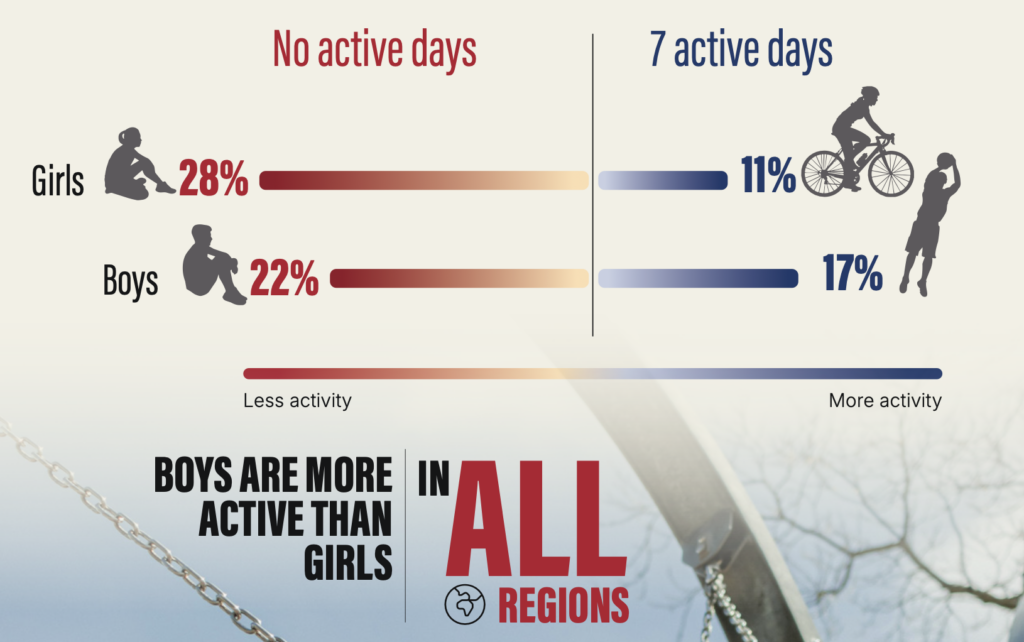
Girls were found to be less physically active than boys in almost every country and every WHO region – reflecting a stark gender gap.
Worldwide, nearly 28% of girls reported no active days, compared with 22% of boys.
And only 11% of girls reported being active every day, compared with 17% of boys. WHO recommends at least 60 minutes of physical activity every day, which can be anything that increases the heart rate and breathing, like a brisk walk or cycling.
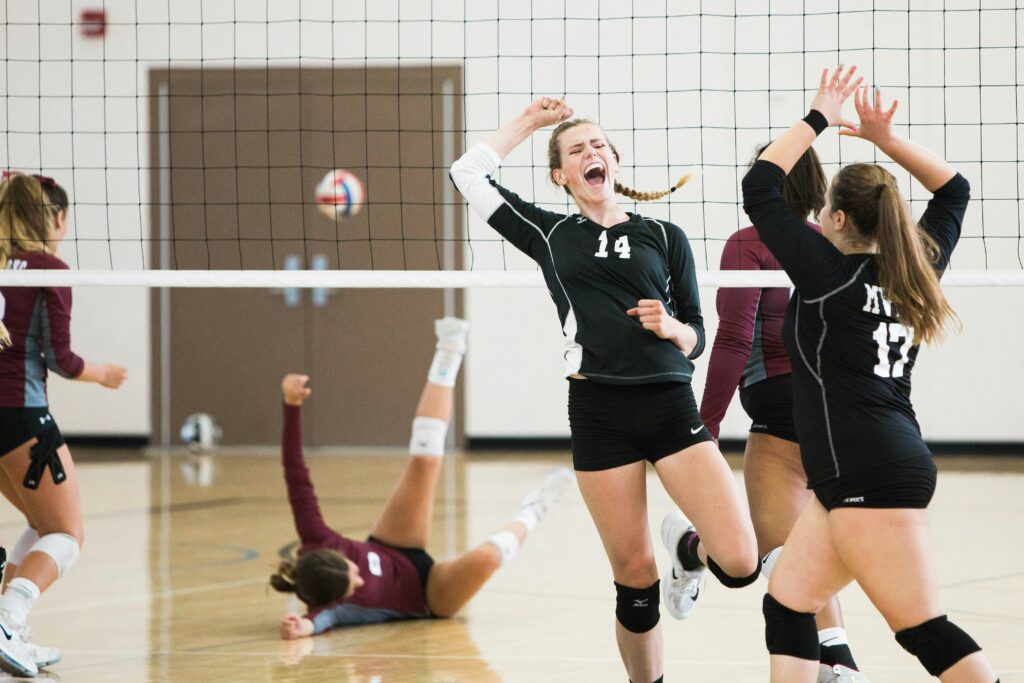
There’s a basket of reasons why there is a gender gap, said Dr Fiona Bull, WHO’s head of Physical Activity Promotion, at the press briefing.
“Some of the reasons are the lack of visibility of role models, the lack of female coaches when we’re talking about more formal sports. But actually, at the community level, it can get down to simply it being not expected, even culturally inappropriate,” she said.
Girls did appear to prefer dance more, and experts said offering more access to options like dance is an opportunity for policymakers.
“Religious and cultural norms, family dynamics, or preferences may determine whether girls are introduced to activities or supported to sustain them through the adolescent period. Safety is another concern,” Bull added.
Stark regional differences
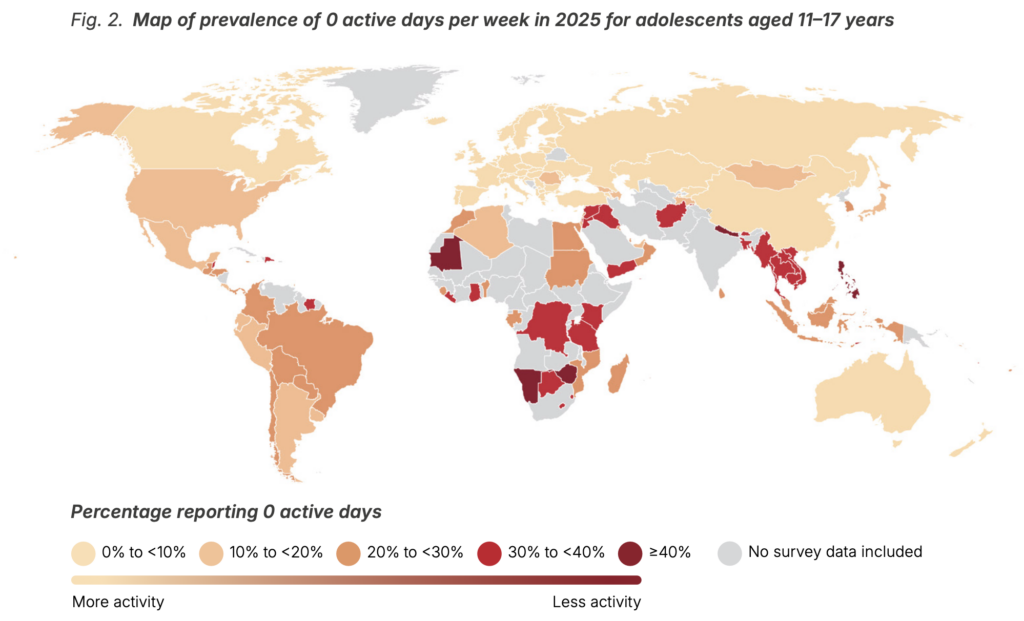
In most of Europe, Asia and parts of the Americas, 90% or more of adolescents reported an hour of physical activity every day. In others, mainly Africa, the Middle East and parts of South Asia, more than 40% of respondents reported no active days.
“Our data has revealed that there are two quite distinct patterns of active days that are broadly aligned with regions. We see that in many of the low-and middle-income country settings, the pattern is characterized by high prevalence of zero active days,” said Dr Leanne Riley, unit head of surveillance, monitoring and reporting at WHO’s NCD division.
“Whereas in contrast, in the high-income countries and high-income Western nations, in particular, Central and Eastern Europe, Central Asia, East Asia, and the Pacific, they show a more favourable pattern,” she added.
There is no single explanation for the lack of global progress. Physical activity is shaped by where adolescents live, learn, travel and spend their free time. Transport patterns, access to safe public spaces, opportunities for safe walking and cycling, school environments, affordability, social norms and increasingly screen-based lifestyles can all influence adolescents’ opportunities to be active.
Active transport environments need to be part of the solution
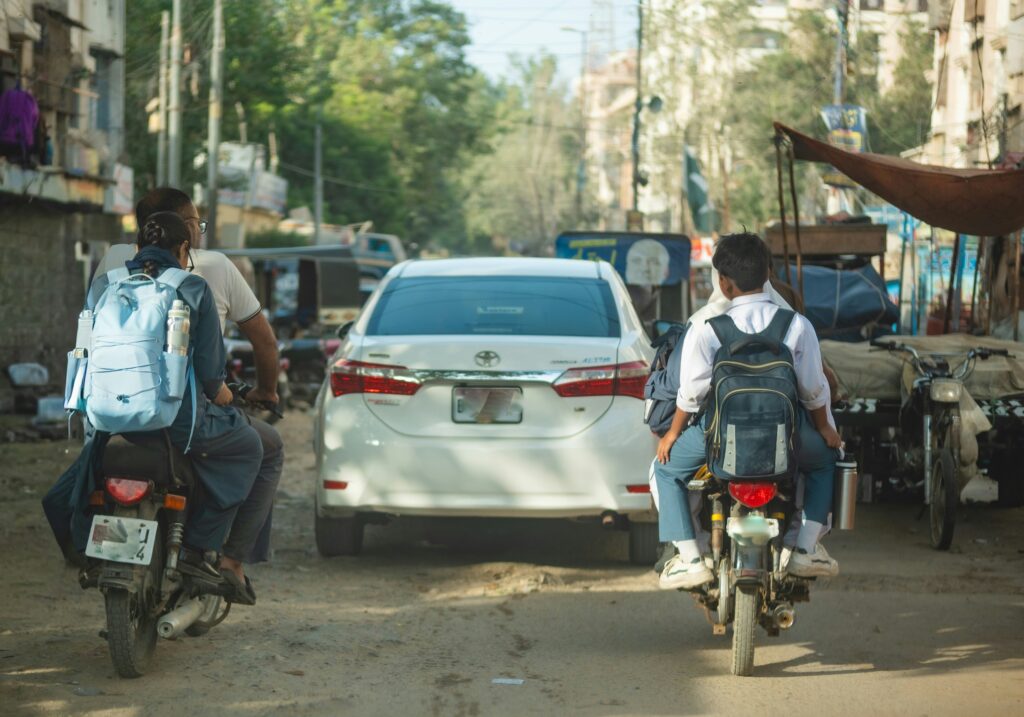
The WHO report also calls for more action across education, transport, and urban planning to make environments more conducive for routine physical activity.
The challenge is not simply to persuade adolescents to move more. It is to create environments that make being active a normal and easy part of growing up, WHO’s Riley also said at the press briefing.
“It will look like more communities with safe walking and cycling networks, connected networks, taking us to the places we go to daily, from home to school to community to friends to shops,” she said.
“It will require the public transport systems to enable more walking and cycling,” she added.
That includes investments in safe walking and cycling routes to school, as well as parks and recreational facilities in communities as well as in schools that give young people more opportunities to move, play and be active in their everyday lives.
Sports brands also call to support movement
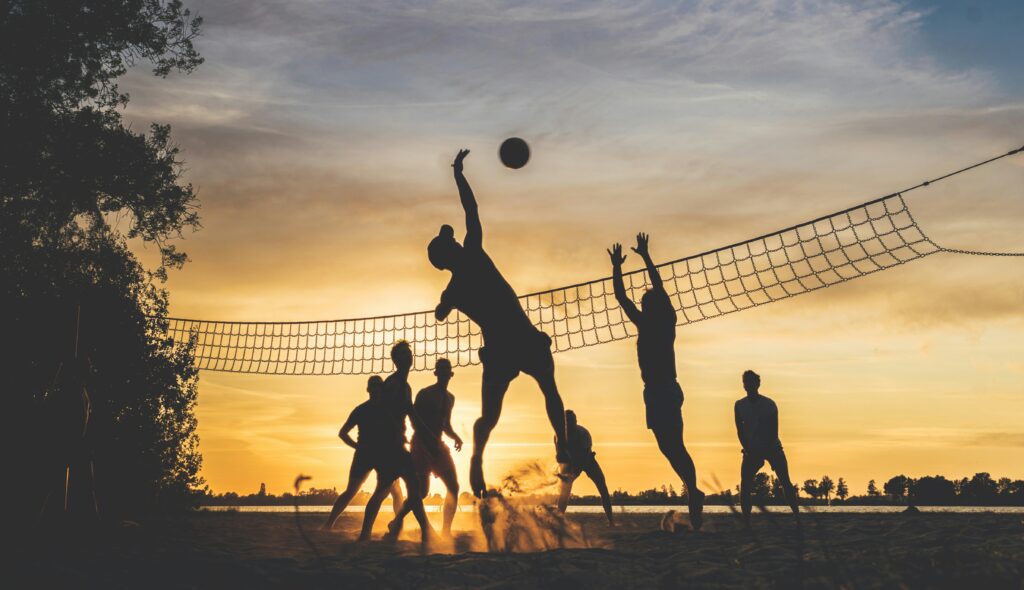
Sports brands also have stepped up to the bat, saying they can play a major role in promoting more healthy physical activity. In response to the WHO report, around 83 sporting goods companies and federations signed an open letter coordinated by the World Federation of the Sporting Goods Industry (WFSGI), pledging to strengthen efforts to help more young people move.
Major brands like Adidas, ASICS, Bauer, Decathlon, New Balance and Nike were among those that signed onto the call to increase movement among adolescents.
“The response will be different for every company. It may mean making products more accessible, investing in participation programmes, supporting schools and communities, rethinking how we engage with young people, or using innovation to remove barriers to activity,” the companies said in the joint letter.
Image Credits: Unsplash/Mi Pham, ‘A generation missing out’ report/WHO, Unsplash/Vitaly Gariev, Unsplash/Vince Fleming, Unsplash/Tahamie Farooqui, Unsplash/Jannes Glas.
Combat the infodemic in health information and support health policy reporting from the global South. Our growing network of journalists in Africa, Asia, Geneva and New York connect the dots between regional realities and the big global debates, with evidence-based, open access news and analysis. To make a personal or organisational contribution click the donate button below.