The destruction of farmland, forests, wilderness and waterways is still outpacing restoration efforts worldwide, which lag far behind 2030 goals. Annual spending on restoration would need to rise more than fourfold, from $64 billion in 2022 to $296 billion by 2030, according to a report released in Yerevan, Armenia, a day before the close of the UN biodiversity summit, COP17.
Countries have launched nature restoration efforts for some 252 million hectares (623 million acres) of degraded forests, farmland, wetlands and coastline since 1966, an area larger than Algeria. But the pace of restoration work would have to roughly triple in the next four years for the world to meet its 2030 goal for reviving nature, according to a new United Nations report.
The assessment, published Thursday, is the first to tally restoration efforts across the world’s land masses, freshwater systems and oceans. It was released in Yerevan, Armenia, a day before the UN biodiversity summit there, COP17, closes amid divisions over who should pay to protect nature and how fast to cut the subsidies that fuel its destruction.
“Today, we are witnessing the makings of one of the largest movements for nature in recorded history,” said Inger Andersen, executive director of the UN Environment Programme (UNEP), in a statement released with the report. “Yet, at the halfway point of the UN Decade on Ecosystem Restoration, we are still not restoring nature at the scale or speed required. By 2030, we must turn inspiring initiatives into systemwide action.”
The report, by the UN Environment Programme, the Food and Agriculture Organization (FAO) and the secretariat of the Convention on Biological Diversity (CBD), measures progress against Target 2 of the 2022 Kunming-Montreal Global Biodiversity Framework, which commits countries to having at least 30% of degraded ecosystems under effective restoration by 2030.
The authors set that benchmark at about 738 million hectares, leaving the area currently under restoration at 34% of the 2022 target and about a quarter of the roughly 1 billion hectares countries have pledged in their national plans.
Meanwhile, land is still being degraded faster than it is being restored, according to the latest available data. Between 2015 and 2019, at least 100 million hectares of healthy, productive land was degraded every year, UN Desertification Convention figures cited in the report show.
“Financing the destruction of nature with 30 dollars against every dollar spent restoring it,” said Astrid Schomaker, the CBD’s executive secretary, as the summit entered its final week on Monday, “is like paying 30 people to tear down your house for every one hired to rebuild it.”
The UN climate summit, COP31, opens in Antalya, Turkey, next month. Degraded peatlands, which hold up to a third of the world’s soil carbon, produce about 4% of global human-caused greenhouse gas emissions, yet only around 15% of countries include them in their national climate plans.
“Restoration is woven very closely into nationally determined commitments,” said Doreen Robinson, deputy director of UNEP’s Ecosystems Division, at a briefing for journalists before the launch, “and so this report will be just as useful for that COP as it is for this COP.”
“We are making progress, but we are still in a net deficit here, and we need more investment,” Robinson said when asked whether the world was gaining ground overall. “We’re on the pathway. If we continue with our restoration investments and the other investments we’re talking about here at COP, we could reverse course for nature, but it is still a net deficit for nature.”
Seas and freshwater systems left behind
Almost all of the documented progress is on land surfaces, where 232 million hectares are under restoration, about half of the 2030 target for terrestrial ecosystems. In contrast, freshwater ecosystems have 11 million hectares under restoration across 62 countries, a mere 4.5% of their target. Marine and coastal restoration efforts cover another 5.7 million hectares in 46 countries, or 23% of their target.
“Reported restoration lags far behind ambition in both freshwater (inland water) and marine and coastal ecosystems,” the report states, “yet these ecosystems are degrading at the highest rates, highlighting the critical need for accelerated implementation and improved data availability and reporting.”
Wetlands are disappearing three times faster than forests, according to research cited in the report. At sea, the 2024-2025 coral bleaching event was the most extensive on record, hitting about 84% of the world’s reef areas, which are critical breeding grounds for fish and other sea life.
“No ecosystem is sufficiently funded. All ecosystems are under threat, but we do know, and you’ll see in the report, that some lag behind others,” Robinson said. “In particular, freshwater and dryland ecosystems are lagging behind.”
China accounts for half the world’s restoration areas
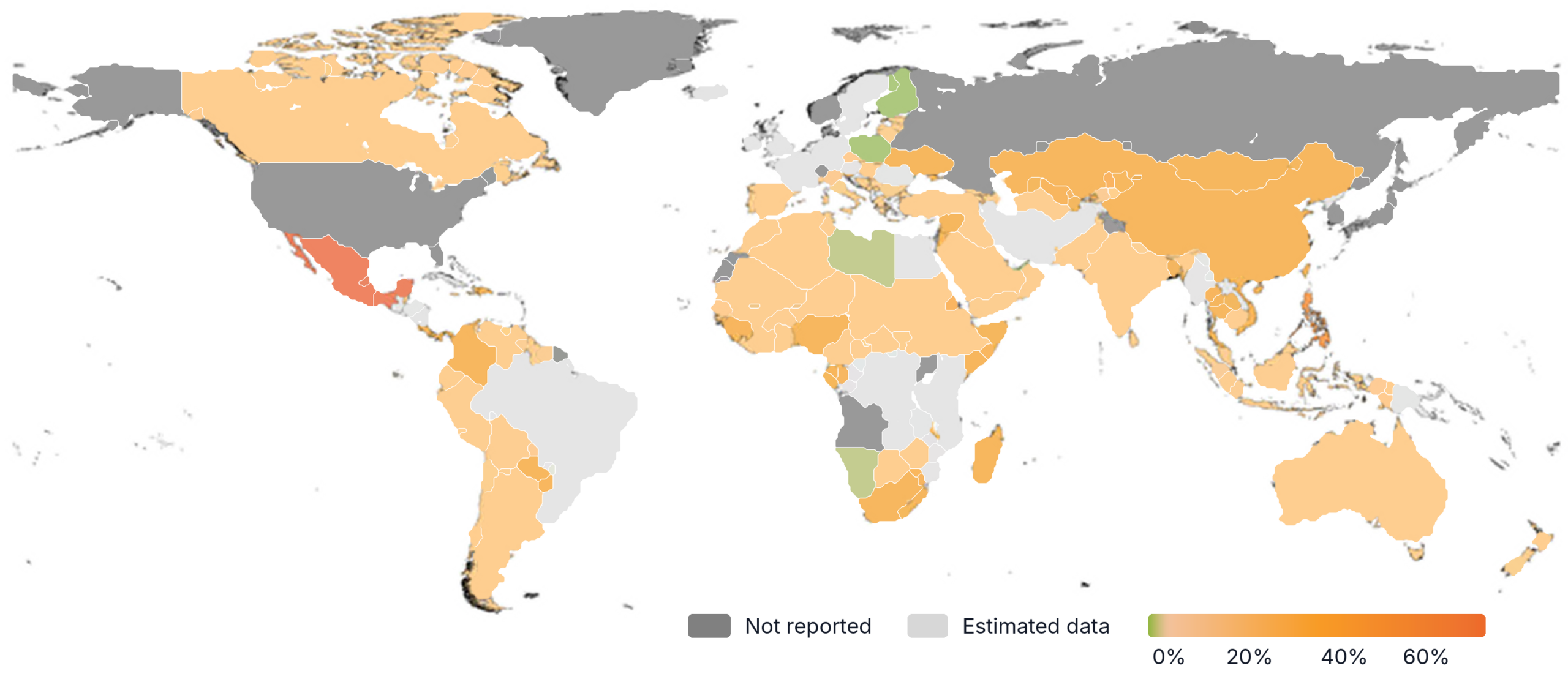
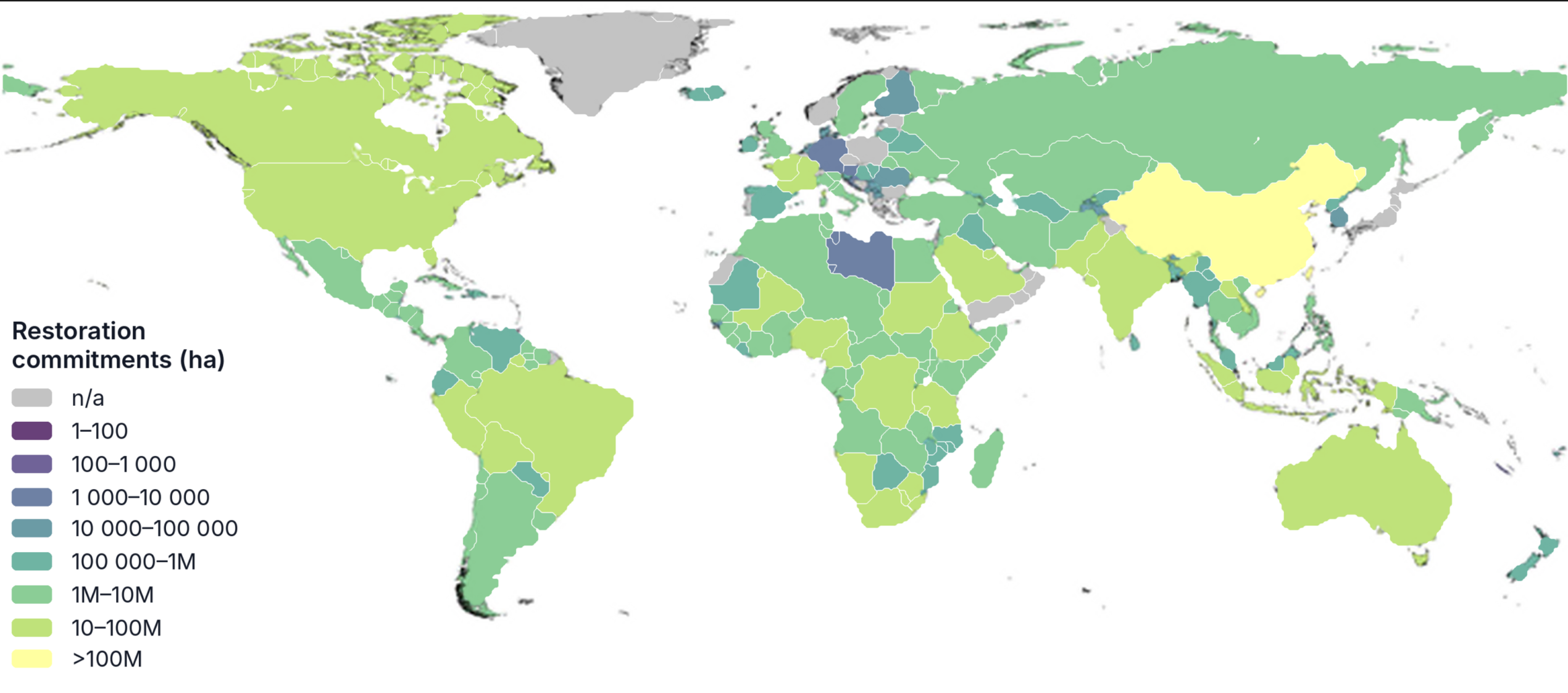
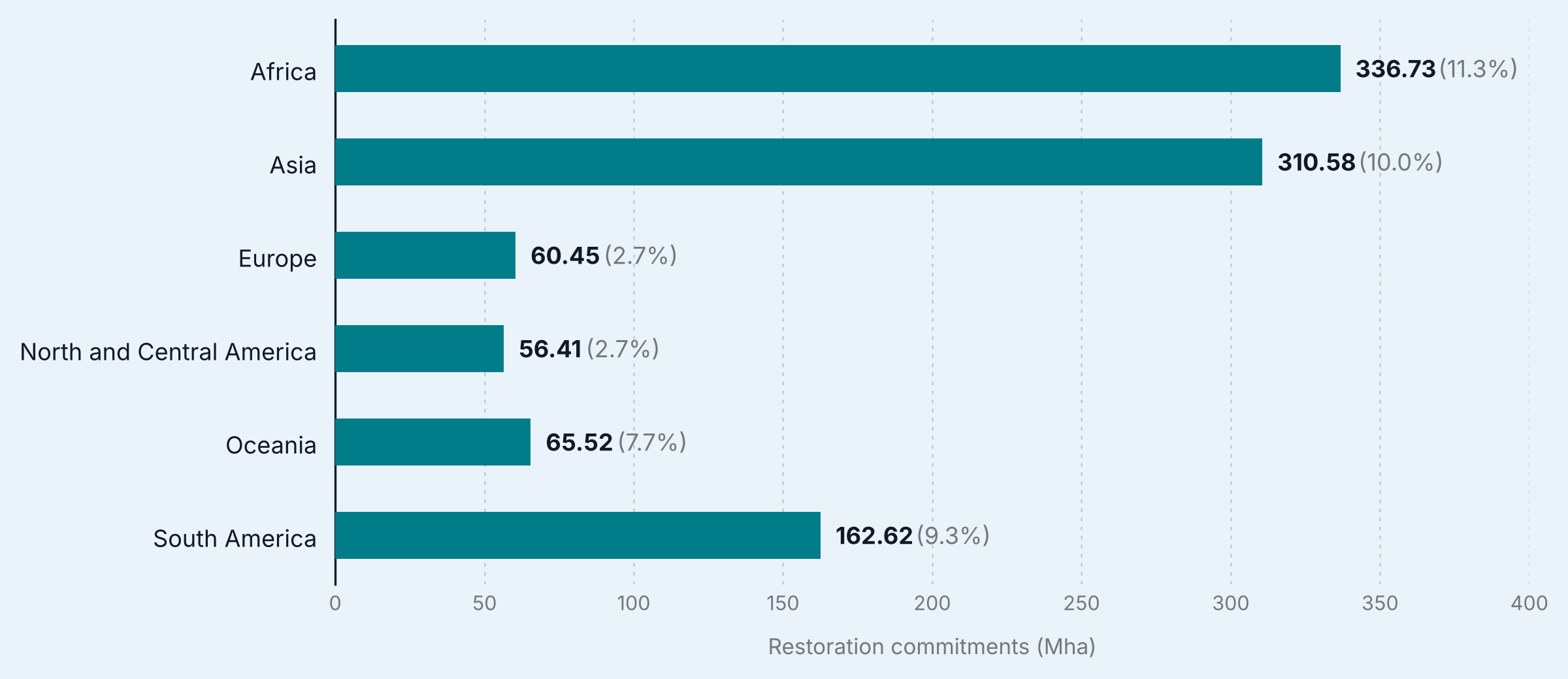
China reports 127.4 million hectares under restoration, roughly half the global total and 54% of all documented restoration on land. Mongolia and Kazakhstan follow with 12.2 million and 8.1 million hectares, respectively. Asia as a whole accounts for more than three-quarters of the restoration documented across land, seas and freshwater worldwide.
Listing an area as “under restoration” means only that the work has been documented, the report stresses, and “does not necessarily demonstrate that the ecosystem has recovered or that the activity meets the full requirements for effective restoration.”
The CBD’s own progress review, which drew on fewer national reports, records restoration work on only 193 million hectares, against 252 million in the joint report.
“Half of the countries that reported to the CBD in their seventh national report did not include any quantitative data on restoration, and these countries cover about 3 billion hectares of land,” said Yelena Finegold, who leads ecosystem restoration monitoring at FAO and was the report’s lead author. “So we’re also not capturing all of the incredible efforts that are happening on the ground.”
A fourfold finance gap
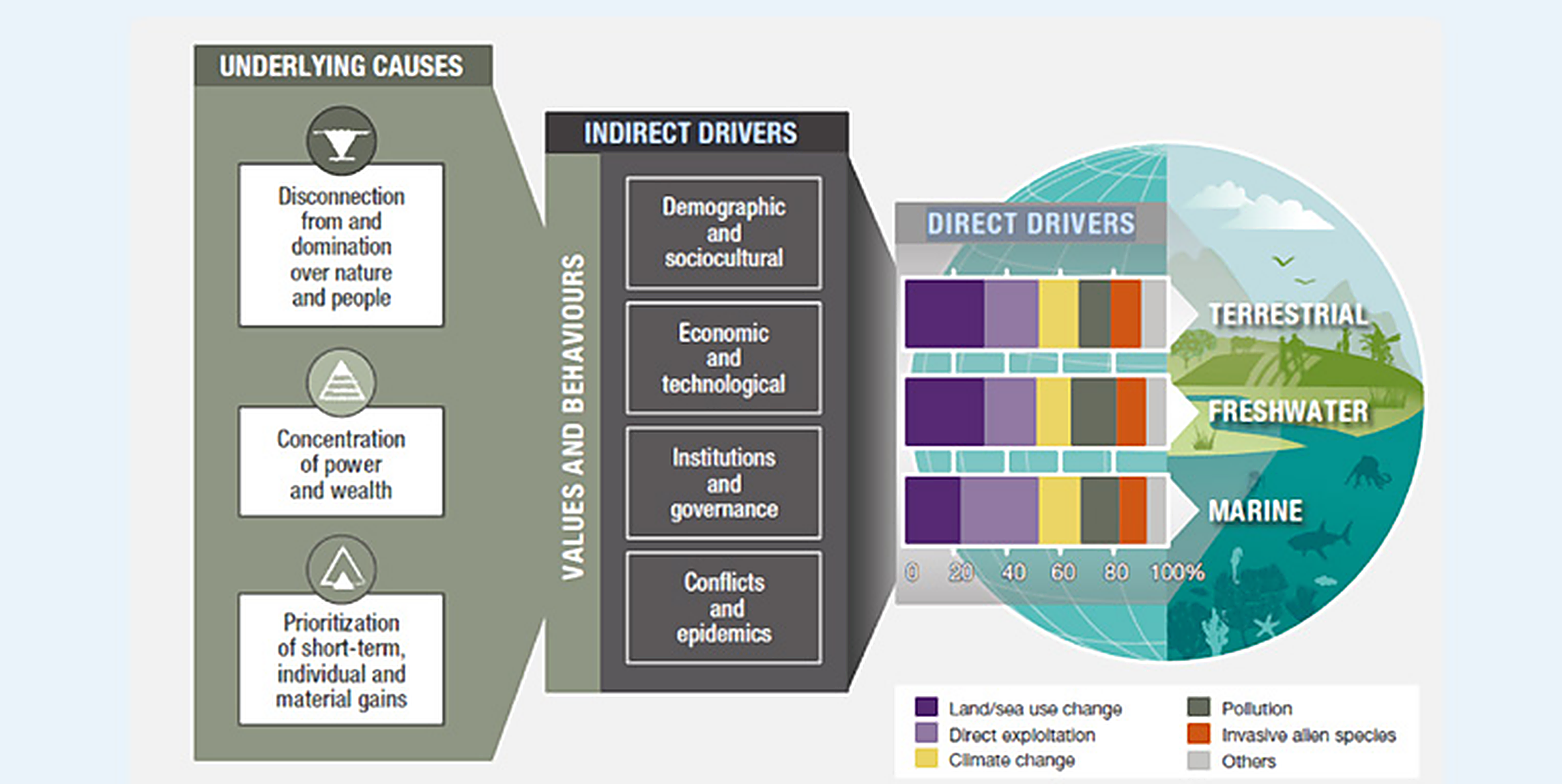
Annual spending on restoration would need to rise more than fourfold, from $64 billion in 2022 to $296 billion by 2030, according to UNEP estimates first published in 2024 and cited again in the report.
Public budgets supplied 73% of the money, and five countries, among them China and the United States, accounted for 76% of public spending in the farming, forestry and fisheries programs behind most of it.
“Restoration-targeted official development finance reached only USD 1.2 billion,” the report says, “a fraction of what is needed by developing countries.”
Private investors added about $17 billion, more than two-thirds of it through biodiversity offsets and credits required under compliance schemes. Governments, meanwhile, spent an estimated $2.4 trillion on environmentally harmful subsidies in 2023. Total finance damaging nature reached $7.3 trillion, more than 30 times the amount invested in nature-based solutions.
“Mobilizing additional restoration finance will have limited effect,” the authors write, “if much larger public and private financial flows continue to drive ecosystem degradation.”
“We’re not talking about billions here,” said Salman Hussain, head of UNEP’s Economics of Nature Unit, “but 2.4 trillion in environmentally harmful subsidies.”
Finance fight in Yerevan
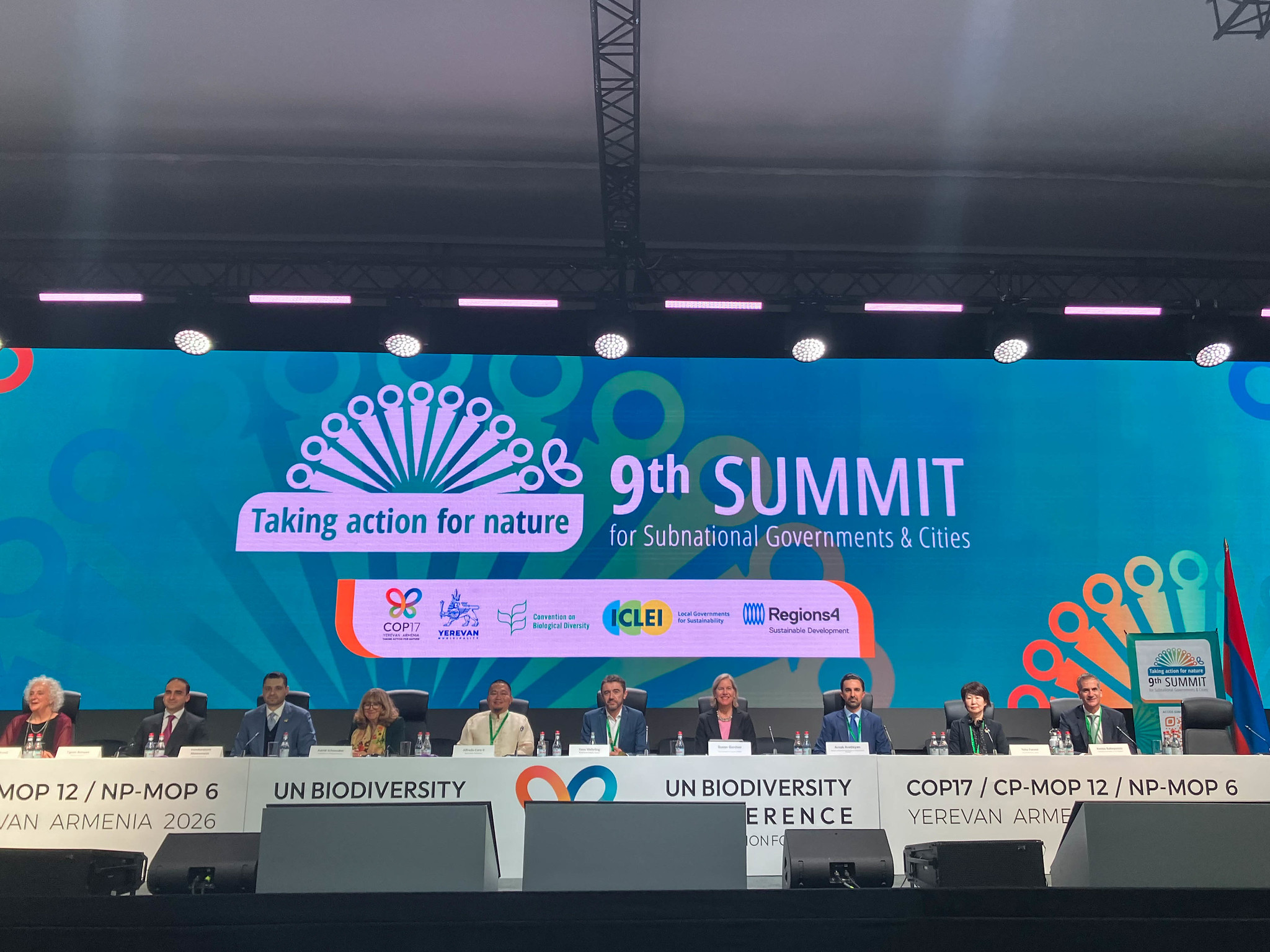
COP17 is holding the first global review of the Kunming-Montreal framework. In Friday’s closing session, governments are due to adopt a plan for the years 2026-2030, known as the Yerevan Pathway.
Under the framework’s Target 18, countries also agreed to cut harmful subsidies by at least $500 billion a year by 2030. When the UN’s State of Biodiversity Action report was launched before the summit, the CBD said “far fewer” countries had committed to reducing harmful subsidies, and that targets on harmful incentives were “among those furthest behind.” Governments in Yerevan were still divided this week over language on reducing or phasing out such incentives, including agricultural subsidies, the CBD said Monday.
Negotiators remain split over a European Union push to widen the list of countries expected to contribute to international biodiversity finance to include emerging economies such as China and affluent Gulf states. The Arab group told the opening plenary it “rejects any attempt” to expand the list, Climate Home News reported.
“It’s been 20 years since that list was added,” Christopher O’Sullivan, Ireland’s nature minister, whose country holds the EU’s rotating presidency, told reporters. “Times have changed and there are new realities.”
Image Credits: Eutah Mizushima.
Combat the infodemic in health information and support health policy reporting from the global South. Our growing network of journalists in Africa, Asia, Geneva and New York connect the dots between regional realities and the big global debates, with evidence-based, open access news and analysis. To make a personal or organisational contribution click the donate button below.