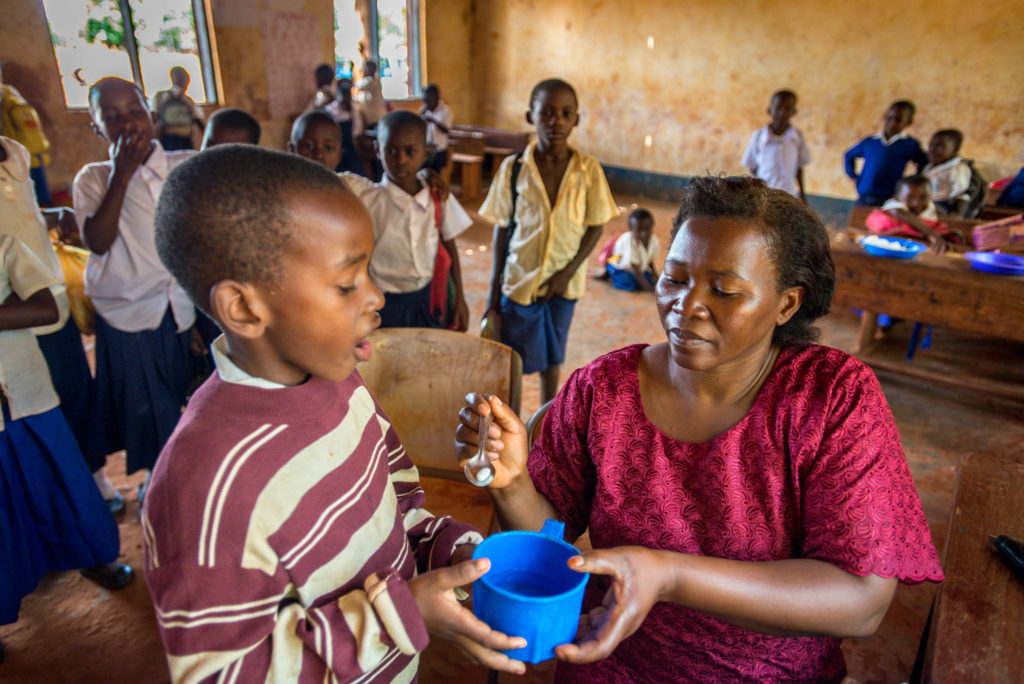
While substantial progress has been made in driving down the global burden of neglected tropical diseases (NTDs), trends are “uneven and fragile”, and several diseases are off course to meet 2030 targets.
This is according to the World Health Organization (WHO)’s Global Report on Neglected Tropical Diseases 2026, a mid-term evaluation of the 2021-2030 road map published today.
NTDs predominantly affect those living in poverty or remote or fragile settings, and are often referred to as diseases of poverty. WHO refers to some 21 NTDs. These range from mosquito-borne parasitic diseases such as dengue and chikungunya, whose transmission has soared due to urbananisation and climate change, as well as onchocerciasis (river blindness), leprosy and trypanosomiasis (sleeping sickness), where big inroads towards elimination have been made. Schistosomiasis, transmitted by water borne-parasite, as well as soil-transmitted helminths also impose a heavy burden of illness and disability. Snakebite evenoming and rabies are also considered NTDs, with extremely high mortality rates.
In 2024, NTDs affected around 1.41 billion people – a 19% reduction since 2020. By June 2026, 63 countries had eliminated at least one NTD, and Togo became the first country to eliminate four diseases.
Cases of sleeping sickness have dropped by 98% since 1999, while Guinea worm disease fell to a record low of just 10 human cases in 2025.
2025 milestones achieved for three diseases – but lack of finance impedes progress on others
Three disease-specific indicators achieved their 2025 milestones: chikungunya vaccine development, reduced dengue case fatality rates and the availability of WHO-recommended polyspecific antivenoms for snakebites.
However, the pace of progress is “insufficient to achieve most 2030 targets, particularly in relation to financing, mainstreaming into health systems, surveillance and extending interventions to populations in fragile and hard-to-reach settings”, according to the report.
Lack of finance is the biggest barrier to progress. Conflict and displacement are also significant constraints. Meanwhile, climate change is expanding the geographical spread of vector-borne diseases, while extreme weather events can disrupt service delivery.
Other barriers include that many NTD interventions are not part of national health systems or included in universal health coverage packages in most endemic countries.
Weak surveillance, persistent supply chain constraints and the loss of specialist expertise also weaken the response.
“Sustainability has emerged as the defining constraint of our time, one that could delay the achievement of the 2030 targets,” said Dr Daniel Ngamije Madandi, WHO director of Malaria and NTDs.
“New barriers demand innovative solutions, yet I am confident that the momentum generated by the road map endorsed by the World Health Assembly in 2020, together with
its inherent flexibility, is strong enough to continue guiding the global response to the public health challenges posed by this diverse group of diseases and conditions throughout the remainder of the decade.”
Image Credits: RTI Fights NTDs.
Combat the infodemic in health information and support health policy reporting from the global South. Our growing network of journalists in Africa, Asia, Geneva and New York connect the dots between regional realities and the big global debates, with evidence-based, open access news and analysis. To make a personal or organisational contribution click the donate button below.