PRETORIA, South Africa – Multilateral agencies and funders urged African nations at last week’s Africa Clean Air Forum to speak the language of finance to attract investment in improving the continent’s air quality.
Air pollution is the second leading risk for death in Africa after malnutrition. Four African countries feature in the top 10 most polluted countries: Chad, the Democratic Republic of Congo (DRC), Uganda and Egypt.
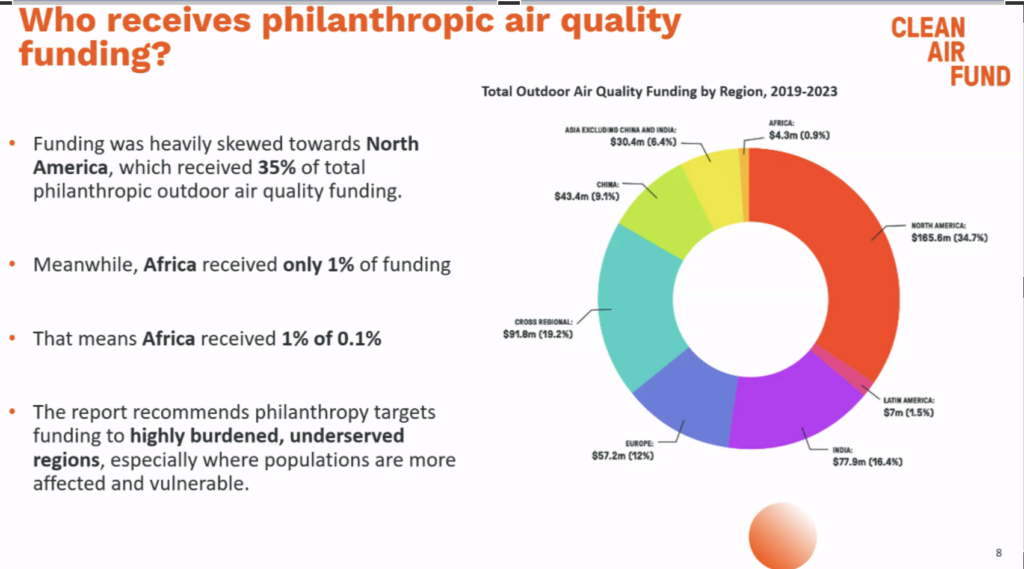
Yet Africa only gets a sliver of international funding for air quality programmes – which itself only gets 1% of all international development funding,
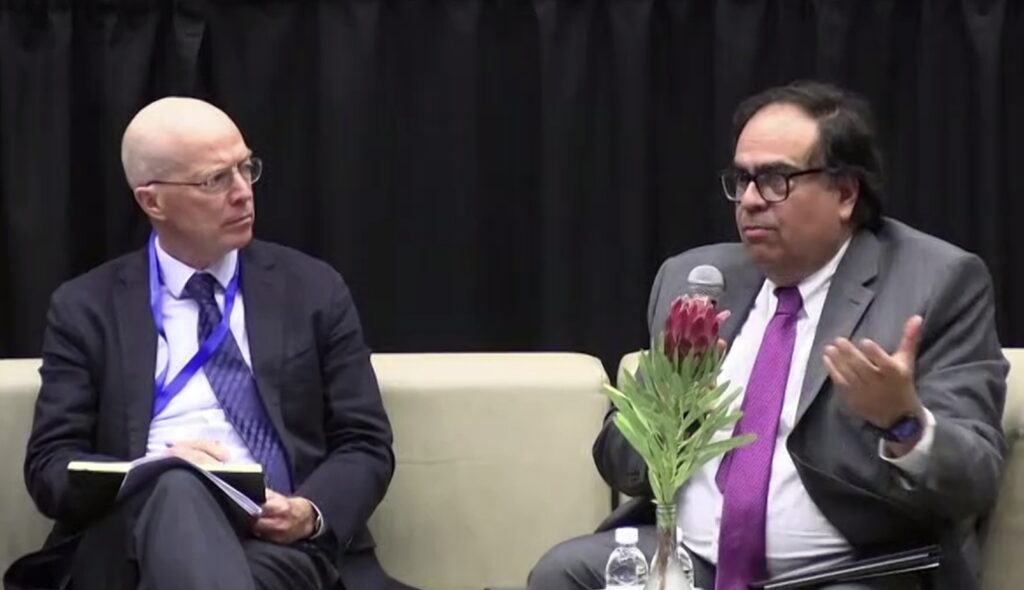
Sean Maguire, Clean Air Fund’s (CAF) executive director for strategic partnerships, warned that the state of international funding is “bleak” following the closure of USAID and aid cuts by France, Germany and the United Kingdom.
CAF is trying to persuade countries and cities to make a “much more attractive investment case” for different types of funding, said Maguire.
He recommends showing how air quality is a smart investment, and that gains can be higher than the costs.
“If you add a clean air objective to your power, your energy, your health, or your infrastructure projects, you’re actually going to make those projects more attractive, more popular,” Maguire says.
UNDP, World Bank’s reality check
However, Africa is battling risk perception, says Moortaza Jiwanji, from United Nations Development Programme’s (UNDP) Africa Sustainable Finance Hub.
“Unfortunately, across the continent, there is a perception… (that) the investments in Africa are of higher risk compared to other continents.”
Jiwanji recommends those seeking funds for air quality management “speak the language of investors”, whether it’s public finance or private finance.
He listed three suggestions to include in proposals: cost-benefit analysis, return on investment, and de-risking.
Jiwanji encouraged governments to look beyond public finance and look at private finance, targeting sources such as pension funds, insurance companies, and impact investors.
The World Bank’s representative, Francis V Fragano, called for the creation of “bankable” projects. He cited Cairo as an example, where aid to reduce air pollution, particularly from landfill fires, led to a pilot e-bus project that is now creating jobs and cutting emissions.
“These co-benefits are important to bring out and help crowd-in some of the financing, because then we can work out with the private sector to help finance,” Fragano said. “The financing is out there… how can we de-risk them?”
Clear benefits
But some experts at the conference disagreed, noting that the benefits are already clear.
Christa Hasenkopf leads a two-year-old air quality fund, set up with philanthropic funding to provide pollution monitors to local groups and share the data openly. The fund is part of the Energy Policy Institute at the University of Chicago (EPIC).
Hasenkopf cites the example of the DRC, where there was no government-run monitor for a population of more than 100 million people. EPIC funded a non-profit, the Water & Sanitation in Rural & Urban Areas (WASARU), which has installed 14 air pollution monitors in Kinshasa, the DRC’s capital.
Following this, the government is developing new environmental standards with plans to integrate air quality monitoring.
Air pollution kills more people in Africa than HIV/AIDS or malaria, yet philanthropies devote less than $1 million a year to the problem across the entire continent, “so every additional dollar goes especially far”, said Hasenkopf.
“At the EPIC Air Quality Fund, we’re seeing investments of just $50,000 to $75,000 deliver national-level impact, and fast. The math tells us that one win that cuts pollution, even slightly in a single country, pays for the entire portfolio in avoided health costs. That’s a lot of upside with very little downside,” she told Health Policy Watch.
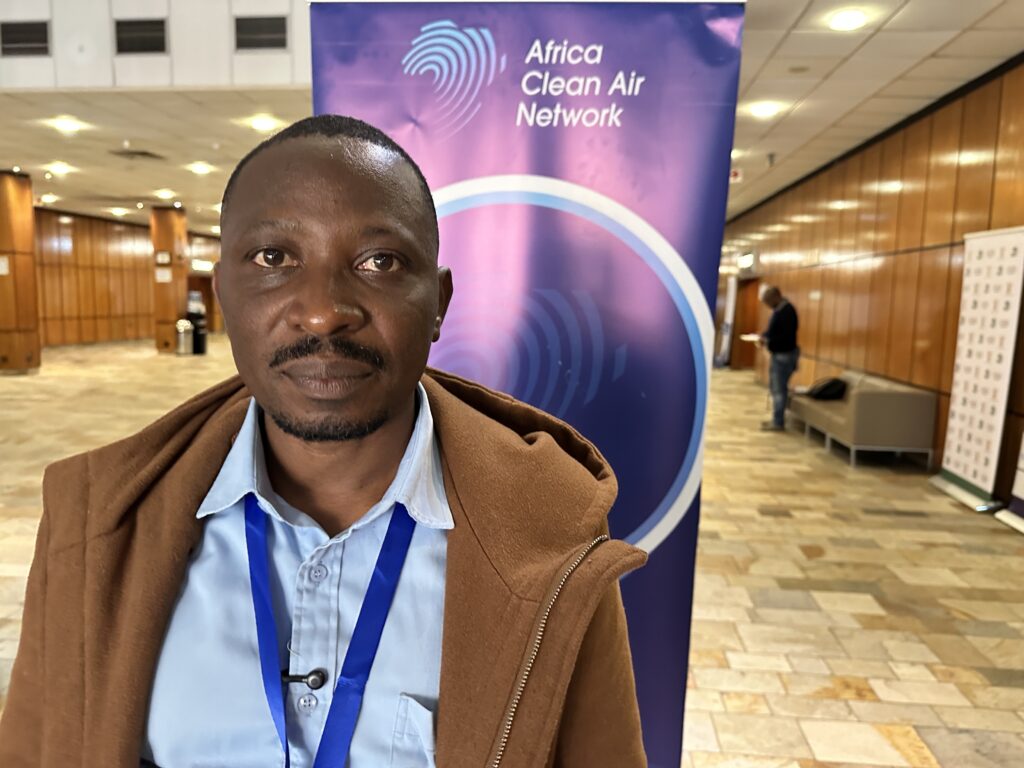
WASARU was one of seven groups which received the EPIC Air Quality Fund Milestone Award (for achievements made during 2025) at the Pretoria conference for pioneering work.
But founder Paulson Kasereka explains that the EPIC funding and their achievement creates the need for additional funding. WASARU’s plans include consultations with high-level stakeholders and developing air quality policy and management plans.
“We need additional funding to scale up the projects, results, and have more and bigger impact,” says Kasereka.
The three-day conference attracted over 500 participants from 47 African nations.
Image Credits: Health Policy Watch.
Combat the infodemic in health information and support health policy reporting from the global South. Our growing network of journalists in Africa, Asia, Geneva and New York connect the dots between regional realities and the big global debates, with evidence-based, open access news and analysis. To make a personal or organisational contribution click the donate button below.