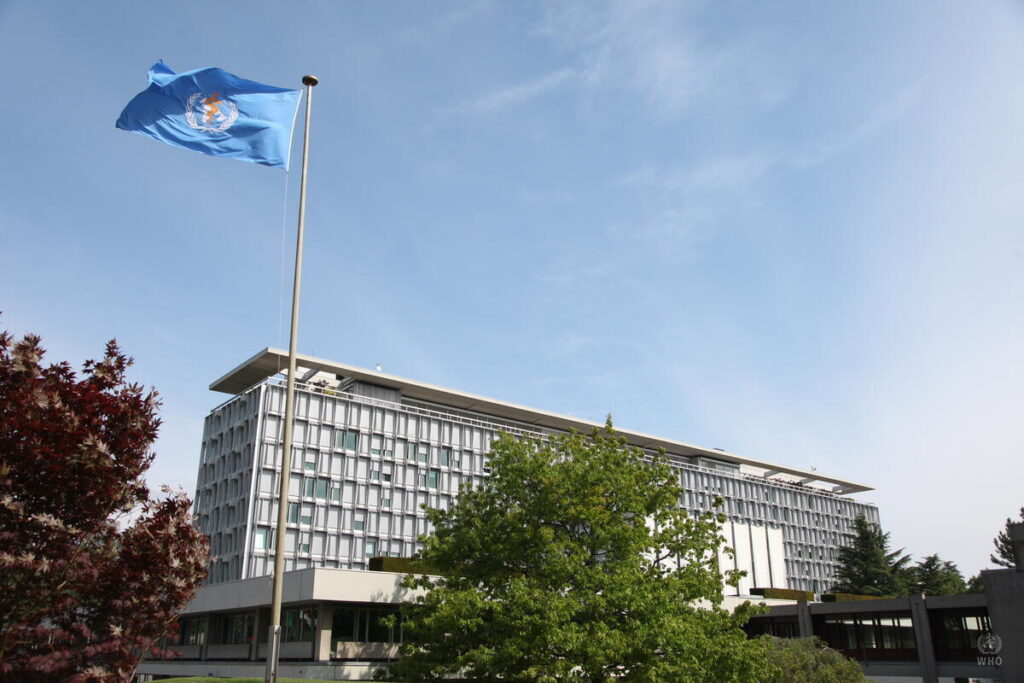
The World Health Assembly (WHA) will choose WHO’s ninth Director-General next May without having defined the job. Part I of this analysis sought to learn from the experiences of eight previous incumbents. Part II goes back to the WHO constitution, takes stock of the world’s health and that of the organization safeguarding it, before asking what its next chief must actually do.
Any employer who advertised a post with a person specification but no job description would be laughed out of the recruitment business. And yet, that is what the World Health Assembly does.
Its nine criteria for Director-General ask for a strong health technical background with international experience, leadership and communication skills, management competence, cultural, social, and political sensitivity, alongside commitment to WHO, good health and a working language.
These are all good requirements that every one of the eight predecessors assessed at Part I satisfied. But, as subsequent history showed, this did not predict or differentiate between their eventual – wildly varying – performances.
Post without a job description
The problem arises from the Delphic nature of the original constitutional designation of the Director-General as the organization’s “chief technical and administrative officer” without indicating what that means. It led to 78 years of rule-making that produced copious documentation on the election process without specifying the incumbent’s actual duties.
In fact, it is worse than that. Successive WHA resolutions have loosened specificities. For example, DG criteria revision in 2012 dropped the 1996 requirement for “proven historical evidence for public health leadership” while adding subjective “behavioural” tests.
The supposed reason was to give polarised electors greater political flexibility. There is nothing inherently wrong with that as global health is ultimately a political enterprise. But objective specifications could distinguish good from bad politics in a science-driven enterprise.
But that is not the case with WHO and creates a core accountability problem. If you don’t know what you want your chief officer to do, how do you select them or design the metrics to assess their delivery?
Leadership traps
This generates conflicts of interest for politically elected DGs. Because allowing them to define their own job and mark their own homework by their own yardsticks tempts them to bend organizational strategies. And it leaves disappointed electors progressively critical of the DG they had endorsed with great fanfare.
Nowadays, DG candidates publish policy manifestos on elaborate websites, and electors can see what they would get. But the reality is that once a DG election is concluded and the champagne is popped, the winner’s website and glitzy messaging are consigned to oblivion. No one follows up on whether the winner sticks to what they said they would do.
Unsurprising, therefore, that all previous DGs who wanted it got second terms despite shortcomings evident in their first term. International agency governance is naturally conservative and veers towards the principle of the devil-you-know being safer.
Deeper confusion comes from conflating WHO’s persona and purpose as a permanent body with that of its Director-General, who is a temporary custodian. It exalts an incumbent’s status towards that of an old-fashioned head of state tending towards a sense of entitlement and impunity.
To be fair, this does not always come from a leader’s character. When I talk privately with present and past heads of agencies, they profess discomfort with the trappings of office, forced upon them by their courtiers. But obviously, they choose the people that surround them, the culture they create, and they are human enough to enjoy the privileges they bask in.
I have also observed during tracking performance over long tenures how the “centeredness” of leaders shifts with the accumulation of fatigue, errors, arrogance, crises, bad advice, and enemies. Perhaps that explains the adage, “All political lives…end in failure … because that is the nature of politics and human affairs”.

Challenges for defining the DG’s job
There are, therefore, compelling reasons why the global public interest demands guardrails to be constructed around the WHO DG’s position through a formal job description.
However, this challenges member state electors at the WHA. How can they write the DG’s job description if they are not clear on what they want done? To be sure, their desires are expressed in over 3,200 resolutions since 1948. And as the assembly understood that passing more resolutions is untenable for the financially strapped organization, it switched to supposedly less fiscally demanding “decisions”, with over 1,000 in existence.
By a conservative count, the WHA’s resolutions and decisions run to more than 1.5 million words. This is twice the length of the Bible and, like in scripture, revocations are sacrilegious although there is now a process to weed out dead WHO resolutions. No wonder linguistic fluency is a critical DG criterion.
However, even the most dedicated study of WHO’s holy words can’t answer the question of what a very human DG should be reasonably asked to do over their limited tenure. Partly because the high priests of WHA doing the anointing come from differing sects.
This begs the obvious question: when the candidates appear at the temple – two physical forums and an electronic web forum – how will their proffered dogmas be evaluated? Beyond relying on gut instincts and the whisperings of favoured global health pundits?
This column seeks to construct a formal job description for the next WHO DG, which requires reverting to undisputed fundamentals. Article 1 of its constitution says that the WHO objective of “the attainment by all peoples of the highest possible level of health” is to be realised through 22 functions set out at Article 2 with an extraordinary prescience that remain as fresh today as in 1946.
Following that organizational compass can help the DG avoid getting lost in the treacherous jungles and swamps of global health. However, the constitution is the organization’s framework and not the chief’s marching orders. Devising that job description takes authorisation from the last line of Article 2 for “all necessary action to attain the objective of the organization”.
So, what necessary actions are personally required from the next DG over their initial tenure in 2027-2032? They derive from the prevailing state of global health and WHO’s legitimate role.
The state of the world’s health

At a time when global institutions suffer intense – and often unfair – criticism, they have become adept at spinning trends in their sectors to show that they are not idle and remain investment-worthy.
Unfortunately, that also applies to normative guardians such as WHO, whose public messaging can verge on self-promotion. This makes balanced assessments of complex trends harder, as even authoritative Global Health Estimates can be spun to suit political or funding aims.
The excessive optimism and delusional beliefs that follow are always a great risk for leaders, and the next DG would be prudent to take a glass-half-empty perspective on the state of world health. With that caveat, what are the most strategic global health trends in the new DG’s in-tray?
Living longer, feeling worse
The new DG inherits a world that is living longer but lagging in healthy life expectancy. Non-communicable diseases now cause 74% of deaths and the fastest-growing burdens are diabetes, dementia, mental ill-health and drug use. That is this era’s first fact: the world’s dominant health problems are chronic, behavioural and expensive, while WHO was originally built to fight infections. Institutional DNA will always be more difficult to edit.
Disappointed hopes
The second fact is that promised progress has stalled. The service coverage index for universal health coverage has barely crept up from 68 to 71 between 2015 and 2023. A quarter of humanity faces financial hardship from out-of-pocket healthcare payments, while 1.6 billion people were marooned or pushed deeper into poverty in 2022. Meanwhile, a shortfall of 11.1 million health workers is forecast by 2030.
While maternal deaths dropped 40% since 2000 and child deaths halved, these were not fast enough. Without course changes, the world will forgo the chance to prevent 700,000 maternal and eight million under-five deaths before 2030. Vaccine confidence and routine vaccinations have declined, illustrated by the 11 million people who needlessly acquired measles in 2024.
The next DG must get their script ready for confessing in 2030 that the Sustainable Development Goal for health have been missed. But more importantly, what will they propose to succeed it?
Old adversaries returning
The third fact is the return of old challenges. Cholera, a disease of broken water systems and broken states, killed more than 7,800 people last year. With seven conflict-affected countries accounting for nine deaths in 10, this is the highest annual incidence since 1999.
Malaria incidence is also rising again, and tuberculosis remains the world’s leading infectious killer. The uncontrolled Bundibugyo Ebola outbreak that originated in the Democratic Republic of Congo (DRC) is setting new records. Antimicrobial resistance is the pandemic that smoulders on.
The next pandemic is a matter of when, even as considerable energy is expended in signing watered-down pandemic agreements and making non-binding political declarations that cannot be implemented because a vital pathogen access and benefit-sharing (PABS) annex remains un-agreed.
Climate is changing health futures
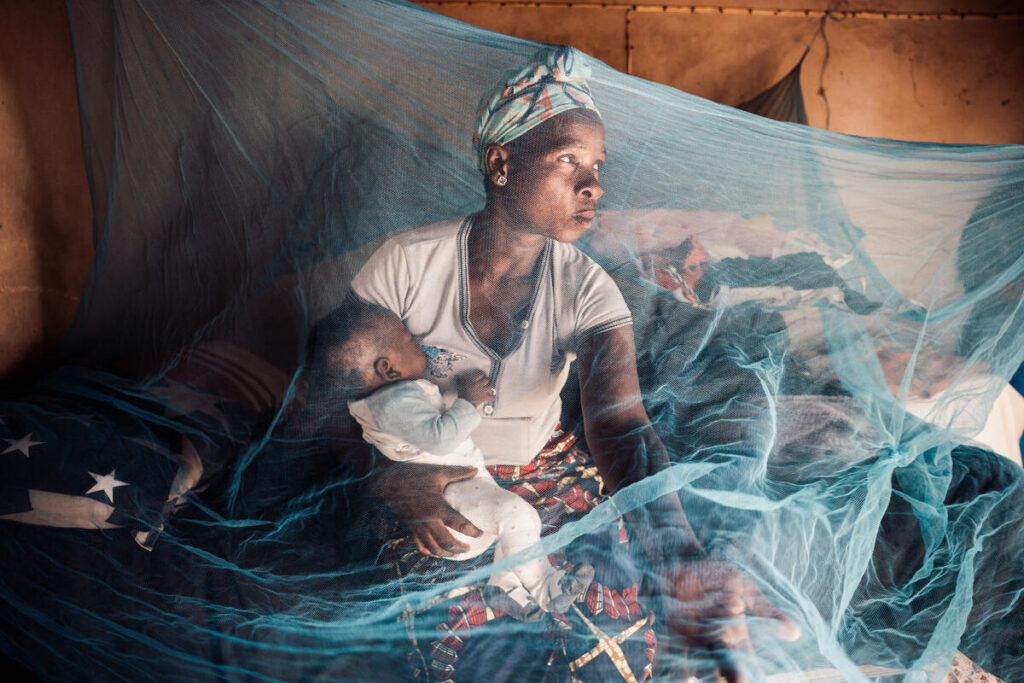
The fourth fact is that climate change has become a health determinant in its own right with associated risks at their worst levels on 13 of 20 indicators. Excessive heat kills an average of 546,000 people annually, up 23% since the 1990s. That is apart from other indirect health impacts (such as disasters and pollution) that WHO has not yet fully categorised and begun tracking rigorously, rather than relying on modelled estimates.
But many diseases are rising with the thermometer. For example, dengue’s transmission potential has risen by nearly half since the 1950s, malaria is climbing into highlands that were once too cold for it, and many non-communicable and reproductive health conditions are riskier. Health ministries are noisy participants at climate summits but rarely get to write more than a paragraph in communiques.
Health as a target
The fifth fact is that health itself is in the crosshairs. WHO’s recorded 1,283 attacks on healthcare, mostly in places such as Gaza, Sudan, and Ukraine. This is certainly an underestimate, with the dismantling of overwhelmed health systems in conflicts and crises affecting the survival of millions of people.
The Geneva Conventions’ oldest protection, the inviolability of the wounded and those who treat them, is being repealed through impunity. There is plenty of advocacy but specific strategies to maintain healthcare in hostile contexts are not clear.
Facts under fire
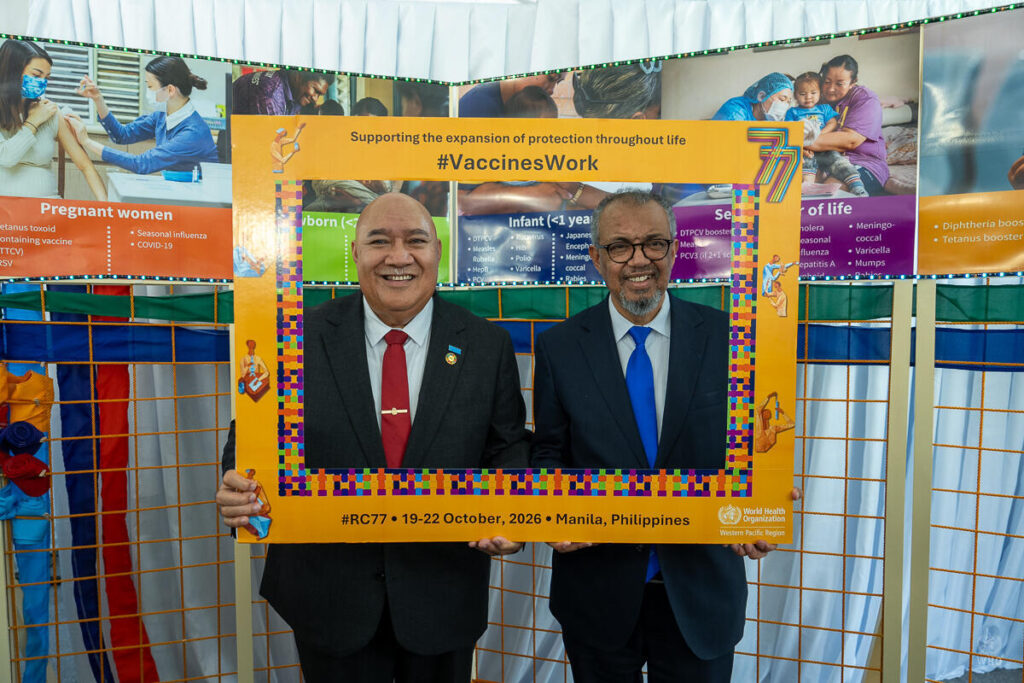
The sixth fact is that the facts themselves are contested. Vaccine scepticism is only the most visible symptom of a wider disorder that needs differentiated responses. Starting with misinformation from honest error that is sincerely shared such as the parent who reads that measles is mild. That is distinct from malinformation: facts deployed to deceive, as when a real but rare vaccine side-effect is presented without the far larger risk of the disease it prevents. And disinformation or falsehoods manufactured purposefully like casting the Pandemic Agreement as surrendering national sovereignty.
Then there is creating doubt for profit by industries whose products can kill, such as tobacco, sugar, or fossil fuels, by funding research designed to muddy scientific waters.
Further genres include influencer medicine that reaches more people than health ministries to promote, for example, bizarre “cures” for autism, and the lucrative wellness economy. Arriving at scale too is synthetic content generated by machines that overwhelm our capacity to counter them. But most sinister is the new official misinformation from once-trusted institutions, as with the US Health Department directing the revision of childhood vaccination protocols.
Underneath all lies the oldest contest: over numbers themselves. WHO’s own estimate of 22.1 million excess deaths from the pandemic is three times the official count. The death tolls of Gaza and Sudan are argued over as political ammunition. Meanwhile, only a fifth of the world’s deaths are recorded with a meaningful cause.
Whose job is it to do the counting? By default, governments, but when they don’t, won’t or can’t, or they deliberately miscount, what is WHO’s role? The organization’s normative authority – its only asset that money should not buy – is attacked daily by governments, platforms and a medical counter-culture with a global reach. Defending it, simply through slicker communications, is inadequate.
Evaporating resources
The seventh fact is money. Development assistance for health fell 21% in 2025, from $49.6 billion to $39.1 billion, its lowest since 2009, driven by American and other donor cuts. Sub-Saharan Africa lost a quarter of its support, and forecasters expect the decline to continue to 2030. One modelling study puts the cost of unreplaced US withdrawal at 4.1 million additional AIDS deaths, 607,000 tuberculosis deaths and 2.5 million child deaths by 2030.
The aid-financed architecture and disease partnerships of the past quarter-century, such as Global Fund, Gavi and US President’s Emergency Plan for AIDS Relief (PEPFAR), are also contracting, and are being replaced by a web of bilateral compacts that leverage trade, economic, or security deals that bypass Geneva altogether.
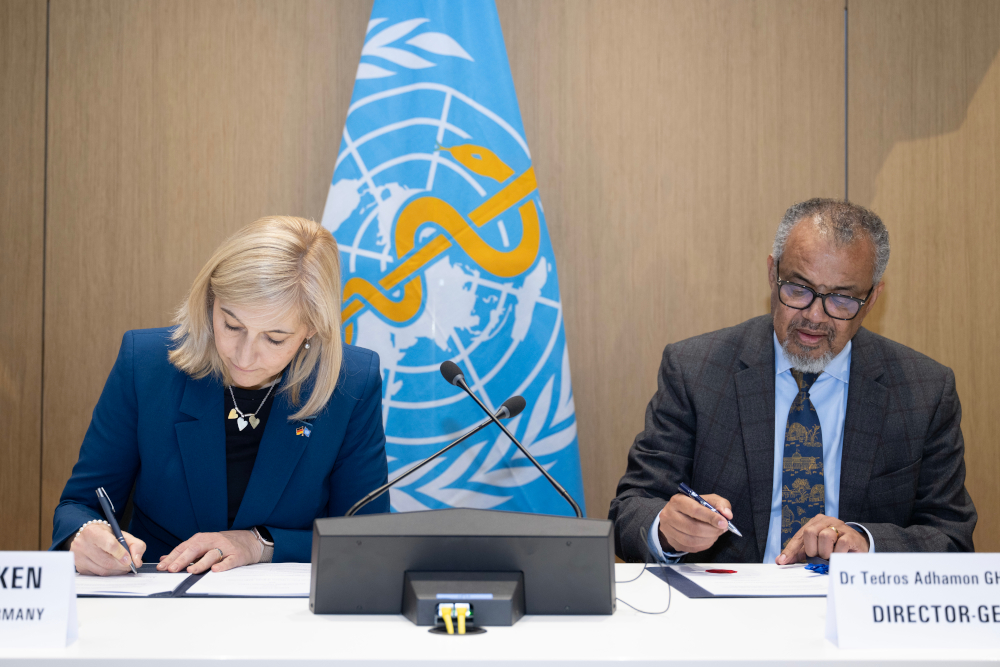
The state of WHO
If the world’s health is the demand side of the DG’s job description, the organization itself is the supply side. Health being the responsibility of states, the test for WHO is not whether it solves the above problems which, in any case, no international body can do on its own.
The real measure of the organization’s worth is around how well it helps states through discharging its 22 Constitutional functions, five of which carry the most significant weight:
Directing and coordinating authority
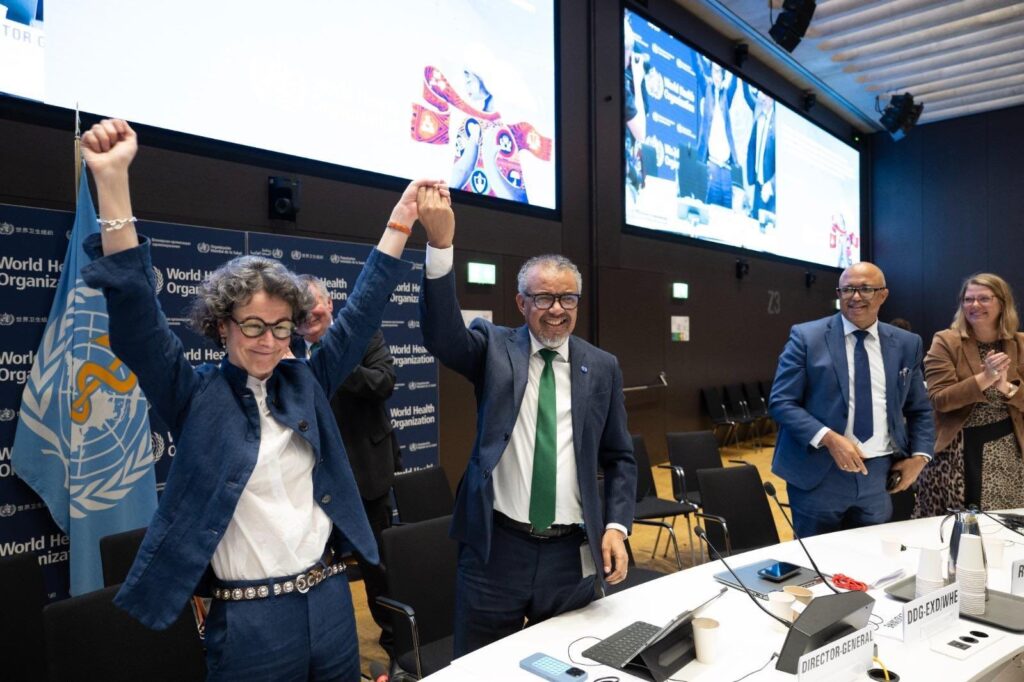
Article 2(a) makes WHO “the directing and co-ordinating authority on international health work”. But the organization is no longer fully empowered to do that since financial influence and operational muscle sit increasingly with others such as the Global Fund, Gavi, Gates Foundation and US-directed bilateral compacts.
The WHO retains its unique authority to convene 193 states, but only if they co-operate. That delivered the landmark tobacco treaty, International Health Regulations and, however incomplete, the Pandemic Agreement. WHO’s real authority – now only moral and procedural – is much weakened, but it is the one asset rivals cannot replicate.
Therefore, the next DG will need to be a highly morally respected figure but that will not be enough in the context of global cynicism and fragmentation. They must also forge a new strategic path for convening and coordinating a system that WHO no longer commands.
Norms, standards and rules
Articles 2(k), (s), (t) and (u) — conventions, nomenclatures, diagnostic standards, and standards for medicines and biologicals — are where WHO does its constitutional job best and most invisibly. The International Classification of Diseases, the Essential Medicines List, the pre-qualification of vaccines and drugs that every procurement agency relies on, and the amended International Health Regulations in force since September 2025, are examples of the global health system’s operating code.
They were written by staff whose numbers have been drastically slashed, with mid-level professionals who do most of the technical work bearing the brunt. The paradox for the new chief is that the function with the highest return is the one donors least like to fund, because nobody cuts a ribbon on a nomenclature. It is also the function under the sharpest political attack, as with all norm-setters in today’s world.
Therefore, the next DG should optimise WHO’s norm-setting business by reversing the traditional top-down approach and restricting standard-setting to the most critical areas for collective health.
Not every medical product or activity has to be normatised and regulated at a global level, and nations must learn to set more of their own specifications in their own contexts, with WHO available, if countries invite and pay for it, to facilitate evaluation, lesson-learning, and experience exchange among nations.
Emergency action

Article 2(d) asks WHO to furnish “necessary aid in emergencies” at a government’s request, and 2(g) to eradicate epidemic disease. After West Africa’s Ebola outbreak, member states forced the building of an operational arm, and it has worked harder than its critics allow: some 500 threats verified and 450 responded to last year, and the Bundibugyo emergency was declared within two days.
But declaring is much cheaper than responding. The organization’s emergency funding depends on a contingency fund it must refill by appeal, its field logistics on partners, and its surveillance on country systems that aid cuts have gutted. This is partly why the fastest public health emergency declaration in WHO’s history has not been rewarded by speedy control of the second-largest Ebola epidemic.
The next DG must acknowledge the brutal lesson that, regardless of what the organization does, it will always be blamed for being too slow or late by virtue of the epidemiology of lethality and rapid spreadability of new organisms amidst a changing physical and environmental context.
This requires a radical revision – not continuous expansion – of WHO’s emergency operational capabilities as these will never keep up with demands. Probably that means restricting WHO to upstream roles and leaving operations to regional organisations and national capacities.
The next DG’s task, therefore, is to develop and gain a new consensus among member states on what they can realistically expect WHO to do.
Support to countries
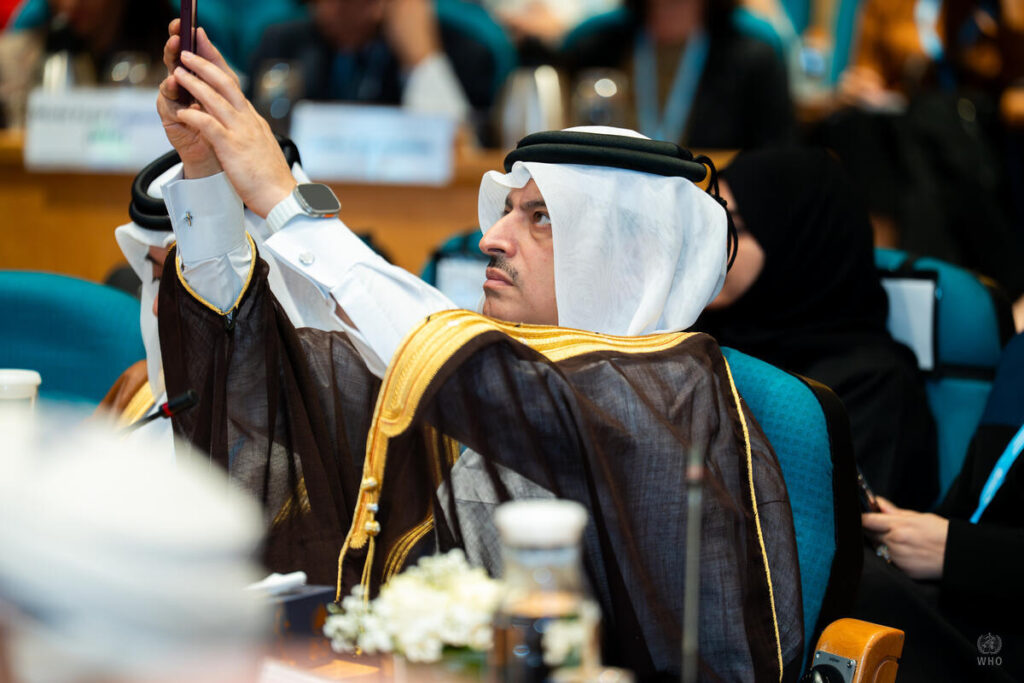
Article 2(c) and (e) of the constitution – strengthening health services and providing technical assistance – is where WHO claims many of its “results”, through more than 150 country offices. It is also where the organization is thinnest, most dependent on earmarked donor money, and most exposed to the regional structure that Article 44 onward creates.
The six regional directors are elected by their own constituencies that the Director-General can neither appoint nor remove, but their performance or misconduct bears directly on the DG’s own reputation.
There is much ambivalence about this structure, with its inherent tensions polarising and paralysing the organization and its stakeholders at critical moments. The next DG should decisively end this by formally embracing Mahler’s lament of WHO as an “association of regional offices”. Not least because geopolitical winds will blow ever more forcefully towards the primacy of regions and nations. Country support is also the constitutional function the assembly talks most about, and the next chief must honour that.
The WHO as an institution
The constitution assumes a secretariat that is solvent, trusted and accountable. But it is criticised on all three counts. The organization has also lost a founding member for the first time in its history, with a second giving notice.
The earlier Congo jobs-for-sex scandal, profligate travel revelations and two regional director removals have each cost trust. Despite strident declarations of ‘zero tolerance’, it is currently falling behind its resolve to clean up the house.
There are complex – and not necessarily interconnected – reasons for these failures. But a core aspect is funding. WHO’s base budget has fallen from $5.3 billion to $4.2 billion. Progress has been made to increase assessed contributions to cover 40% of the budget. The remainder is voluntary and earmarked, so whoever pays still decides. The senior ranks nearly doubled in the fat years and have been trimmed in the thin ones, with more juniors going first.
The next DG’s priority must be to place the organization’s funding on the rational basis of democratic accountability. That translates into all core WHO tasks being conducted within the base budget composed of the total of regular assessed contributions of member states. It implies reducing the extent of those tasks if members agree on an insufficient budget level.
All core tasks do not have to be discharged from Geneva, and some global core tasks could also be conducted from regional offices. The associated principle could be that no more than, say, 20% of the base budget is spent at Geneva headquarters, with the rest allocated to regional offices.
Additional voluntary contributions from donors for their own favoured programmes should, over time, be done away with. Those who wish to provide more funding for global health can find other channels such as directly to countries or via other agencies. WHO should not be a subcontractor to donors.
The DG who manages to design and deliver a new sustainable and robust funding contract informed by consistent new principles will leave a profound mark on the organization.
Towards the Director-General’s job description
A child born in the same year as WHO expected to live, on global average, just 46 years. A child born today can expect to live 27 years longer. Measured against Article 1 of its constitution, the organization can claim a significant share of the credit for enabling the largest improvement in human health in history.
But when measured against Article 2’s practical functions, the verdict is nuanced. Against the many changes spanning decades, to the determinants of health, WHO is labouring harder and harder to achieve less and less.
Since WHO began measuring healthy life expectancy in 2000, the world has added six and a half years of life but under five years of health. In short, the gap between living and living well has widened to 10 and a half years. Of course, that is not the sole responsibility of WHO and less even of its DG.
Nevertheless, an organization originally built to add years to life must shift to add life to years. But this is far more complex. Not least because we cannot say how many years of health climate change, chronic diseases, mental illness, or wars are taking, because measurements of healthy life are modelled rather than counted.
Meanwhile, in institutional terms, WHO appears strongest where it is least seen and weakest where it is most expected. That creates the perception imbalance that so bedevils confidence in the organization and inevitably reflects badly upon its leaders.
The new DG will want to rise above that after taking a hard look in the organisational mirror. That has been the purpose of this piece, which also suggests pointers for what is required from future WHO leadership. But this is still too imprecise a basis for electing the ninth DG. That requires a specific job description against which electors can quiz candidates to determine their fitness for the position.
We will get there at Part III of this series.
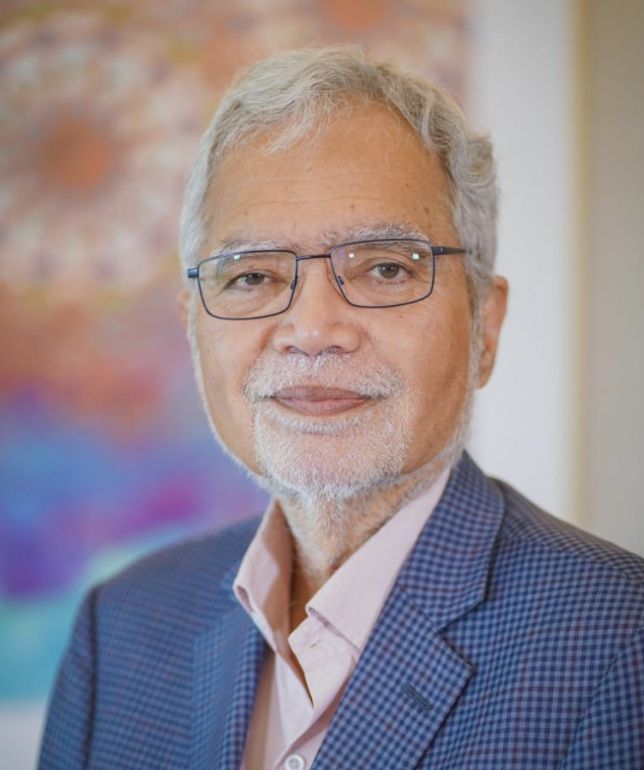
Mukesh Kapila is professor emeritus of global health and humanitarian affairs at the University of Manchester, and a board member of Health Policy Watch. Vital Signs in Global Health is a regular column, and the opinions expressed are solely those of the author.
Image Credits: WHO, WHO EMRO, NCD Alliance, Global Fund, ohn Kelly Halina/ WHO, WHO/Christopher Black.
Combat the infodemic in health information and support health policy reporting from the global South. Our growing network of journalists in Africa, Asia, Geneva and New York connect the dots between regional realities and the big global debates, with evidence-based, open access news and analysis. To make a personal or organisational contribution click the donate button below.