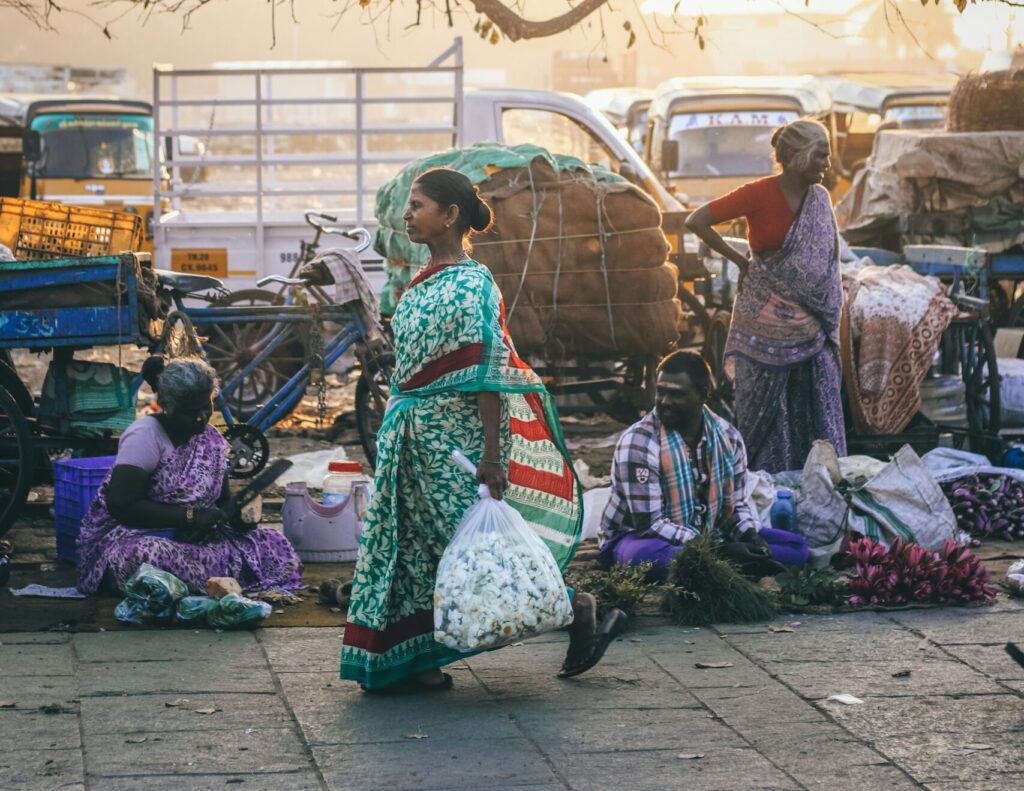
Life was normal for 27-year-old Delhi-based lawyer Deeba Fariyal until six years ago when she was diagnosed with synovial sarcoma, a rare soft-tissue cancer that typically affects young adults. Since then, she has endured six relapses, leaving her with few treatment options.
All the treatments have stopped working,” she said. “My cancer is one of the rarest forms, and there are very few treatment options.”
Two years ago, the disease left her temporarily paralysed, although she has since regained the ability to walk. Today, tumours in her lungs and spine, combined with Delhi’s worsening air pollution, make everyday life increasingly difficult.
Yet, Fariyal says the greatest burden is neither the disease nor its complications—it’s the financial cost.
“Everything is so expensive. Treatment at a private hospital in India can easily cost between $20,000 and $30,000,” she said.
“The targeted therapy medicine I’m taking costs more than $120. Most patients avoid government hospitals because the waiting lists are so long. If you’re diagnosed with Stage 1 cancer, by the time your appointment comes, you could be in Stage IV. If you want timely treatment in India, you need a job, and that’s nearly impossible for many people [with cancer] to keep.”
Her struggle reflects a broader challenge facing cancer survivors worldwide: surviving the disease does not always mean returning to a normal life.
High unemployment
A 2009 study published in JAMA found that 33.8% of cancer survivors were unemployed, compared with 15.2% of people without a history of cancer.
Experts say the financial burden has only intensified in the years since, driven by rising treatment costs and persistent gaps in access to affordable care.
India’s growing cancer burden has made the issue increasingly urgent. The country records more than one million new cancer cases each year, while improvements in diagnosis and treatment mean more people are surviving the disease.
The latest available estimates suggest India had around 2.1 million cancer survivors in 2017-18. Globally, about 32 million people are living after a cancer diagnosis. As survivorship rises, oncologists and patient advocates say returning to work has become an increasingly overlooked challenge.
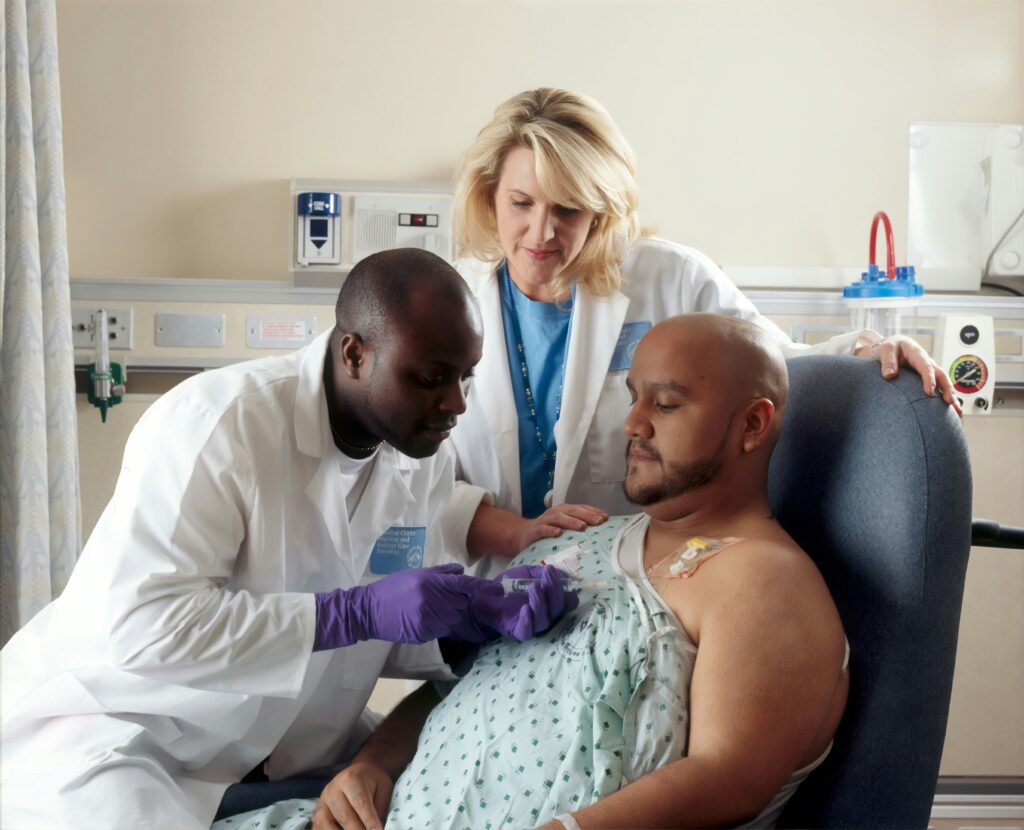
When cancer costs you your job
For 36-year-old Richa Rana from Saharanpur, Uttar Pradesh, surviving breast cancer was only the beginning. Returning to work proved to be another battle.
Rana was diagnosed with breast cancer in 2022 while working in the private sector. Instead of receiving workplace support, she says her employer placed her on nearly six months of unpaid leave.
“At first, the company didn’t take any immediate action. They just put me on unpaid leave for almost six months,” she said. “When my treatment was over, I returned to work and proved that I was healthy enough to do my job.”
But a few months later, the cancer returned. The company again granted her unpaid leave while she underwent treatment. Once doctors declared her fit to return, she informed her employer that she was ready to resume work.
“Instead of welcoming me back, HR replied that the company wanted to separate from me,” she recalled. “I was already going through a very difficult period. My father was also undergoing a liver transplant.”
Rana wrote a lengthy email to the company’s chief executive, pleading her case. She says the human resources department acknowledged that her performance had never been a problem.
“They admitted they had no issue with my work. I lost my job because I had taken those two medical leaves even though they were both unpaid.”
Finding another job proved equally difficult. Rana says she cleared several interviews, only to be rejected after disclosing that she was a cancer survivor.
“The interviews would go really well, but the moment I told them I was a cancer survivor, they would reject me,” she said. “Maybe employers think I’ll need frequent leave or that my productivity will be lower. But rejecting someone without even giving them a chance isn’t justified.”
After months of searching, Rana eventually secured another job – but only by keeping her medical history private.
“During the interview, I didn’t tell them I was a cancer survivor,” she said. “I only told my manager after I’d been in the role for more than six months and had proved myself. He said they already had an idea, but by then they had seen my work and decided to keep me. We have to do this much just to make a living.”
Discrimination against survivors
Fariyal says she has faced similar discrimination.
“Living with Stage IV synovial sarcoma has cost me my career,” she said. “Since October 2024, I have faced continuous unemployment not because I lack merit, but because of institutional bias.
According to Fariyal, employers often praise her legal research experience and her work teaching students preparing for law entrance examinations. But once she explains the gap in her résumé, the conversation changes.
“I tell them honestly that the gap in my CV was because I was undergoing cancer treatment,” she said. “The door is immediately shut. I’m repeatedly told that despite my qualifications, they cannot recruit me because of my health condition.”
India’s labour market leaves cancer survivors particularly vulnerable, says labour economist Professor Arun Kumar.
“The country’s high unemployment allows companies to replace workers who develop serious illnesses with little consequence,” Kumar told Health Policy Watch. “From a macroeconomic perspective, spending on hospitals, medicines and doctors contributes to GDP and appears as economic growth. But this is a negative form of growth because it reflects illness rather than improvements in people’s well-being.”
Nearly 94% of India’s workforce is employed in the informal sector, where workers have little or no social protection, paid medical leave, health insurance or employment benefits, note Kumar. Even among the roughly 6% employed in the formal sector, employer-provided benefits often fall short of covering the prolonged costs of cancer treatment.
Although treatment is available free at many government hospitals, patients frequently face overcrowded facilities, long waiting lists and limited access to specialised care, making timely treatment difficult.
Calls for stronger workplace protection
For Urvashi Prasad, a public policy specialist and Stage IV cancer survivor, India needs stronger legal protections against workplace discrimination.
“In countries such as the UK, employers cannot discriminate against someone because of a serious illness. India needs similar protections,” she said, but conceded that legislation alone will not solve the problem.
“Even where legal protections exist, implementation remains weak,” Prasad said, pointing to India’s maternity benefit laws as an example. “Many workers still face discrimination despite the law because enforcement is inconsistent and pursuing legal action is expensive and time-consuming.”
She said many cancer survivors simply cannot afford lengthy legal battles, while government agencies often lack the resources to enforce labour protections effectively.
“The government cannot do everything on its own,” Prasad said. “Employers also need workplace policies that support people through serious illnesses and help them return to work.”
Kumar agrees that stronger public policy is urgently needed.
“Employers should not be allowed to terminate workers simply because they fall seriously ill,” he said. “India needs stronger provisions for medical leave and social security, particularly for workers in the informal sector, so they are protected during major illnesses not just cancer.”
As India’s cancer survival rates continue to improve, experts say the next challenge extends beyond healthcare. Ensuring survivors can return to work without facing discrimination, financial ruin or job loss, they argue, will be critical to improving both their quality of life and long-term recovery.
Image Credits: Prashanth Pinha/Unsplash, National Cancer Institute, USA, National Cancer Institute, USA.
Combat the infodemic in health information and support health policy reporting from the global South. Our growing network of journalists in Africa, Asia, Geneva and New York connect the dots between regional realities and the big global debates, with evidence-based, open access news and analysis. To make a personal or organisational contribution click the donate button below.