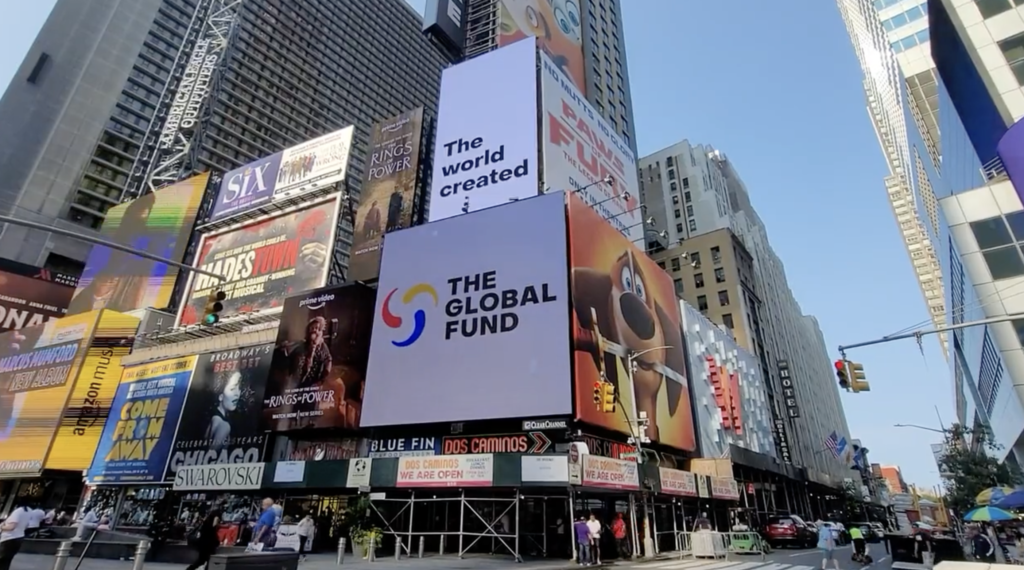
Former Global Fund executive director Mark Dybul returns to the helm in Geneva, facing an unprecedented $5.36 billion funding gap, fraught domestic transitions, and mounting demands to overhaul the global health architecture. While experts welcome his track record, balancing transatlantic rivalries with rising country sovereignty will demand delicate diplomacy and an updated playbook.
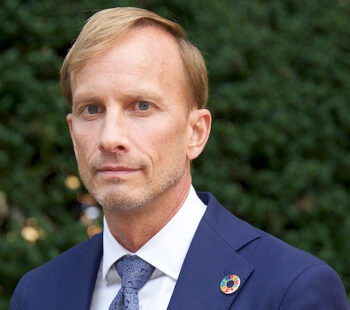
The board of the Global Fund to Fight AIDS, Tuberculosis and Malaria appointed Dr Mark Dybul as its next executive director on Wednesday during its 56th board Meeting. Dybul, who previously led the fund from 2013 to 2017, will take office in early 2027 for a four-year term following the end of Peter Sands’ tenure.
The appointment was largely expected and concludes an intensive search process launched in February. Dybul, an American global health veteran who sources say enjoys strong backing from the current US administration, was selected over four other finalists announced in late September. These were Richard Hatchett, outgoing CEO of the Coalition for Epidemic Preparedness Innovations (CEPI); Save the Children US head Janti Soeripto; Novartis executive Lutz Hegemann; and Tanzanian diplomat and former UN Assistant Secretary-General Joyce Msuya.
Dybul inherits a partnership confronting an unprecedented $5.36 billion funding gap after its Eighth Replenishment secured $12.64 billion against an $18 billion target. Health Policy Watch has requested confirmation of these figures from the Global Fund and will update this story if new data is provided.
“Mark brings exceptional experience, deep commitment and a proven track record of delivering results in global health,” said board chair Lady Roslyn Morauta. “At a time of profound change in global health, his vision and determination will be invaluable as we adapt to new realities.”
To manage the deficit, the board approved $10.78 billion in core country allocations for Grant Cycle 8 (2027-2029) alongside an initial $260 million for catalytic investments, leaving the incoming chief to steer implementation through these cuts while safeguarding frontline services.
Global Fund strategy and country self-reliance

Dybul, who also previously served as the US Global AIDS Coordinator from 2006 to 2009, takes charge as recipient countries press for greater health sovereignty. Under Grant Cycle 8, 61 disease components across 35 countries are scheduled to transition out of grant support toward domestic financing.
Addressing the urgent execution timetable for these shifts, Dybul warned in a recent Devex podcast interview that implementing countries must rapidly establish national governance, data systems, and transition units before donor budget reductions take full effect.
“There is a very narrow window of opportunity – 12 to 18 months – to get it right this time,” Dybul said regarding health transitions. “If we focus on supporting countries for what they want and need now, where we are in five years could be so dynamic and exciting.”
Demonstrating measurable country-led progress within this timeframe, he noted, will be essential to maintaining donor confidence across international capitals.
“Mark understands that the future of global health depends on greater country ownership, self-reliance and sustainable health systems,” said Bience Gawanas, the board’s vice-chair. “Under his leadership, the Global Fund will support countries to accelerate this transition while ensuring that the most vulnerable communities are not left behind.”
Broader leadership turnover
The transition coincides with a broader leadership turnover across the organisation’s top governance bodies. Morauta and Gawanas will hand over board governance stewardship to former Norwegian Prime Minister Erna Solberg and Argentinian Javier Hourcade Bellocq, who has served in “multiple capacities” at the Global Fund, including on the board representing the Communities Delegation.
“As incoming board leadership, Javier and I look forward to working with Mark to build on two decades of success while embracing innovation and new partnerships,” said Solberg.
Outgoing executive director Peter Sands, who has led the partnership since 2018, mobilised record investments and expanded access to breakthrough health innovations during his tenure.
Health Policy Watch reached out to Dybul for comment regarding his incoming strategic priorities, but he did not respond to requests before publication.
Experts welcome appointment, urge leadership adaptation
The Global Fund has saved 72 million lives and reduced combined mortality across AIDS, tuberculosis, and malaria by 63% since 2002, and global health leaders and observers welcomed Dybul’s appointment, citing his proven credentials to guide the Global Fund through turbulent times.
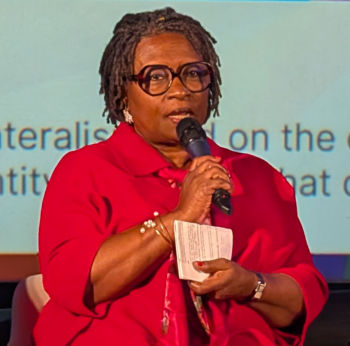
“This strategic choice reflects a preference for proven institutional experience and strong donor relationships over the potential disruption and steep learning curve associated with new leadership at a time of unprecedented uncertainty,” said Magda Robalo, president of the Institute for Global Health and Development and former Minister of Health of Guinea-Bissau, responding to a query by Health Policy Watch.
However, she stresses that the global health landscape has fundamentally transformed since Dybul’s previous term as executive director in 2017: rising nationalism, aid scepticism, and country demands for health sovereignty mark significant challenges.
Acknowledging that donor-driven models of the past must be reframed, Robalo highlights Dybul’s recent engagement with the Accra Reset reform agenda as a key asset to navigate this altered context.
“The key question is not whether he can lead the Global Fund he once managed, but whether he can adapt his leadership to a profoundly altered context and help redefine the institution’s role and future in a changing world,” said Robalo.
Mandate dilemmas and community safeguards
Policy experts like former Global Fund Board member Jirair Ratevosian emphasise that the incoming chief faces defining strategic choices regarding the organisation’s core identity and long-term scope.
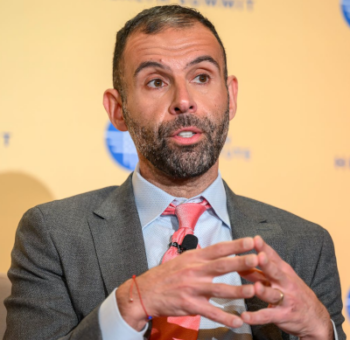
Key decisions loom over whether the Global Fund should strictly maintain its specialised focus on the three epidemics or broaden investments toward health security, climate resilience, and primary healthcare. Simultaneously, the secretariat faces pressure to absorb higher financial risk to accelerate market access for breakthrough tools, including long-acting injectable HIV prevention and AI-driven diagnostics.
As national governments assume greater operational control, key population advocates and civil society leaders insist that community leadership must remain central to the response.
Welcoming Dybul’s appointment, Global Black Gay Men Connect (GBGMC) urged the incoming leadership to ensure that transition frameworks do not force marginalised groups to absorb funding cuts or wait for state action.
“The next phase needs a sustainability plan that does not leave communities waiting for governments and donors to act, or absorbing funding cuts on their own,” said Micheal Ighodaro, executive director of GBGMC, in a statement. “It must build lasting community power, financing, institutions and leadership, alongside the public and donor resources that remain essential.”
Transatlantic rifts and new tech philanthropy
To offset sovereign aid declines, Dybul will also have to navigate non-traditional financing, including controversial discussions around multi-billion-dollar AI and tech philanthropy.
Crucially, rebalancing governance to grant recipient nations greater strategic weight will require delicate diplomacy – particularly in securing sustained backing from the United States as Washington increasingly shifts toward bilateral health compacts under its America First Global Health strategy.
He will also have to engage with European donor countries despite recent nomination frictions. Speaking to Health Policy Watch on the condition of anonymity, senior global health officials said that if European nations want a larger decision-making role, they must “step up.”
Another senior European health policy source added: “Europe is paralysed by its own weakness,” reflecting growing frustration over the continent’s struggling influence and lack of strategic vision.
Ultimately, Dybul’s return signals a defining moment for the future of multilateral health architecture. As the Global Fund confronts fiscal contraction and shifting global power dynamics, the new chief must reconcile donor expectations with country sovereignty – ensuring that the drive for structural reform does not compromise the frontline fight against AIDS, tuberculosis, and malaria.
Who Should Lead the Global Fund? Let the Candidates Make Their Case
Image Credits: Georgetown University, Global Fund/Vincent Becker, Felix Sassmannshausen/HPW, Milken Institue, Claudia Solano via Pexels.
Combat the infodemic in health information and support health policy reporting from the global South. Our growing network of journalists in Africa, Asia, Geneva and New York connect the dots between regional realities and the big global debates, with evidence-based, open access news and analysis. To make a personal or organisational contribution click the donate button below.