
France has adopted a strict youth social media ban for minors under 15, taking effect in September. But major enforcement hurdles remain, as lawmakers stripped the bill of direct platform sanctions to avoid clashing with European Union rules. The law also faces a constitutional review over the fundamental rights of children and parents.
Minors under 15 now face a strict youth social media ban in France when the law enters into force on September 1, following the adoption of new legislation on Tuesday. While new users will experience immediate restrictions, the law grants a four-month grace period for social media accounts created before that date.
The French National Assembly approved the measure with 279 votes in favour, 81 against, and 66 abstentions, mirroring overwhelming support in the Senate.
“I committed to it, it is now passed: social media will be banned for those under 15 at the start of the school year,” said French President Emmanuel Macron in a social media post after the vote.
Alongside the sweeping restriction, the legislation also extends the ban on mobile phone usage to high school premises. However, the exact rules and exceptions will be determined by each high school’s internal regulations.
French legislation follows global push for social media restrictions
The French legislation follows mounting scientific evidence, linking excessive screen time and addictive platform designs to a surge in youth mental health issues. Following the lead of countries like Australia and Spain, a growing number of governments are targeting the engagement-maximising business models of tech giants.
The French legislation follows a joint statement by Macron and WHO Director-General Dr Tedros Adhanom Ghebreyesus on 1 July, warning that poorly governed digital spaces and addictive platform features pose grave risks to the physical and mental development of youth.
Sanctions dropped to avoid EU clash
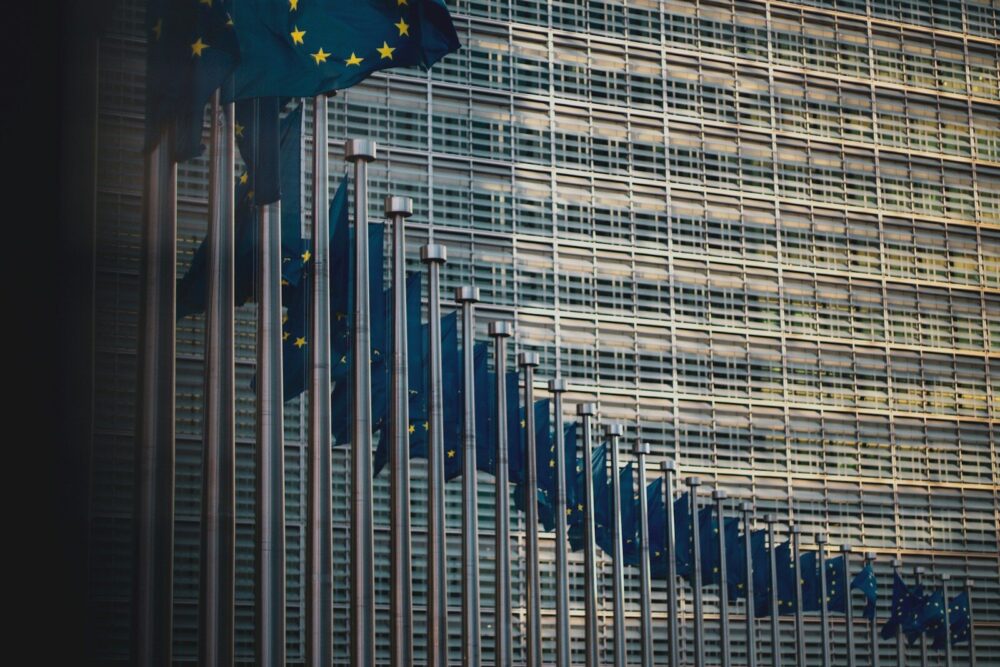
However, to avoid clashing with the European Union’s Digital Services Act (DSA), lawmakers deliberately stripped the bill of national sanctions against tech companies, effectively removing the teeth from any potential enforcement of the new law. The primary goal of the DSA is to establish a harmonised set of rules across the EU.
French Senate rapporteur Catherine Morin-Desailly from the centrist party Union Centriste acknowledged that the text’s normative scope is limited, acting primarily as a symbolic spur to force the EU Commission’s hand.
“Through a legal trick intended to avoid any conflict with the Digital Services Act, the ban concerns the minors themselves, without sanction,” explained Morin-Desailly during the Senate hearing.
The initial French Senate proposal favoured a two-tier system, with a blacklist of harmful platforms and parental consent for others. However, following exchanges with the Commission regarding its plans for a comprehensive EU-wide safety framework, French legislators reverted to a blanket ban to serve as a symbolic pressure tactic on Brussels.
Following a query by Health Policy Watch, the EU Commission declined to comment.
Critics warn that blanket bans often fail because teenagers rapidly find technological workarounds like VPNs, and privacy-preserving age verification systems are not yet widely implemented.
Legislation aligns with expert recommendations
The French legislation anticipates upcoming unified measures across the bloc, following recent recommendations from a special EU expert committee set up by Commission President Ursula von der Leyen.
While the EU panel recommends a harmonised EU-wide baseline prohibiting social media access for children under 13, it explicitly supports member states implementing higher precautionary age restrictions, such as age 15.
For older adolescents transitioning into “digital autonomy,” the EU experts demand harm-reduction measures requiring platforms to integrate safety-by-design defaults – such as limiting infinite scrolling and disabling addictive push notifications.
Domestic opposition and implementation realities
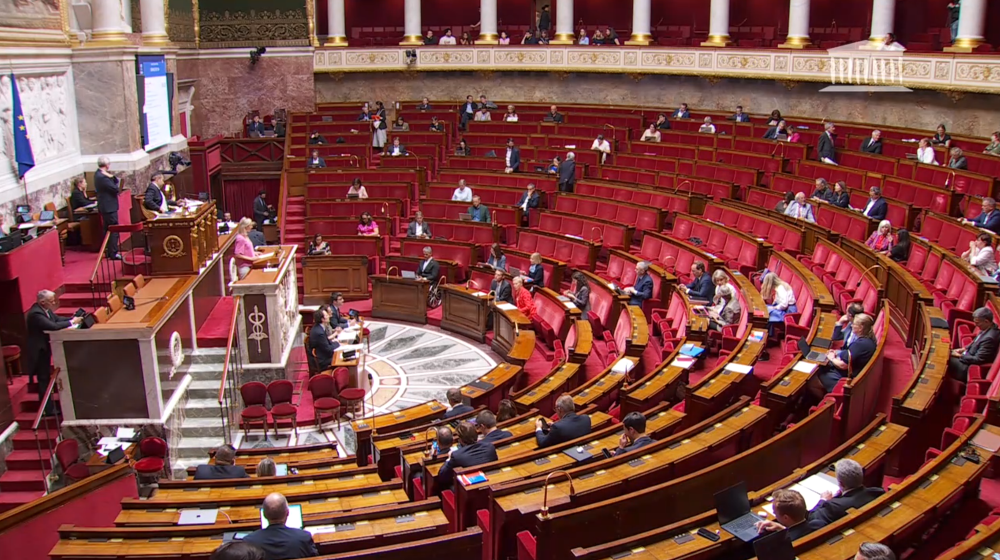
Domestically, the legislation faces immediate legal challenges before it can be implemented, even with very nominal enforcement. The Council of State previously warned that a general, absolute prohibition likely violates fundamental rights – specifically children’s right to access information and the exercise of parental authority – setting the stage for a review by the Constitutional Council.
Opposition lawmakers heavily criticised the government for rushing the legislation without establishing a functional, privacy-respecting age verification system. They warned that attempting to enforce such a complex technological restriction by September is a logistical impossibility.
“The final version gives the impression of a window-dressing text, without hindsight or impact study,” criticised Senator Mathilde Ollivier (Green Party) during the Senate debate.
As the government now awaits the constitutional ruling, the ultimate success of the restriction depends on whether Brussels steps in to regulate youth social media use.
See related story:
Youth Social Media Restriction Gains Critical Momentum in European Union
Image Credits: JÉSHOOTS via Pexels, Christian Lue via Pexels, Assemblée Nationale.
Combat the infodemic in health information and support health policy reporting from the global South. Our growing network of journalists in Africa, Asia, Geneva and New York connect the dots between regional realities and the big global debates, with evidence-based, open access news and analysis. To make a personal or organisational contribution click the donate button below.